Papua New Guinea’s Tufi Fjords Quietly Rival the Coral Sea for Dive Wanderers

Where Coral Walls Drop Into Silence
Most divers chasing the Coral Sea immediately picture the Coral Sea itself – the Great Barrier Reef’s outer edges, the Osprey Reef pinnacles, the familiar Australian dive circuit. But about 2,000 kilometers northwest of Cairns, tucked into a jagged stretch of Papua New Guinea’s Oro Province, a different kind of underwater world exists in near-total obscurity. The Tufi Fjords don’t advertise. They don’t need to.
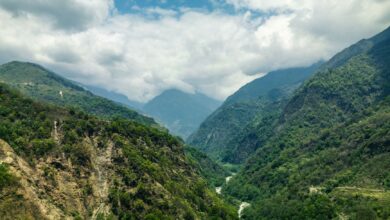
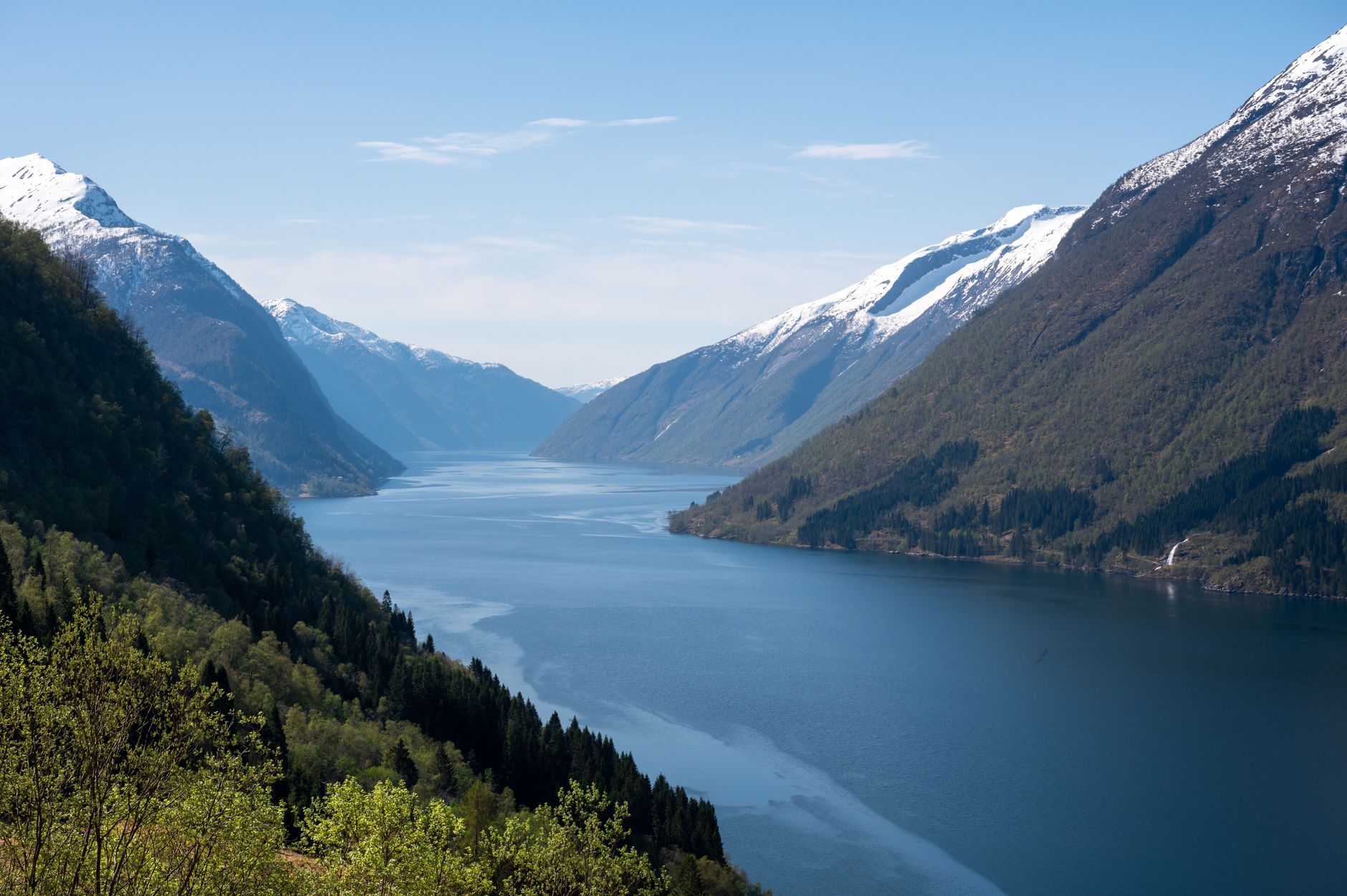
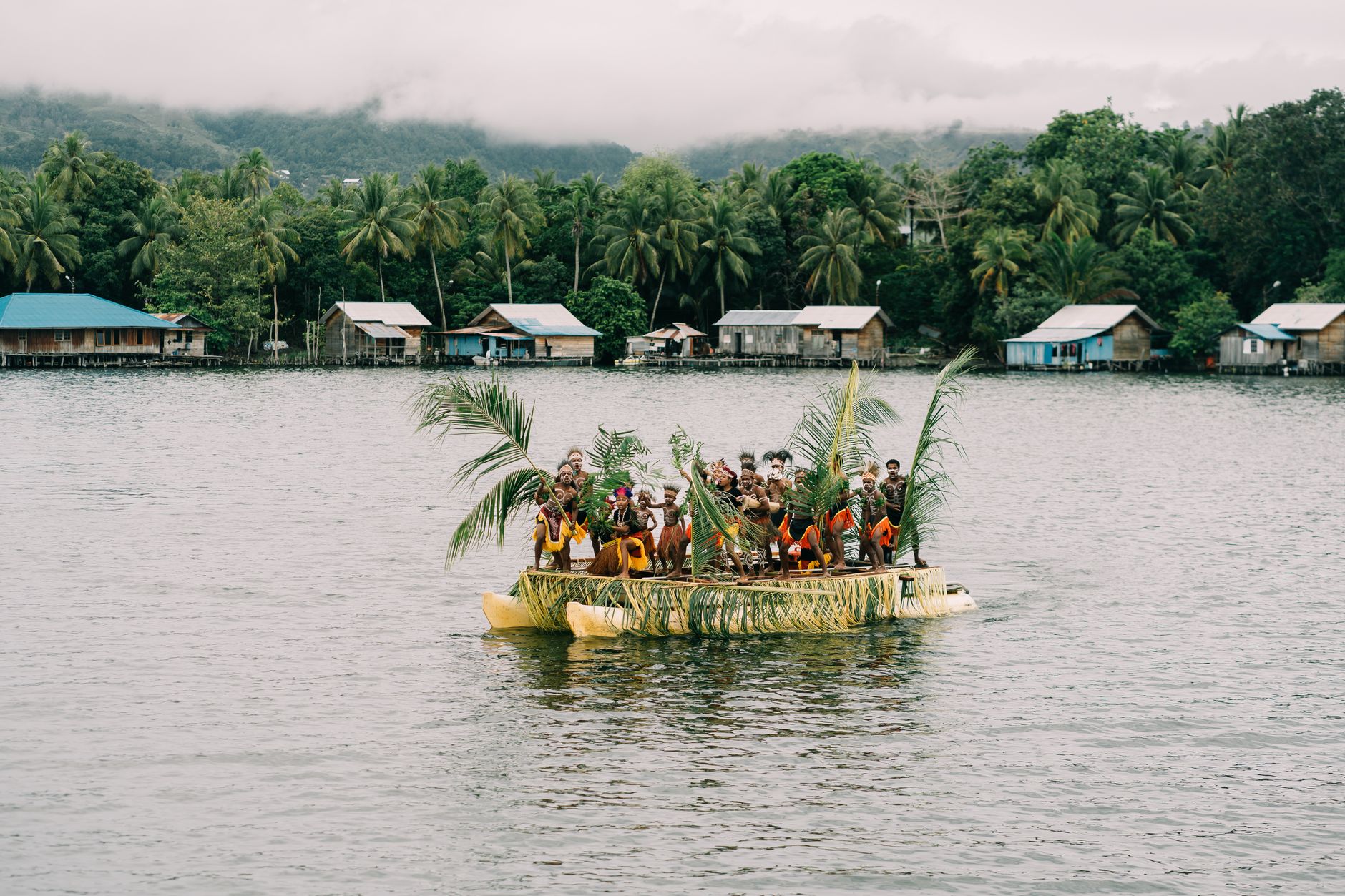
Tufi sits on a cape shaped by ancient volcanic activity, where dramatic ria coastline – drowned river valleys that formed into fjord-like inlets – meets the Coral Sea at one of the most biologically loaded reef systems in the Pacific. Above water, the landscape looks like something lifted from a fantasy novel: narrow waterways flanked by dense jungle, traditional Tawala villages perched on ridges, and canoes cutting silently through water so still it mirrors the treeline perfectly. Below the surface is a different kind of theater entirely.
The fjords are not on the standard dive tour circuit, and that is precisely the point.
What the Water Actually Holds
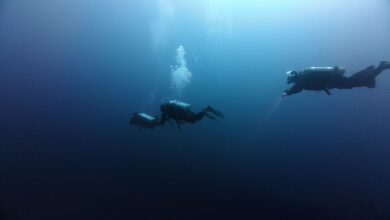
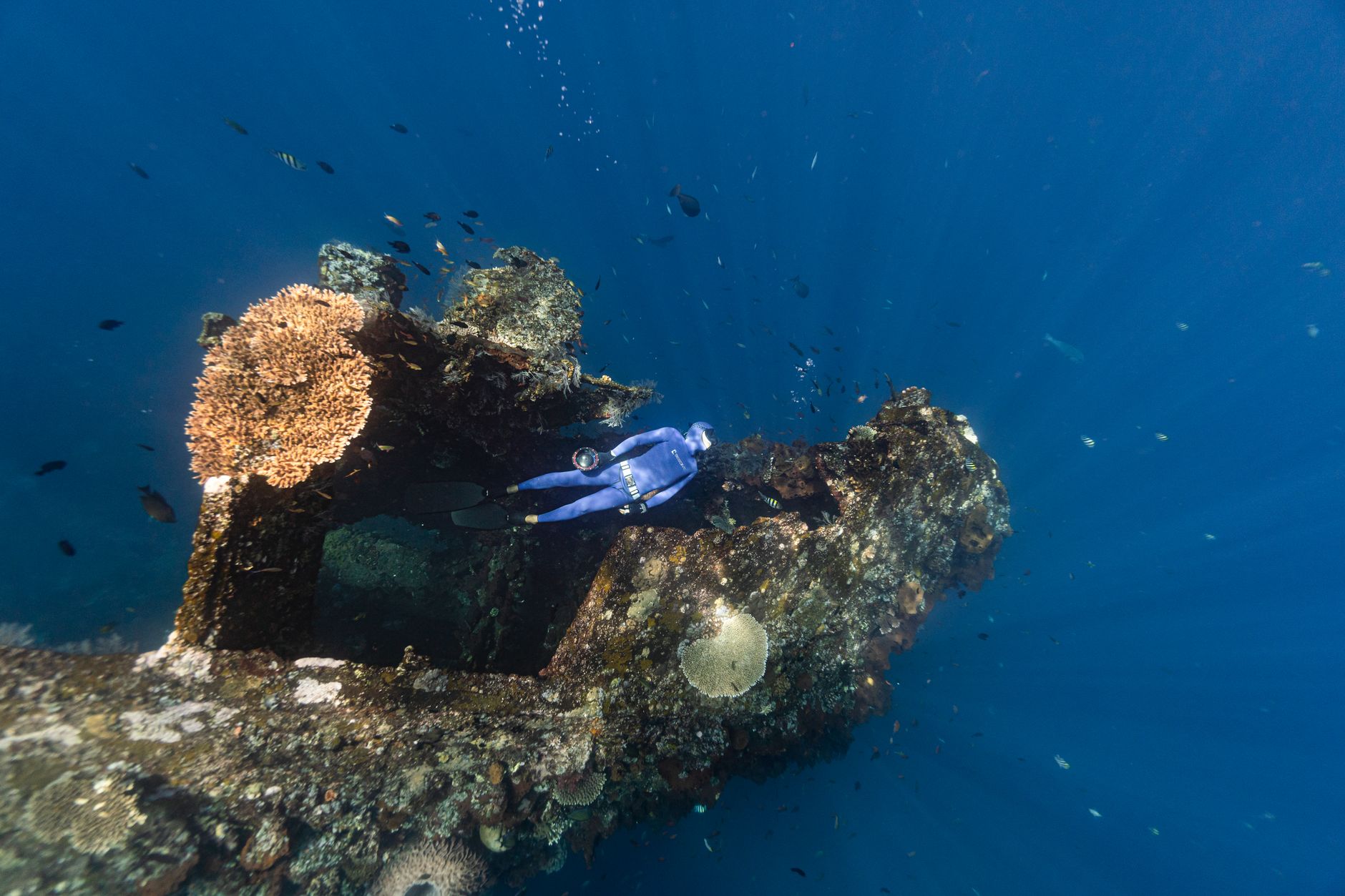
The reef structures around Tufi include a mix of hard coral gardens, wall dives dropping past 40 meters, and coral-encrusted World War II wrecks that sit shallow enough for recreational divers to explore without technical gear. Several Japanese aircraft and vessels from the Pacific War went down in these waters, and the marine life that has colonized them over eight decades is extraordinary – soft corals blanketing engine blocks, lionfish hovering near cockpit frames, schools of batfish circling wing sections as casually as if orbiting any natural bommie. The wrecks exist in that specific category of dive where history and biology fold into each other until you can’t quite separate them.
Beyond the wrecks, the open reef diving holds its own. Tufi consistently delivers sightings that more famous destinations can no longer guarantee: pygmy seahorses on sea fans, mimic octopus in sandy shallows, and populations of bumphead parrotfish moving through reef passages in coordinated, oddly prehistoric groups. Current conditions vary by site, making some walls accessible for newer divers while others suit those comfortable with mid-water navigation. The dive operation based at the main resort handles logistics practically – boat times, site rotation by conditions, and surface intervals spent in the fjords themselves, which is not a bad consolation for waiting out a current.
Water temperature stays warm year-round, averaging around 27-29 degrees Celsius depending on season, and visibility regularly exceeds 30 meters on exposed sites. The dry season, running roughly from May through October, brings calmer seas and the clearest water. This window also overlaps with the best topside conditions for trekking to surrounding villages and navigating the fjord inlets by kayak, which the resort facilitates for guests who want days split between surface and depth.
Getting There Without Losing Your Mind
Access to Tufi runs through Port Moresby, Papua New Guinea’s capital, where connections to the small regional airstrip at Tufi operate on light aircraft. The flight itself, roughly an hour, delivers aerial views of the fjords before you’ve even hit the water – a useful preview of the geography you’ll spend the week navigating from below. Port Moresby connects internationally through hubs including Singapore, Manila, Cairns, and Brisbane, so the routing isn’t as remote as it sounds, though it does require planning a day buffer in either direction to account for the schedule rhythms of regional Pacific aviation.
Accommodation options are limited by design. The main dive resort operates on an all-inclusive model that covers meals, diving, and most activities, which simplifies the logistics considerably. It’s not a luxury property in the glossy resort sense, but the rooms are comfortable, the food pulls from local ingredients, and the staff-to-guest ratio is high enough that dive briefings feel like actual conversations rather than liability disclaimers. Travelers accustomed to Raja Ampat liveaboards or the dive lodge model in the Banda Sea will find the format familiar. Those arriving from Caribbean resort diving may need to recalibrate expectations slightly – and will likely leave preferring this version. For context on what comparable off-circuit Pacific diving looks like, Indonesia’s Togean Islands offer a useful parallel – the same philosophy of distance-as-filter, applied to a different corner of the Coral Triangle.
Budget planning should account for the premium that remoteness places on the overall trip cost. Flights, the liveaboard-style resort pricing, and the short internal connections mean Tufi sits in the mid-to-upper range for dive destinations globally. The math changes, though, when compared to what a comparable week of diving at Palau, the Maldives, or even Komodo costs once flights are factored in from most departure cities. The value argument is real, even if it requires more initial legwork to piece together.
The Cultural Weight of a Place Like This
Tufi is Tawala country, and that context shapes the experience in ways that purely marine-focused itineraries miss. The region is known for traditional tattooing – a practice specific to these communities with patterns that carry social and cultural meaning distinct from the broader Papuan tradition. Visits to nearby villages are arranged through the resort with community coordination rather than as drop-in tourism, and the distinction matters. Watching reef fish disappear into a hard coral overhang at 18 meters is genuinely moving. Sitting in a village clearing while a local carver explains the language behind a pattern on a piece of traditional sculpture is a different kind of moving, and both happen in the same week.
PNG as a whole occupies a complicated space in adventure travel – real infrastructure gaps, genuine safety considerations in urban areas, and a reputation for difficulty that discourages casual visitors. Tufi sidesteps most of those concerns by operating within a self-contained geography where the resort, the reef, and the immediate village network form the practical world of a visit. It is not the PNG of Port Moresby traffic or Highlands highway logistics. The fjords create their own contained reality, and within it, the place operates with a coherence that more accessible destinations often lack.
What keeps Tufi quiet is the same thing that makes it worth finding: the combination of geographical inconvenience and minimal marketing means the reefs haven’t been loved to death. A bumphead parrotfish that has never been spooked by a crowded dive group behaves completely differently underwater – and if you’ve spent enough hours below the surface to notice that difference, Tufi is already on your list whether you knew it or not.