
The Other Peru Nobody Talks About
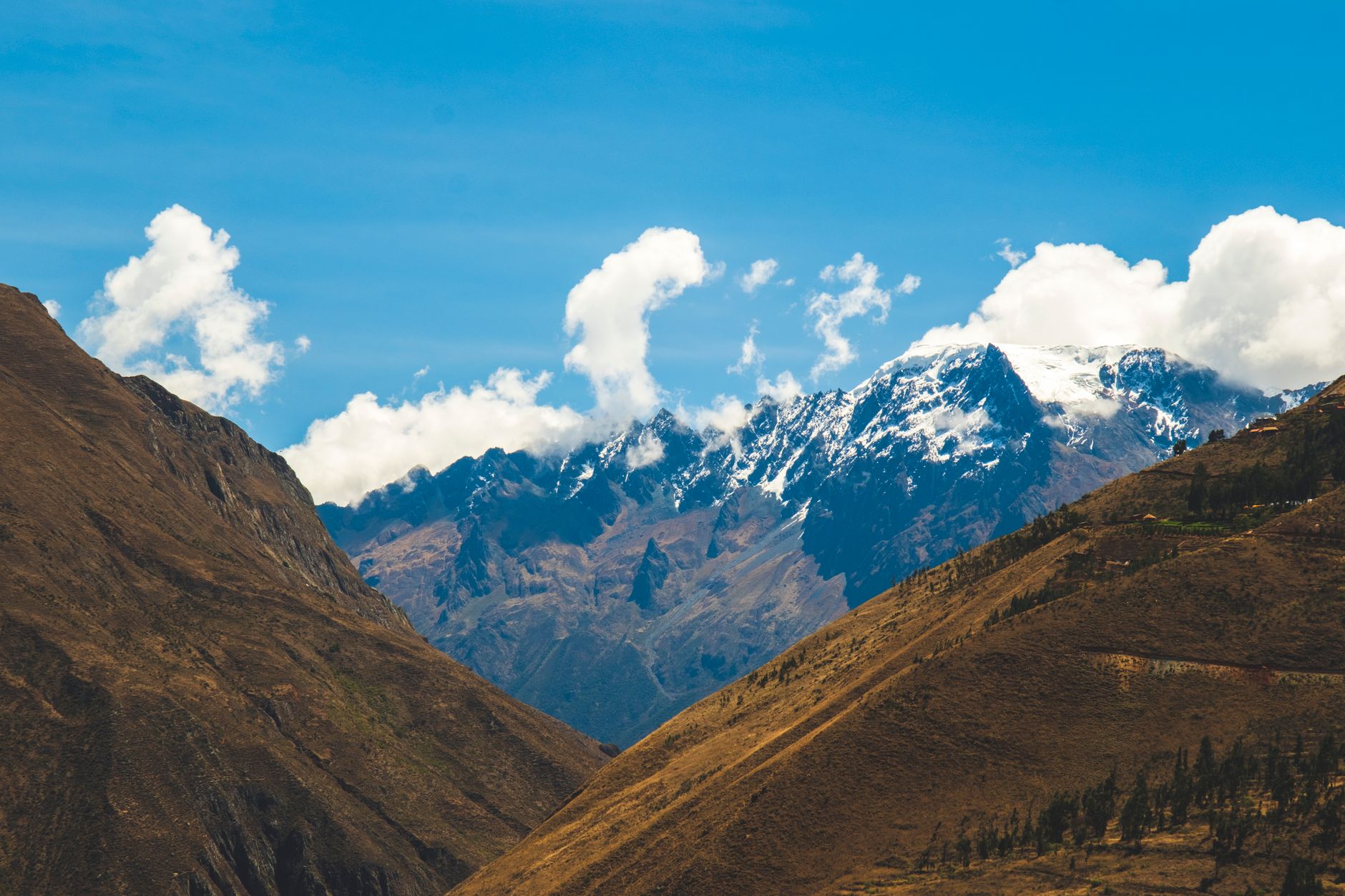
Cusco gets the headlines. Machu Picchu gets the Instagram posts. And somewhere in the shuffle, an entire civilization’s worth of ruins sits quietly above the clouds in northern Peru, watched over by little more than the mist and the occasional condor. The Chachapoyas region – named after the pre-Inca culture that built elaborate clifftop cities centuries before Spanish boots ever touched Andean soil – is drawing a slow but steady stream of travelers who are specifically looking for what Cusco no longer offers: solitude, difficulty, and the particular thrill of arriving somewhere that hasn’t been smoothed into a tourism product.
The regional capital, also called Chachapoyas, sits at roughly 2,300 meters elevation in the Amazonas department of Peru, a place most international travelers fly over rather than into. Getting there is either a long overland journey from Chiclayo or Cajamarca, or a short flight that feels genuinely adventurous given the runway conditions. Neither option is easy. That friction, which would deter most package tourists, is exactly what makes the region work for the kind of traveler who finds Cusco’s main square too crowded to be romantic anymore.
What the Chachapoya Left Behind
The Chachapoya people – sometimes called the “Warriors of the Clouds” – built their stone structures directly into cliff faces and on ridge lines at elevations that remain genuinely difficult to access. Kuelap, the region’s signature site, is a walled citadel set on a mountain ridge at about 3,000 meters, containing more than 400 circular stone structures. It predates Machu Picchu by roughly 600 years and held considerably more masonry volume than the Egyptian pyramids by some architectural estimates – though those comparisons tend to undersell how strange and specific Kuelap actually feels in person. Unlike Machu Picchu, you can walk through it in near-silence on a weekday morning.
Beyond Kuelap, the region contains dozens of lesser-known sites that require either a guide or a solid tolerance for unmarked trails. The Sarcophagi of Karajia – life-sized clay figures perched on an inaccessible cliff ledge – are among the most visually arresting burial sites anywhere in South America. The mausoleum at Revash sits tucked into a red-and-white painted cliff above a green canyon, reachable after a hike that most day-trippers from Chachapoyas city can manage with a local guide. These are not backup options for travelers who missed Kuelap. They are distinct and genuinely worth the planning on their own terms.
A cable car now connects the valley floor to Kuelap’s entrance, which has made the site more accessible than it was a decade ago. Some long-term Peru travelers consider this a loss. Others consider it reasonable given that the alternative was a two-hour mule ride. Either way, daily visitor numbers remain dramatically lower than anything in the Cusco corridor, and there is currently no McDonald’s within several hours of the ruins, which feels like a meaningful data point about where tourism development actually stands.
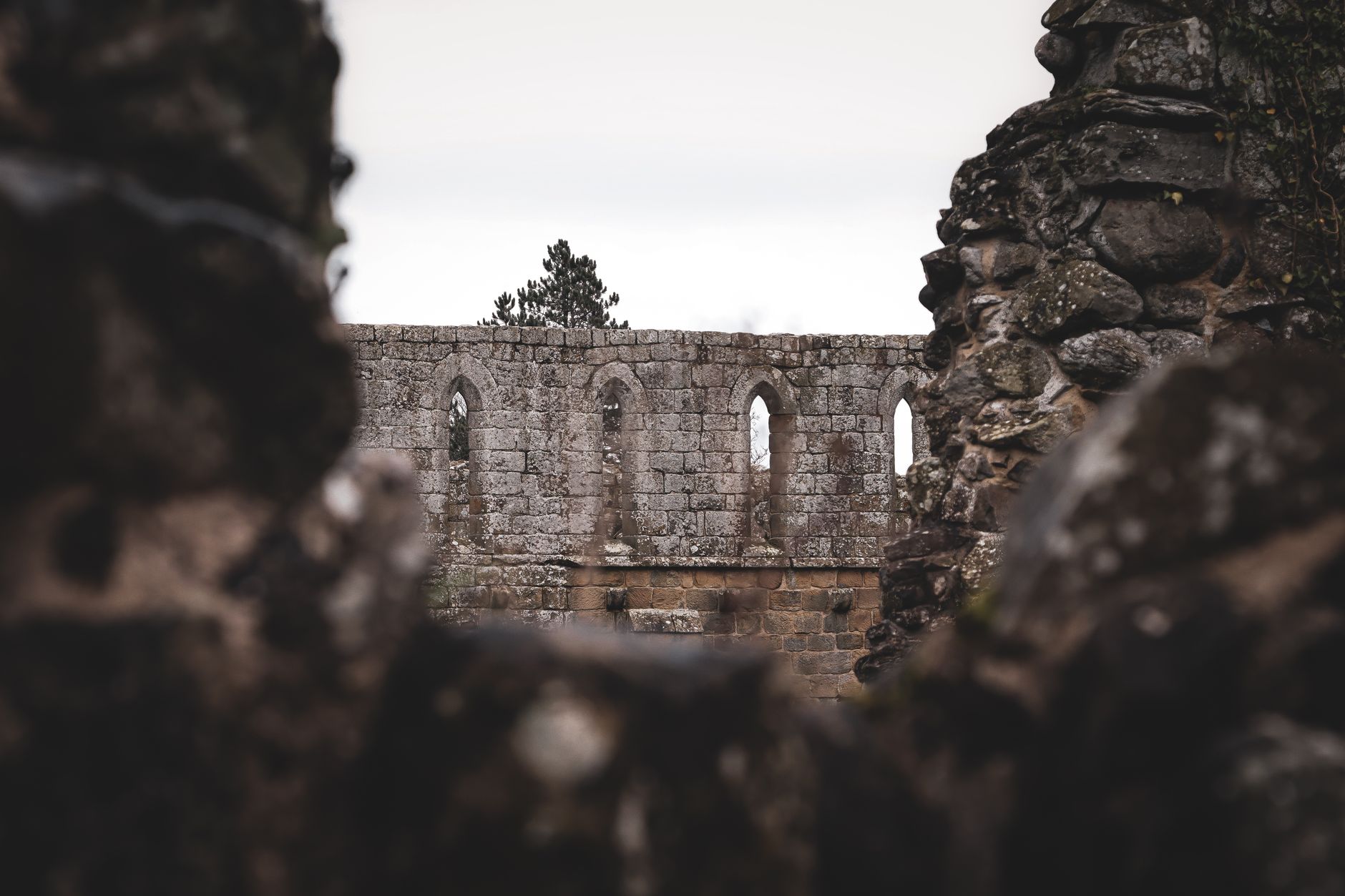
Cloud Forest as a Landscape Type
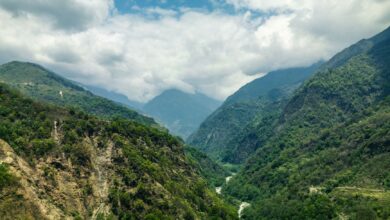
Chachapoyas sits in what ecologists classify as cloud forest – a mid-elevation zone where warm Amazonian air pushes up against the Andean slopes and condenses into near-permanent mist. The practical effect of this is that the region is green in a way that feels almost aggressive, with mosses covering stone walls and bromeliads growing out of cliff faces that have no obvious soil to support them. It rains frequently, the light is soft and diffuse on most mornings, and the landscape has a moody quality that photographers who specialize in this kind of work tend to describe as some of the most reliably dramatic in Peru.
That same moisture creates a biological richness that draws a specific type of traveler – birders, botanists, and the kind of independent wanderer who keeps a nature journal. The cloud forests around Chachapoyas contain endemic orchid species and serve as habitat for the spectacled bear, South America’s only bear species. The Gocta waterfall, roughly two hours by road and trail from the city, was largely unknown to the outside world until fairly recently and remains one of the tallest waterfalls on the continent. It’s an easy half-day trip, and the trail to its base passes through forest that feels genuinely untouched.
The Logistics of Getting There and Why They Matter
Most travelers reach Chachapoyas via overnight bus from Chiclayo on the northern coast, a journey of roughly ten hours that winds through cloud forest on roads that are scenic in daylight and nerve-testing in the dark. Flights exist from Lima via Jaen or Tarapoto, depending on the season and carrier schedules, but connectivity is limited enough that planning ahead matters. The difficulty of arrival is not incidental. It screens the visitor pool in a way that no velvet rope ever could.
Accommodation in the city itself runs from modest guesthouses to small boutique hotels with good food and surprisingly reliable WiFi. The dining scene is built around regional Peruvian cooking rather than international adaptations – cecina (cured pork), juane (rice wrapped in bijao leaves), and freshwater fish from the surrounding rivers are staple menu items. The city has a genuine local rhythm that doesn’t pause for tourists, which gives it the kind of texture that travelers often say they want and rarely find in places that have been welcoming tourists for thirty years.
The best travel window is generally May through September, when rainfall is lower and trails are more passable. But cloud forest, by definition, has its own relationship with weather, and even in the dry season the mist rolls in without warning. Travelers who come with a rigid daily itinerary tend to struggle more than those who build slack into the schedule. A ruined afternoon of trekking can become a good afternoon spent drinking coffee in a market town watching the clouds come down.
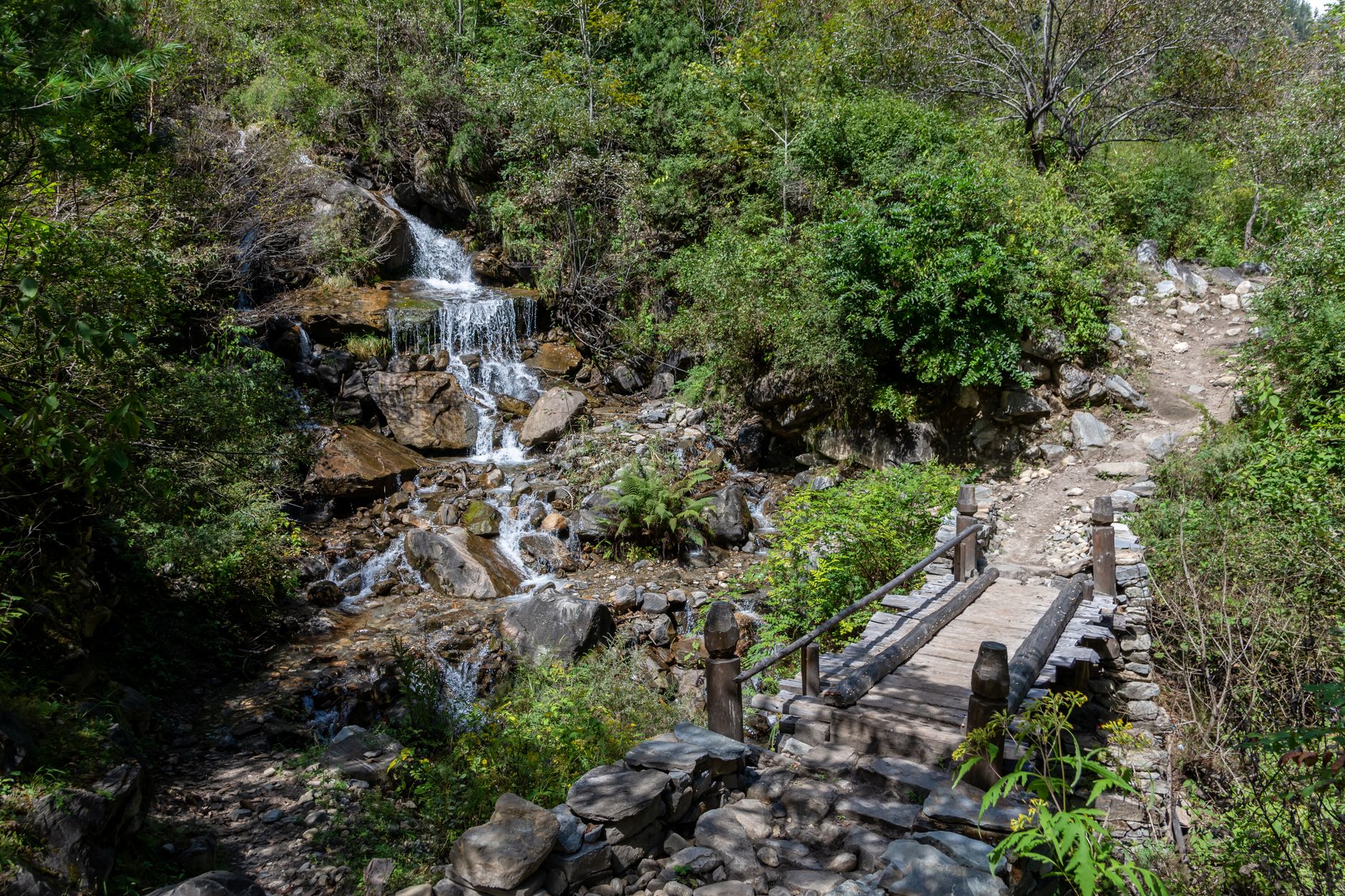
Tour operators in Chachapoyas city are small, often family-run, and considerably more flexible than the packaged circuits leaving Cusco daily. A growing number of them speak functional English, though Spanish fluency will open up options that English alone will not. The comparative lack of infrastructure that occasionally frustrates visitors is also, from another angle, the reason that Kuelap still feels like a discovery rather than an attraction – and that distinction is increasingly rare in South American travel. Whether that changes as access improves is the question the region hasn’t answered yet.
Frequently Asked Questions
How do you get to Chachapoyas from Lima?
Most travelers fly to a connecting city like Chiclayo or Tarapoto, then take an overland bus into Chachapoyas. Direct road travel from Lima takes over 20 hours.
Is Kuelap better than Machu Picchu?
They are very different experiences. Kuelap is older, less visited, and harder to reach, which appeals to travelers looking for solitude and a rawer archaeological setting.