
Where the Andean Sky Belongs to Something Larger Than Yourself
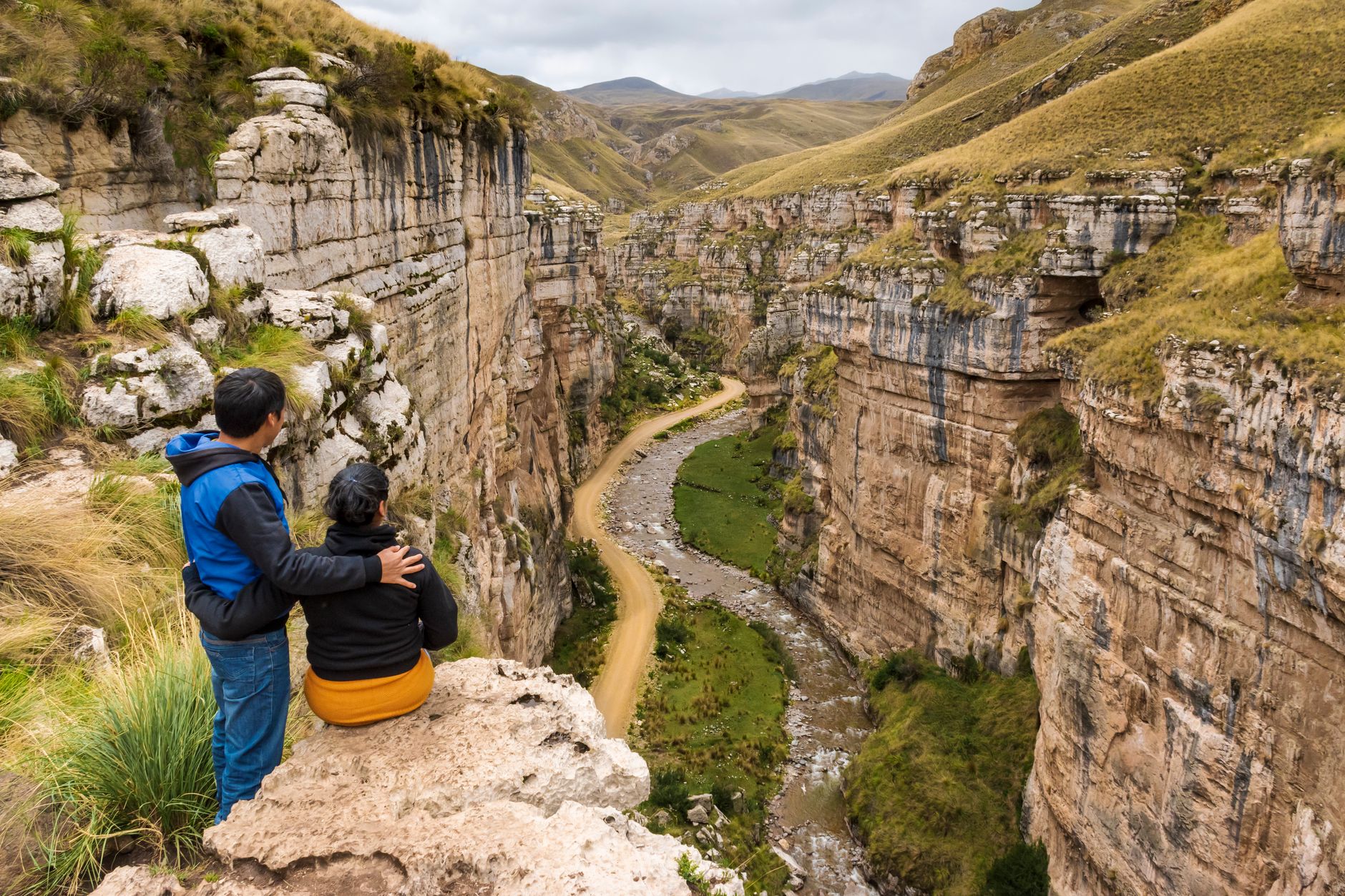
Colca Canyon does not announce itself the way Machu Picchu does. There are no Instagram pilgrimage crowds pressing against ticket barriers at dawn, no guided audio tours in seventeen languages, no souvenir stalls selling alpaca beanies within fifty meters of the main viewpoint. What Colca offers instead is raw verticality – at roughly 3,400 meters deep in sections, it dwarfs the Grand Canyon and sits inside a landscape so geologically dramatic that the sky above it feels borrowed from a different planet. And circling that sky, with wingspans stretching past three meters, are Andean condors performing their daily thermal ballet with complete indifference to the humans below.
Peru’s second most visited natural attraction has spent years in the shadow of its more famous archaeological neighbor, and for travelers willing to look past the Machu Picchu highlight reel, that relative obscurity is exactly the point. Colca sits in the Arequipa region, about five hours from the city by road, and it rewards the specific kind of traveler who measures a trip not by how many landmarks they photographed but by how long they stood still, watching something wild move through the air above them.
The Canyon Itself: Scale That Resists Photography
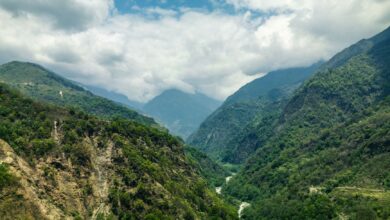
Colca Canyon runs for roughly 100 kilometers through the high-altitude Andes, carved by the Colca River over millions of years through volcanic rock and Andean plateau. The canyon walls shift color across the day – rust and ochre at midday, deep burgundy and violet at dusk – and the terraced agricultural plots on its upper slopes, some still farmed the way they were during pre-Inca times, add a layer of human history that feels genuinely ancient rather than curated. The Collagua and Cabana peoples shaped these terraces into the rock centuries before Spanish colonization, and walking above them gives a specific kind of quiet that museums cannot replicate.
The canyon is not a single viewpoint. It is a region, and travelers who treat it as a single stop are missing most of the story. The road from Chivay – the main town and base for most visitors – to the Cruz del Condor viewpoint passes through villages where residents still wear traditional embroidered dress not for tourists but as ordinary daily clothing. Stopping at the hot springs outside Chivay at dusk, after a day of hiking, is the kind of thing that does not photograph well but stays with you for years.
Cruz del Condor: The Best Free Air Show on Earth
Cruz del Condor is the non-negotiable stop, and it earns that status every morning between roughly 9 a.m. and 10:30 a.m. when the thermal currents rising from the canyon floor lift the condors to eye level with the viewing platform. These are not birds performing – they are commuting, using the warm air to gain altitude before heading out to feed. The viewing platform sits at around 3,700 meters elevation, which means altitude sickness is a real variable, and arriving from lower elevations without an acclimatization day in Chivay first is a common mistake that turns a transcendent experience into a miserable one.
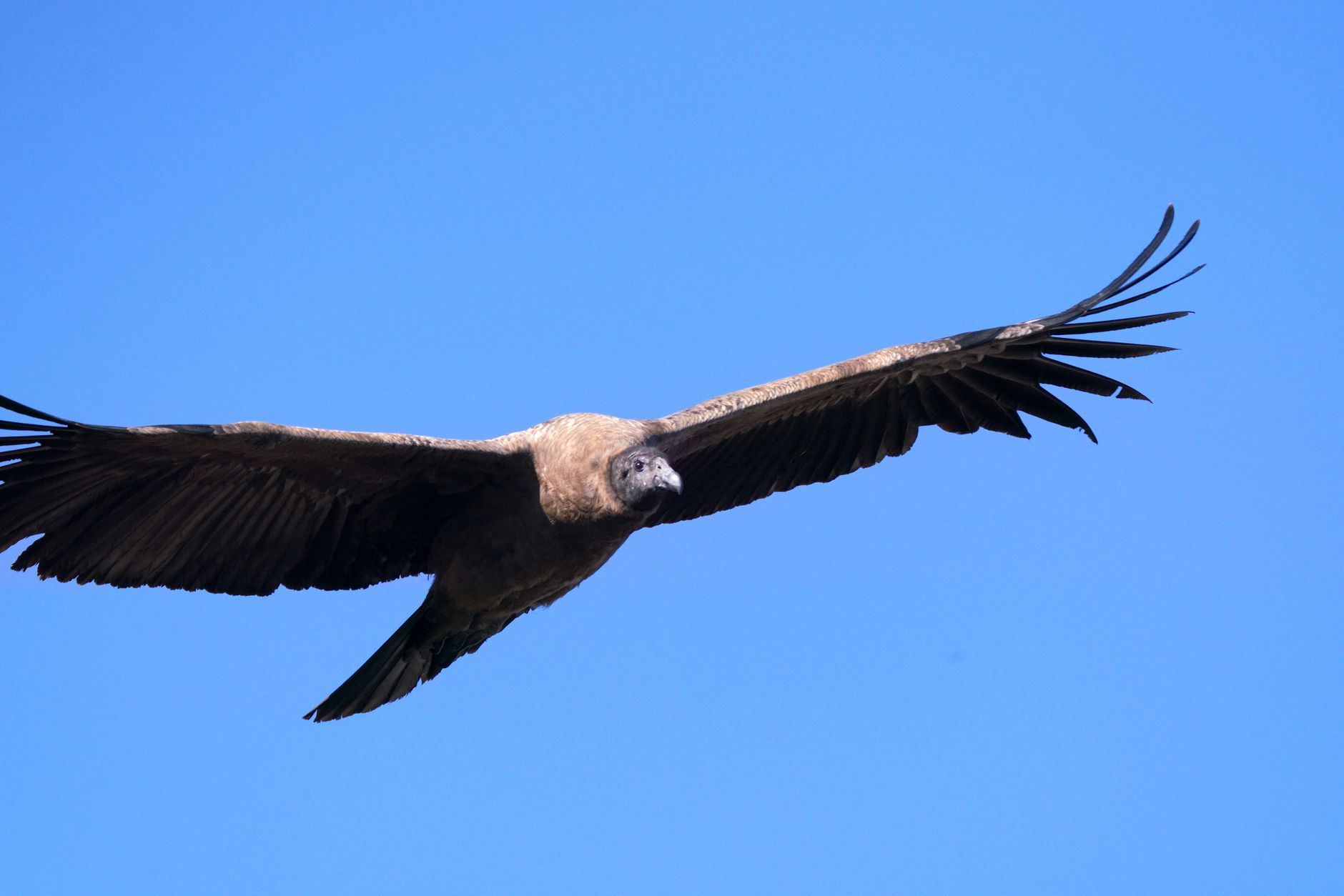
The condors are close. Uncomfortably, beautifully close. On a good morning, three to eight birds may pass within twenty meters of the platform, banking slowly on fixed wings, their white collar feathers and bald red heads visible without binoculars. The Andean condor is technically a vulture, a scavenger of carrion, and knowing that does nothing to diminish the experience. They are among the largest flying birds on earth, and watching one hold position in a thermal without a single wingbeat is a lesson in aerodynamic economy that no documentary fully conveys.
Most organized tours from Arequipa arrive at Cruz del Condor between 9 a.m. and 10 a.m., creating a brief crowding window. Independent travelers who arrive by 8:30 a.m. – before the convoy of tour buses from Chivay – get the platform largely to themselves for the first flights. The condors do not follow a schedule tied to tour operators, but the thermal patterns are consistent enough that local guides can read the conditions within minutes of arriving. Wind direction, temperature, and cloud cover all affect which section of the canyon rim gets the best flight paths on any given morning.
What the platform does not prepare you for is the sound – or rather, the absence of it. Condors in flight are silent. No wing noise, no calls. Just the wind across the canyon and the faint rush of a three-meter wingspan passing close enough that you can distinguish individual feathers. That silence is the thing most visitors talk about afterward.
The Trekking Route: Two Days That Change the Metric
The classic Colca trek descends into the canyon from Cabanaconde – the village at the western end of the accessible road – down to the oasis settlement of Sangalle at the canyon floor, where a cluster of small eco-lodges sit around natural pools surrounded by palm trees and cactus. The descent takes three to four hours depending on pace and altitude adjustment. The climb back out the following morning, usually starting before 5 a.m. to beat the heat, takes four to five hours and is genuinely demanding at altitude. It is the kind of hike that filters for commitment and pays in proportion.
Sangalle itself is an odd and wonderful anomaly – a small tropical microclimate at the bottom of an Andean canyon, warm enough for swimming pools fed by natural springs, quiet enough at night that the sky above the canyon walls holds more stars than most travelers have seen in one place. The lodges are basic, the food is simple, and nothing about the setting makes logistical sense. That incongruity is part of why it works.
Logistics That Actually Matter
Arequipa is the logical base city, a colonial architecture gem worth at least two nights before heading to Colca. The drive to Chivay crosses the Patapampa Pass at 4,910 meters – high enough that condor-themed altitude sickness memes circulate among travelers in Arequipa’s hostel common rooms – and the views across the Andean plateau on a clear day are worth the window seat. Spending the first night in Chivay at 3,633 meters before pushing further into the canyon significantly improves the experience for travelers arriving from sea level.
The best months to visit are the dry season months running from April through November, with June and July offering the most reliable clear skies but also the heaviest tourist traffic. The shoulder months of April, May, and October tend to have drier conditions than the wet season with noticeably thinner crowds. The rainy season from December through March brings green canyon walls and dramatic cloudscapes but also road closures and reduced condor activity at Cruz del Condor – the birds still fly, but the viewing conditions become unpredictable.
Entry fees for the Colca Canyon protected area are required and typically purchased at the control point outside Chivay. The fee covers multiple days, which matters because the canyon is not a day-trip destination – it rewards time, not efficiency.
Why This Place Stays Underplayed
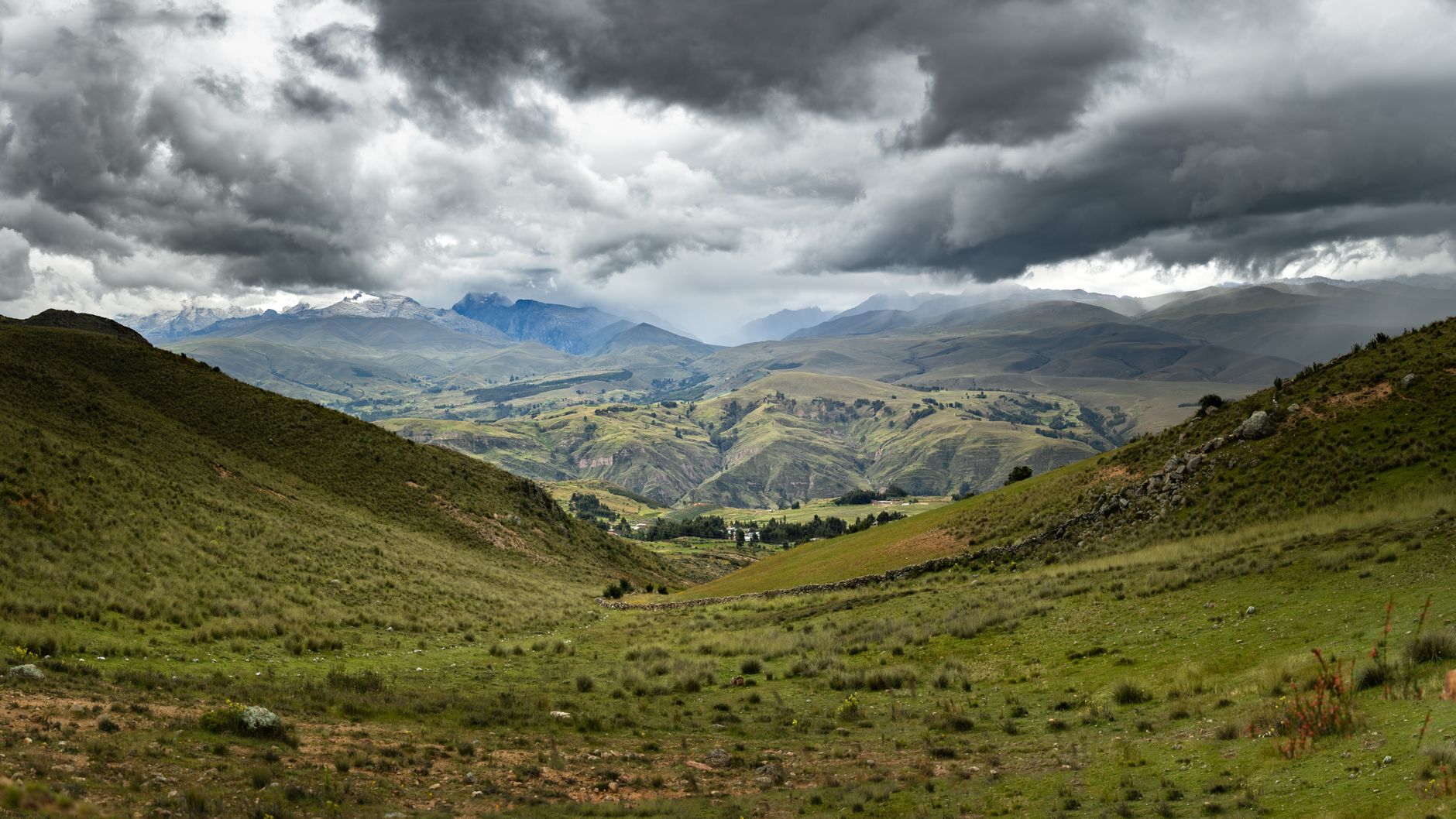
Colca Canyon does not have a world wonder designation, a famous lost city narrative, or a single image that has become globally iconic. What it has is a depth that works against summary. The condors are not a spectacle in the theme park sense – they are living animals operating inside a functioning ecosystem, and some mornings they do not come close to the viewing platform at all. That unpredictability is a feature, not a failure of the destination.
The travelers who return from Colca talking about it the most are not the ones who checked it off against Machu Picchu. They are the ones who spent a second morning at Cruz del Condor because the first one was overcast, hiked down to Sangalle on a day their knees were arguing against it, and sat on the canyon rim at dusk without a plan for what to do next. Whether the condors show up or not on any given morning may be the most honest thing a travel destination has offered in a long time.