
The Canyon That Keeps Getting Overlooked
Machu Picchu gets the magazine covers, the bucket lists, the Instagram feeds. Every year, hundreds of thousands of visitors make the pilgrimage to the Lost City of the Incas, booking months in advance and competing for dawn entry slots. Meanwhile, roughly 200 kilometers northwest, Colca Canyon sits at more than twice the depth of the Grand Canyon, hosting one of the most dramatic wildlife spectacles on the planet – and still drawing a fraction of the attention. For travelers who care more about raw experience than bragging rights, this is the gap worth exploiting.
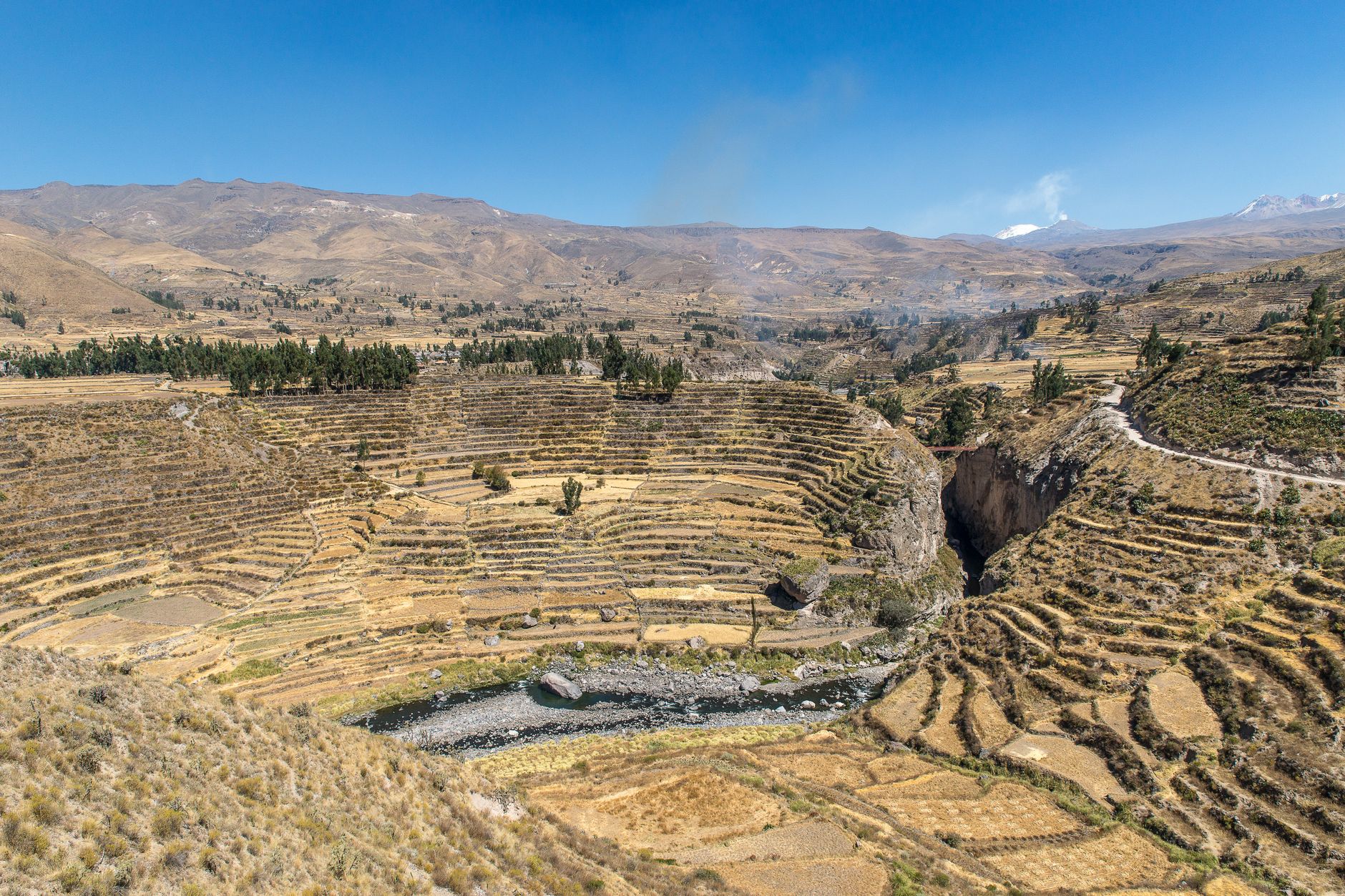
Colca Canyon measures approximately 3,270 meters at its deepest point, making it one of the world’s deepest canyons. The villages along its rim have been inhabited for over a millennium, the terraced agriculture predating the Inca Empire, and the Andean condor – with a wingspan stretching up to 3.2 meters – rides the thermal currents rising from the valley floor with a regularity that borders on theatrical. None of this is secret, exactly. But the tourism infrastructure around Machu Picchu has grown so dominant in Peru’s travel narrative that Colca continues to function, for most visiting travelers, as a day trip afterthought rather than a destination in its own right.
The Condor Cross and What Actually Happens There
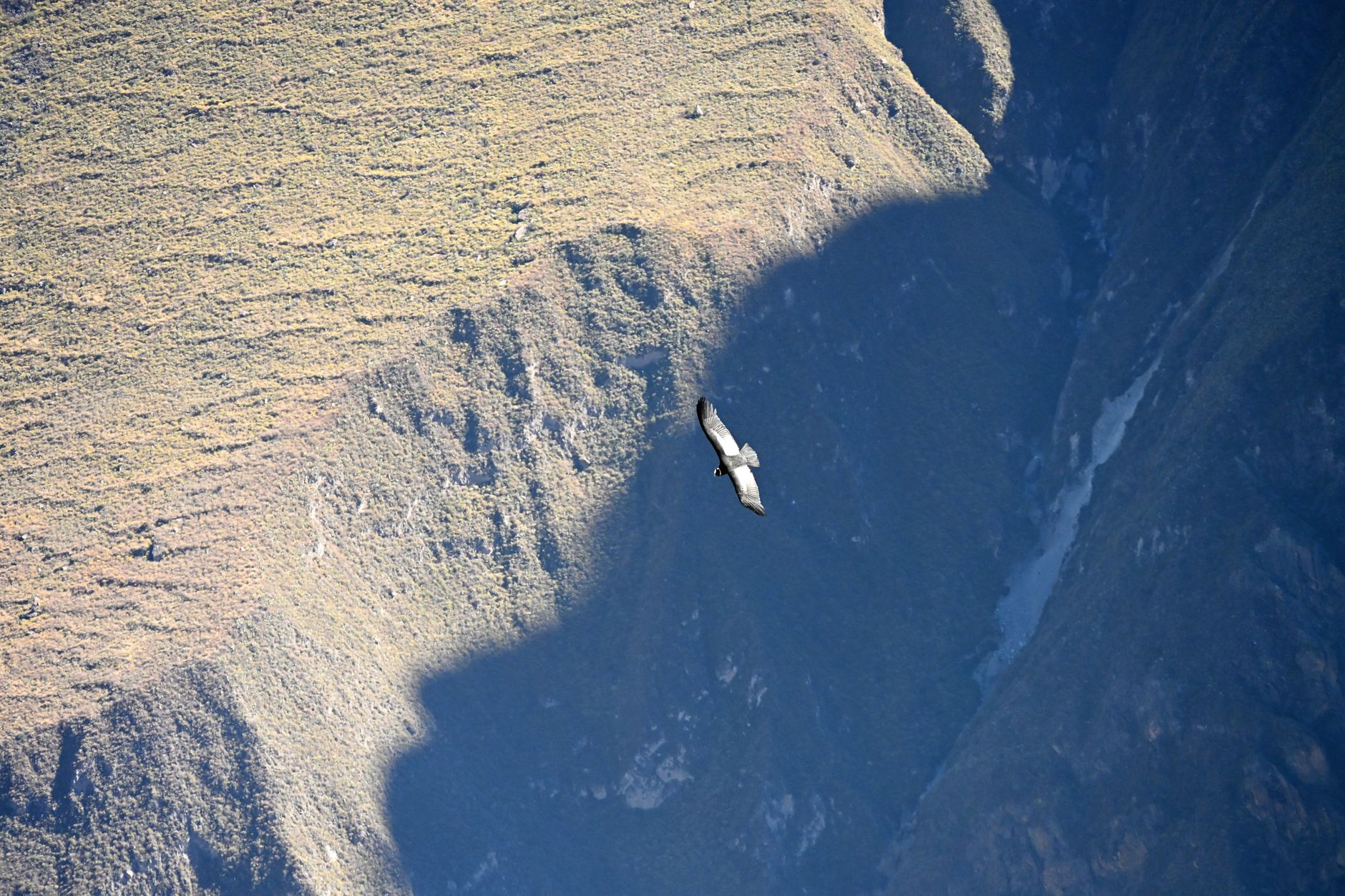
The Cruz del Condor viewpoint on the canyon’s north rim is where most visitors make their first contact with the canyon’s signature draw. Early morning arrivals – typically between 8 and 10 a.m. – coincide with the thermal activity that condors depend on for flight. As the sun warms the canyon walls and air rises from the depths, these enormous birds launch themselves from rocky ledges and begin circling upward in long, effortless arcs. They pass close enough that you can see the finger-like separation of individual wing feathers. Nothing about this feels like a zoo or a managed wildlife encounter. The condors are not trained, not baited, not timed to a schedule. They simply live here, and the thermals simply rise, and the timing works out in your favor if you show up early enough.
What the guidebooks understate is the sheer physical drama of the canyon itself. Standing at Cruz del Condor, the drop below you is so severe that the river at the bottom looks like a thin silver thread. The canyon walls shift from rust to ochre to deep shadow depending on the hour and cloud cover. Condor sightings are the headline, but the geology is the supporting act that refuses to be ignored. On overcast mornings, when the birds are less active, the canyon still commands your full attention.
The villages of Yanque, Chivay, and Maca line the canyon’s upper reaches and offer something Machu Picchu cannot: actual inhabited life. Women in traditional embroidered dress walk to market. Hot spring pools – fed by volcanic activity in the region – operate near Chivay with minimal fanfare. Local festivals tied to the agricultural calendar still run on their own schedule, not a tourist timetable. A traveler willing to stay two or three nights rather than rushing through on a day trip from Arequipa will find a rhythm here that feels genuinely different from the choreographed experience zones that have grown up around Peru’s more famous sites.
Chivay functions as the canyon’s main hub, sitting at around 3,630 meters above sea level. Altitude adjustment is not optional – arriving from Arequipa without acclimatizing first is a reliable way to spend your first afternoon horizontal. Spending a night in Chivay before heading deeper into the canyon is practical advice rather than caution, and the town rewards the pause with local markets, decent dining, and a low-key social scene that operates at Andean pace rather than tourist pressure.
Getting There Without the Tour Group Script
Arequipa is the gateway city, sitting roughly five to six hours by road from Colca Canyon depending on route and stops. Regular bus services connect the two, and private transfers are widely available for travelers who prefer flexibility over price. Flying into Arequipa from Lima takes under two hours and opens up the region without requiring a cross-country overland commitment. The road to the canyon itself climbs through high puna grassland before dropping dramatically into the valley, and the drive is worth treating as part of the experience rather than dead time.
A modest entrance fee applies to most of the canyon’s main viewpoints, pooled into the Cotahuasi-Colca tourism corridor. The fee is enforced at a checkpoint before Cruz del Condor and covers access for multiple days, which is relevant for anyone planning to hike down into the canyon rather than just viewing from the rim.
The Trek Into the Canyon
The two-day hike into Colca Canyon and back out through the oasis of Sangalle is what separates the serious visitors from the drive-by crowd. The descent to the canyon floor takes three to four hours and drops through dramatically shifting vegetation zones. The oasis at the bottom – palm trees, natural pools, a handful of basic lodges – feels genuinely surreal after the arid landscape of the upper canyon. Most hikers spend a night there before making the three-to-four-hour climb back out, ideally timed to beat the midday heat. The ascent is steep and unshaded and earns its reputation.
Guides are available in both Chivay and Cabanaconde, the village nearest the most popular trailheads. Hiring one is not strictly necessary on the main routes but makes a meaningful difference for anyone unfamiliar with Andean altitude hiking. The trails are not technically demanding, but the combination of elevation, sun exposure, and sustained gradient catches travelers off guard with some frequency. Carrying more water than seems necessary is a standing recommendation that rarely gets taken seriously enough.
The canyon’s relative obscurity is partly structural. Machu Picchu benefits from a direct train connection from Cusco, a globally recognized Incan ruin, and decades of concentrated international marketing. Colca has thermals, condors, and canyon depth. The trade-off is real: getting here requires more initiative, and the experience rewards exactly that. Travelers arriving via less-trafficked routes consistently find that the logistics gap between a famous site and a merely excellent one is often smaller than it appears from a distance.
The condors do not care about the comparison to Machu Picchu. On a clear morning at Cruz del Condor, when a bird with a three-meter wingspan rides a thermal to eye level and banks slowly past without a single wingbeat, the question of which Peruvian destination deserves more coverage becomes genuinely difficult to take seriously.