
Philippines’ Batanes Islands Quietly Rival Palawan for Wind-Swept Wanderers

Where the Wind Actually Blows
Palawan gets the magazine covers. It gets the drone footage, the resort launches, the breathless travel listicles. Batanes, the northernmost province of the Philippines, gets the wind – a near-constant, salt-heavy gale that rolls in from the Pacific and the South China Sea simultaneously, shaping everything from the island’s low-slung stone houses to the temperament of the people who build them. The two destinations share a country but almost nothing else, and for a specific type of traveler, that distinction matters enormously.
Batanes sits roughly 200 kilometers north of mainland Luzon, closer geographically to Taiwan than to Manila. The province covers ten small islands, only three of which are inhabited: Batan, Sabtang, and Itbayat. Getting there requires a flight from Manila or Tuguegarao, and those flights cancel with some regularity when weather turns. That logistical friction is, depending on your perspective, either the destination’s biggest flaw or its most reliable filter.
Stone Houses and the Ivatan Way
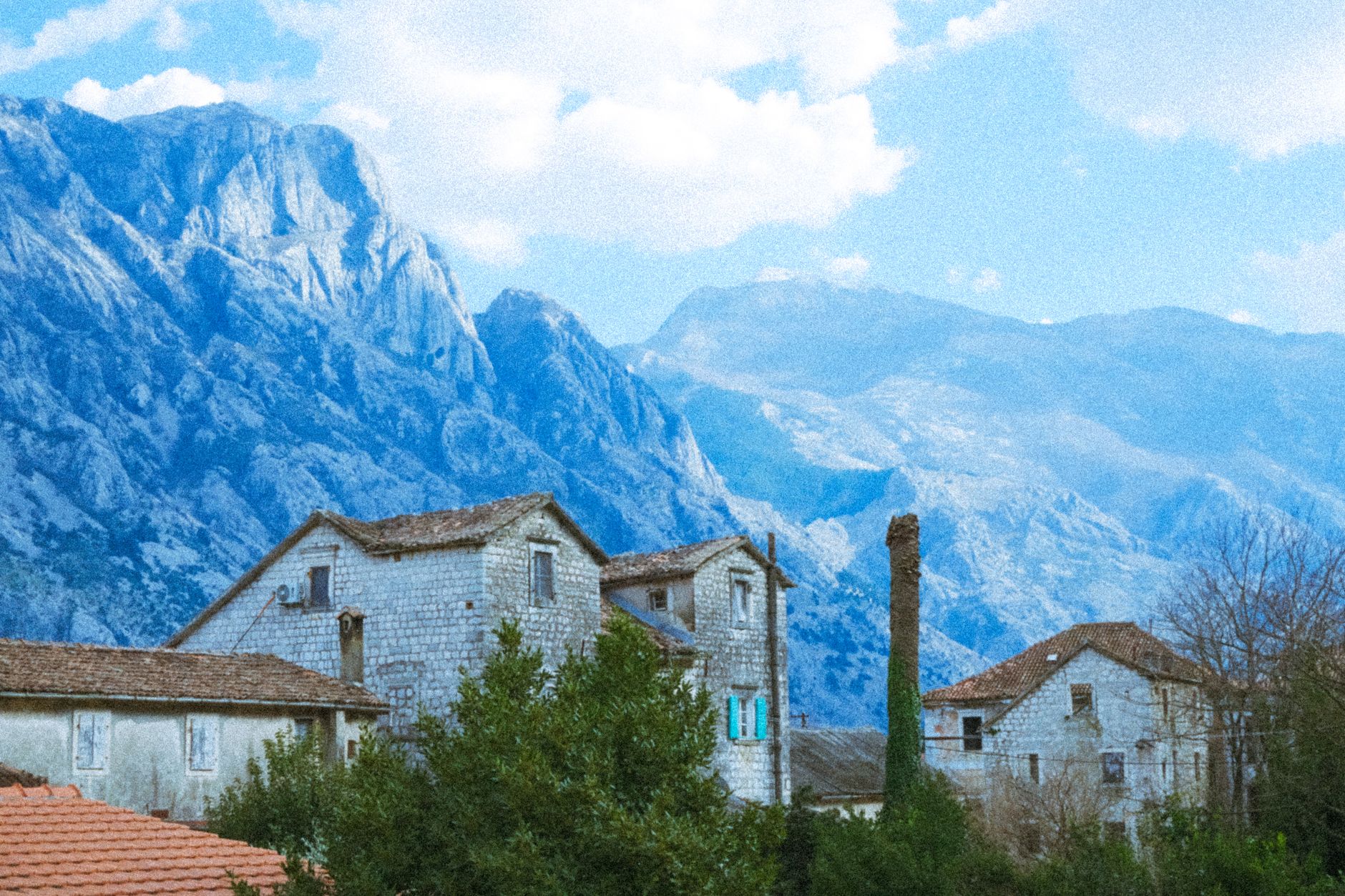
The Ivatan people have lived in Batanes for centuries, and their architecture is the most immediate proof of adaptation under pressure. Traditional Ivatan homes are built from limestone and cogon grass, with walls thick enough to absorb typhoon-force winds. The result looks nothing like conventional Filipino vernacular architecture – the houses sit low and compact, almost hunkered into the hillside, as if they grew from the ground rather than were placed on it. Walking through Sabtang’s villages, particularly Chavayan and Savidug, feels less like touring a heritage site and more like stepping into a settlement that has simply refused to be updated.
This is not a destination that performs its culture for visitors. The rolling hills of Batan – covered in a shade of green that shifts dramatically with cloud cover – are used for cattle grazing, not photo backdrops. Fishermen on Sabtang still use the traditional vakul, a helmet-shaped headgear woven from palm leaves, because it works against the spray and sun, not because it photographs well. The distinction is worth dwelling on: Batanes offers authenticity not as a brand promise but as a side effect of geographic isolation.
The landscape itself is frequently compared to the Irish countryside or the Scottish Highlands – a comparison that surprises visitors who arrive expecting tropical Philippines. Dramatic cliffs drop into churning water. Lighthouses stand on headlands with no competing structures in any direction. The famous Marlboro Country viewpoint on Batan, whatever one thinks of its nickname, delivers a panoramic sweep of terraced hills and coastline that has no real equivalent elsewhere in the Philippine archipelago.
Against the Palawan Comparison
Framing Batanes as a Palawan rival is useful shorthand, but it flattens the actual choice. Palawan – particularly El Nido and Coron – is a beach destination built around limestone karst formations, turquoise lagoons, and dive sites. It rewards sun, stillness, and clear water. Batanes rewards movement, gray skies, and a willingness to get cold. These are not competing versions of the same experience; they are structurally different trips for structurally different moods.
What Batanes shares with Palawan is the sense of traveling to a place that exists on its own terms. Both destinations have largely avoided the resort-corridor development pattern that has overtaken parts of Southeast Asia. In Batanes, this is partly due to the difficulty of construction in a typhoon corridor, and partly due to strict heritage protections that limit what can be built near the province’s recognized cultural landscape. The Philippines’ National Cultural Heritage Act has teeth in Batanes in a way it doesn’t always in other provinces.
Practical Realities for the Actual Trip
The weather window for Batanes runs roughly from March through June, before the typhoon season that dominates the second half of the year. Traveling outside that window is possible but carries real risk of stranded days when flights ground. Travelers who build in buffer nights – either at origin or on the islands – report far less stress than those who arrive with tight connections back to Manila.
Accommodation is small-scale by design. The island runs on homestays and locally owned guesthouses rather than branded hotels. This keeps the overnight cost low relative to comparable remote destinations in Southeast Asia, though the trade-off is limited availability during peak months. Booking two to three months ahead for March-to-May travel is standard practice, not a precaution – rooms fill because the inventory is genuinely small.
Getting around the islands requires motorcycles or hired tricycles on Batan, and a combination of boat and walking on Sabtang. Itbayat, the largest but least-visited island, is reachable only by small boat when seas allow – which is not always. This is the island that most serious Batanes travelers want to reach eventually, precisely because its inaccessibility has kept it closest to its original state. The population has been declining for decades as younger Ivatans move to Batan or Manila for work, and the emptiness of Itbayat’s interior is both beautiful and a little unnerving.
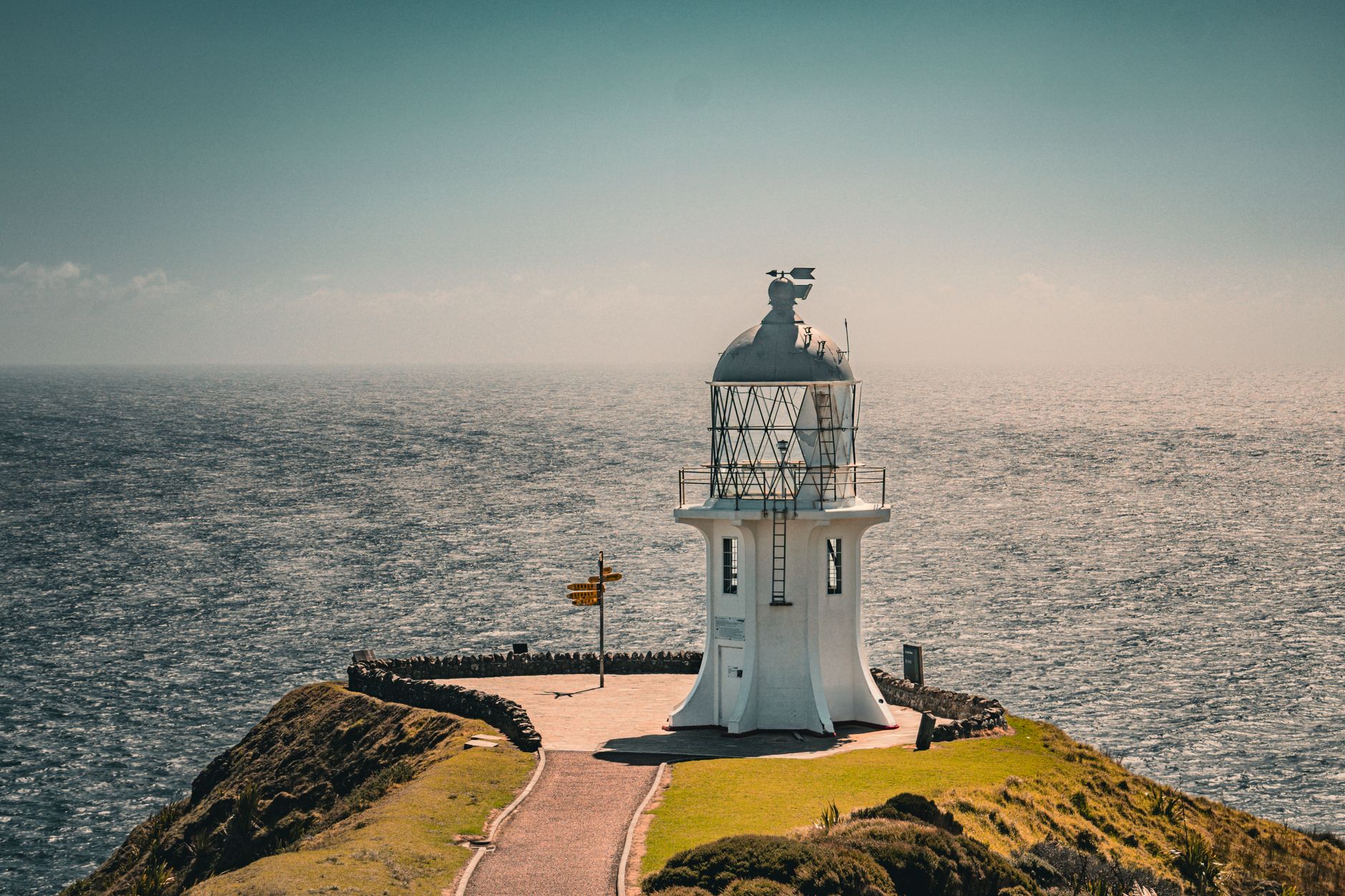
A single paved road circles Sabtang island. Riding it takes under an hour. Stopping at every viewpoint, every village entrance, every cliff edge where the Pacific is audible before it’s visible – that takes the full day, and the day still feels short. Batanes doesn’t demand your itinerary be complicated. It demands only that you show up unhurried, which is a harder requirement than it sounds for most travelers arriving from Manila’s airport chaos. The island’s pace is not curated slow travel – it’s just slow, because the wind and the sea and the people who live with both of them have never needed it to be anything else.
Frequently Asked Questions
When is the best time to visit Batanes Islands?
March through June offers the most stable flying weather before typhoon season. Traveling outside this window risks flight cancellations and extended delays.
How do you get to Batanes from Manila?
Direct flights from Manila to Basco airport on Batan Island are available, though limited. Connecting through Tuguegarao is a common alternative when Manila flights are full or cancelled.