Romania’s Apuseni Mountains Quietly Rival Transylvania for Cave Wanderers

Where Transylvania’s Shadow Falls Short
Transylvania gets the gothic postcards, the castle tours, the vampire mythology sold on refrigerator magnets at every airport kiosk between Bucharest and Cluj-Napoca. It earns its attention. But roughly 100 kilometers to the west, the Apuseni Mountains have been quietly accumulating something that Bran Castle cannot offer: an underground world so dense with caves, karst formations, and ancient river systems that speleologists have spent decades mapping it without reaching the end.
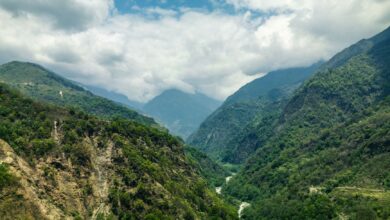
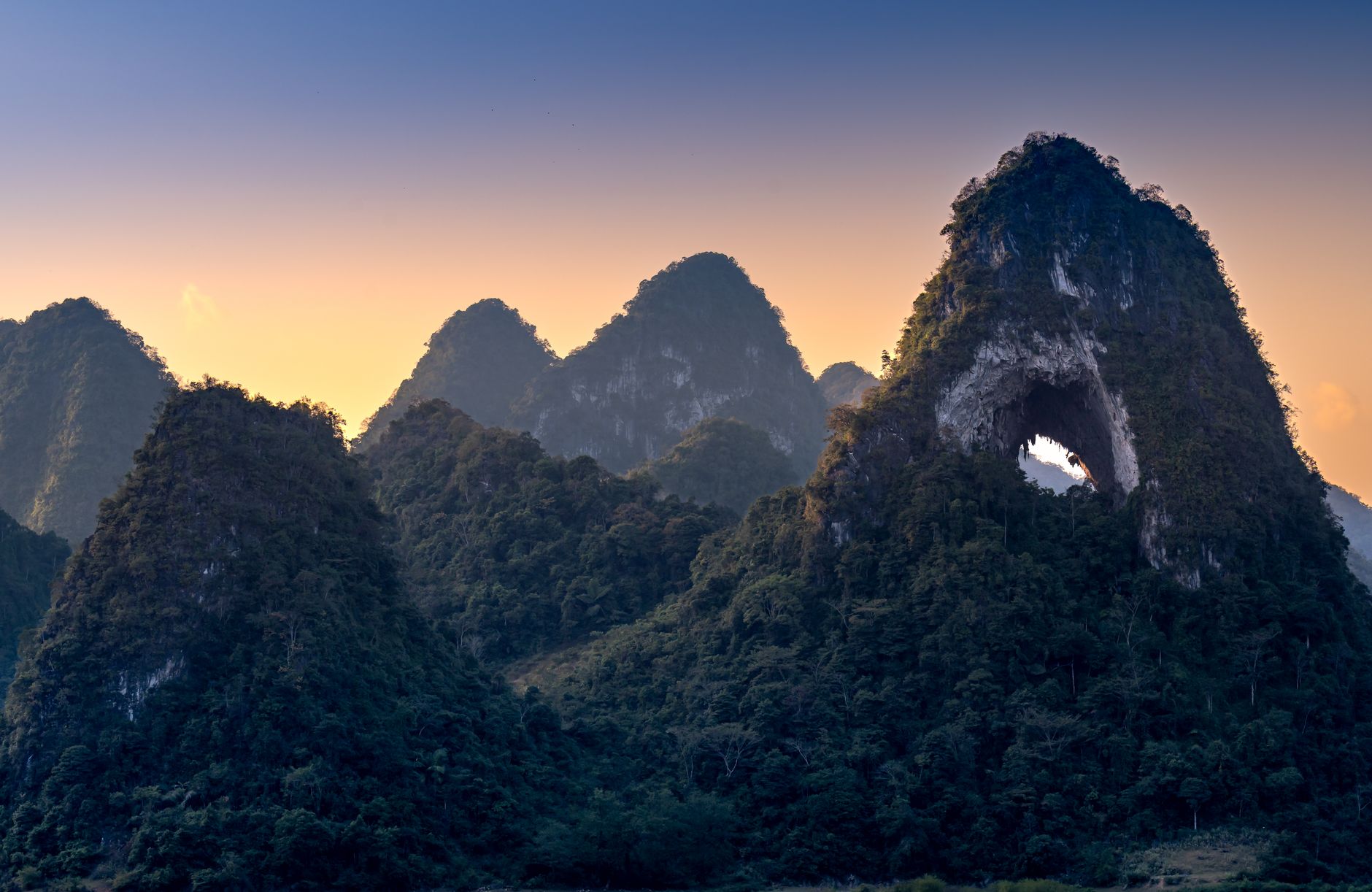
The Apuseni range sits within the larger Carpathian arc but operates by its own geological logic. Limestone plateaus, carved over millions of years by water working through fractures in the rock, have produced a landscape where the surface is almost secondary. More than 3,500 caves have been catalogued in the region – some accessible to casual visitors, others reserved for technical climbers carrying ropes and headlamps. For travelers who want to go underground instead of simply looking at towers from the outside, this is a different category of destination entirely.
The Caves That Define the Region
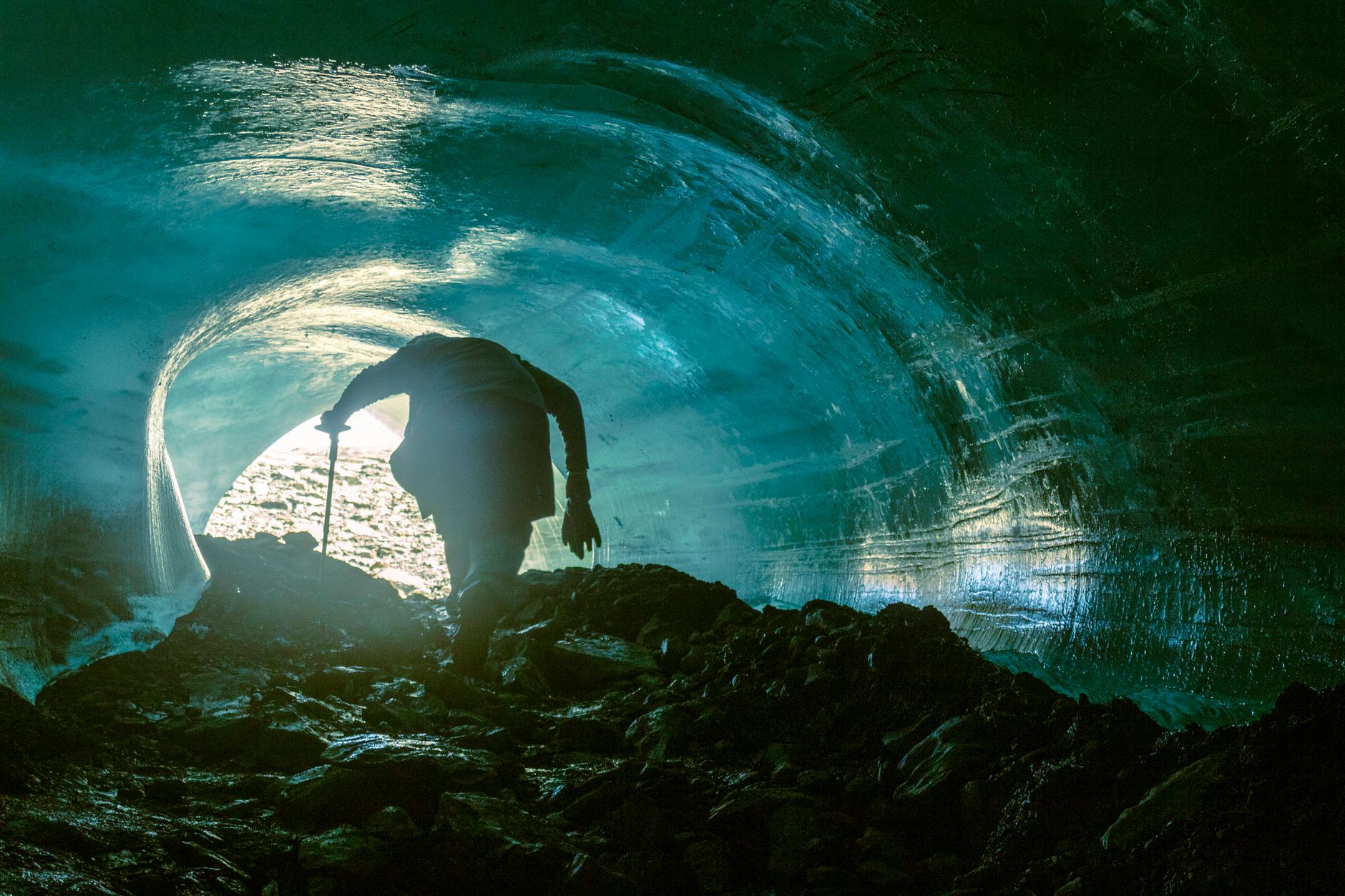
Scarisoara Cave holds the oldest known underground glacier in the world still in active existence. It sits roughly 1,000 meters above sea level inside the mountain, and the ice block at its core – estimated at around 3,500 years old – has been studied by climate researchers for what it reveals about historical temperature patterns across central Europe. Visitors who descend the wooden staircase into the main chamber feel the temperature drop before they see the ice itself, a wall of blue-white formation that catches torchlight in ways that photographs rarely capture accurately.
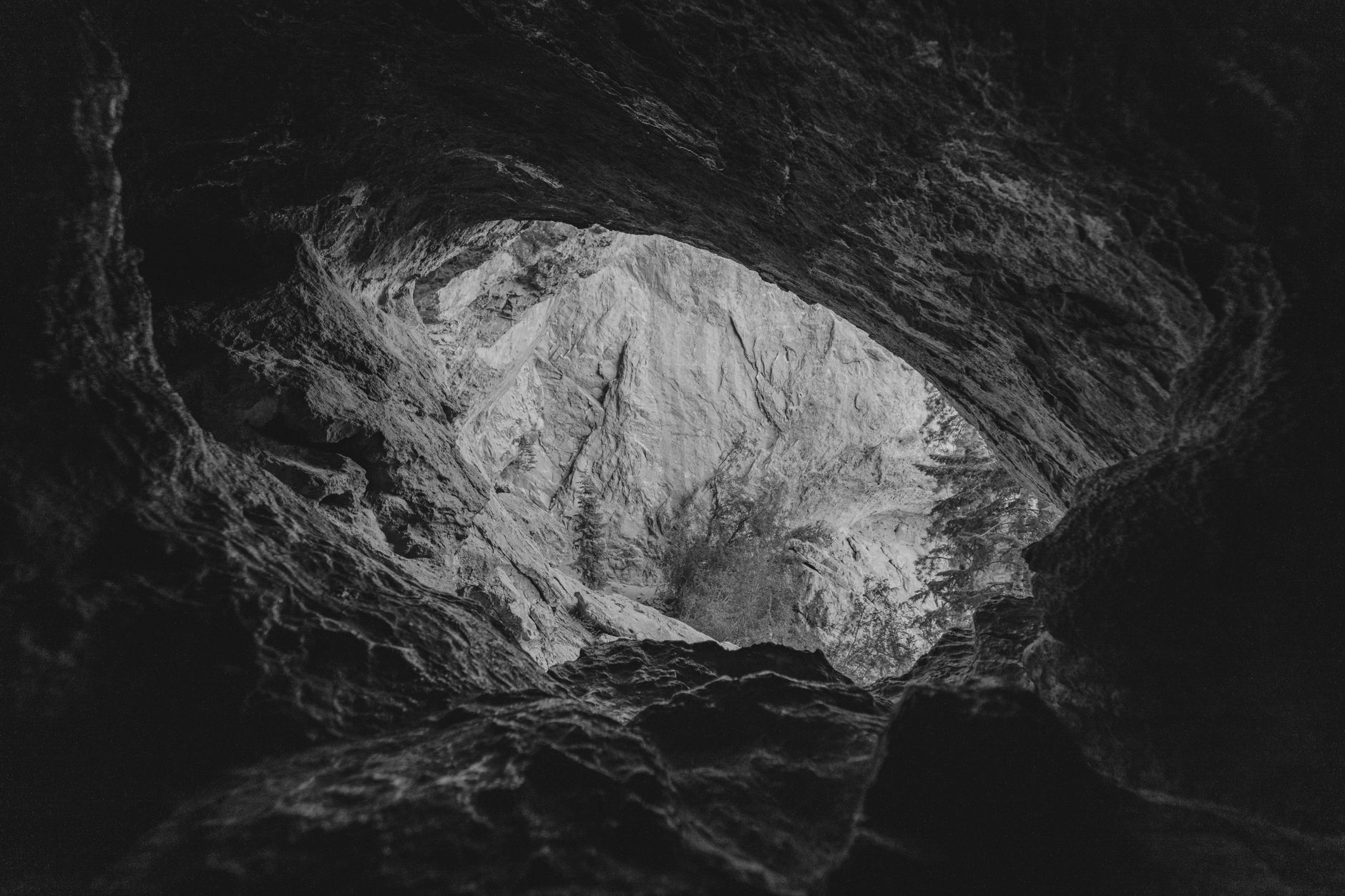
Meziad Cave, near the town of Stei, runs for over four kilometers of explored passage, with a main gallery tall enough to walk through without crouching. Brown bears reportedly used the cave entrance as a winter shelter for generations – the local knowledge around that detail predates any formal tourism infrastructure by centuries. Bear Cave, known locally as Pestera Ursilor, sits further north near Chiscau and takes its name from the Ursus spelaeus fossils found embedded in its floor. The cave was discovered by quarry workers in 1975 and opened to visitors within a few years, making it one of the more accessible entry points for travelers without caving experience.
What separates the Apuseni cave network from similar destinations in Slovenia or Hungary is the sheer variety of experience levels it accommodates. Scarisoara and Bear Cave function as comfortable tourist circuits with lighting, pathways, and guided tours available in multiple languages. But within a short drive, technical cave systems like Vantului – one of the longest in Romania – require full gear and prior experience. The range means a single itinerary can serve both a family with children and a serious speleologist without either group running out of options.
The Surface That Connects Everything
Between cave entrances, the Apuseni Mountains offer a surface landscape that functions as its own argument for the trip. The Padis plateau, a high karst tableland, sits at roughly 1,200 meters and contains dolinas – natural sinkholes formed by collapsed cave ceilings – scattered across the meadow like craters on a quiet moon. Hiking trails cross between them, and the effect of walking through open alpine grass interrupted by sudden drops into darkness is genuinely strange in the best possible way. Some dolinas are shallow enough to peer into; others descend out of sight.
Villages throughout the region – Rimetea, Arieseni, Garda de Sus – have maintained traditional stone and timber architecture without the pressure of mass tourism that has reshaped other corners of Romania. Accommodation tends to run toward family-run guesthouses called pensiuni, where breakfasts involve local cheese, smoked meats, and bread baked the same morning. The food is not a selling point invented for travelers; it is what the region eats, and visitors eat it alongside the locals who farm the valley floors.
Getting There and Planning Practically
Cluj-Napoca is the most practical gateway, with direct flights from several major European hubs and a functioning rail connection to Bucharest. From Cluj, the Apuseni Mountains are accessible by car in under two hours, with most of the significant cave sites reachable via paved roads. Public transport exists but runs infrequently – a rental car removes the guesswork and opens access to smaller sites that buses simply do not serve.
The best visiting window runs from late April through October. Scarisoara Cave maintains its ice best in cooler months, and some guides recommend the early morning visit before afternoon tour groups arrive, though the site remains manageable even at peak summer. Bear Cave keeps a consistent nine-degree temperature year-round regardless of season, which means light layers are worth packing even on a July afternoon.
Romanian language skills are not required but any effort – a handful of phrases, a willingness to point at a menu and nod – is received warmly in villages where English fluency is less common than in Bucharest or Cluj. Guides for technical caving can be arranged through the Romanian Speleological Federation, which maintains contacts with local clubs throughout the Apuseni area. Independent travelers who show up without arrangements often find that cave-adjacent guesthouses can make introductions, particularly in the Padis and Garda de Sus areas.
Entry fees for the major caves remain low by Western European standards – Bear Cave and Scarisoara both charge under ten euros for general admission, with guided tours included. For travelers who find that Greece’s Zagori villages offer a similar pull toward landscape-first, crowd-light destinations, the Apuseni operate on a comparable logic: the infrastructure is there, the access is genuine, and the tourism economy has not yet overtaken the experience it is meant to serve. The cave entrance at Scarisoara requires a descent of about 48 meters on wooden stairs before the glacier becomes visible – and the cold hits at roughly the halfway point, well before most visitors expect it.