
The Other Primate Trek Africa Isn’t Talking About Enough
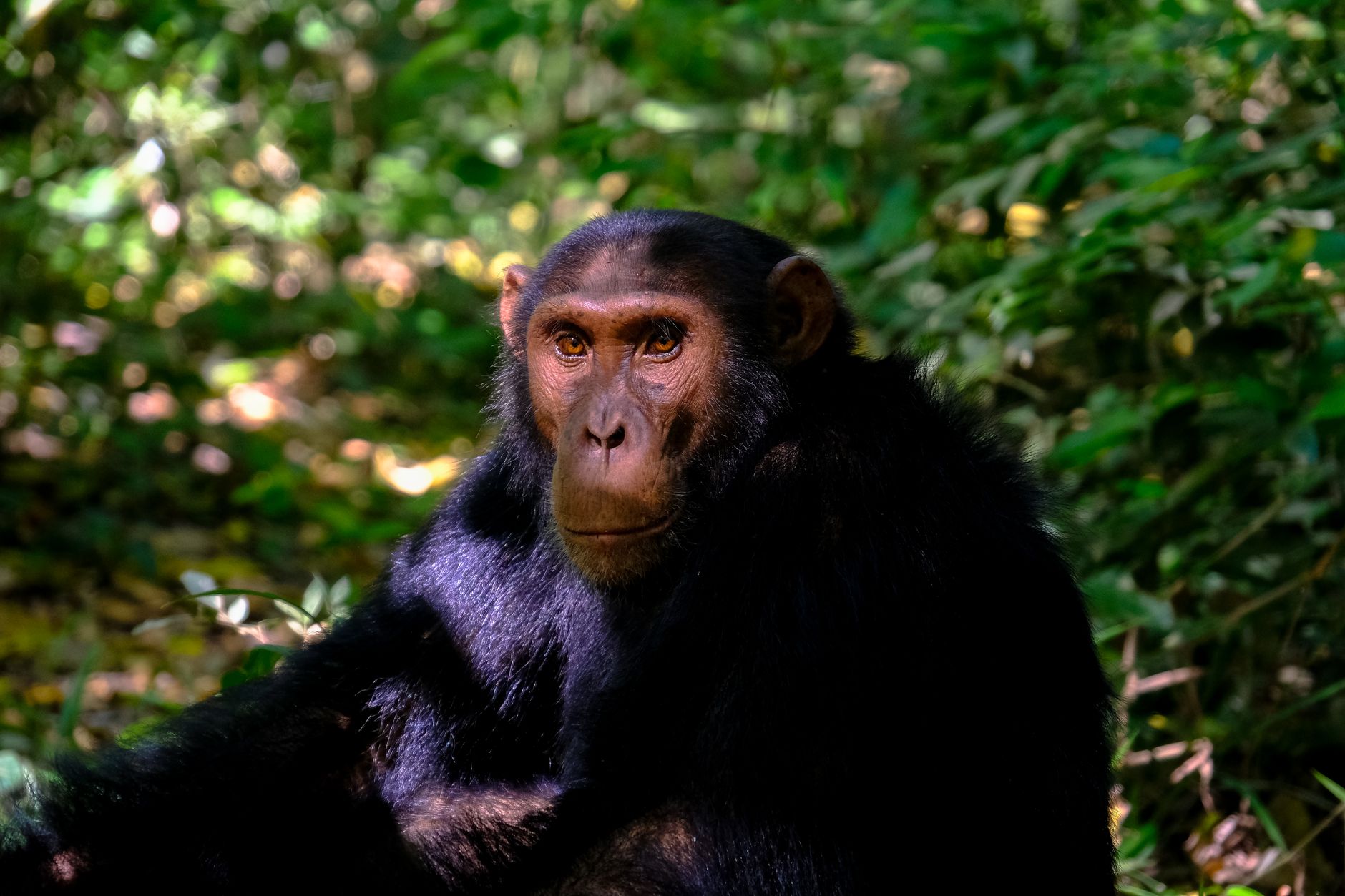
Uganda’s Bwindi Impenetrable Forest gets the gorilla headlines, and Kibale National Park gets the chimpanzee crowds. But tucked into Rwanda’s southwestern corner, Nyungwe Forest National Park has been running a chimpanzee trekking program that quietly outperforms its more famous neighbors on several counts – and most travelers still don’t know it exists.
What Makes Nyungwe Different
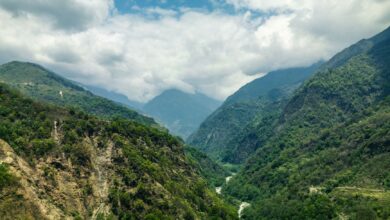
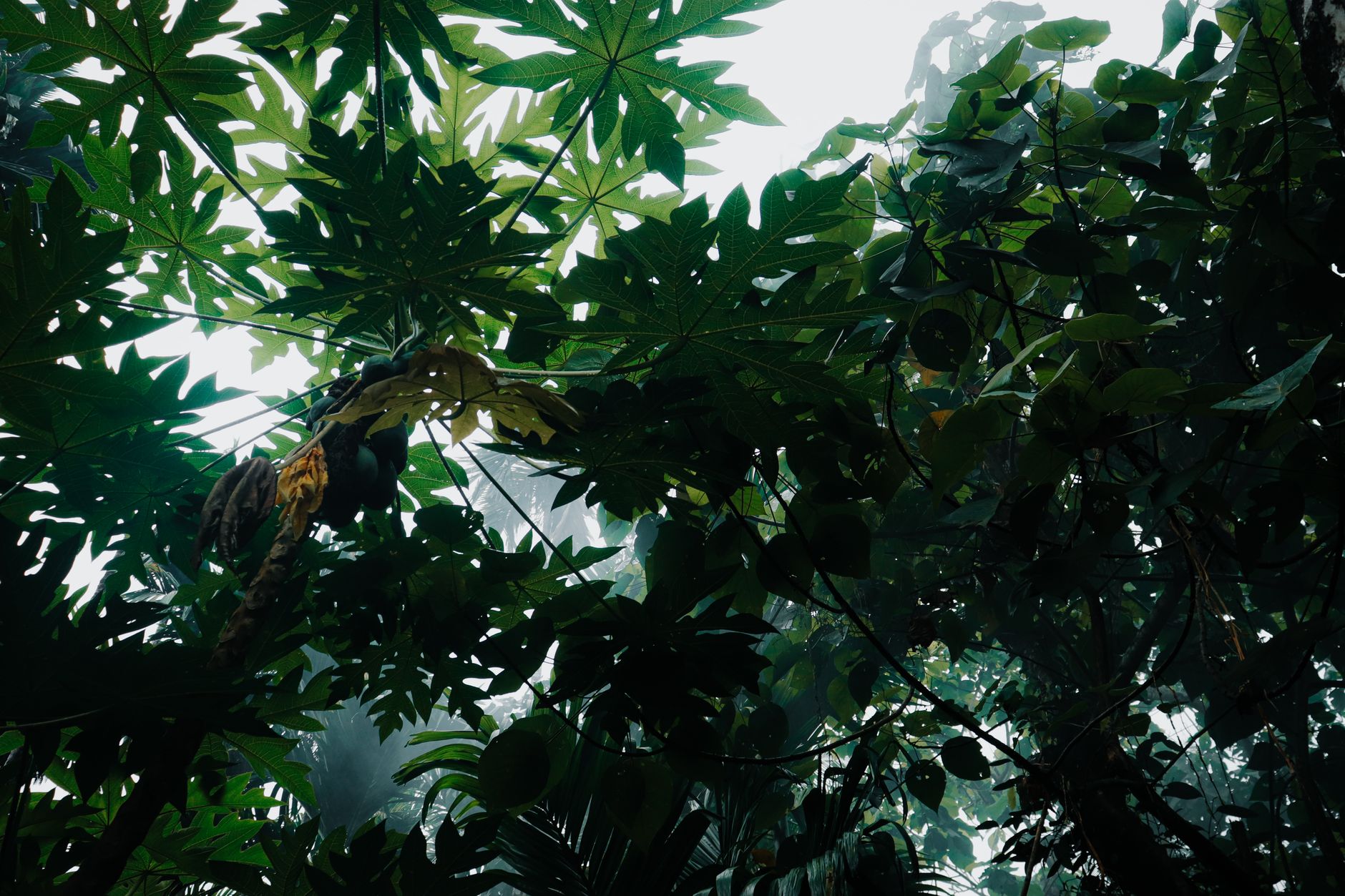
Nyungwe covers roughly 1,019 square kilometers of montane rainforest, making it one of the largest intact ancient forests in Central Africa. The canopy stretches unbroken across ridgelines that rise above 2,950 meters, creating a microclimate dense enough to support over 13 primate species in a single park. Chimpanzees are the headline act, but colobus monkeys, L’Hoest’s monkeys, and the rare grey-cheeked mangabey share the same trails. On any given trek, it is entirely possible to encounter three or four primate species before reaching the chimpanzee troop.
The forest itself operates on a different scale from Uganda’s Kibale. Kibale is excellent – dense, reliable, and well-managed – but it draws high visitor numbers that can make the experience feel scheduled. Nyungwe, by contrast, has maintained stricter daily permit limits, which means the treks feel genuinely exploratory rather than managed. There is no guarantee of a sighting on any given day, and that uncertainty is exactly the point. The forest rewards patience over planning.
Rwanda’s park authority has also invested heavily in habituation – the long-term process of conditioning wild chimps to accept human presence without altering their behavior. The Cyamudongo Forest, a satellite section of Nyungwe, hosts a fully habituated chimpanzee community that researchers have been monitoring for years. Trekkers who visit Cyamudongo are following animals that barely register human observers, which produces a quality of encounter that feels less like wildlife tourism and more like fieldwork. The chimps move, forage, and interact on their own terms.
Access is arguably where Rwanda pulls ahead most clearly. Kigali International Airport is one of the best-connected hubs in East Africa, with direct routes from European and Middle Eastern transit points that reduce total travel time considerably. The drive from Kigali to Nyungwe takes roughly five to six hours, and the road through Rwanda’s tea country is one of the more scenic drives on the continent. Travelers who have already committed to Rwanda for gorilla trekking in Volcanoes National Park can add Nyungwe as a logical extension rather than a separate trip.
The Practical Reality of Booking a Trek
Permit prices in Rwanda are lower than Uganda’s chimpanzee trekking fees, which currently sit well above the $200 mark per person. Rwanda’s chimpanzee permits have historically come in under that threshold, though pricing is subject to seasonal adjustment and it is worth verifying current rates directly through the Rwanda Development Board before booking. The cost gap is not enormous, but for travelers running multi-country itineraries, it adds up across a family or group.
Accommodation around Nyungwe has improved substantially over the past several years. The park perimeter now includes a handful of lodges positioned directly on the forest edge – some with canopy walkways that double as early morning birding platforms before the trek even begins. The canopy walk at Uwinka is worth treating as its own activity. Suspended 70 meters above the forest floor across a series of rope bridges, it provides an aerial perspective on the forest structure that ground-level trekking simply cannot replicate.
The trekking itself requires moderate fitness. The terrain is steep in places, the altitude is real, and rain is a permanent possibility. Morning departures are standard – usually before 8 a.m. – and guides track the previous day’s chimp troop location to establish a starting point. From there, the route follows the chimps rather than a fixed trail, which means the physical demands vary wildly from day to day. A trek that covers three kilometers of flat ridgeline one morning might require a descent into a steep ravine the next.
Birding in Nyungwe runs parallel to the primate experience rather than competing with it. The forest holds over 300 bird species, including 29 that are endemic to the Albertine Rift. The Rwenzori turaco and the African green broadbill are both present, and serious birders have been quietly treating Nyungwe as a primary destination for years while the wider travel press focused on gorilla permits. A growing number of tour operators now structure combined chimp-and-birding itineraries that move through Nyungwe over four to five days, covering different elevation zones where species composition shifts noticeably.
The rainy seasons – mid-March through May, and shorter rains in November – affect trail conditions but do not necessarily reduce sighting success. Chimps remain active through rain, and the forest takes on a different visual quality when low cloud sits in the valleys. Some travelers deliberately book during shoulder seasons to avoid the peak dry-season crowds, which are never overwhelming in Nyungwe but do concentrate around June through September and December through February.
Why Rwanda Hasn’t Overtaken Uganda Yet
Uganda’s chimpanzee reputation runs deep, built over decades of research attention and a travel infrastructure that has matured around Kibale and Queen Elizabeth National Park. Rwanda’s gorilla program absorbed most of the country’s wildlife tourism marketing investment, leaving Nyungwe to develop a following largely through word of mouth among repeat East Africa travelers. That is starting to shift as multi-destination itineraries become more common, but Nyungwe still lacks the name recognition that fills permit slots months in advance.

The practical consequence for travelers is a window of accessibility that may not stay open indefinitely. Permits that are currently bookable within weeks could become harder to secure as the destination grows. Anyone considering a chimp trek in East Africa and willing to build an itinerary around Rwanda rather than defaulting to Uganda should pay attention now – before Nyungwe starts requiring the same advance planning as a Bwindi gorilla permit.