
A Forest That Plays Second Fiddle to No One
Rwanda’s reputation for wildlife draws most visitors straight to Volcanoes National Park, where mountain gorilla permits command global headlines and waiting lists stretch months. Nyungwe Forest National Park, sitting quietly in the country’s southwestern corner along the Congolese border, has spent years in that shadow. That may be the best thing that ever happened to it.
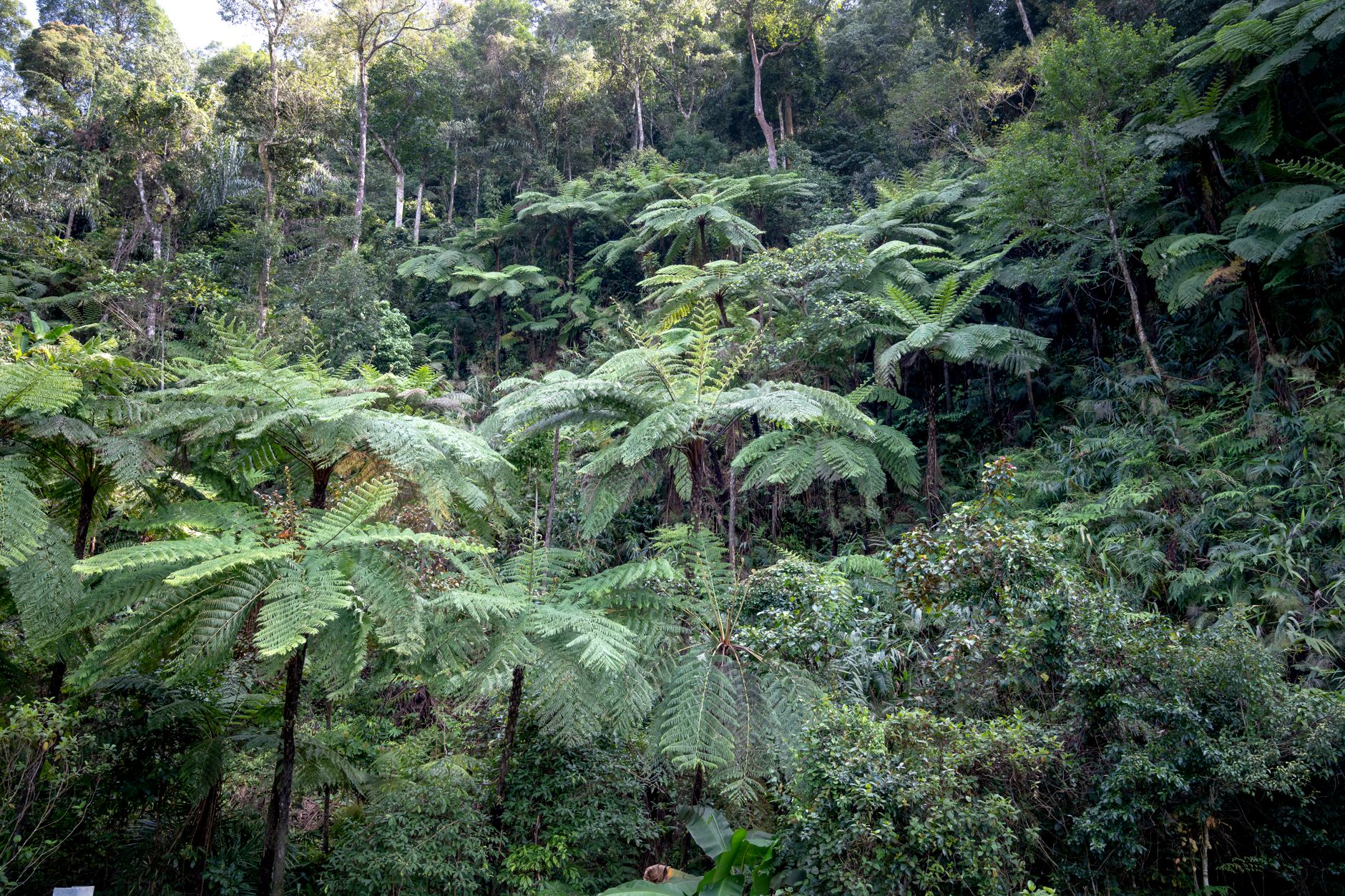
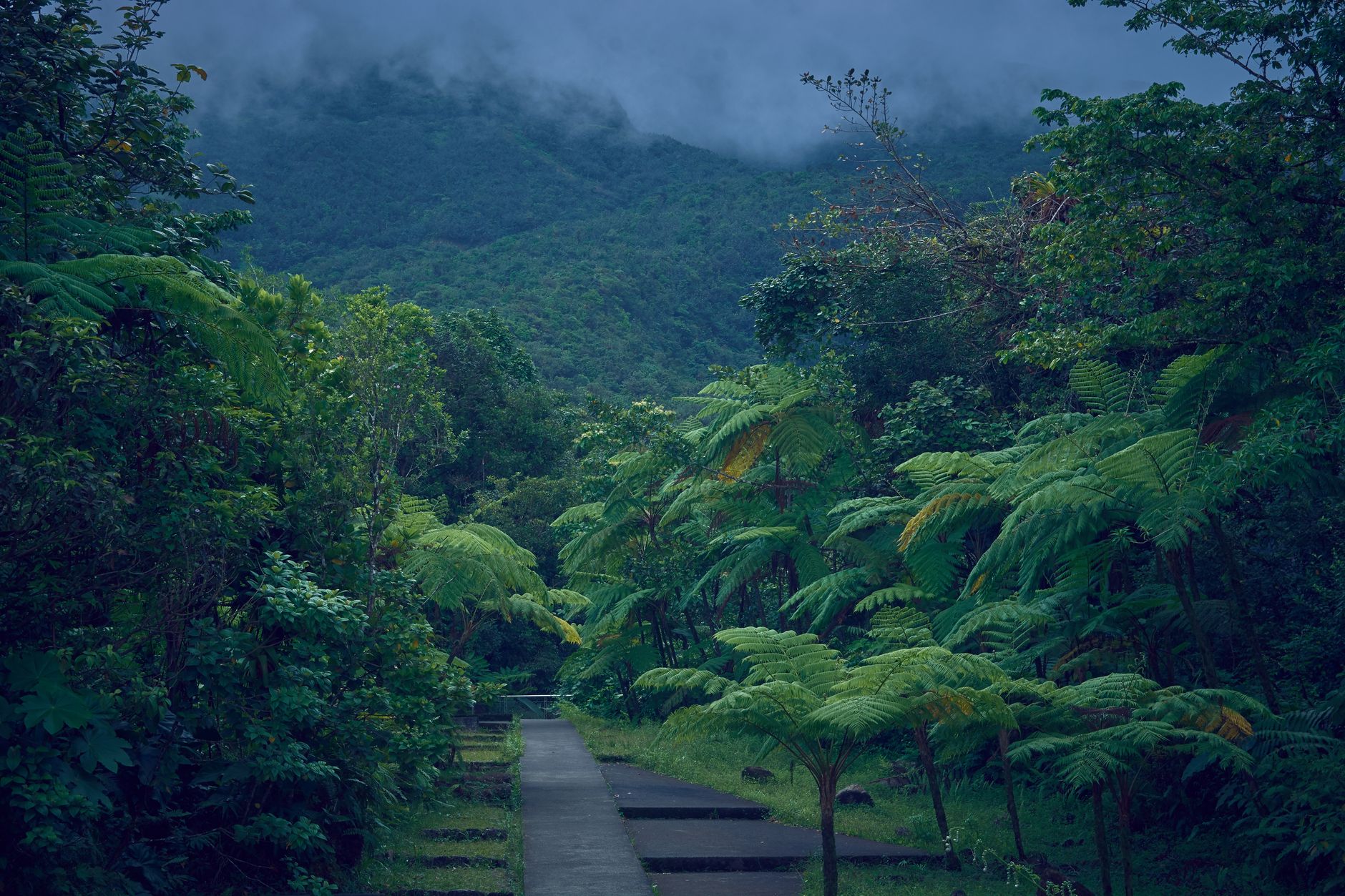
Covering roughly 1,020 square kilometers of montane rainforest, Nyungwe is one of Africa’s oldest and largest intact forest ecosystems. It holds more primate species than anywhere else in East Africa, hosts over 300 bird species, and sits at elevations reaching 2,950 meters above sea level. For travelers who want the intensity of Rwandan wildlife without the premium price tag and logistical pressure of gorilla country, Nyungwe offers something increasingly rare: genuine wilderness with working infrastructure around it.
The Canopy Walk That Changes the Equation
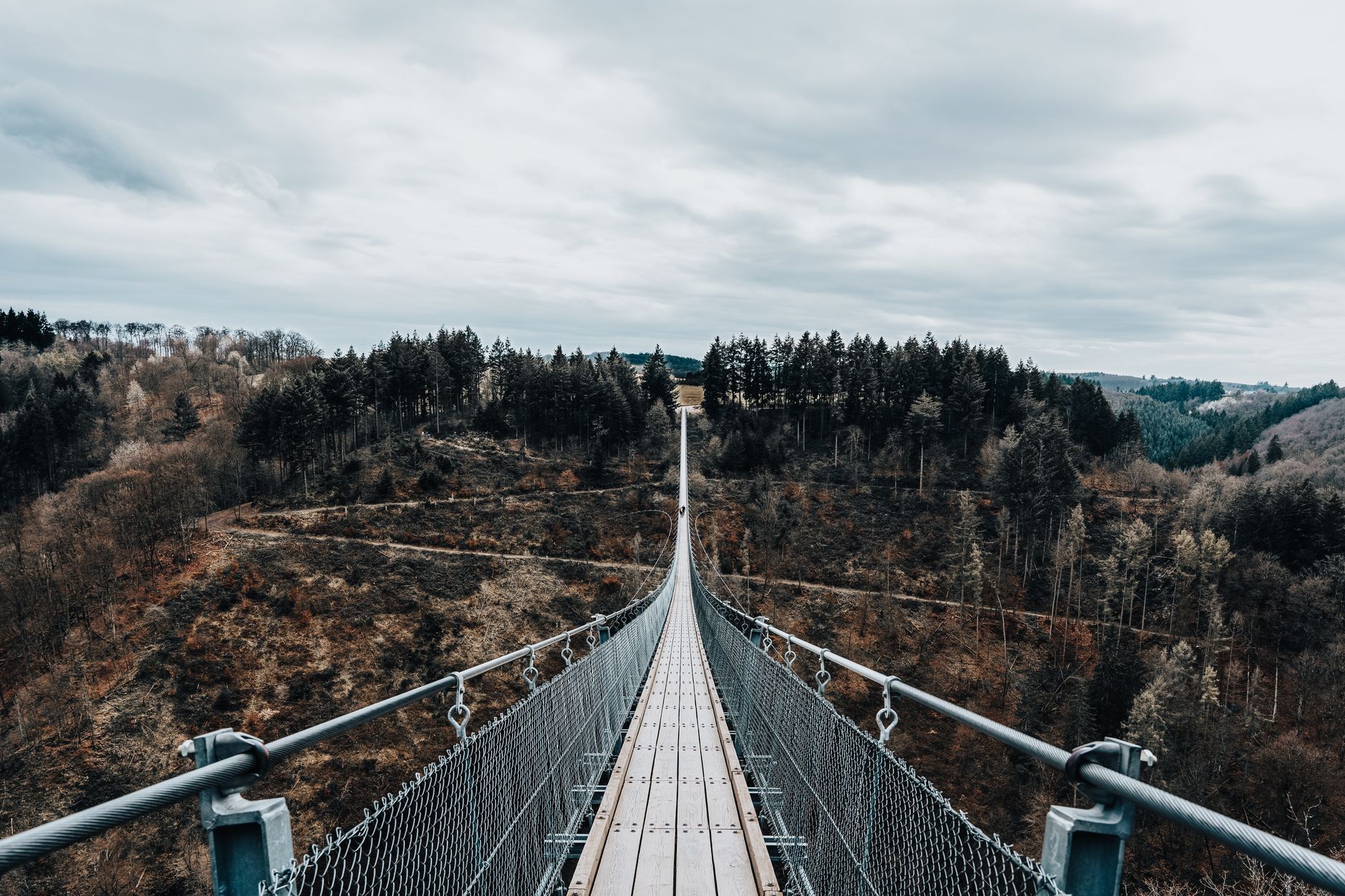
The park’s suspension bridge canopy walkway is the single experience most responsible for putting Nyungwe on the itinerary of travelers who would otherwise skip it entirely. Stretched between giant Hagenia trees at roughly 50 meters above the forest floor, the walkway delivers a perspective on the forest that ground-level trails simply cannot replicate. On a clear morning, the canopy stretches toward the Congolese highlands and mist moves through the treetops in layers. It is genuinely disorienting in the best possible way.
What makes the canopy walk more than a photo opportunity is the context around it. The Uwinka trail system leading to the bridge passes through some of the park’s densest vegetation, where colobus monkeys move in large troops through the branches overhead. Seeing a troop of several hundred black-and-white colobus from above, rather than craning upward from a muddy path, reframes the entire experience. This is the practical argument for the walkway that the park’s literature undersells: it is not just a viewpoint, it is a different entry point into the ecosystem altogether.
The trail system radiating out from Uwinka visitor center also gives hikers genuine flexibility in how they experience the forest. Routes range from two-hour loops to full-day descents into the valley network. The longer trails are physically demanding – Nyungwe does not flatten itself out for casual visitors – but the reward is consistent wildlife activity throughout rather than at designated viewing spots. Chimpanzee habituation experiences operate separately from the main trail system and require advance booking, but even without them the primate density along the standard routes is high enough to keep any wildlife-focused traveler occupied.
The bird life operates at a level that draws dedicated birders from across the continent. Albertine Rift endemics like the Ruwenzori turaco and the handsome francolin show up with enough regularity that an experienced guide can deliver sightings most mornings. The forest is also one of the few accessible locations in the region for the African green broadbill, a species that inspires serious detours from serious birders. For anyone traveling Rwanda with a dual interest in primates and birds, Nyungwe solves both problems simultaneously in a way Volcanoes Park cannot.
Getting There Without a Full Safari Budget
The road south from Kigali to Nyungwe runs through tea country, and the drive itself – roughly four to five hours depending on traffic and stops – is worth treating as part of the experience rather than dead time. The road climbs through terraced hillsides, drops into valleys, and arrives at the forest edge with enough drama to set the tone before a single trail begins. Public transport connects Kigali to the town of Nyungwe via Huye, and shared taxis run this route daily. Budget travelers have been using this option for years without much public attention to it.
Accommodation options inside and adjacent to the park have expanded enough to cover a wide range of travel styles. The park has its own bandas – simple but functional – managed through Rwanda Development Board, and several lodges have built operations on the forest edge catering to mid-range and luxury travelers. Critically, none of the accommodation within or near Nyungwe carries the price pressure of the properties near Volcanoes Park, where proximity to gorillas inflates rates across the board. The value ratio in Nyungwe leans meaningfully in the traveler’s favor.
The Comparison With Volcanoes That Actually Matters
Comparing Nyungwe to Volcanoes National Park is only useful if the comparison focuses on experience rather than species. Gorilla trekking is singular, and Nyungwe does not offer it. What Nyungwe offers instead is sustained immersion over multiple days rather than a single high-stakes morning. A traveler who spends three days in Nyungwe will cover more terrain, encounter more species diversity, and spend more actual hours in meaningful contact with the ecosystem than the typical two-day gorilla permit structure allows.
The crowd dynamic is also worth considering plainly. Volcanoes Park operates under strict daily visitor limits for gorilla groups, but the infrastructure around it – the lodges, the roads, the tour vehicles – reflects the volume of international interest the park generates. Nyungwe receives a fraction of that traffic. Trail encounters with other visitors are uncommon enough that solitude on the longer routes is a reasonable expectation rather than a lucky exception. For travelers who find that solitude is itself part of what they are paying for, this distinction is significant.
Rwanda as a destination rewards travelers who look past the obvious draw. The country is small enough to combine both parks in a single trip without logistical strain – Kigali sits roughly equidistant between them – and the contrast between the two ecosystems makes the combination genuinely complementary rather than repetitive. The volcanic north and the ancient montane south are ecologically distinct enough that visiting both feels like visiting two different countries within the same compact geography. The question for anyone already committed to Rwanda is not really whether Nyungwe is worth it. The question is whether three days there or five days there makes more sense once you look at the trail map.
Nyungwe also serves as a logical anchor for travelers moving between Rwanda and other undervisited jungle destinations across East and Central Africa, where the pattern of overlooked forests outperforming famous neighbors tends to repeat itself. The canopy walkway at Nyungwe opens daily at 7 a.m., and the guide at the trailhead will tell you the colobus troops are usually moving by 7:30.