
The Other Rwanda
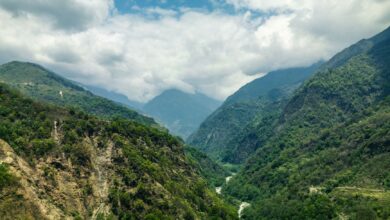
Volcanoes National Park gets the headlines, the Instagram posts, and the premium gorilla trekking permits that book out months in advance. But tucked into Rwanda’s southwestern corner, bordering Burundi and the Democratic Republic of Congo, Nyungwe Forest National Park has been quietly drawing a different kind of visitor – one less interested in the marquee wildlife encounter and more drawn to what it actually feels like to move through ancient forest. The park covers roughly 1,000 square kilometers of montane rainforest, making it one of the largest intact forest blocks in East Africa, and it carries the kind of ecological weight that tends to get underplayed in tourist literature.
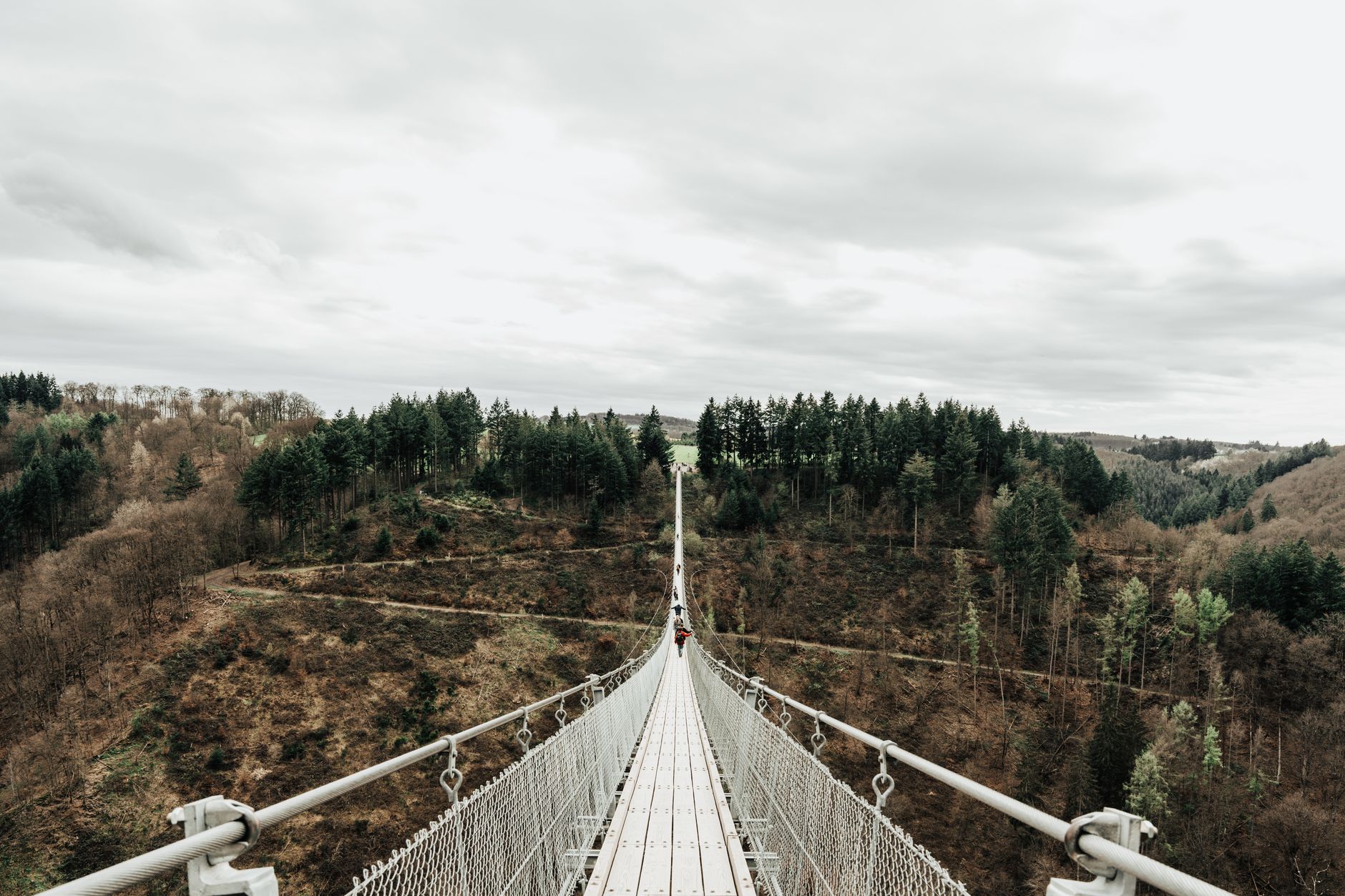
The canopy walkway is the detail that stops people mid-scroll. Suspended about 50 meters above the forest floor, spanning roughly 160 meters across a valley, it offers a vantage point that most visitors to East Africa never experience – not from below, not from a jeep, but from within the treetop layer itself. That single infrastructure choice – building up instead of just through – has made Nyungwe a genuinely distinct proposition, even against Rwanda’s own flagship attraction.
What the Forest Actually Offers
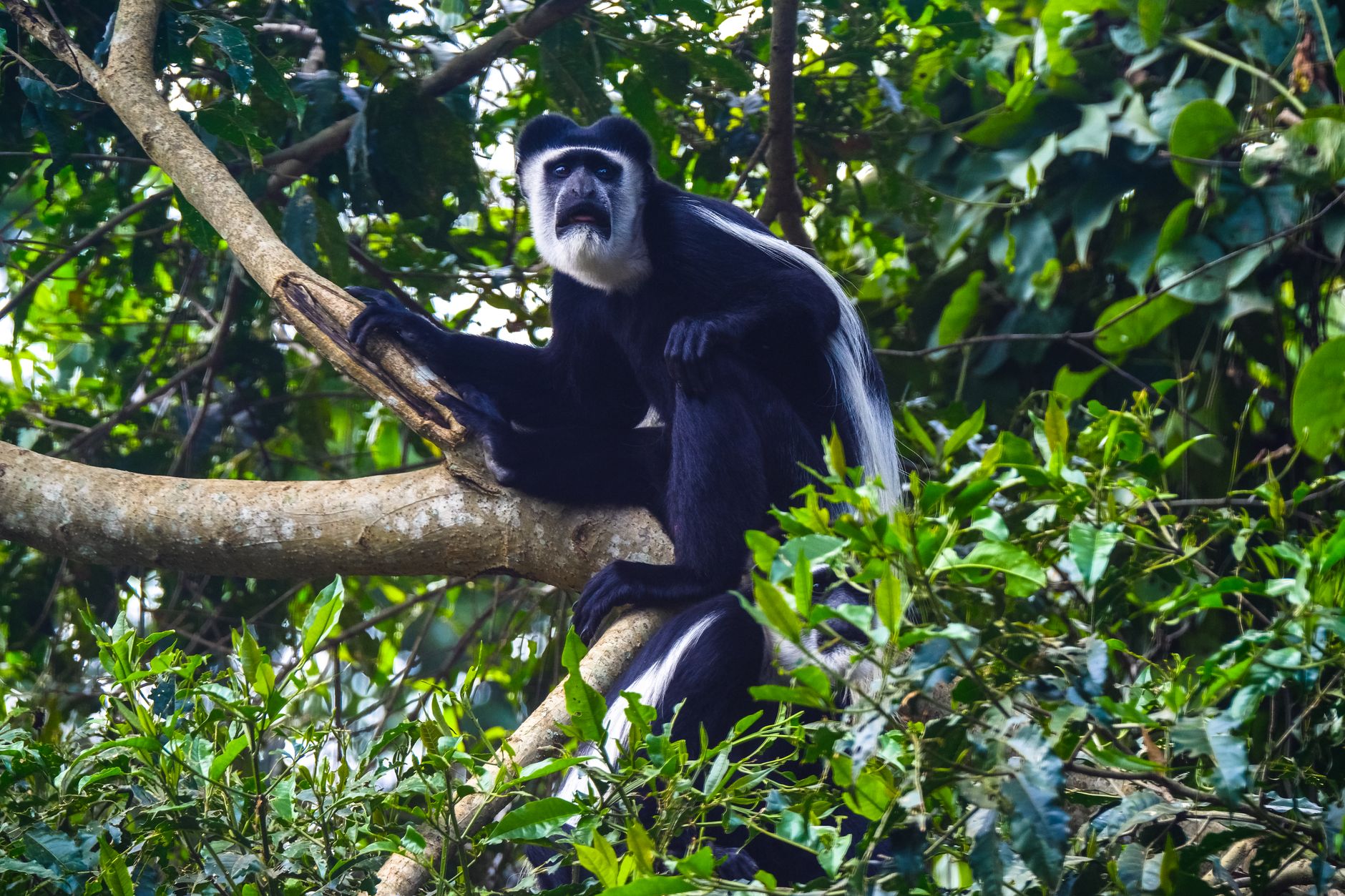
Nyungwe supports around 13 primate species, including chimpanzees, L’Hoest’s monkeys, and colobus monkeys that travel in troops sometimes numbering in the hundreds. Chimpanzee trekking here is a quieter affair than the gorilla experience – smaller group sizes for the chimps themselves, less predictable sightings, and guides who tend to be genuinely invested in tracking behavior rather than delivering a packaged moment. That unpredictability is either the point or the problem, depending on the traveler.
The birding alone justifies the detour for serious ornithologists. The forest holds over 300 species, including a high concentration of Albertine Rift endemics – birds found nowhere else on earth outside this specific highland corridor. The Grauer’s rush warbler, the Rwenzori turaco, and the handsome francolin are names that mean very little to casual visitors and everything to birders who plan trips around a single sighting.
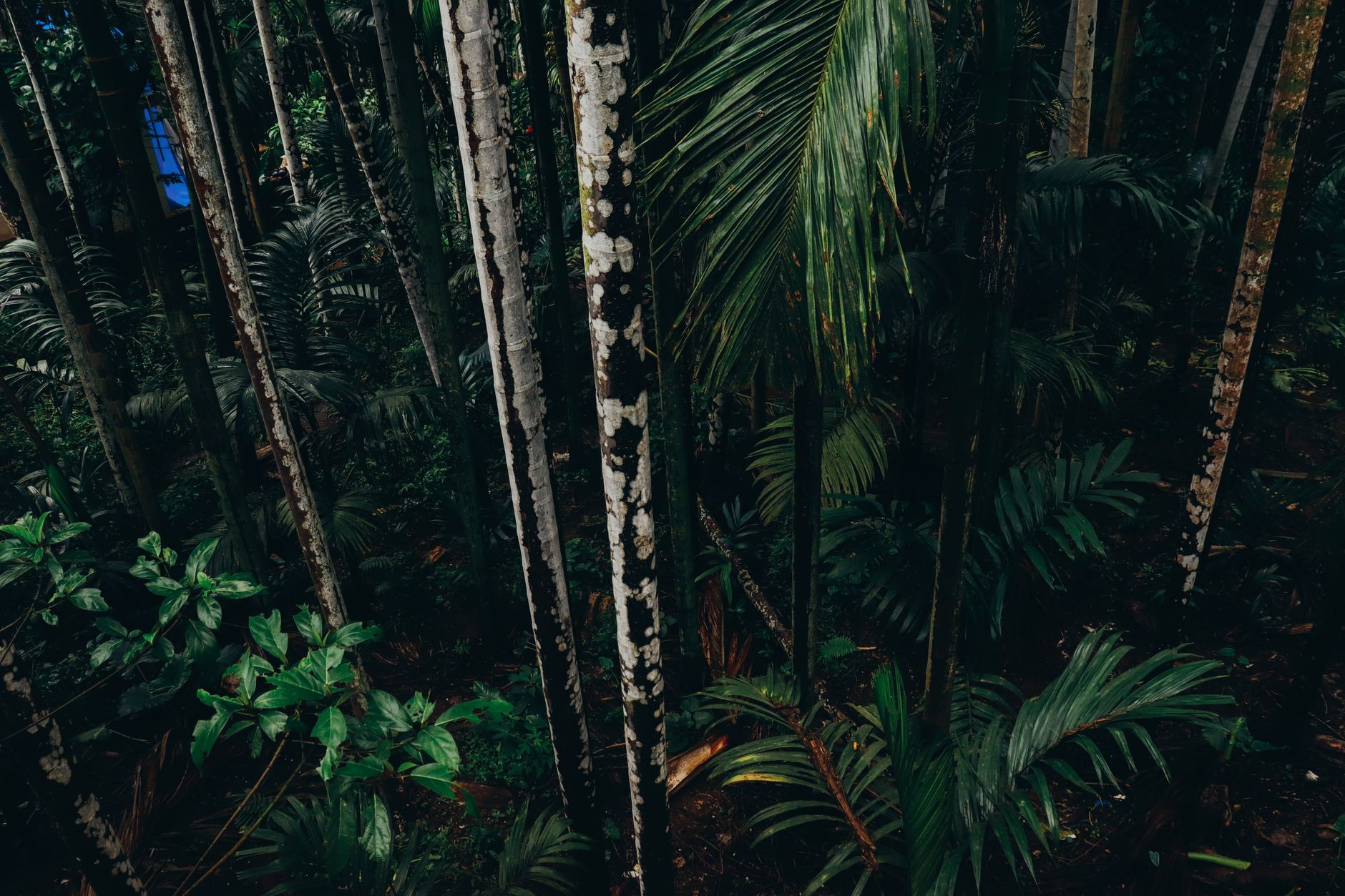
The hiking trail network connects old-growth sections that have remained largely undisturbed for centuries. Some trails push into areas where the canopy closes so completely that the light shifts from green to near-dark within a few steps off the main path. The Bigugu Trail, which climbs to the park’s highest point, rewards the physical effort with views across layered ridgelines that extend toward the Congo basin – a geographic scale that the forest, experienced from within, makes easy to forget.
The Logistics Gap
Getting to Nyungwe requires commitment. The drive from Kigali runs roughly five to six hours along the southern circuit road, passing through Butare and skirting the edge of Lake Kivu on some routes. The road quality has improved considerably in recent years, but this is not a park you fold into a two-day Rwanda itinerary without restructuring the whole trip. That friction is, in practical terms, why Volcanoes continues to dominate – it sits about two hours from the capital and can be paired with a Kigali arrival and departure without losing much time.
Accommodation inside and near the park ranges from a well-regarded forest lodge run under the Wilderness brand to smaller guesthouses in the town of Nyungwe. The lodge sits within the park boundary, which changes the experience considerably – guests can hear the forest at night, spot colobus from the deck at dawn, and reach the canopy walkway trailhead in minutes rather than driving in from outside. For visitors willing to extend their Rwanda itinerary by two or three extra days, the addition makes geographic and experiential sense alongside a southern circuit that also includes the Nyamata genocide memorials and the pottery traditions of Butare.
Why the Comparison to Volcanoes Is Unfair – and Useful
Pitting Nyungwe against Volcanoes National Park is not entirely fair because they deliver categorically different experiences. Volcanoes offers the gorilla encounter – specific, contained, emotionally overwhelming for most visitors, and worth the permit cost for many travelers even at its premium price point. Nyungwe offers immersion over encounter: longer time in one ecosystem, slower movement, rewards that accumulate across hours rather than arriving in a single hour-long viewing window. These are not competing products so much as different philosophies of wildlife travel.
The comparison is still useful because Rwanda’s tourism board has historically presented Volcanoes as the centerpiece and everything else as secondary. That framing affects how international tour operators build itineraries, how long visitors stay, and which parts of the country receive conservation revenue from tourism. Nyungwe’s permit structure is less expensive than a gorilla permit, which makes it accessible to a broader range of travelers – but it also means the park has had less financial cushion to build the kind of international profile that Volcanoes has spent decades accumulating.
For travelers interested in cloud forest environments, the experience of moving through montane forest at altitude with endemic wildlife overhead follows a particular logic that Nyungwe delivers as well as anywhere in Africa. The combination of altitude, moisture, and geological age produces an ecosystem complexity that takes time to read correctly – and that complexity rewards visitors who allow themselves more than a morning’s visit.
The canopy walkway tends to get described in terms of its adrenaline value, which undersells it. Standing above the forest canopy in still air, watching colobus monkeys negotiate branches at eye level, with the valley falling away below and the ridge extending toward the DRC border, is less an adventure activity and more a reorientation of scale. The forest, from that height, stops looking like a backdrop and starts looking like a system – one that has been operating on its own terms long before the walkway existed and will continue to do so regardless of how many visitors cross it each year.