
Where the Mangroves Take Over
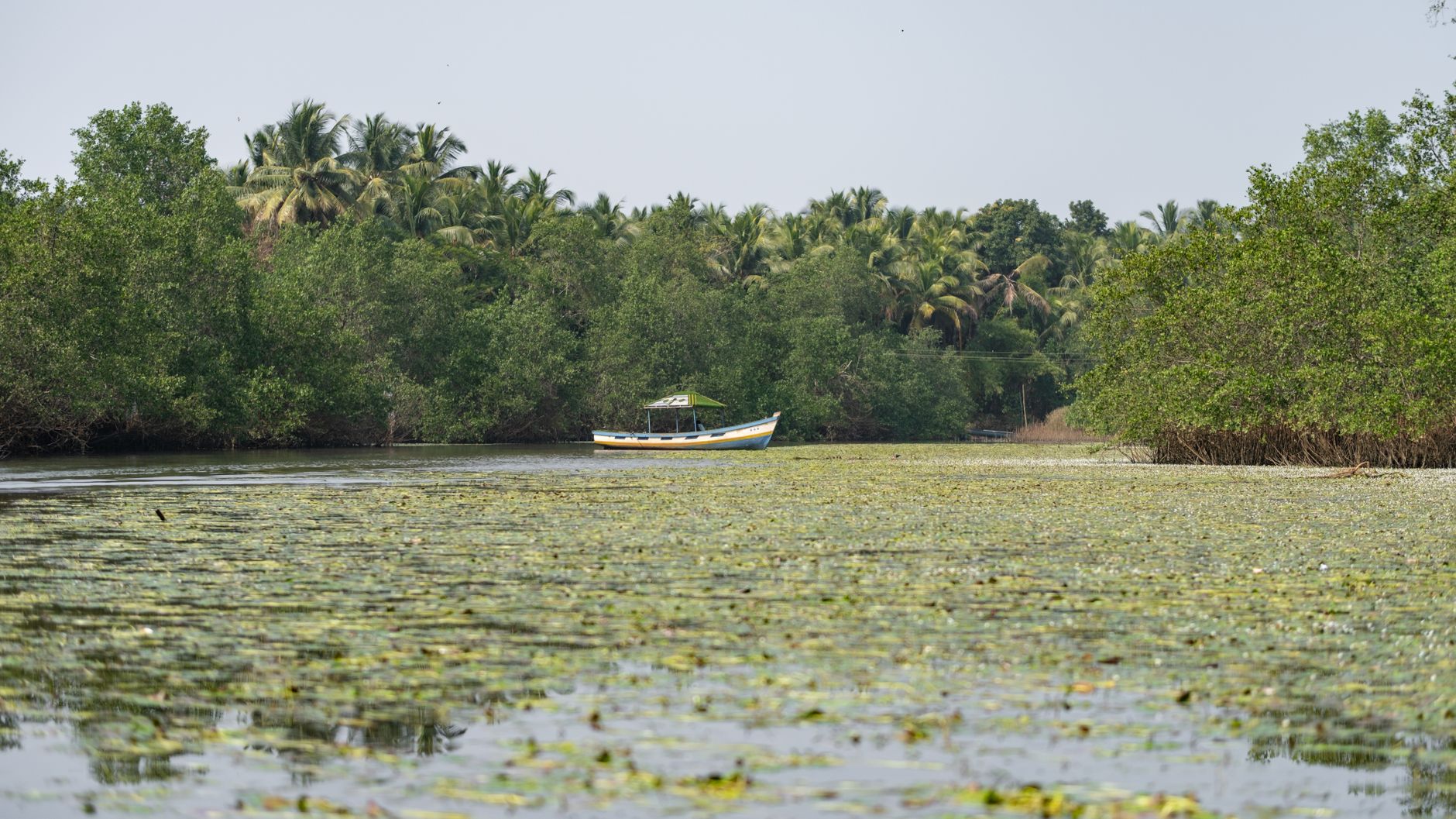
Most travelers who land in Dakar spend their days chasing the Atlantic coastline, the fish markets, and the pulse of a capital city that rarely slows down. But a few hours south, the landscape changes completely – the ocean gives way to a labyrinth of tidal channels, floating villages, and mangrove corridors so dense that the sky disappears behind a canopy of roots and salt-adapted leaves. The Sine-Saloum Delta is West Africa’s best-kept ecological secret, and it has been quietly drawing a specific kind of traveler: the kind who prefers a pirogue to a taxi.
Designated a UNESCO Biosphere Reserve, the delta covers roughly 180,000 hectares of interconnected waterways, islands, and wetlands along Senegal’s central coast. Unlike Dakar’s organized tourism infrastructure, Sine-Saloum operates on a slower, more improvised rhythm. Guides are local fishermen who know the tides better than any GPS. Lodges are small, sometimes solar-powered, and almost always built on stilts. The experience is less curated and more alive for it.
Getting There Without Losing Your Mind
The gateway town is Foundiougne, reachable by road from Dakar in roughly three to four hours, depending on the state of the main highway and how often the driver stops for roadside mangoes. Kaolack serves as the larger regional hub, and from there, shared taxis or sept-place vehicles run toward the delta communities regularly. The ferry crossing at Foundiougne – a short but scenic hop across a wide stretch of tidal water – is itself a preview of what the delta offers: open water, fishing boats, and pelicans circling overhead with no particular urgency.
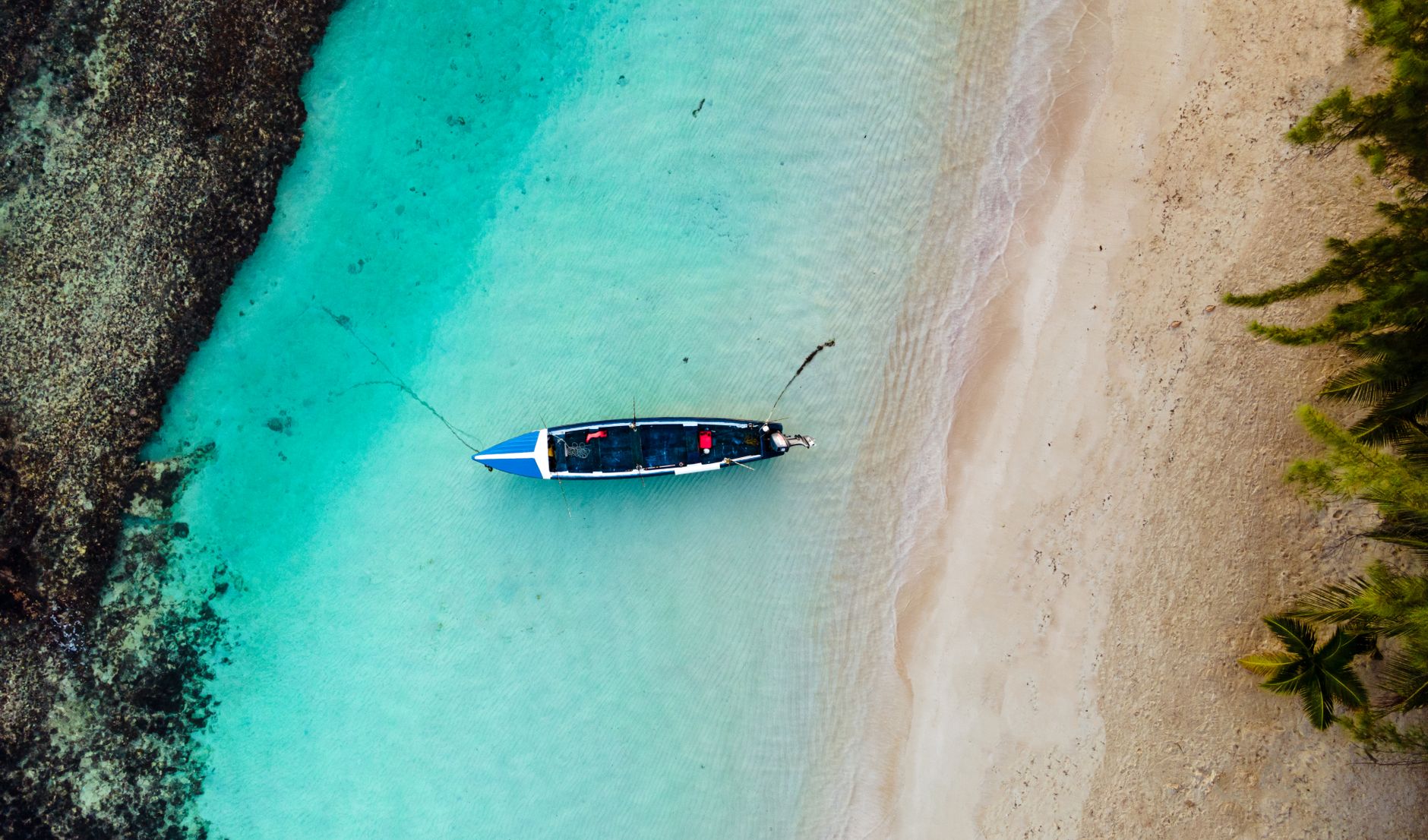
Travelers who prefer to skip the road entirely can arrange boat transfers from points along the Petite Cote, Senegal’s southern beach strip. It adds time but removes the dust and replaces it with the first hour of mangrove scenery before you’ve even arrived at your accommodation. Either way, the journey sets the tone. This is not a destination you stumble into by accident, which is exactly why the crowd it attracts tends to be self-selecting.
Life Inside the Delta
The delta’s communities – spread across islands like Mar Lodj, Betanti, and Dionewar – have sustained themselves through fishing and oyster harvesting for generations. Women oyster farmers work the mangrove roots at low tide, collecting shellfish by hand and smoking them on wood fires along the shoreline. Watching this process is less a tourist activity and more an accidental front-row seat to daily economic life. There is no ticketed entrance, no guided interpretation. You simply arrive by boat at low tide and find people at work.
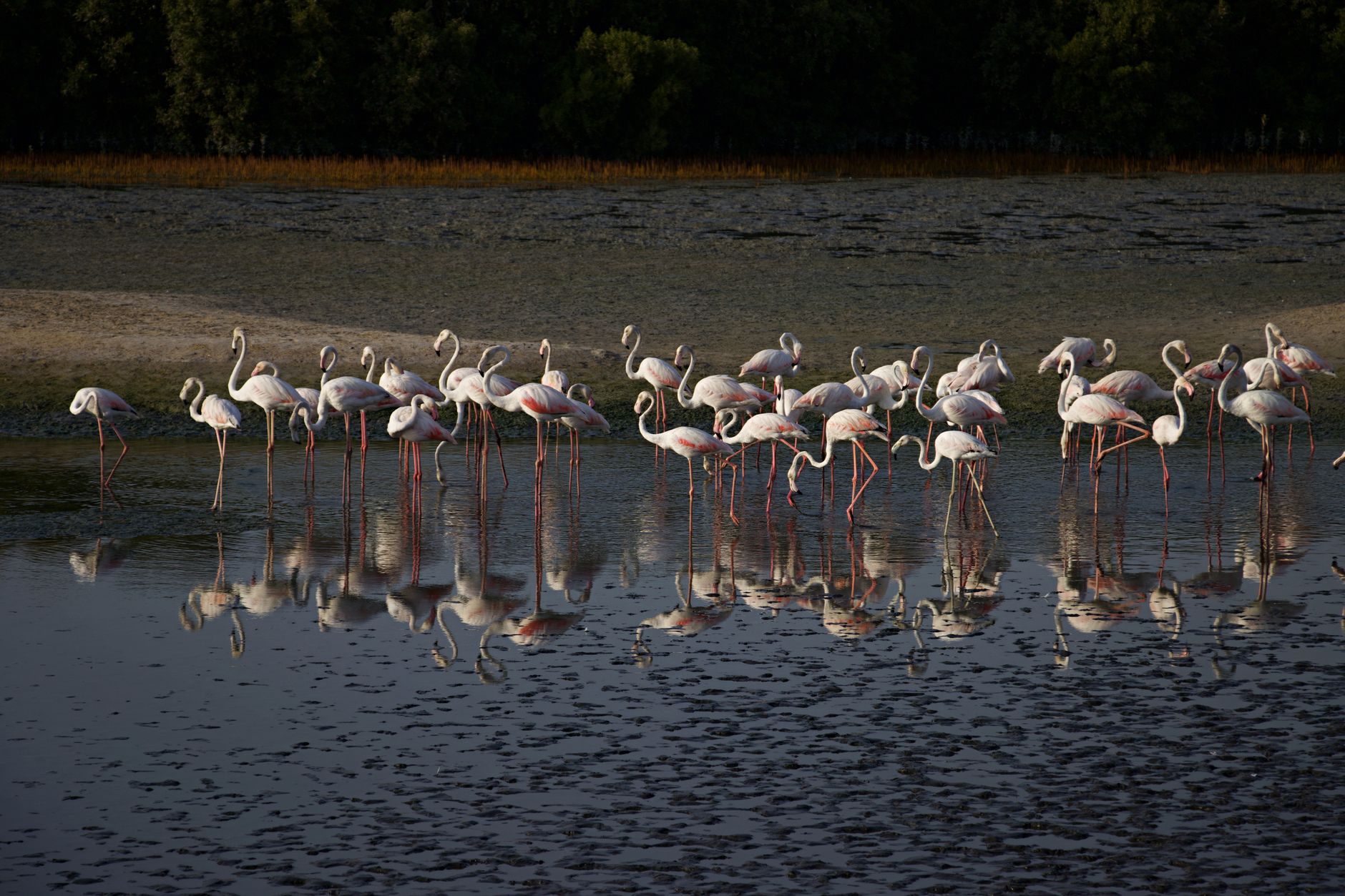
Bird populations in the delta are extraordinary. The region sits along one of Africa’s major migratory flyways, and the flat tidal mudflats function as feeding grounds for flamingos, herons, kingfishers, and several species of storks during peak season. Early morning pirogue rides – before the heat arrives and before the wind picks up – produce the kind of wildlife sightings that typically require expensive safaris in drier parts of the continent. Here, the cost is the price of hiring a local fisherman and waking up before six.
The mangroves themselves deserve more attention than they typically receive in travel writing. Sine-Saloum contains one of the healthiest remaining stands of red mangrove on the West African coast – a fact that carries weight in an era when mangrove deforestation is accelerating across the region. The trees serve as nursery habitat for juvenile fish, natural storm buffers for island communities, and carbon sinks that function at a scale out of proportion to their modest appearance. Walking among them at low tide, stepping carefully across exposed root systems that look like frozen explosions, gives a physical sense of how much biological activity a single tree can support.
Accommodation across the delta ranges from community-run campements – basic structures offering meals, a bed, and a boat connection – to a small number of more established eco-lodges that have attracted international attention. Prices remain low by any comparison to similar ecotourism experiences in East or Southern Africa. A full day on the water, meals included, rarely exceeds what a tourist would spend on a single dinner in Dakar’s upscale neighborhoods.
The Shell Mounds and What They Tell You
Scattered across the delta are the bolongs – narrow channels that cut through mangrove forest – and along their banks sit ancient shell mound sites known locally as amas coquilliers. These massive accumulations of shells, some reaching several meters high, are the remains of centuries of oyster consumption by communities who lived in the delta long before any colonial map defined its borders. Archaeologists have documented sites across the delta that date back more than a thousand years. They are not roped off or monumentalized. You can walk up to them, touch the layered shells, and sit with the weight of continuous human habitation that most destinations build museums to approximate.
The UNESCO recognition covers both the ecological and the cultural significance of the delta – an acknowledgment that the two are inseparable here. The communities who harvest oysters and fish the channels today are doing what their predecessors did, in roughly the same places, with modifications that reflect available technology rather than changed values. That continuity is rarer than biodiversity statistics suggest, and it is exactly what travelers seeking genuine cultural engagement are increasingly willing to travel further to find.
Practical Realities for First-Time Visitors
The delta’s best travel window runs from November through February, when the harmattan winds have settled, rainfall is minimal, and migratory birds are at their peak numbers. March and April are still manageable. The rainy season, roughly June through September, floods some access routes and makes pirogue navigation through certain bolongs genuinely difficult, though a small number of lodges remain open and the landscape takes on a different intensity during that period.
French is the working language across most of the delta, with Wolof and Serer used within communities. English-speaking guides are available in the larger lodges but not guaranteed at community campements. Travelers who carry basic French phrases – or at minimum, a translation app and patience – will navigate considerably better. Basic medical supplies, insect repellent, and sun protection matter more here than in Dakar: the delta offers no pharmacy run and no shade by midday on the open water.
Solo travelers and small groups consistently report better experiences than large tour groups in Sine-Saloum, not because the infrastructure can’t handle volume but because the delta’s appeal is fundamentally quiet. The moment a twelve-person tour boat rounds a corner into a narrow bolong, the flamingos leave. The oyster farmers pause and look up. The atmosphere that makes the place worth visiting is the first thing that disappears when too many people arrive at once. For now, the numbers haven’t reached that threshold – which is not a guarantee about next season.