
A Plateau That Doesn’t Ask to Be Noticed
Slovenia gets the headlines. Its alpine villages, Instagram-ready lake districts, and well-worn cycling routes have made it the default answer for travelers who want rural Europe without the crowds of Tuscany or the Cotswolds. But Serbia’s Zlatibor plateau, sitting in the country’s southwest at an elevation of roughly 1,000 meters, has been quietly doing the same thing for decades – just for a different kind of traveler. One who doesn’t need a glossy tourism board behind them to feel the trip was worth it.
Zlatibor is a high-altitude grassland plateau ringed by forested ridges, traditional timber villages, and a culture of hospitality that hasn’t been packaged for export yet. That last part matters more than it sounds. When a destination hasn’t fully industrialized its charm, the experience of arriving there still carries some friction – and friction, for the right kind of wanderer, is the point.
The Lay of the Land
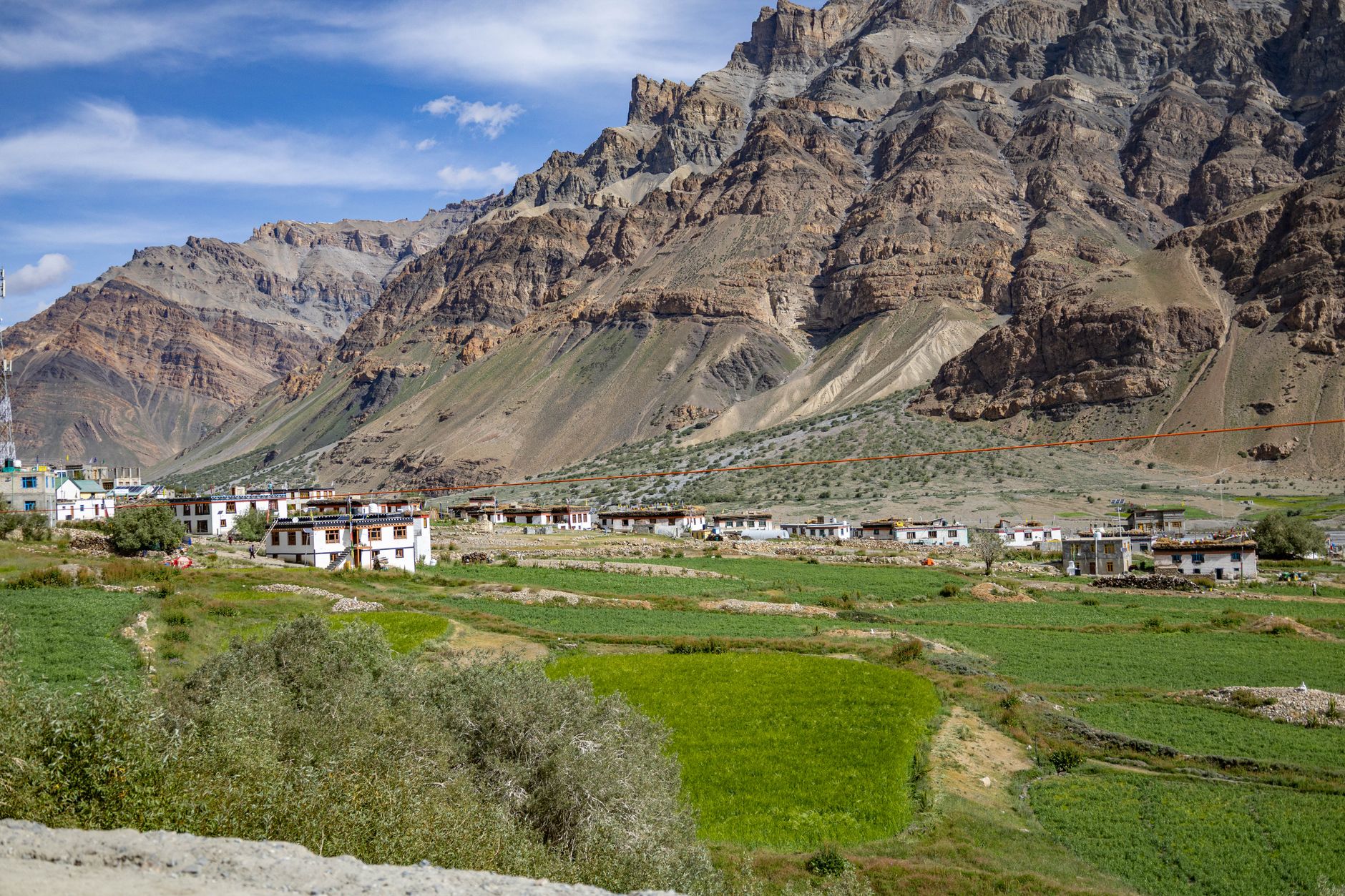
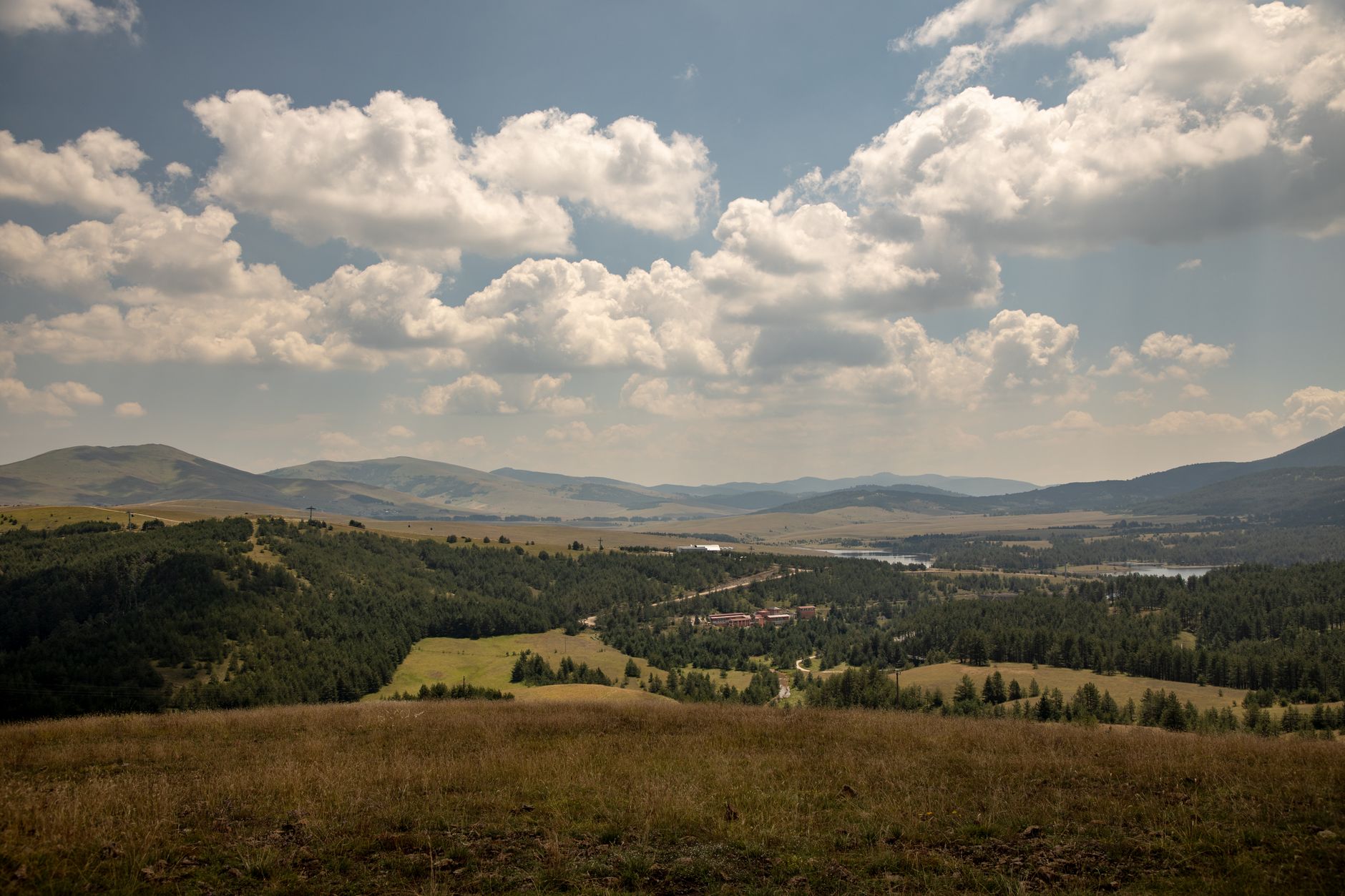
The plateau sits within the Zlatibor mountain region of western Serbia, roughly three hours south of Belgrade by road. The terrain is gentler than the Dinaric Alps that flank it – rolling meadows, pine forests, and small rivers cutting through valleys rather than dramatic cliff faces. Villages like Sirogojno, Gostilje, and Mucanj are scattered across the plateau and connected by roads that reward slow driving or, better, walking. The air at this elevation stays cool well into summer, which is part of why Serbian families have been coming here for generations to escape the lowland heat.
The scale is intimate. Zlatibor doesn’t overwhelm. You can understand the geography of the area in a day, which means the second and third days become about noticing smaller things – the way the light sits on a meadow in late afternoon, the sound profile of a village where there’s no through traffic, the particular smell of wood smoke mixed with pine resin that seems specific to this elevation. These are not amenities. They’re just conditions that exist here and that most people never bother to seek out.
What the Villages Actually Offer
Sirogojno is probably the plateau’s most visited settlement, home to the Old Village Museum – an open-air collection of 19th-century wooden architecture that was assembled from structures relocated from across the region. Unlike many such museums, it doesn’t feel sterile. The buildings are dense enough and varied enough that walking through the site reads more like exploring a real settlement than viewing exhibits in a field. Wool weaving has been practiced here continuously, and small workshops still produce textiles using traditional techniques, sold directly from the premises without the markup of a gift shop chain.
Gostilje sits near a waterfall of the same name, a modest but genuinely beautiful cascade that most visitors photograph and then leave. Those who stay longer find that the village around it is the real attraction – a cluster of family-run guesthouses and small farms where accommodation frequently includes meals made from whatever was produced that week. Breakfast might mean smoked meats, kajmak (a thick clotted cream dairy product specific to the region), and bread baked the same morning. This is not farm-to-table as a marketing concept. It’s just how things work when the supply chain is a hundred meters long.
The plateau’s geography also means there are thermal springs in the region, most notably around the town of Zlatibor itself, which functions as the main hub and services center for the area. The town is not particularly scenic, but it provides the practical infrastructure – buses, accommodation of every budget level, restaurants – that makes the surrounding villages accessible without a car. For travelers who prefer to base themselves centrally and walk or take local transport to quieter spots, this setup works well.
What Zlatibor lacks compared to Slovenia is signage. Not metaphorically – literally. Trails exist, but trail marking is inconsistent. Some paths shown on maps have been reclaimed by vegetation or altered by private landholding. This isn’t a fatal flaw, but it does mean that wandering here benefits from a local contact or a willingness to ask. Serbian is the working language of the plateau; English is understood in the main town but not universally in the smaller villages. The friction shows up most clearly here, and it filters the visitor type accordingly.
How It Compares to Slovenia’s Village Circuit
Slovenia’s appeal for village wanderers rests on a specific combination: high alpine scenery, well-maintained infrastructure, a legacy of Austro-Hungarian architecture in rural settlements, and a tourism ecosystem that has learned to serve independent travelers without overwhelming them. The Bohinj Valley, the Logar Valley, and the villages around Kranjska Gora represent genuinely excellent rural travel. The trails are marked to Alpine Club standards, the guesthouses are uniformly clean, and you can plan an itinerary with confidence because the information is reliable and in English.
Zlatibor can’t match that infrastructure, and the scenery is softer and less dramatic. What it offers instead is a rural culture that hasn’t yet been filtered through visitor expectations. The food is more interesting and more site-specific. The accommodation is cheaper – often dramatically so, with family guesthouses running at rates that feel like a decade ago in Western European pricing terms. And the sense of being genuinely off the main circuit is still real, which in much of rural Slovenia has faded as the destination’s profile has grown.
Getting There and Moving Around
Regular bus service connects Belgrade to the town of Zlatibor, with journey times around three hours depending on the service. From Zlatibor town, local buses and shared minibuses reach many of the surrounding villages, though schedules require some planning. Renting a car in Belgrade and driving down through the Ovcar-Kablar Gorge adds a worthwhile detour to the journey and gives more flexibility once on the plateau.
Accommodation ranges from large hotel complexes on the edge of Zlatibor town – built for domestic tourism and functional rather than charming – to small family guesthouses in the villages that operate on something closer to a bed-and-board model. The latter require advance communication, usually via phone, and some may need a Serbian-speaking contact to facilitate the first booking. Travel in late May through early July or in September offers the most stable weather and avoids the peak domestic summer rush, when the plateau becomes considerably busier and prices adjust accordingly.
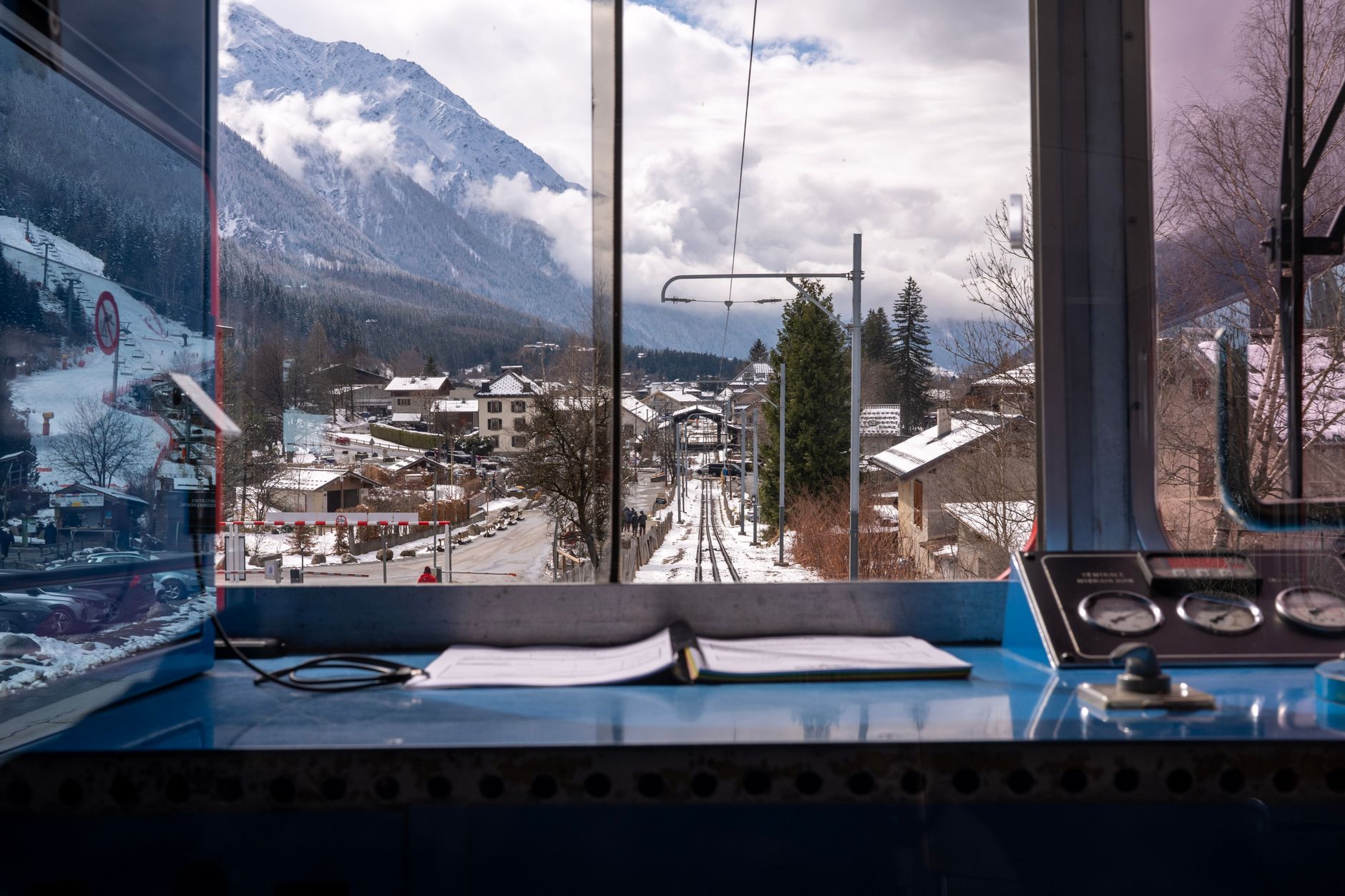
The plateau also connects to broader western Serbia travel. The narrow-gauge Sargan Eight railway, a heritage line that climbs through dramatic mountain terrain near the town of Mokra Gora, sits within day-trip distance and adds a completely different texture to a Zlatibor-based trip. The combination of village wandering on the plateau and a morning on that railway covers more tonal ground than most short European breaks manage – and at a price point that, for travelers used to Western European costs, will still seem hard to explain.