
Where the Clouds Don’t Clear Until Noon
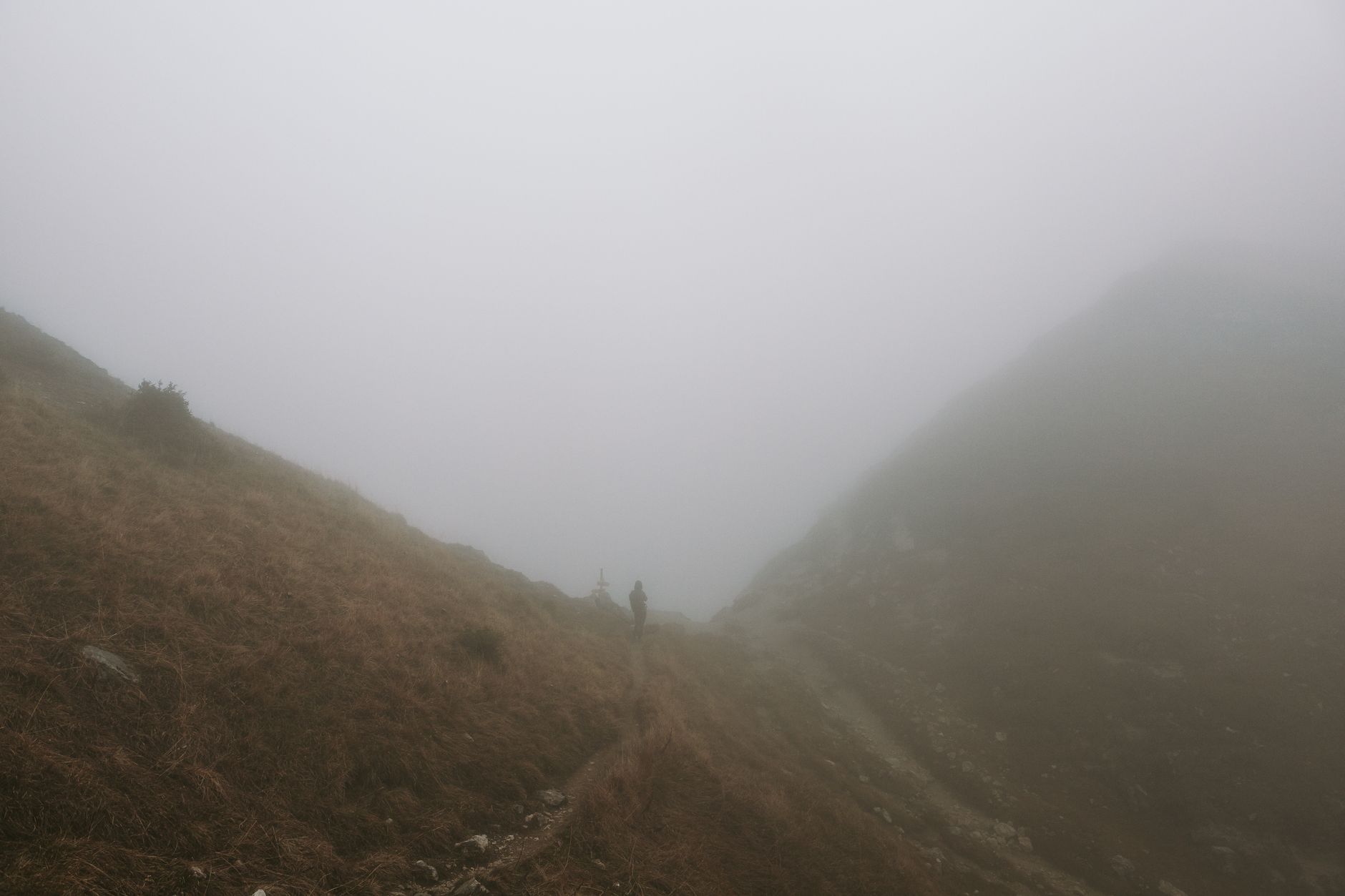
Ella gets the Instagram posts, the train photos, and the weekend crowds from Colombo. The Knuckles Range, about three hours northwest of Kandy, gets the fog. Not the romantic, postcard kind that lifts by 8 a.m., but the dense, disorienting kind that swallows ridgelines whole and sends hikers reaching for an extra layer in the middle of July. That is precisely why a certain kind of traveler has started paying attention.
The range takes its name from the silhouette formed by its five main peaks when viewed from the south – a clenched fist against the skyline. Officially designated a UNESCO World Heritage Site as part of the Central Highlands of Sri Lanka, the Knuckles Conservation Forest covers roughly 155 square kilometers of montane forest, cloud forest, and grassland. It is not undiscovered. But compared to Ella’s relentless foot traffic, it operates at a completely different speed.
The Terrain That Keeps Casual Visitors Away
Getting to the Knuckles requires a degree of commitment that Ella’s train station does not. Most trekkers base themselves in Kandy and hire a jeep or tuk-tuk to reach entry points like Riverston or Meemure, a remote village that sits inside the range and still has no paved road connecting it to the outside world. The final stretch into Meemure – a rutted track that fords streams and edges along cliff-side paths – takes around two hours from the nearest town. Vehicles with low clearance don’t make it. Some days, vehicles period don’t make it.
That barrier is the Knuckles’ most effective crowd filter. The trails themselves range from manageable half-day loops near Riverston’s Peak to multi-day routes that cross into jungle so dense that sunlight becomes a theoretical concept. Leeches are a constant reality from May through September. Guides are not optional here – not because the scenery demands narration, but because the path markers genuinely disappear into undergrowth on sections that see fewer than a dozen hikers a week.
What the Mist Actually Looks Like
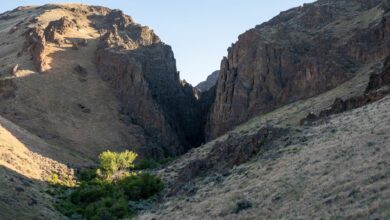
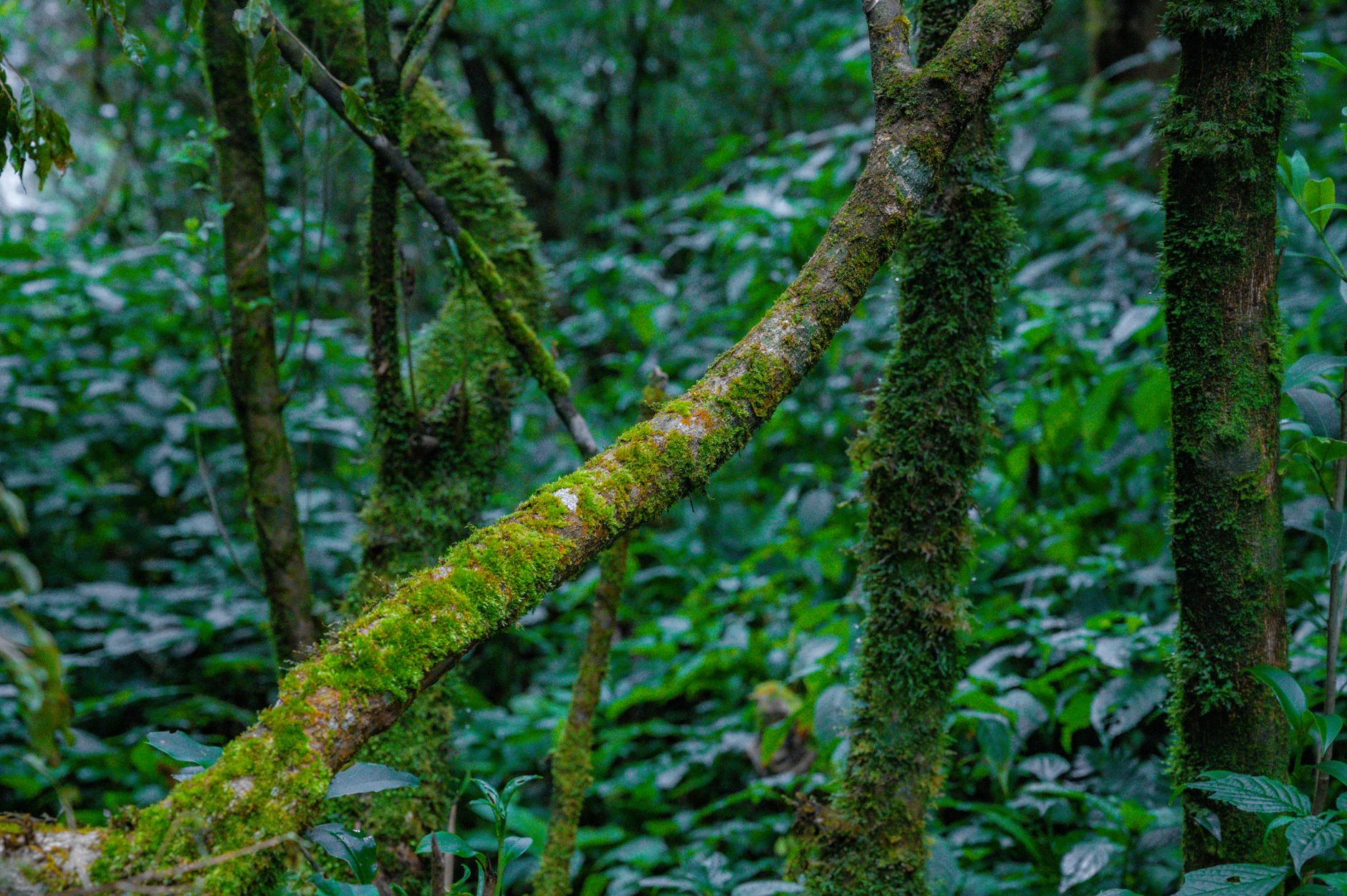
The cloud forest zone above 1,500 meters is the draw that separates Knuckles from every other hiking destination in Sri Lanka. Trees here are draped in moss so thick it looks upholstered, and ferns grow at head height along sections of the Mini World’s End trail near Pitawala Pathana. The grassland plateau at Pitawala opens up without warning – you push through forest, the trees thin, and suddenly there is nothing ahead but a wide, pale expanse with cloud moving across it like something alive.
Biodiversity numbers in the Knuckles are quietly staggering. The range shelters over 30 endemic plant species found nowhere else in the world, and the birdwatching alone draws ornithologists who have already done Sinharaja. Sri Lanka bush warbler, Dull-blue flycatcher, Sri Lanka scimitar babbler – species that require elevation and dense cover, neither of which Ella’s tea country particularly offers. The mammals are harder to spot but present: leopards move through the upper forest, and fishing cats work the streams at lower elevations.
Morning light in the Knuckles is a specific, unrepeatable thing. Cloud sits in the valleys overnight and the ridge above Corbet’s Gap turns gold before the mist below it even begins to stir. Travelers who time an early start from the Riverston area catch this window before it closes. By mid-morning, the cloud usually rises and the range becomes a more conventional, if still spectacular, hiking destination. That two-hour gap at dawn is what photographers and serious trekkers plan entire itineraries around.
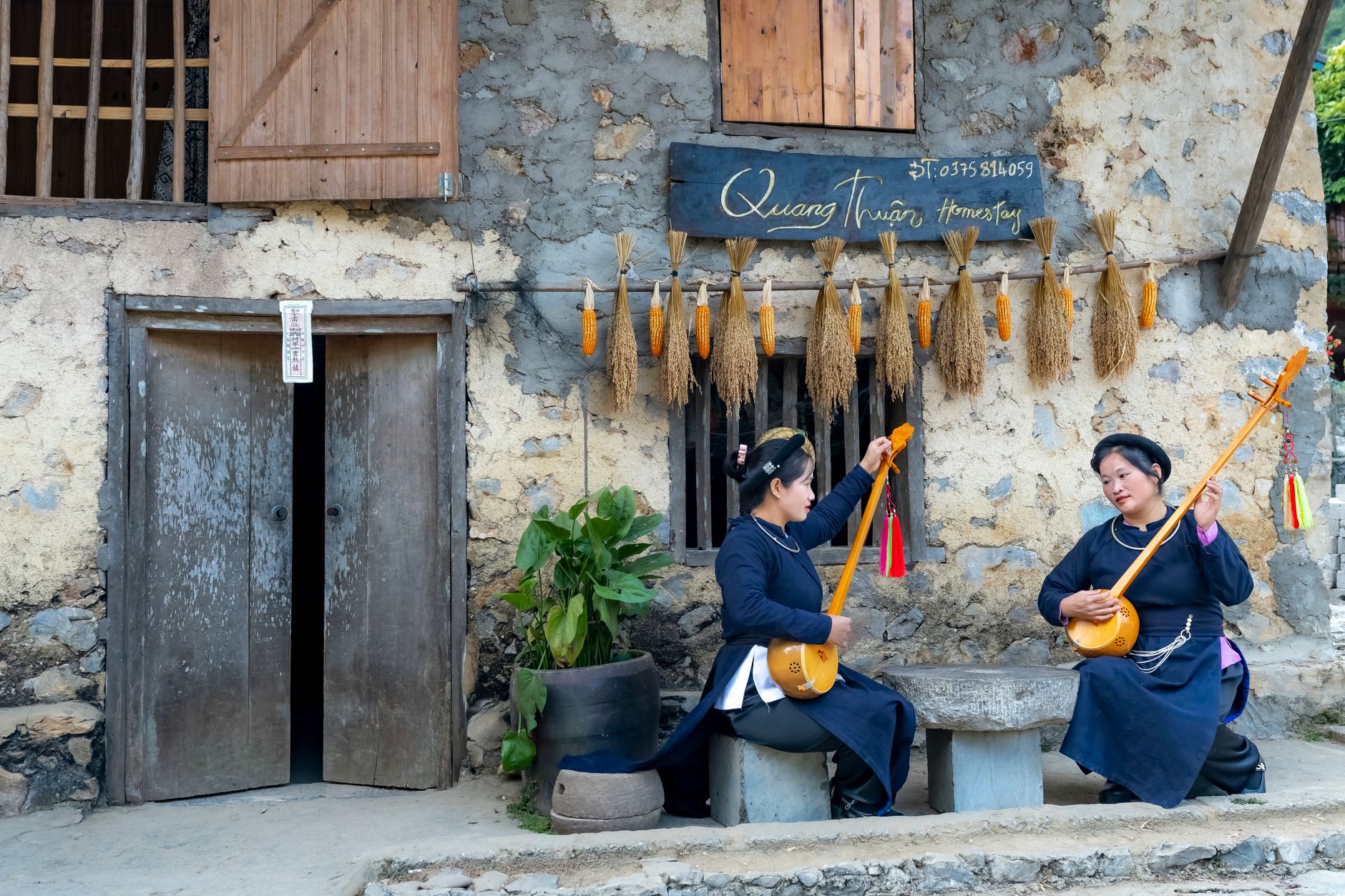
Villages inside and adjacent to the range – Meemure, Hunnasgiria, Kalupahana – maintain a rhythm that has nothing to do with tourism calendars. Rice cultivation, cardamom farming, and small-scale cattle herding define daily life. Homestays in Meemure offer a ground-level view of that rhythm, with meals built around whatever the household garden produced that week. The accommodation is basic. There is no spa, no infinity pool with a tea plantation view, no curated aperitivo hour. What there is, consistently, is quiet.
Comparing the Two Destinations Honestly
Ella offers convenience that the Knuckles simply cannot match. The train journey from Kandy or Nanu Oya through the tea hills is genuinely one of the most scenic rail routes in Asia, and Ella itself has built a full tourism infrastructure – cafes, guesthouses, organized hike guides, reliable Wi-Fi. For a traveler with limited time or someone on their first Sri Lanka trip, Ella makes sense. The tradeoffs are predictable: shorter queues for solitude, longer queues for restaurants.
The Knuckles requires a higher tolerance for uncertainty. Trails wash out after heavy rain. Village homestays can be fully booked without appearing on any booking platform. The best guide in Meemure might be out in the fields. These are not problems with elegant solutions – they are conditions you either accept or don’t. Travelers who accept them tend to describe the experience in terms that have nothing to do with convenience.
Planning a Knuckles Trip Without Getting It Wrong
The driest windows for trekking fall between January and April, and again briefly in August. The range sits between two monsoon systems, which means rainfall patterns are more complicated than a single “dry season” label covers. Local guides understand the micro-weather in ways that no app replicates – a guide based out of Kandy who has worked the range for several seasons is worth arranging before arrival, not on the day.
Permits are required for entry into the conservation forest and are issued through the Department of Wildlife Conservation. Fees are modest but the process requires some advance planning, particularly for overnight camping routes. Budget travelers can work the Knuckles on very little – a Kandy guesthouse, a shared jeep to the trailhead, a Meemure homestay – and the total cost will be a fraction of what a mid-range Ella stay runs during peak season.
Packing correctly makes the difference between a miserable first day and a functional one. Waterproof trail shoes are non-negotiable. So are full-length trousers treated with permethrin, or at minimum, high-quality insect repellent applied religiously from the knee down. Leech socks – fabric tube covers worn over boot tops – are sold in Kandy and cost almost nothing. Travelers who skip them will spend the first hour back at the trailhead removing leeches from their ankles, which is not a catastrophe, but it is a distraction from what is otherwise a very good afternoon.
Frequently Asked Questions
Is the Knuckles Range harder to visit than Ella?
Yes. Access requires a jeep or tuk-tuk from Kandy, some roads are unpaved and seasonally impassable, and permits must be arranged in advance for conservation forest entry.
What is the best time of year to trek in the Knuckles Range?
January through April offers the most reliable dry conditions. A shorter window in August also works, though the range sits between two monsoon systems and local weather patterns can vary significantly.