
The Range Most Travelers Skip on Their Way to Ella
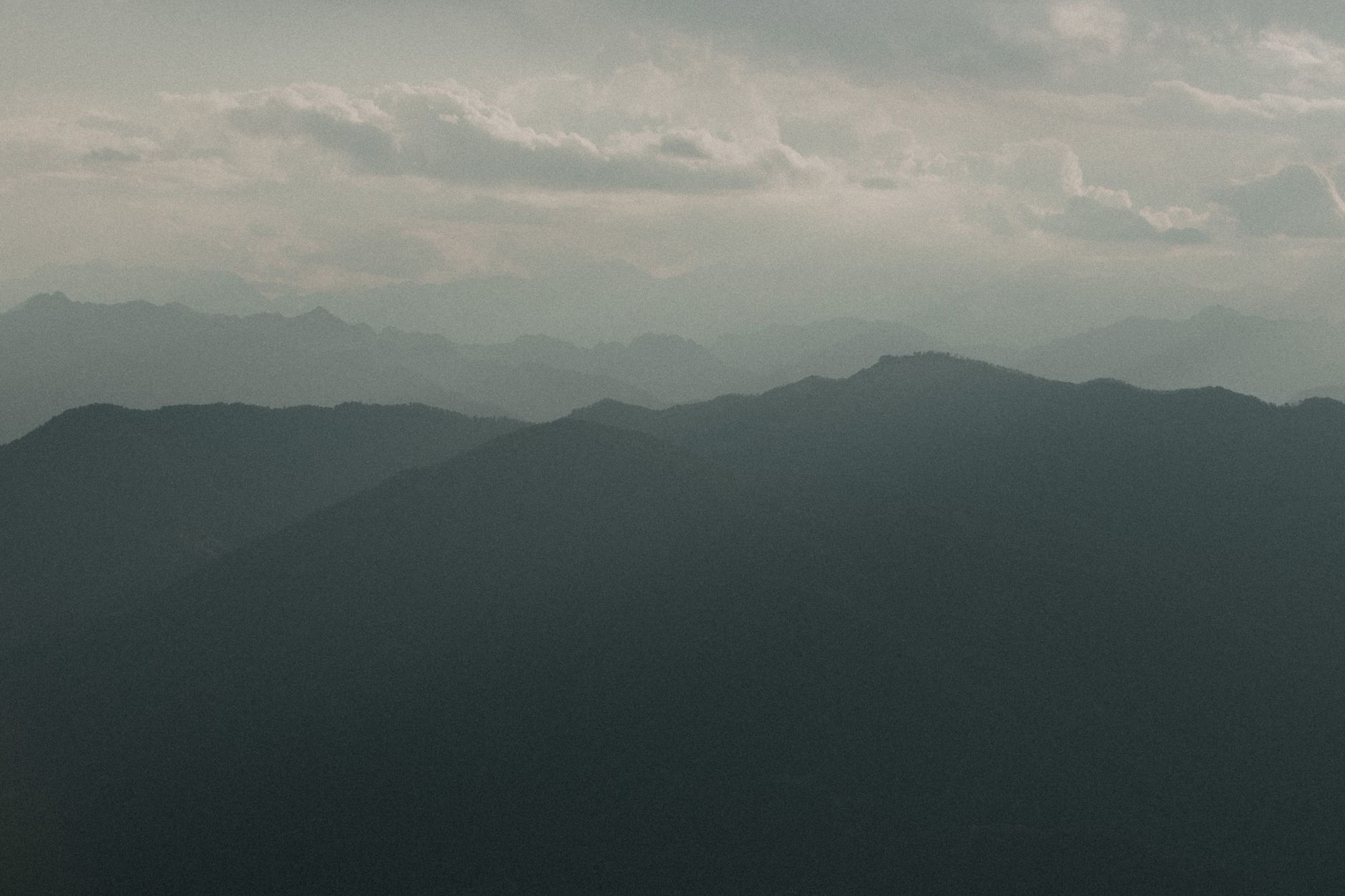
Ella gets the Instagram posts, the train window selfies, the honeymooners. It earns all of that attention, fairly. But about 80 kilometers to the north, the Knuckles Range sits in a state of deliberate quiet – a corrugated spine of cloud-draped peaks that most travelers see only as a blur from a bus window on the road between Kandy and Dambulla. The range takes its name from the way the ridgeline looks from below: a clenched fist pressing skyward through fog. For hikers who have worn out the Nine Arches Bridge and the Little Adam’s Peak trail, Knuckles is where Sri Lanka’s highlands get genuinely wild.
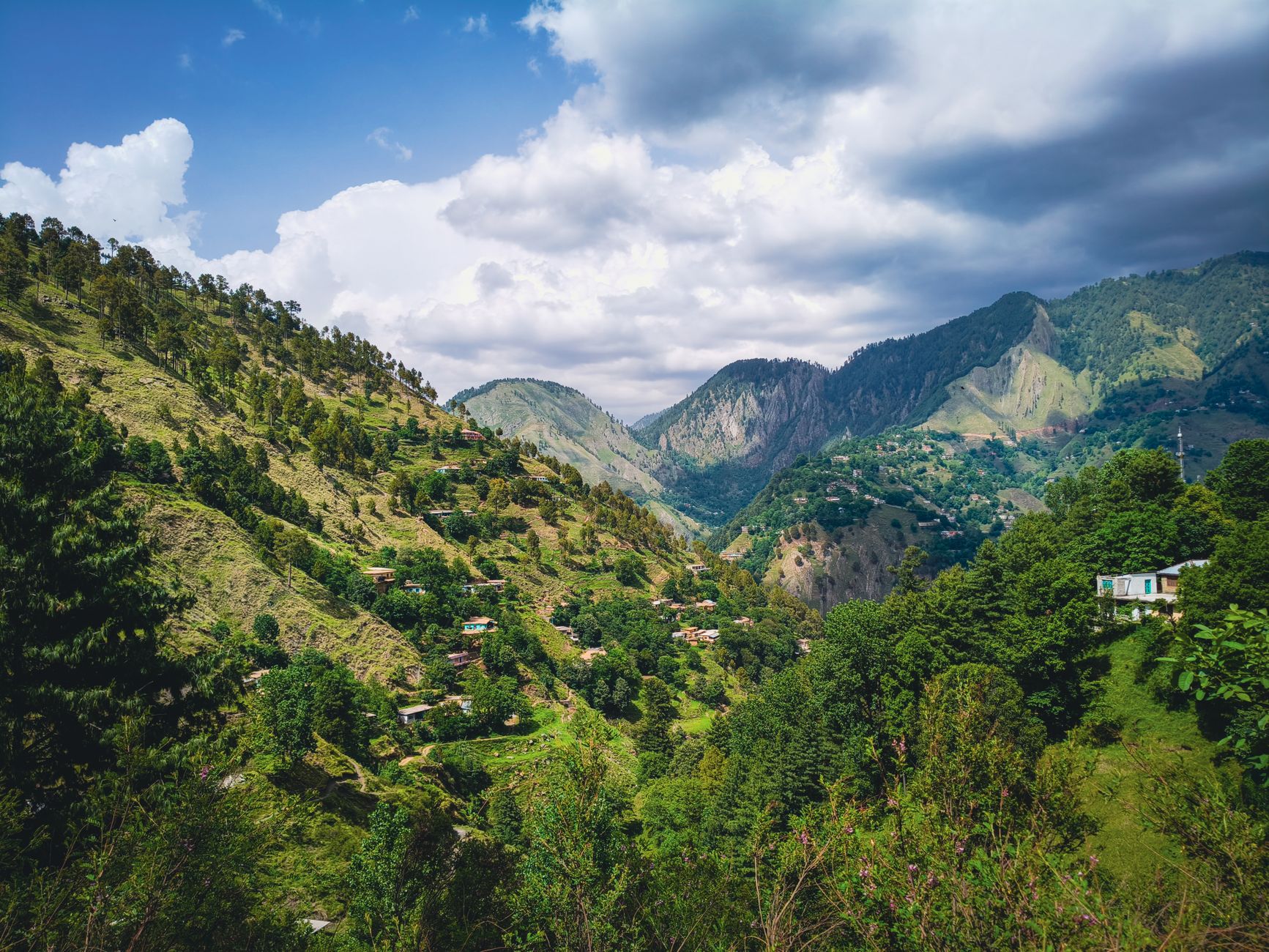
The difference between Ella and Knuckles is not simply a matter of crowds, though the crowd gap is real and pronounced. It is a difference in landscape grammar. Ella speaks in tea estates and gentle viewpoints. Knuckles speaks in montane rainforest, shola grasslands, and river valleys that drop so sharply you can hear the altitude change before you see it. The protected area covers roughly 155 square kilometers of UNESCO-listed biosphere, and most of that terrain sees far fewer visitors in a week than Ella sees on a slow Tuesday morning.
Getting here requires a commitment most travelers are not willing to make.
What the Terrain Actually Demands
The main entry points to the Knuckles Conservation Forest sit near the villages of Corbett’s Gap, Rattota, and Meemure – names that rarely appear on standard Sri Lanka itineraries. Meemure in particular functions as a kind of geographic test. The road into the village follows a narrow, boulder-strewn track through the valley floor, passable only by four-wheel drive or, for the stubborn, a long walk in from the nearest paved road. Villagers here maintain a lifestyle largely unchanged by the tourism patterns that have reshaped the southern hill country. There are a handful of basic guesthouses where meals run on schedule whether guests are ready or not.
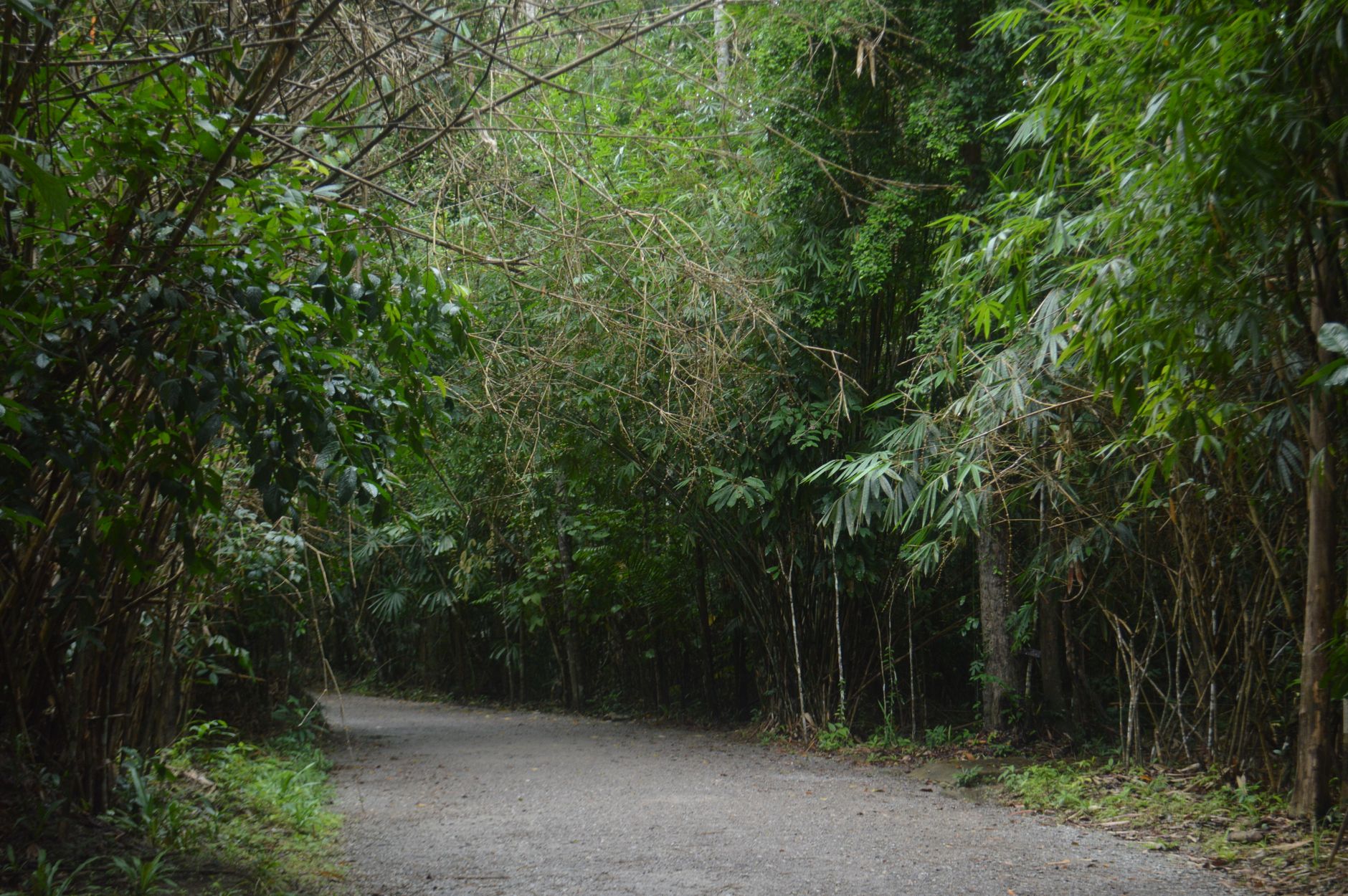
Trails inside the conservation zone range from manageable half-day loops to multi-day routes that cross the main ridge and descend the northern escarpment. The Knuckles Peak itself, sitting at approximately 1,863 meters, is not a technical climb but it is not casual either. The approach involves dense forest sections where the trail narrows to single-file width and the ground stays wet long after the rain has stopped. Leeches are a fixture from roughly March through November, which explains the long socks sold at every general store near the trailheads. Going with a licensed guide is not mandatory in the strict sense, but attempting the longer routes without one is the kind of decision that generates rescue calls. The trail markings in some sections are sparse enough to be charitably described as impressionistic.
Wildlife sightings in Knuckles carry a different character than what you encounter in the island’s dry-zone national parks. There are no guarantees of elephants or leopards at a waterhole. What the range offers instead is endemic birdlife in serious density – Sri Lanka wood pigeon, the yellow-eared bulbul, the dull-blue flycatcher – and a reasonable chance of spotting purple-faced langurs moving through the upper canopy in the early morning. Herpetologists treat the Knuckles as something close to sacred ground. The range holds multiple endemic lizard and frog species found nowhere else on the planet, some of which are still being formally documented by field researchers.
Where to Base Yourself and What to Expect
Kandy makes a practical base for day trips into the lower sections of the range, but anyone intending to explore seriously should consider staying closer. A cluster of small eco-lodges and village homestays operates around Elkaduwa and along the Rattota road, most of them run by families rather than hotel management companies. Rooms are simple – ceiling fans, net curtains, cold water in the dry season – and the food tends toward rice and curry served in portions sized for people who have been walking uphill since dawn. A growing number of boutique properties have started appearing on the western fringes of the range, offering the kind of infinity pool and natural linen aesthetic that Ella’s better hotels perfected years ago. They are comfortable and well-managed, but they sit at the edge of the experience rather than inside it.
The best time to visit depends entirely on what kind of weather a traveler can tolerate. The range receives moisture from both monsoons, which means there is no clean dry window in the way that the southern coast enjoys. The inter-monsoon months – roughly February to March and again in August – offer the most reliable window, but even then, mornings in the upper elevations start mist-thick and cold enough that the cheap fleeces sold in Kandy’s tourist market suddenly seem like a reasonable purchase. The mist is not a problem so much as a feature. Watching it roll off the ridgeline as the sun burns through by mid-morning is precisely the kind of slow, quiet spectacle that makes Knuckles different from anywhere else on the island.
Permitting is handled through the Department of Wildlife Conservation and the Central Environmental Authority, and fees apply for entry into the conservation forest. The system is straightforward enough, though the logistics of arranging guides, permits, and transport simultaneously require some advance planning that Ella, with its well-oiled tourism infrastructure, has never asked of visitors. That extra friction is, depending on your disposition, either the range’s greatest flaw or its most reliable filter.
The Cost of Staying Unknown
The Knuckles Range carries UNESCO Man and Biosphere designation, and local conservation groups have been working to keep trail development slow and visitor numbers manageable – not because the area is fragile in an obvious, headline-making way, but because the ecosystems here are dense, interlocking, and genuinely easy to degrade with careless foot traffic. The question now is how long the range can hold its character as Ella-fatigue pushes more travelers north in search of something that still feels like a discovery, and whether the infrastructure that arrives to serve them will be careful enough, or fast enough, to matter.