
The Red Sea’s Best-Kept Secret
Egypt gets the magazine spreads, the liveaboard itineraries, and the dive tourism infrastructure built over four decades. Sudan gets almost none of that – and that is precisely why serious wreck divers are paying attention.
What Sudan’s Coast Actually Offers
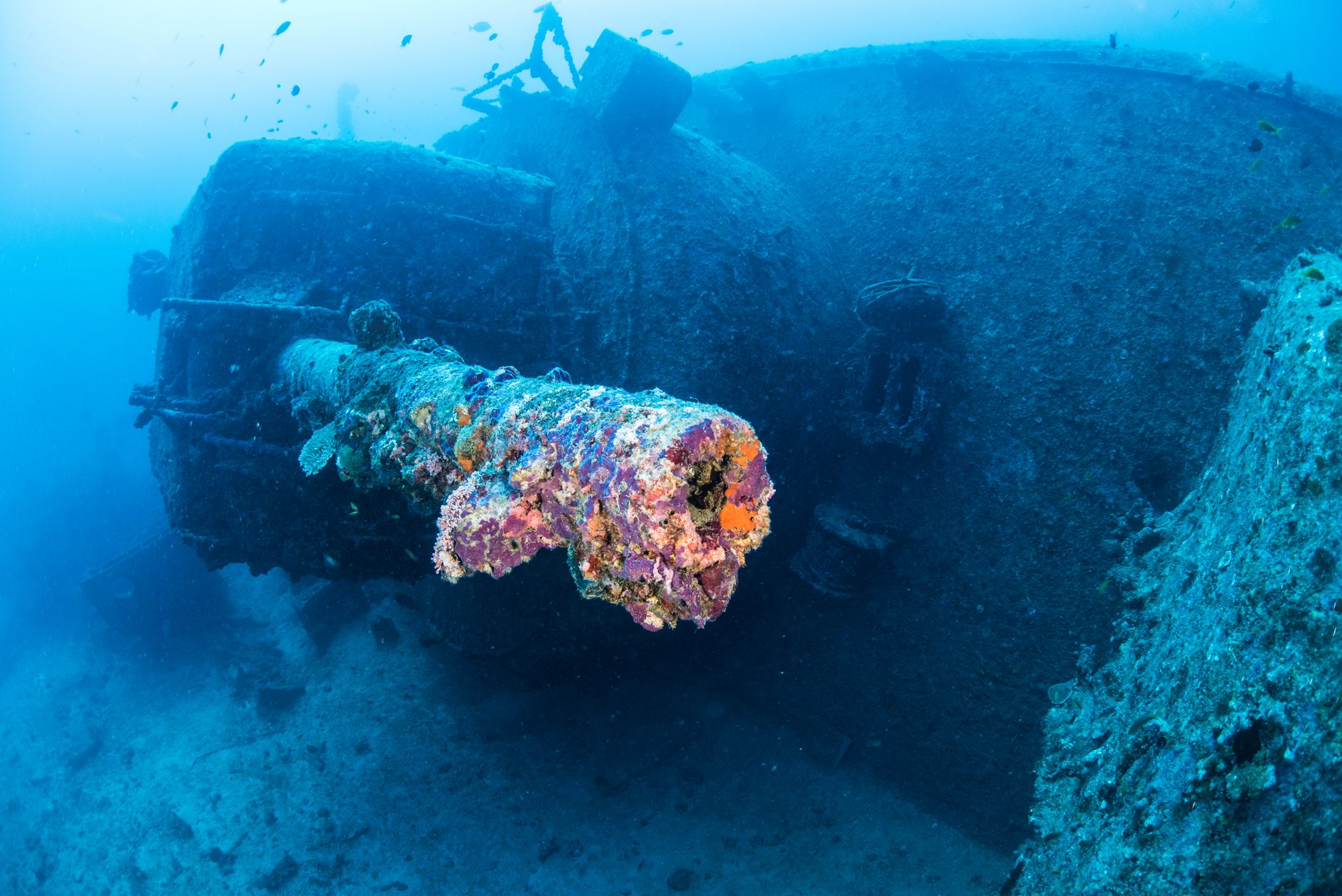
The Sudanese Red Sea stretches roughly 700 kilometers from the Egyptian border south toward Eritrea, and along that coastline sits a concentration of World War II-era wrecks, untouched coral gardens, and remote offshore reefs that receive a fraction of the diver traffic that clogs the waters around Hurghada or Marsa Alam. The most celebrated site is the Umbria, an Italian cargo ship that sank in 1940 near Port Sudan after its captain scuttled it to prevent a cargo of aircraft parts and bombs from falling into British hands. It rests in about 36 meters of water, largely intact, and encrusted with coral growth that took decades to accumulate undisturbed.
The Umbria is not a hidden site – experienced divers have known about it for years – but it remains dramatically undervisited compared to Egypt’s famous Thistlegorm, which now draws so many boats on peak days that the experience borders on crowded. On Sudan’s coast, you might share a site with one other liveaboard, or none at all. That solitude changes the quality of a dive in ways that are difficult to quantify but immediately felt: no fin wash disturbing the silt, no queue at the main hold, no artificial lighting from a dozen other torches competing with your own.
Beyond the Umbria, the reefs around Sanganeb Atoll and Shaab Rumi offer wall diving that drops into blue water with a visibility that can exceed 40 meters on a calm day. Shaab Rumi carries particular historical weight – it was here that Jacques Cousteau built his Conshelf II underwater habitat in 1963, parts of which still sit on the seafloor. The pre-fabricated structures are now barnacled and strange, a kind of accidental wreck of a different era, and they attract schooling fish in numbers that make for photography that Egypt’s busier sites rarely match.
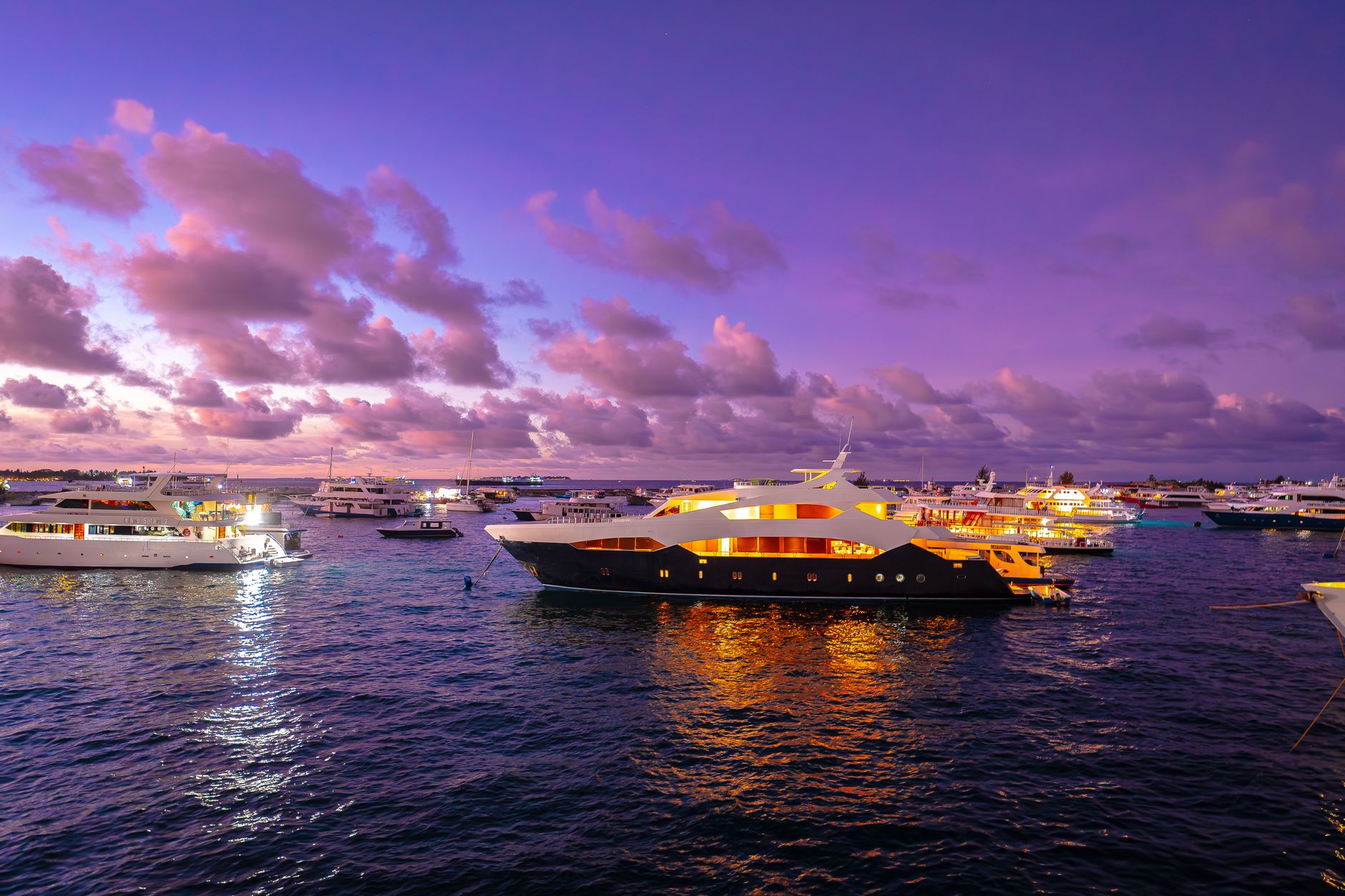
Port Sudan, the main entry point, functions as a working port city rather than a resort town. There are no beach clubs, no all-inclusive hotels, and no dive shops catering to first-timers with rental fins. The infrastructure that exists is almost entirely oriented around liveaboard operations – typically small boats with eight to twelve berths, run by operators who tend to know the sites in granular detail because their client base is small and expects depth of knowledge.
The Logistics of Getting There – and Why They Filter the Crowd
Sudan’s tourism sector operates under conditions that require patience and advance planning that many divers simply aren’t willing to invest. Visa access remains genuinely complicated. Citizens of many Western countries must arrange visas in advance through embassies, and the process can involve extended timelines, documentation requirements, and occasional bureaucratic delays that have no clean workaround. This friction is part of why Sudan’s dive sites remain undercrowded – not because the diving is inferior, but because the path to getting there demands a level of commitment that casual dive tourists tend to redirect toward easier destinations.
Liveaboard departures typically run from Port Sudan, and the city is served by international flights connecting through Cairo, Addis Ababa, and a handful of Gulf hubs. Travel times from Europe run to roughly ten or twelve hours with connections, comparable to flying to the Maldives but with considerably less logistical hand-holding at the other end. Anyone traveling through the Horn of Africa region for wildlife or cultural travel – such as exploring Ethiopia’s Bale Mountains – might find Sudan’s coast a natural extension of an East African trip.
The security situation in Sudan deserves honest acknowledgment. The country has faced serious internal conflict in recent years, and the situation in certain regions remains volatile. The Red Sea coast and Port Sudan specifically have been relatively insulated from the worst of the fighting, and liveaboard operators actively monitor conditions and have cancelled or rerouted itineraries when necessary. Travelers should consult their government’s current travel advisory before booking, and should book only with operators who have established contingency protocols – not a consideration that arises when planning a trip to Sharm el-Sheikh.
For divers who do proceed, the reward is a version of Red Sea diving that feels closer to what the region offered thirty years ago. Shark encounters at Sanganeb – grey reef sharks, hammerheads at certain times of year, the occasional whale shark on a lucky passage – happen without the backdrop of a crowd of underwater photographers jostling for position. The coral cover, particularly on the deeper walls, shows less bleaching damage than sites that see heavy boat traffic and the associated anchor damage, sunscreen runoff, and accidental contact from less careful divers.
Costs are not necessarily lower than Egypt. Liveaboard pricing reflects the remote logistics and small-scale operations, and some Sudan itineraries price comparably to premium Egyptian liveaboards. What you are paying for is access rather than amenity – a meaningful distinction for a certain kind of diver, irrelevant to another.
Who Is Actually Going
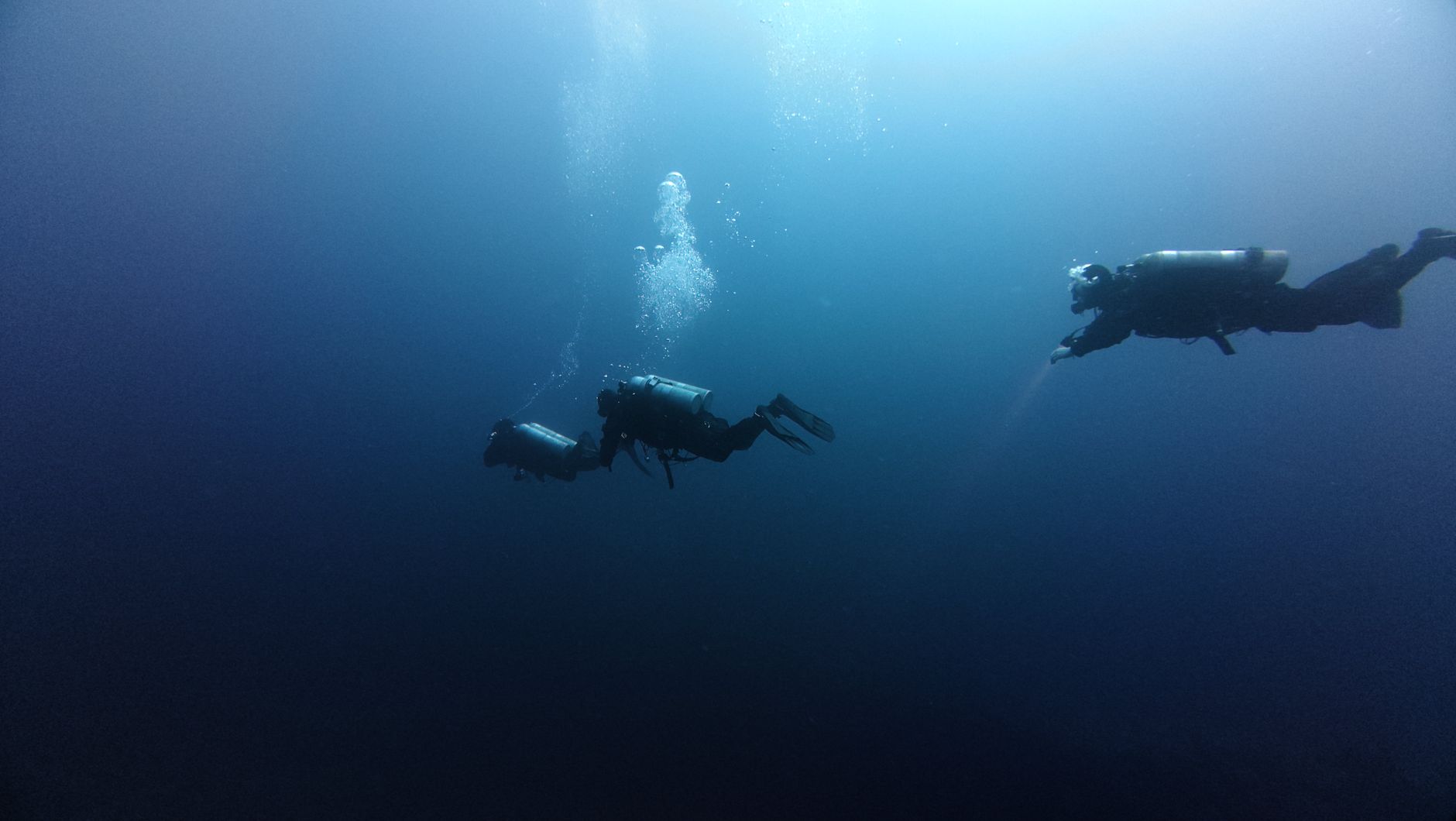
The divers making this trip skew experienced. Most operators informally expect guests to hold advanced open water certifications at minimum, and many itineraries are structured around dives in the 30-to-40 meter range where wreck penetration and current reading become genuinely relevant skills. The client base tends to be self-selecting: people who have already done the Thistlegorm, who have dived the Maldives and the Azores and maybe Palau, and who are looking for a site where the question isn’t which operator gets the best morning slot on the famous wreck, but whether there will be anyone else at the site at all.
Whether Sudan’s dive tourism grows substantially in the coming years depends on factors that have nothing to do with the quality of its reefs – political stabilization, improved flight connections, and the willingness of a wider operator market to build infrastructure around what remains a logistically demanding destination. For now, the Umbria sits in 36 meters of clear water, its cargo of undetonated bombs still in the hold, with soft corals covering the railings and almost nobody watching.