
The Red Sea’s Best-Kept Secret
Egypt’s Ras Mohammed and the Brothers Islands have long held the crown for Red Sea diving. They appear on every bucket list, fill every liveaboard itinerary, and earn the glossy magazine spreads. But roughly 900 kilometers south, off the coast of Sudan, a marine national park called Sanganeb Atoll sits almost entirely undisturbed – visited by a fraction of the divers who crowd the Egyptian sites year-round, yet offering underwater scenery that matches them measure for measure.
Sanganeb was designated a UNESCO World Heritage Site in 2016 alongside the nearby Dungonab Bay, a recognition that surprised few marine biologists but barely registered in the broader dive travel world. The atoll rises from deep water, forming an isolated reef structure roughly 7 kilometers long, ringed by walls that drop several hundred meters into open ocean. That isolation is precisely why the marine life here behaves differently than anywhere else in the Red Sea.
What the Walls Actually Look Like
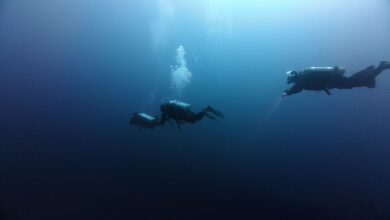
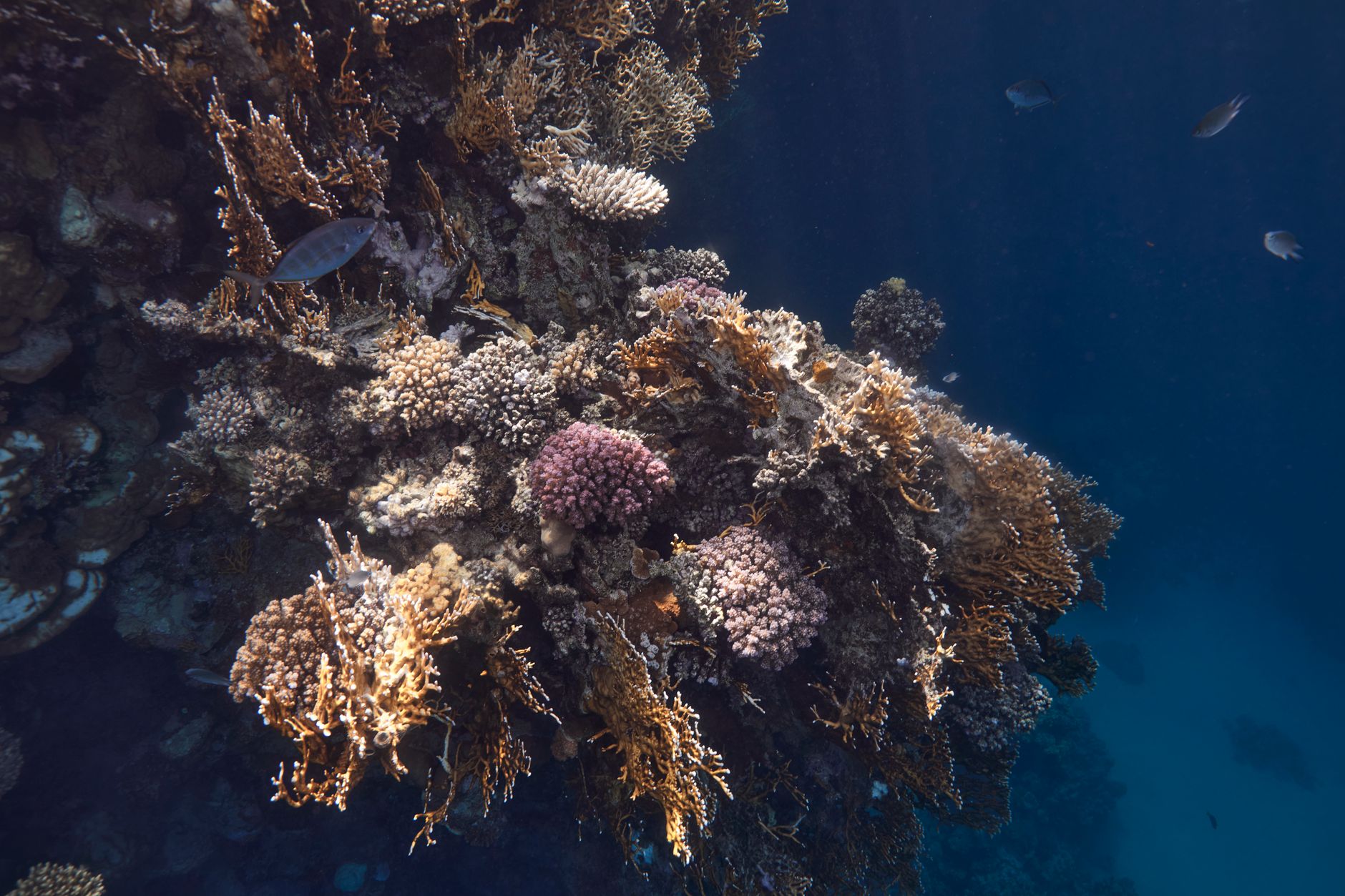
The north point of Sanganeb is where most divers remember to breathe again. A shallow plateau gives way almost instantly to a vertical wall blanketed in soft corals – sea fans, whip corals, and black coral trees extending outward in the current. The visibility on a calm day routinely exceeds 40 meters, and the water clarity has a particular quality that photographers describe as surgical. Colors read true at depth without the green-blue cast that plagues many tropical dive sites.
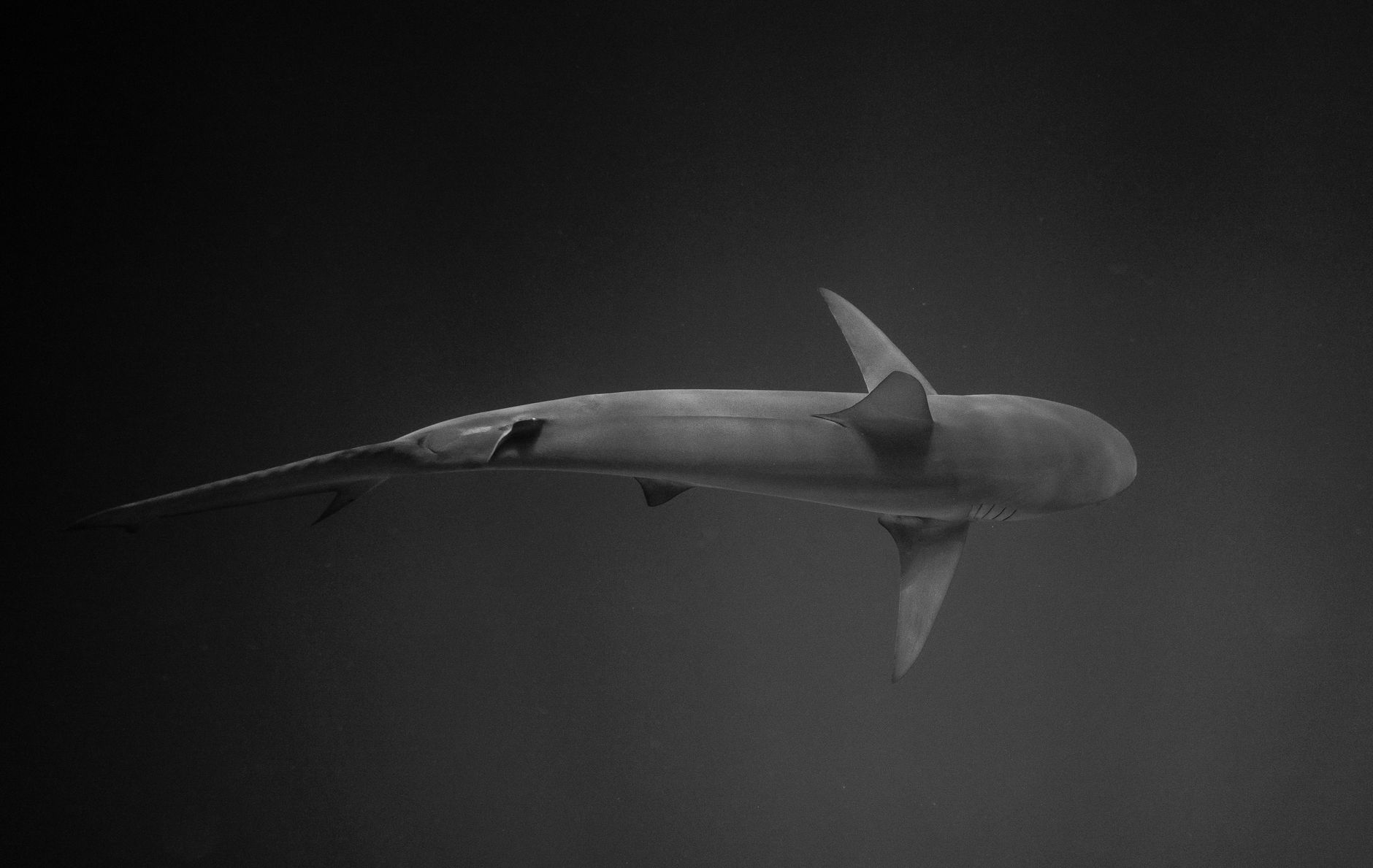
Schooling fish congregate at the atoll’s corners and along the north wall in numbers that require some adjustment. Barracuda spiral in tight tornados overhead. Hammerhead sharks patrol the deep edge of the wall in the early morning, sometimes in groups of a dozen or more. Grey reef sharks are simply part of the furniture. Sanganeb sits in the path of nutrient-rich upwellings that push cold water toward the surface, which is why pelagic life aggregates here so reliably. The biology is not random – there’s a structural reason the sharks come back every morning.
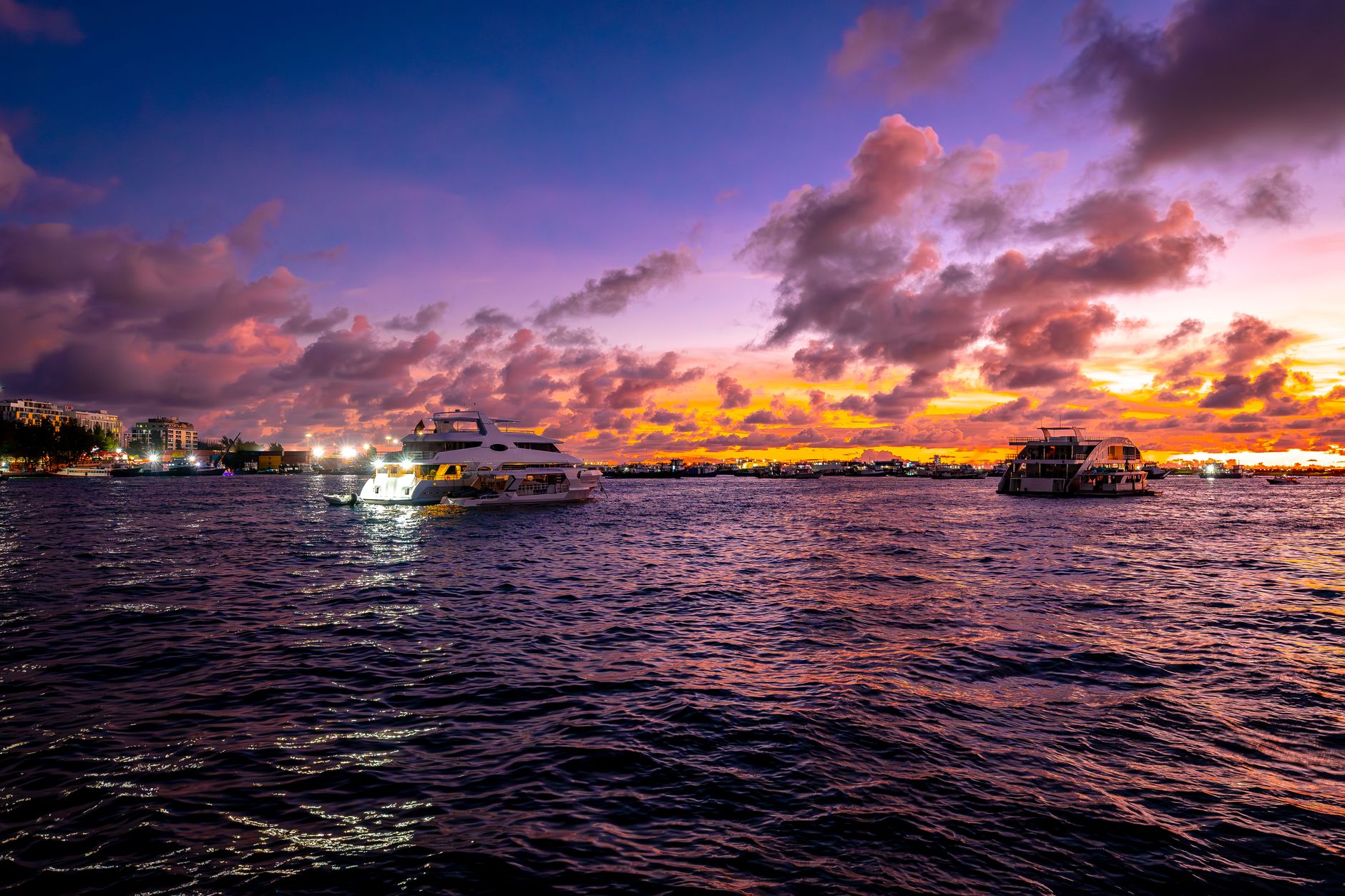
The lighthouse at the atoll’s north point adds an element that few other world-class dive sites can offer: a sense of genuine remoteness. There are no beach clubs, no umbrellas, no competing boats jostling for mooring space. The handful of liveaboards that visit each season tend to anchor overnight and leave the reef to themselves. Noise carries easily across flat water, and on most mornings there is almost none.
Logistics: The Honest Version
Sudan is not an easy destination, and there is little point in pretending otherwise. The political situation has been unstable since the 2023 conflict intensified, and travel advisories from most Western governments have remained at high or do-not-travel levels. This is the central tension for dive travelers who have heard about Sanganeb and want to go: the reef is there, the logistics exist, and the operators who know the water are still operating out of Port Sudan – but the ground situation requires careful, current monitoring before any trip is planned.
For travelers who do their research and work with experienced local operators, the mechanics of a Sanganeb trip have historically involved flying into Port Sudan, joining a liveaboard, and spending four to seven nights at sea. The live-aboard format is the only practical way to access Sanganeb; there is no land-based dive infrastructure near the atoll. That self-contained format, paradoxically, is part of what keeps the site clean. You bring everything you need, you take everything back.
Why Sanganeb Compares – And Where It Falls Short
The comparison to Egyptian dive sites like the Brothers or Daedalus is not flattery. Those sites are exceptional precisely because they share Sanganeb’s key geographic trait – isolated, deep-water reef structures that act as magnets for open-ocean species. The difference is that the Brothers and Daedalus are reliably accessible, legally straightforward, and surrounded by a mature tourism infrastructure. Sudan has the biology but not the infrastructure, and for now, not the stability.
What Sudan does have is coral that has seen significantly less pressure. The reefs at Sanganeb show minimal bleaching damage relative to more heavily trafficked Red Sea sites, and the absence of recreational anchor damage – a genuine problem across busy Egyptian reef systems – means the physical reef structure is largely intact. Coral coverage on some sections of the atoll walls is among the highest documented anywhere in the Red Sea basin. Those numbers are not promotional material; they come from marine survey data collected during the World Heritage assessment process.
Divers who have visited both regions describe Sanganeb as feeling several decades younger than its Egyptian counterparts – less worn, less familiar with human visitors, more willing to cooperate with a camera. The hammerheads here do not veer off at 15 meters the way they often do in heavily dived locations. The grouper sit still. Even the sharks seem less educated about the threat of a diver with a strobe.
For anyone drawn to the idea of reefs that haven’t been discovered by the mainstream dive circuit, Sanganeb represents exactly that kind of opportunity – the question is whether the window stays open. Dive sites that earn UNESCO recognition and word-of-mouth reputation tend to follow a predictable trajectory. The moment ground conditions stabilize and liveaboard operators can market more aggressively, Sanganeb will become a fixture on bucket lists. The reef that greets the first wave of returning visitors will look different from the reef that waited while the world wasn’t watching. The only real question is how different.
Frequently Asked Questions
Is Sanganeb Atoll safe to visit for diving?
As of 2024, most Western governments maintain high-level travel advisories for Sudan due to ongoing conflict. Travelers should check current advisories and work only with established liveaboard operators who monitor ground conditions closely.
How do you get to Sanganeb Atoll?
Access is via liveaboard departing from Port Sudan. There is no land-based dive infrastructure near the atoll, so a live-aboard itinerary of four to seven nights is the standard format.
What marine life can divers expect at Sanganeb?
Sanganeb is known for schooling hammerhead sharks, grey reef sharks, barracuda, large grouper, and extensive soft coral coverage on walls that drop several hundred meters into open ocean.