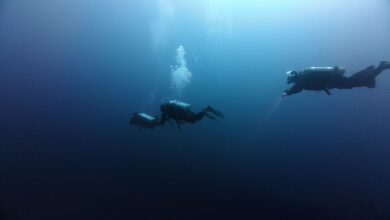

Sanganeb Atoll sits roughly 25 kilometers off Port Sudan in the Red Sea, technically classified as Sudan’s only true offshore atoll and protected as a national marine park since 1990. Most coral divers who think of the Red Sea’s hidden side immediately name Eritrea’s Dahlak Archipelago. Sanganeb is quieter, harder to reach, and – for those who make it – noticeably more raw.
What Makes Sanganeb Different From the Usual Red Sea Circuit
The Red Sea’s northern diving corridor – Sharm el-Sheikh, Hurghada, Aqaba – is well-documented and heavily trafficked. Sanganeb sits entirely outside that circuit, accessible only through Port Sudan and subject to Sudan’s complicated entry logistics. That friction is exactly why its reefs remain in the condition they are. There are no day-trip speedboats, no underwater photography influencers crowding the safety stops, and no resort operators managing the guest experience from a beachfront pool.
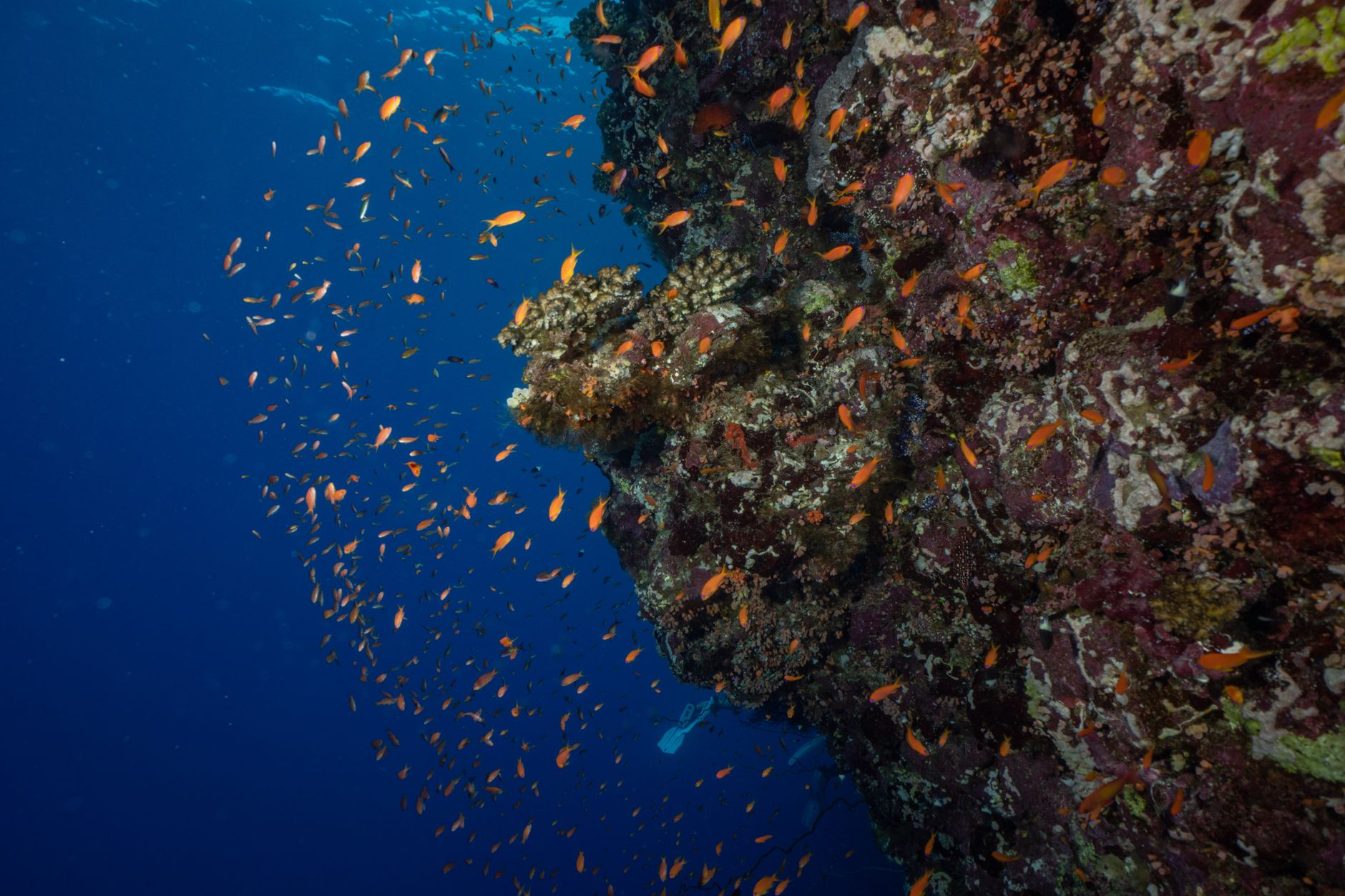
The atoll itself is a roughly oval ring of reef, rising steeply from the sea floor with vertical walls that drop past 200 meters on the eastern and western faces. These walls are the feature. Soft coral growth on the upper sections is dense enough that the reef edge in some spots looks almost upholstered – sea fans, whip corals, and leather corals stacked in layers. Below 30 meters, the wall transitions into something more spare and genuinely deep-sea in character, with occasional sightings of oceanic whitetip sharks moving through the blue water beyond the reef edge.
Hammerhead sharks are the species divers most frequently report at Sanganeb, particularly at the northern tip of the atoll during early morning dives. Schools rather than individuals – which is the distinction that separates this site from most Red Sea encounters. The northern plateau, a shallow table of reef that sits around 12-15 meters before the wall drops away, concentrates fish life in a way that feels almost theatrical. Napoleon wrasse, large grouper, and barracuda schools operate there with a confidence that comes only when a reef has not been heavily pressured.
Sudan’s broader security situation and the ongoing conflict that intensified from 2023 onward have made travel planning genuinely complicated. Any itinerary involving Sanganeb should be built around current, real-time foreign office guidance from your home country – conditions change faster than travel articles can update. That said, the atoll’s status as a UNESCO World Heritage site (designated in 2016 alongside Dungonab Bay to the north) provides some formal international recognition that has helped keep marine protection nominally in place even during difficult political periods.
The Eritrea Comparison and Why Coral Wanderers Are Starting to Notice
Eritrea’s Dahlak Archipelago gets the most attention among adventurous divers looking for uncrowded Red Sea alternatives – and for good reason. The Dahlak’s shallow lagoon systems and isolated island camps offer something genuinely different from continental-shelf diving. But Sanganeb offers a different argument: concentrated pelagic and wall diving at a single, well-defined atoll rather than island-hopping across a vast, logistically demanding archipelago.
The comparison is not about which is “better” in any objective sense. Eritrea’s appeal is spread across a large geographic area that rewards extended liveaboard itineraries. Sanganeb’s appeal is vertical and intense – one atoll, multiple dive sites, high biodiversity compressed into a small area. For divers with limited time who want a single high-impact site rather than a multi-week expedition, the arithmetic favors Sudan.
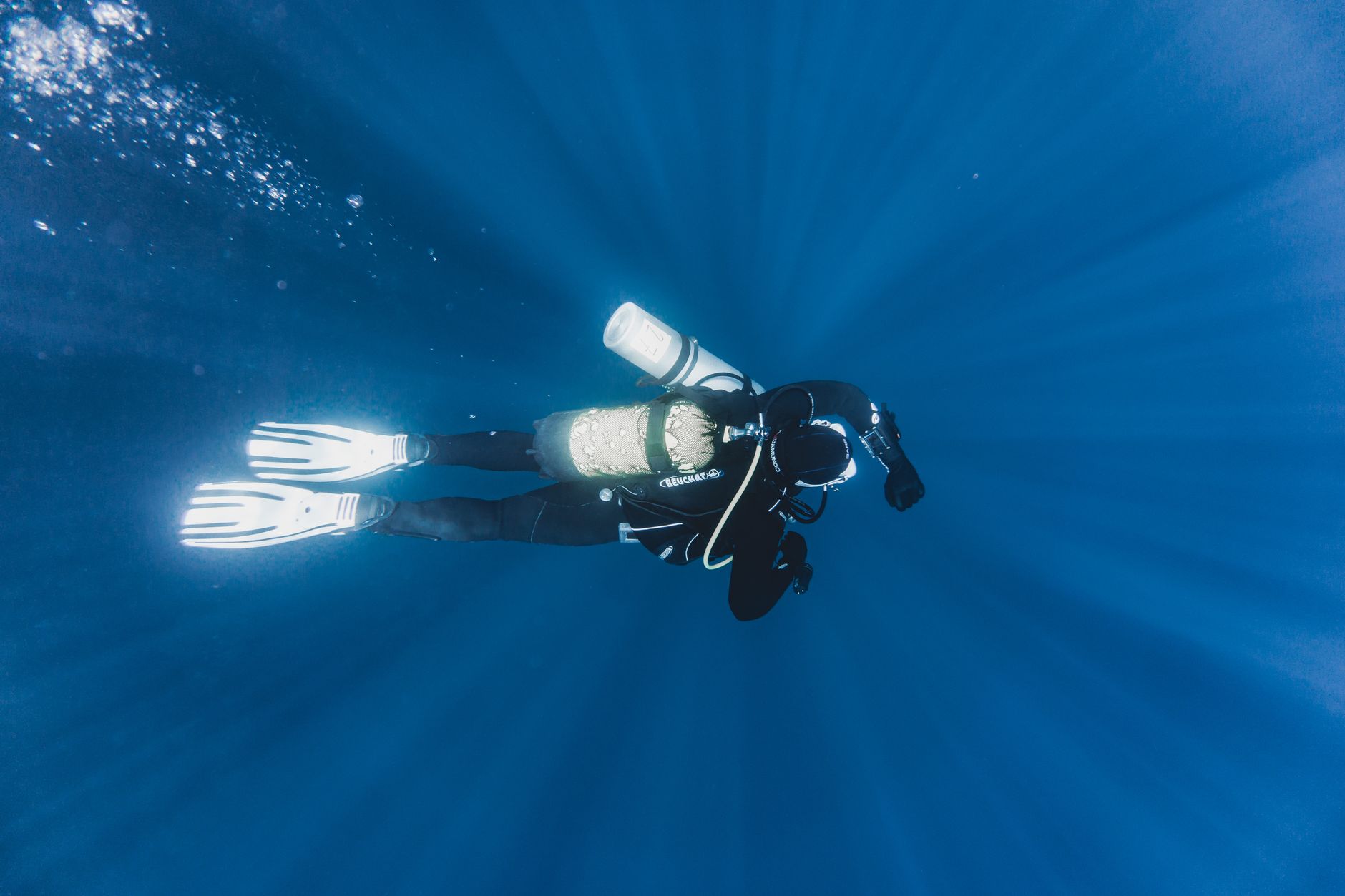
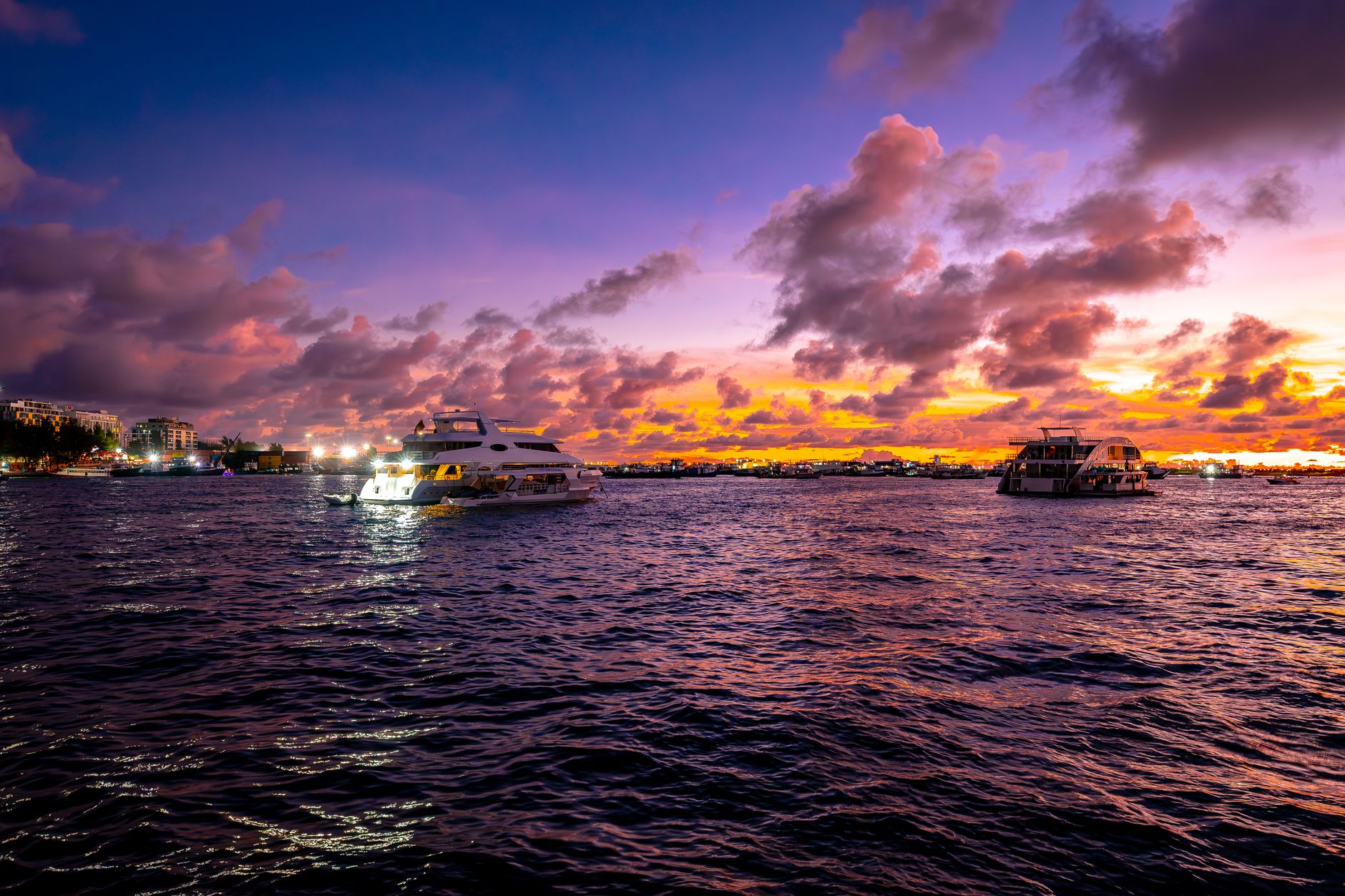
Liveaboard access is currently the only realistic way to dive Sanganeb properly. A handful of operators based out of Port Sudan have historically run week-long itineraries covering Sanganeb, Shaab Rumi (where Jacques-Yves Cousteau’s famous Conshelf II underwater habitat experiment took place in 1963), and sites around Dungonab Bay. These itineraries are small-group by necessity – Port Sudan does not have the tourism infrastructure to support large-scale dive tourism, and most operators run boats with capacity for 8-12 guests. Those conditions also mean guides tend to be highly experienced and the dives genuinely customized rather than regimented.
The Shaab Rumi connection deserves its own mention because it draws a specific category of diving history enthusiast. The remains of Cousteau’s underwater habitat structure are still visible on the seafloor at around 10 meters, sitting inside a reef lagoon that has since evolved around the artificial structure. It is not a pristine historical site – it has been partially colonized by coral growth and marine life – but that transformation is arguably what makes it interesting. The history is embedded in the reef rather than preserved separately from it.
For divers comfortable researching destinations like Indonesia’s Togean Islands or other genuinely off-circuit reef systems, Sanganeb fits within the same framework: high ecological value, low visitor pressure, and a logistical process that rewards preparation over spontaneity. The filtering effect of that complexity means the people who do make it to Sanganeb tend to be experienced underwater travelers who know how to read a dive briefing, manage their own buoyancy, and leave a reef the way they found it.
Planning Reality and What to Actually Expect
Sudan requires a visa for most nationalities, and the application process has historically been slow and document-heavy. Port Sudan’s airport connects to a limited number of regional hubs – Jeddah and Cairo have been the most consistent options – and flight availability shifts with the political climate. Divers who have successfully run Sanganeb itineraries in recent years typically describe a planning timeline of several months, coordination with a liveaboard operator who handles much of the in-country logistics, and a realistic acceptance that the itinerary may need to flex around conditions that cannot be controlled from home.
None of that is unusual for genuinely remote dive destinations. The honest question for any coral wanderer considering Sanganeb is whether the current security environment in Sudan is compatible with travel at all – and that answer belongs to official government advisories and personal risk tolerance, not to a travel feature. What the reef itself offers, when access is viable, is a wall-diving experience that routinely appears in conversations about the Red Sea’s absolute top-tier sites. The atoll has not been significantly altered by mass tourism because mass tourism has never reached it. Whether that protection holds as Sudan eventually stabilizes – and tourism interest inevitably follows – is the tension that defines Sanganeb’s appeal right now, not ten years from now.
Frequently Asked Questions
Is it safe to dive in Sudan at Sanganeb Atoll?
Safety conditions in Sudan change rapidly. Always check your government’s current travel advisory before planning any itinerary involving Port Sudan or Sanganeb.
How do you get to Sanganeb Atoll?
Sanganeb is only accessible by liveaboard from Port Sudan. Most operators run 7-10 day itineraries covering Sanganeb alongside other northern Sudanese reef sites.