Tajikistan’s Wakhan Corridor Quietly Rivals Pamir for Silk Road Wanderers

Where the Silk Road Still Feels Like a Secret
The Pamir Highway gets all the headlines. Adventurers plan for months, ship motorcycles across continents, and arrive in Tajikistan armed with GPS tracks and forum-sourced gear lists. The Wakhan Corridor, running parallel to the south, rarely earns the same advance preparation – and that gap in attention is exactly what makes it worth the detour. Carved between the Hindu Kush range to the south and the Pamir plateau to the north, this narrow strip of land served ancient merchants, Buddhist pilgrims, and Chinese imperial envoys long before any of today’s travelers thought to look for it.
The Wakhan is not a consolation prize for people who missed the Pamir.
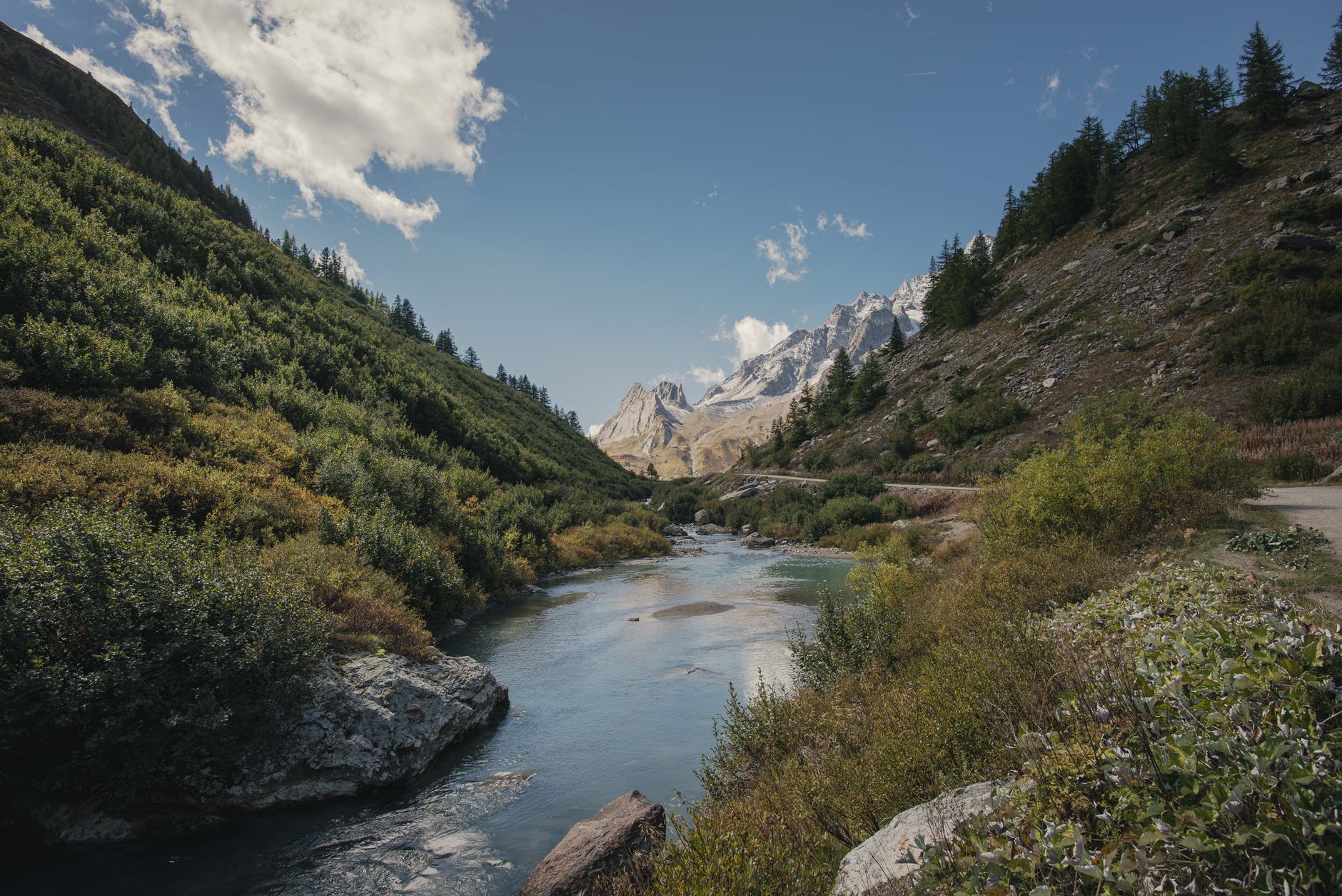
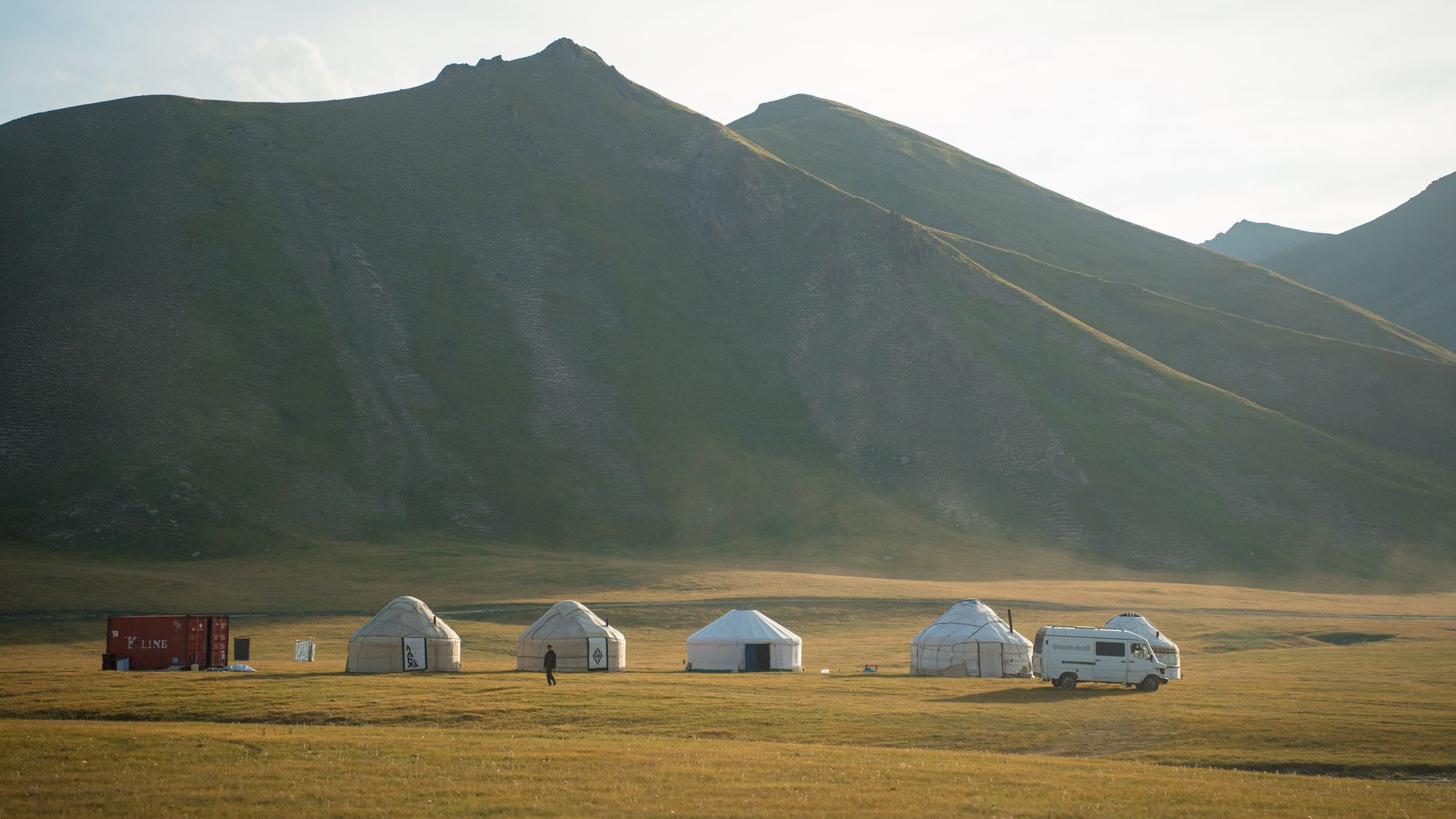
Running roughly 350 kilometers from Ishkashim toward the Chinese border, the corridor hugs the Panj River, which doubles as the border with Afghanistan. On clear days – and there are many – travelers on the Tajik side can watch Wakhi herders moving livestock across the Afghan bank with no particular sense of drama. The mountains here are enormous, snow-capped year-round, and almost completely free of crowds. This is high-altitude Central Asia at its most undisturbed, where yurt camps still outnumber guesthouses and the logistics require patience rather than a booking app.
The Landscape and What It Demands of You
Access to the Wakhan requires a GBAO permit, the same regional permit used for the Pamir Highway, which most travelers organize through a Tajik visa agency before arrival. The road itself is unpaved for long stretches, and the condition varies dramatically by season. Spring thaws bring mud and occasional washouts; summer opens the high passes and turns the valley grasses brilliant green; autumn delivers the best light and the clearest skies, though cold arrives fast after sunset. Winter closes most of the corridor entirely, and the few villages that remain accessible are largely cut off from Dushanbe until the passes reopen.
The infrastructure here is honest about what it offers. Homestays in villages like Langar, Yamg, and Vrang provide basic rooms, local bread baked in clay ovens, and tea that arrives in heavy ceramic pots regardless of the hour. Hot water is intermittent. Electricity in many villages runs on small solar panels or a few hours of generator power per evening. None of this is presented as hardship tourism – it is simply the reality of living and traveling at altitude in a place where the nearest city is a long drive over rough terrain. Travelers who arrive expecting the infrastructure of the Pamir Highway’s more developed guesthouses will need to recalibrate quickly.
What the landscape offers in return is difficult to overstate without slipping into hyperbole. The Zorkul Lake, near the Afghan and Chinese border junction, sits at nearly 4,000 meters and reflects the surrounding peaks in colors that shift from steel grey to amber depending on cloud cover. The petroglyphs at Langar – carved into dark rock faces over thousands of years by different civilizations passing through – are accessible with a short hike and almost no interpretive signage, which means visitors spend more time looking than reading. The Bibi Fatima hot springs, sacred to local Ismaili Muslims, draw both pilgrims and exhausted trekkers, often at the same time.
The Culture Running Through It
The Wakhi people who have lived in this corridor for centuries maintain a distinct identity that sits at the intersection of Tajik, Kyrgyz, and Afghan cultural influences, shaped significantly by Ismaili Islam. Unlike the Sunni majority in much of Tajikistan, Wakhi communities follow the Ismaili branch, which carries its own traditions around music, community gathering, and the role of local leaders. The late Aga Khan’s development network has had a visible presence in the region for decades, funding schools, clinics, and road improvements in communities that Dushanbe’s central government has historically struggled to reach.
Hospitality in the Wakhan runs deep in a way that can feel almost ceremonial. Being invited into a home for a meal is not unusual after a brief roadside conversation. The food is simple – flatbread, cultured milk, dried fruit, occasionally meat – but the act of sharing it carries genuine social weight. Travelers who approach the corridor with curiosity rather than a checklist tend to find that the human exchanges become as memorable as the scenery. For those who have explored Jordan’s Wadi Rum, where Bedouin hospitality follows a similarly unhurried rhythm, the dynamic will feel instinctively familiar.
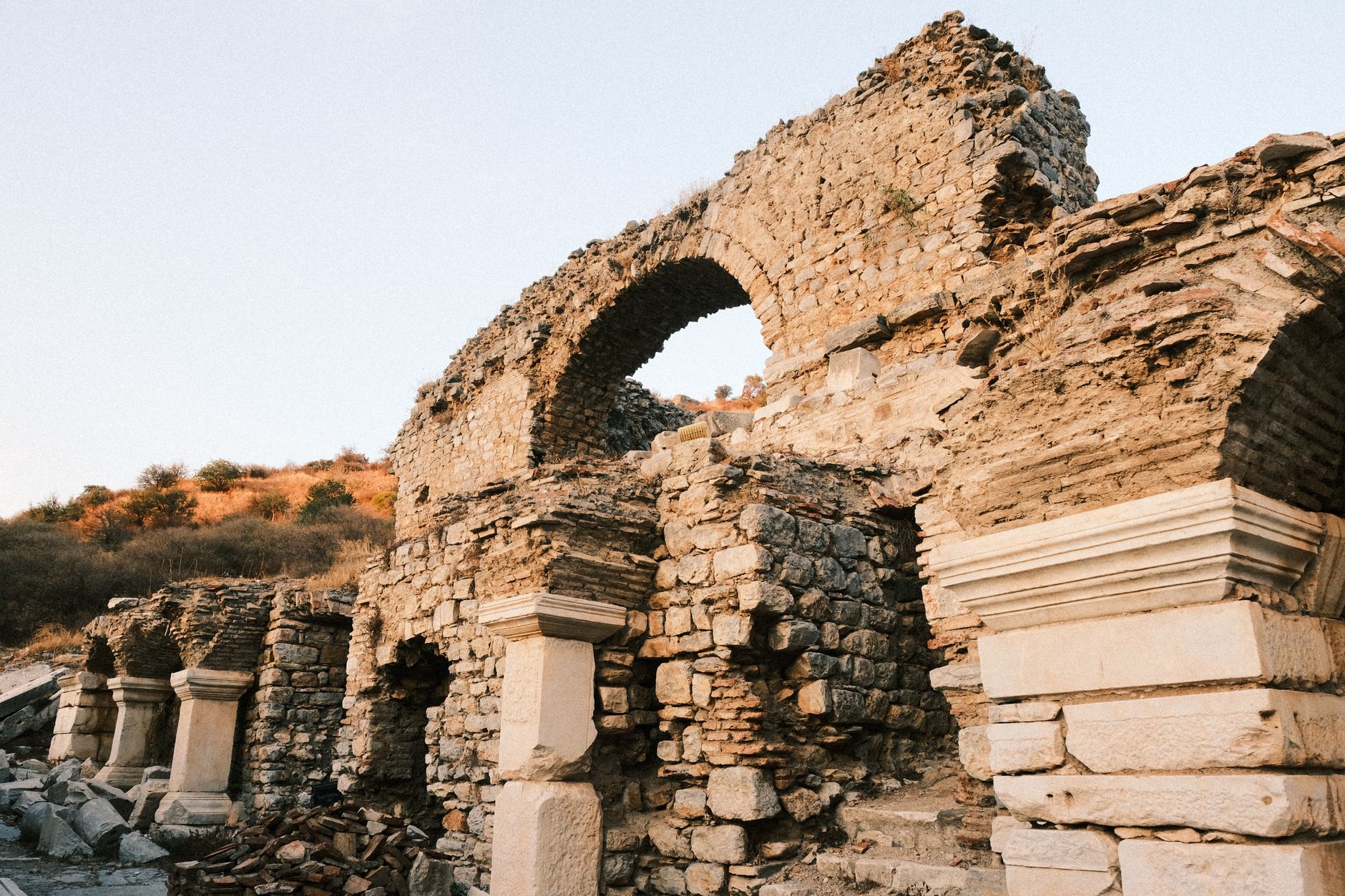
The Wakhan also holds real archaeological weight. The ruins of Yamchun Fortress, a structure believed to date back over two millennia, sit above the valley on a rocky promontory with views across to Afghanistan. Local historians debate its exact origins, with theories ranging from Zoroastrian fire temples to Silk Road trading posts. No major restoration has touched it, which means the stones are exactly where time left them, and walking through the site requires genuine physical effort – loose rock, steep inclines, no handrails. The authenticity is not branded or managed. It is just there.
Why This Place Is Still Quiet
The Wakhan Corridor’s relative obscurity comes down to a combination of logistics and reputation. The Pamir Highway has decades of overland travel writing behind it, a well-worn community of drivers and guesthouses, and a certain romance that attaches to numbered highways. The Wakhan has none of that scaffolding. Getting there means committing to roads that can defeat an underpowered 4×4 and distances that require days rather than afternoon drives. There is no shortcut, no highlight reel version of the experience, and no promise that the specific pass you planned to cross will actually be open when you arrive. For travelers who genuinely want somewhere that has not yet been optimized for their comfort, the Wakhan answers that question directly – and without apology.