Tajikistan’s Wakhan Corridor Quietly Rivals the Pamirs for Silk Road Wanderers

The Wakhan Corridor does not announce itself. This narrow finger of Tajik territory – pressed between Afghanistan to the south, China to the east, and Pakistan barely out of frame – sits so far off the standard Central Asian circuit that most travelers who make it to Dushanbe never hear its name mentioned at all. Those who do reach it tend not to forget it.
Where the Silk Road Becomes Literal
The Pamir Highway has spent the better part of two decades absorbing the attention of overland travelers, adventure motorcyclists, and anyone drawn to the idea of driving across the roof of the world. It deserves that reputation. But the Wakhan Valley, running roughly parallel to the highway’s southern edge, operates on a different register entirely – slower, quieter, and far more connected to the human history that made this region matter in the first place.
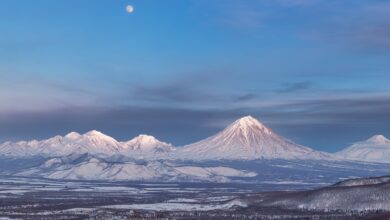
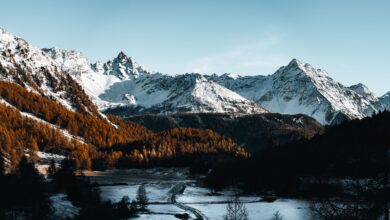
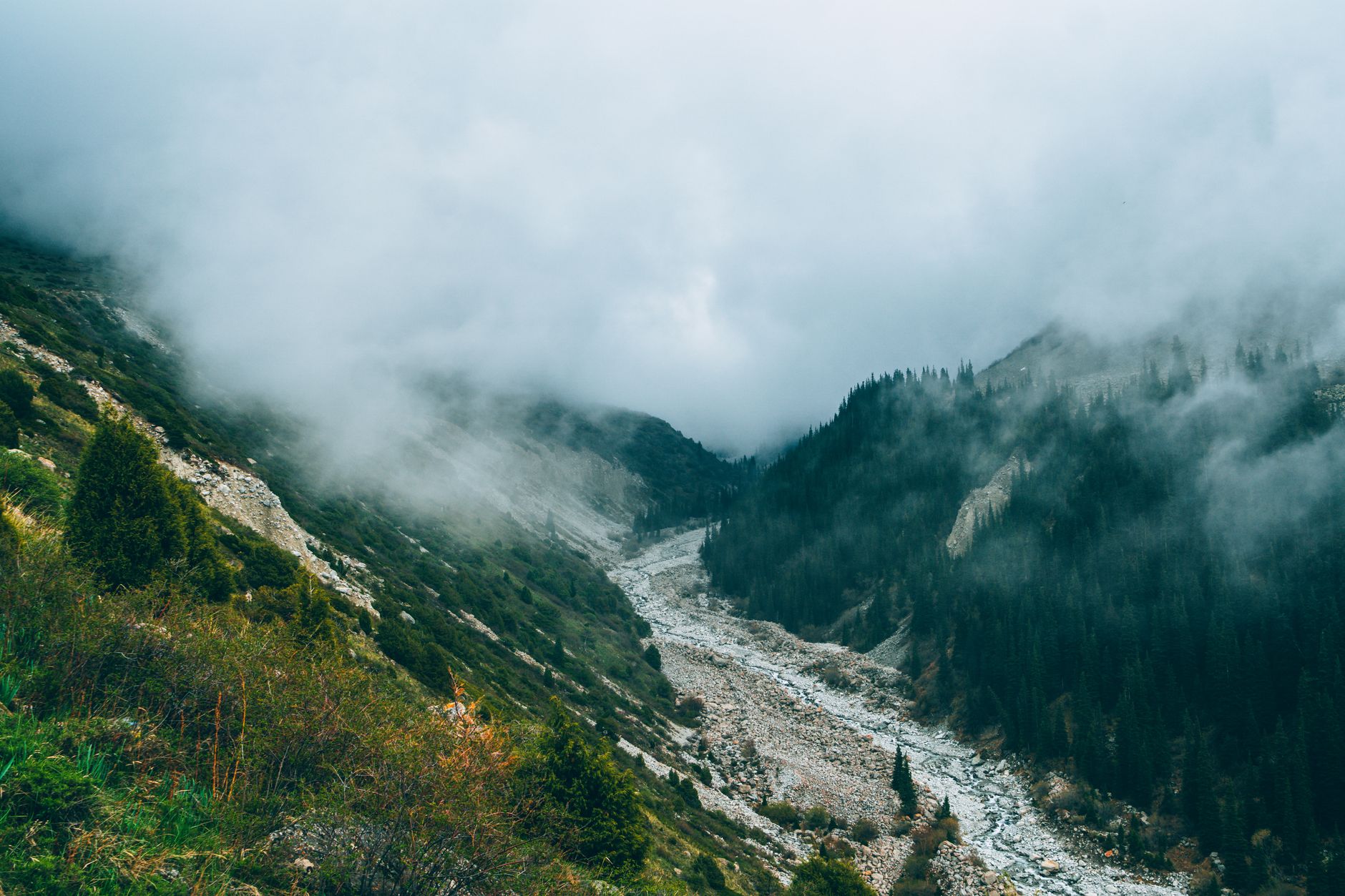
Here, the Panj River forms a natural border with Afghanistan, and on clear days you can watch Wakhi shepherds on the far bank moving livestock across slopes that look identical to the ones you are standing on. The corridor takes its name from the ancient Wakhan route that connected the Chinese empire to Persia and beyond. Marco Polo passed through this general territory in the 13th century, and the landscape has changed so little in the intervening time that his descriptions still read as accurate field notes. The high-altitude meadows, the yak herds, the stone-walled villages stacked against cliff faces – it is all still there.
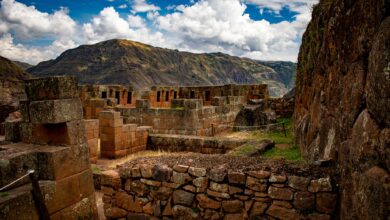
What sets the Wakhan apart from the broader Pamirs is density of historical texture per square kilometer. The region is scattered with Buddhist stupas from the Tang dynasty period, Zoroastrian-era fortifications, and the ruins of caravanserais that once sheltered merchants carrying silk, spices, and lapis lazuli. None of these sites are roped off or curated. You walk up to them, touch the stones, and work out for yourself what you are looking at. There are no plaques in English. Sometimes there are no plaques at all.
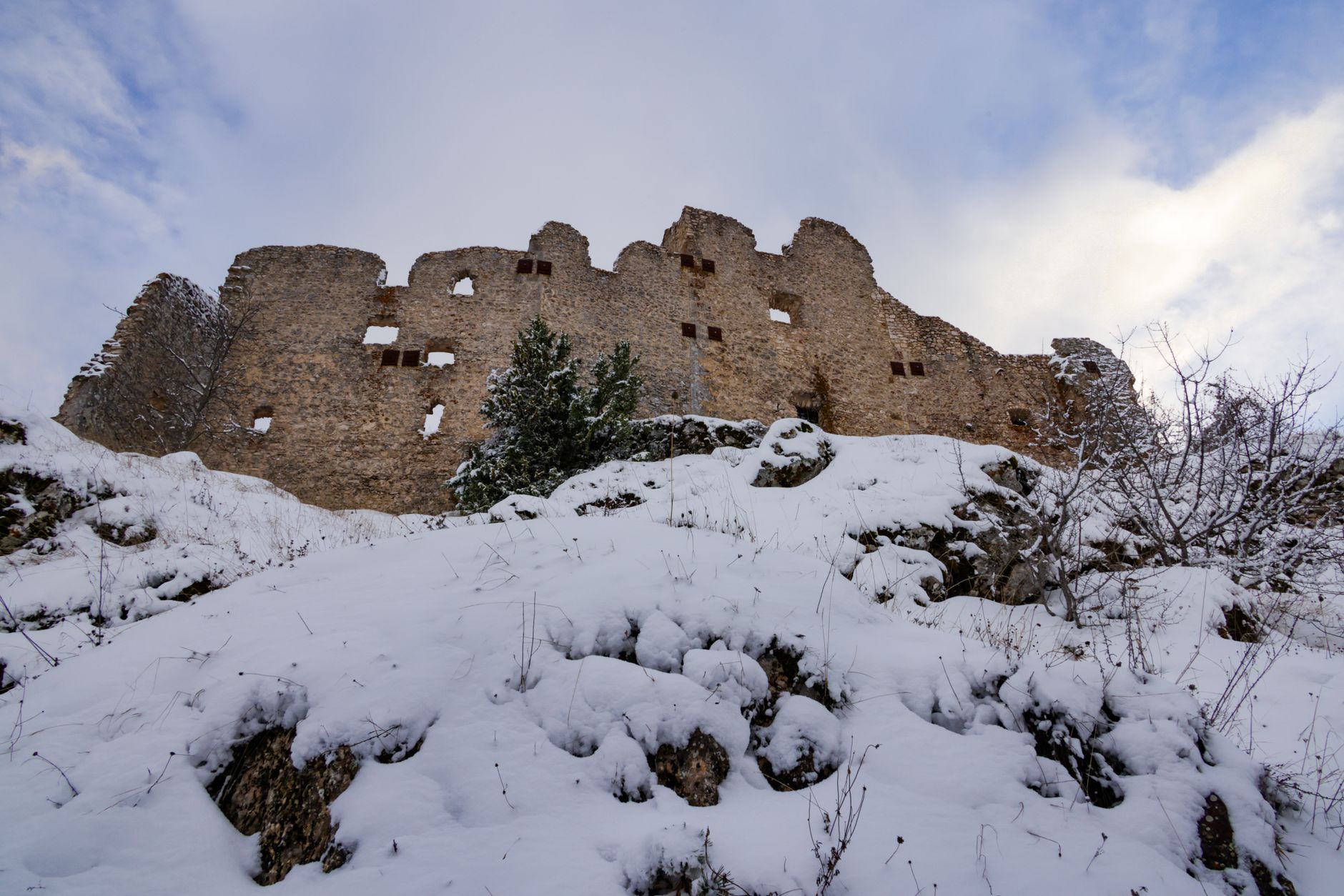
The Yamchun Fortress is the corridor’s most visited site by a comfortable margin, and even then “most visited” is a relative term in a valley where a busy day might mean three other groups camping nearby. The fortress sits at roughly 3,200 meters above sea level on a ridge above the Panj, its walls still standing to considerable height despite being built sometime in the 3rd century CE. Below it, fed by thermal springs, a small Soviet-era bathhouse gives travelers somewhere to defrost after days in the cold. That combination – ancient citadel, warm water, river valley stretching into Afghanistan – is not something you plan for. You just arrive and find it waiting.
Getting There, and What You Find When You Do
The practical realities of reaching the Wakhan Corridor are not trivial. Most travelers base themselves in Khorog, the Gorno-Badakhshan regional capital, before heading south toward the valley. From Khorog, the road to Ishkashim – the main entry point for the corridor – is partially paved and partially aspirational, and travel times depend heavily on whether recent rains have decided to rearrange the route. A sturdy 4×4 with a driver who knows the road is not optional; it is the difference between reaching your destination and waiting two days by a washed-out section of riverbank.
The villages along the Wakhan proper – Langar, Vrang, Zong, Ratm – are small, agricultural, and accustomed to occasional foreign visitors without having reorganized themselves to serve them. Homestays are the primary accommodation format, and the quality varies not in a concerning way but in the way that staying with different families always varies. You might get a spare room with a proper mattress or you might be offered a spot on the floor with wool blankets that have kept people warm here for generations. Both options leave you considerably more rested than you expect at altitude.
Food in the corridor follows the logic of the landscape. Bread baked fresh each morning, yogurt from animals you may have watched being milked an hour earlier, dried fruits and nuts that appear on every table, rice dishes when the household has stores to spare. The Wakhi people are ethnically and linguistically distinct from the Tajik majority, and their hospitality customs carry a formality that feels genuine rather than performed. Refusing offered tea is genuinely considered rude. Accepting a second cup is considered polite. Accepting a third means you are family.
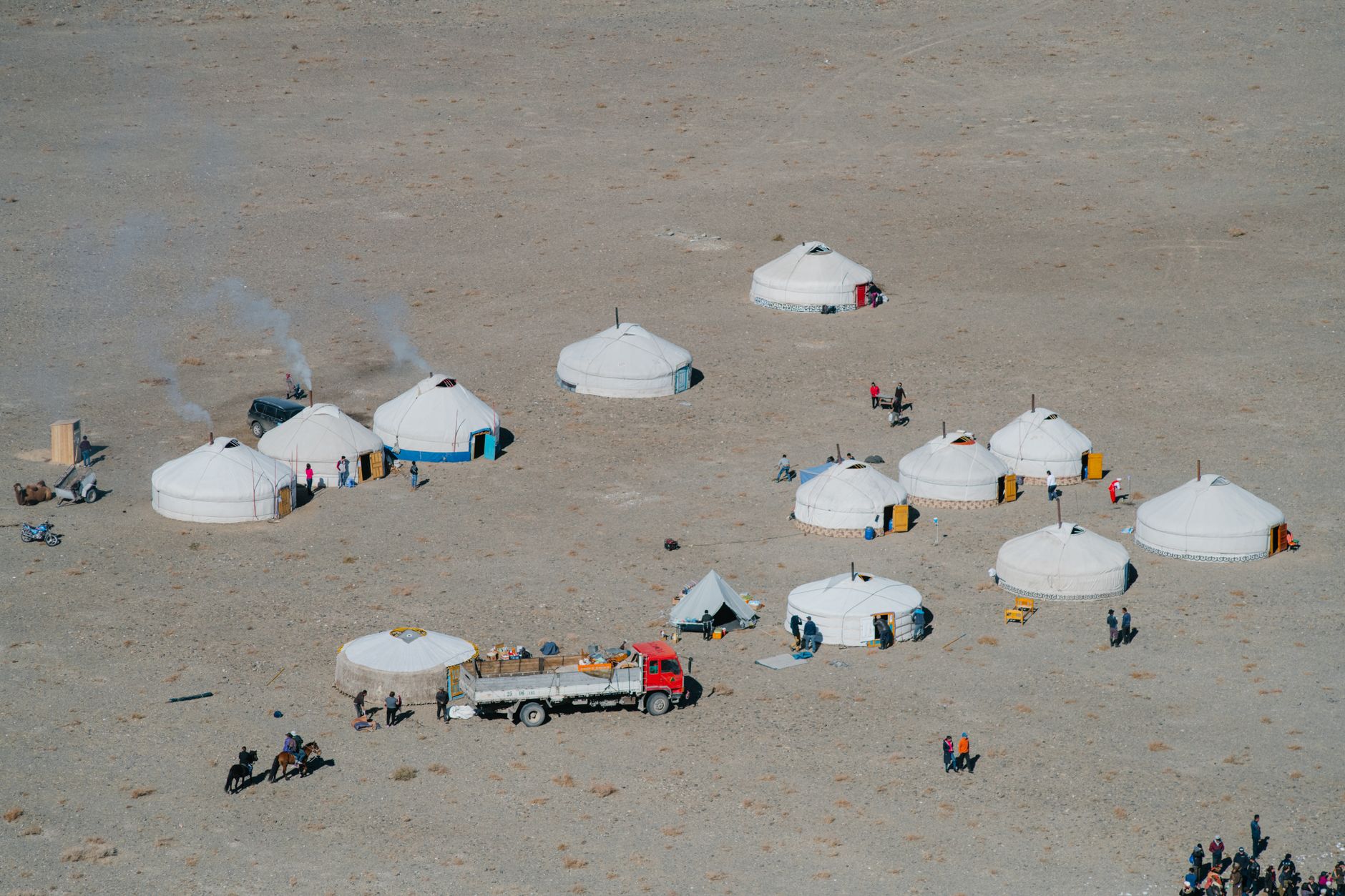
The upper corridor, beyond the main villages and toward the Chinese border, opens into a high-altitude plain called the Wakhan Pamir or Big Pamir that stops most travelers mid-sentence. Kyrgyz semi-nomadic families have grazed this terrain for generations, wintering in lower valleys and returning each summer with their herds. The yurt camps here are functional rather than touristic – some families welcome paying guests, others are simply living their lives and will offer tea regardless. The line between traveler and guest blurs in ways that are disorienting at first and then feel entirely natural.
Wildlife in the upper corridor is another variable that travelers consistently underestimate. Marco Polo sheep – the enormous, spiral-horned wild sheep that Polo himself described as so remarkable that they named the species after him – move through the high plateaus here. Snow leopards are present but rarely seen, which is more or less the defining characteristic of snow leopards everywhere. Golden eagles circle overhead with a consistency that stops feeling extraordinary only after the third or fourth day, and even then not entirely.
The Permit Question and What It Means in Practice
Gorno-Badakhshan Autonomous Oblast, which contains both the Pamirs and the Wakhan Corridor, requires a separate permit beyond the standard Tajikistan visa. The GBAO permit is obtained in advance and is straightforward to arrange, though travelers attempting to cross any point near the Afghan or Chinese borders will encounter additional checkpoints where documentation is examined with genuine attention. None of this is prohibitive, but it does mean the corridor filters itself naturally – people who arrive here have generally done their homework, which shapes the entire character of who you meet on the road.
The deeper question the Wakhan poses is one that travelers from the Silk Road corridor keep returning to regardless of which country they are standing in: how much of what made these routes matter has survived, and how much is projection. In the Wakhan, that question has a more satisfying answer than most places offer. The geography that made it a necessary passage still exists. The cultures that grew up around that passage still exist. The stones of the fortresses that protected it still exist, unmoved, and you can put your hands on them without asking permission.
Frequently Asked Questions
Do you need a special permit to visit the Wakhan Corridor in Tajikistan?
Yes. Beyond a standard Tajikistan visa, you need a GBAO permit for Gorno-Badakhshan Autonomous Oblast. Additional checkpoint controls apply near border zones.
What is the best base for exploring the Wakhan Corridor?
Most travelers start from Khorog, the regional capital, before heading south to Ishkashim and into the corridor. A 4×4 vehicle with an experienced local driver is strongly recommended.