
Where the Forest Closes In and the Crowds Stay Away
Gombe Stream National Park carries a weight of legend. Jane Goodall spent decades there, and that association has made it the default answer whenever someone asks where to watch wild chimpanzees in Tanzania. But Gombe is small – barely 52 square kilometers – and its fame draws a steady flow of visitors to a narrow strip of lakeside forest that the chimps now share with researchers, guides, and curious travelers. About 150 kilometers south along the shore of Lake Tanganyika, Mahale Mountains National Park offers something Gombe simply cannot: scale, solitude, and a population of habituated chimpanzees that ranges across one of the most intact forest ecosystems in East Africa.
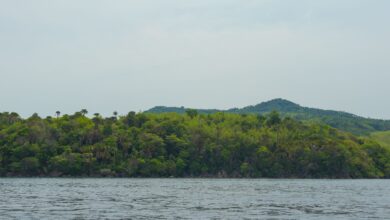
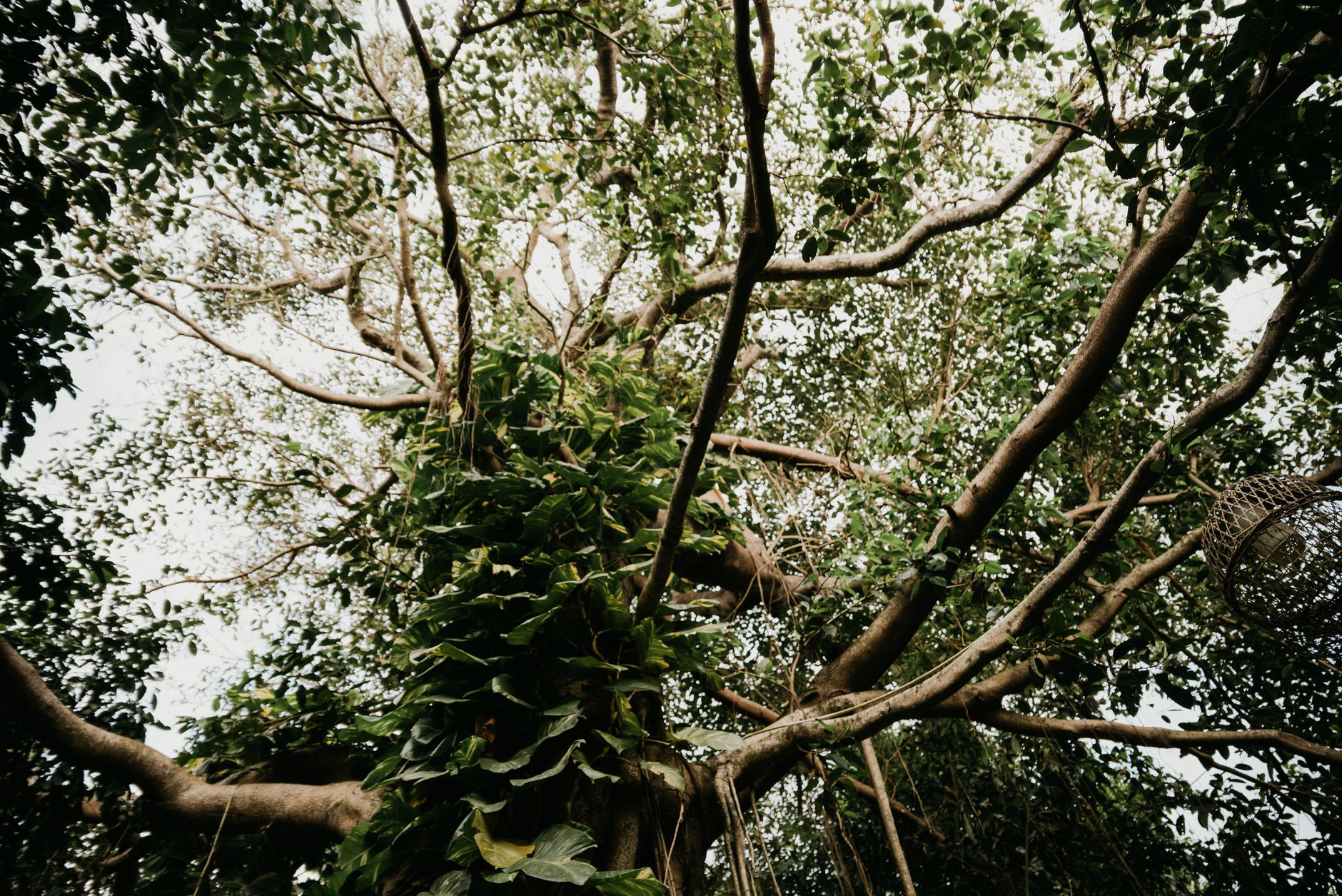
Mahale protects roughly 1,613 square kilometers of montane and lowland forest, rising from the lake’s edge up into mist-covered peaks above 2,400 meters.
The park has no roads. Getting there requires a flight into a bush airstrip or a boat journey across open lake water, which means the traveler who arrives has already committed – to the distance, the logistics, and the kind of trip that doesn’t fit neatly into a week-long safari itinerary. That friction is, paradoxically, exactly what makes Mahale worth it.
The Chimpanzees of Mahale and Why They Matter
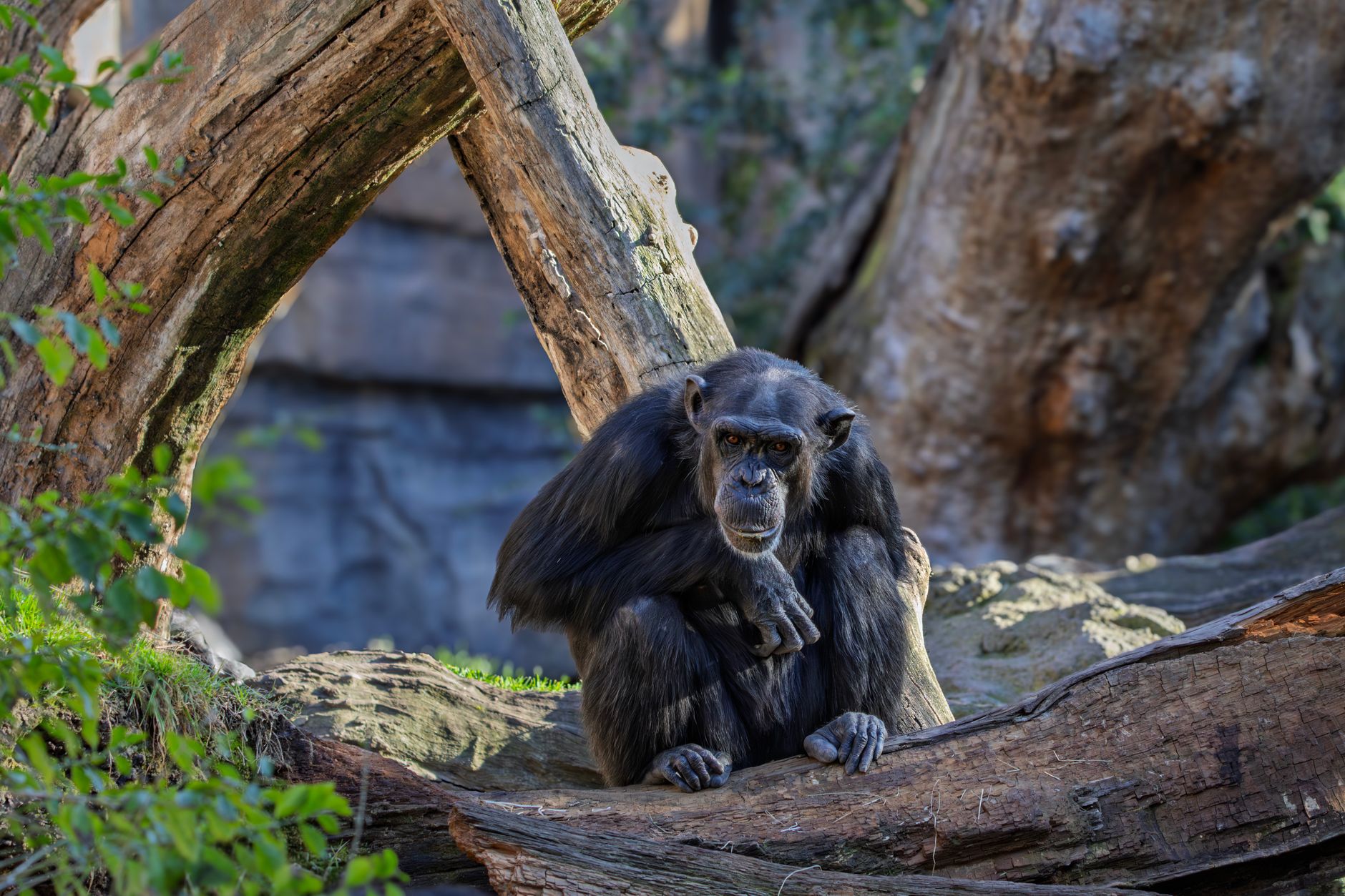
The M-group, Mahale’s most studied and habituated chimpanzee community, has been observed by Japanese researchers since the 1960s – a timeline that rivals Gombe’s own scientific history but receives far less attention in popular travel media. The community currently numbers in the dozens, and because they have been observed continuously for so long, individual animals are known by name, personality, and social position within the group. Tracking them through Mahale’s forest feels less like wildlife spotting and more like walking into an ongoing story you’ve arrived late to.
Encounters here tend to be unhurried. Guides track the chimps through the forest each morning, and once contact is made, visitors spend an hour in proximity – the standard limit set to protect the animals from human disease transmission. But the quality of that hour in Mahale’s dense, cathedral forest, with chimps feeding, grooming, and moving through the canopy above you, is consistently described by returning visitors as more immersive than equivalent time at Gombe. The forest itself amplifies everything: the calls carry differently in this terrain, the light filters through at unexpected angles, and the sheer vertical range of the habitat means you’re as likely to look up as straight ahead.
What Mahale’s elevation also provides is a buffer against the agricultural pressure that fragments forest habitats across much of Central and West Africa. The mountains make large-scale farming impractical, and the lake forms a natural western boundary. This geographic luck has preserved a contiguous forest block that supports not just chimpanzees but a broader primate community including red colobus, red-tailed monkeys, and olive baboons – all visible on a good morning’s walk.
Getting There and What to Expect on the Ground
Logistics are the honest price of admission. Most travelers fly into Mahale via small charter aircraft from Arusha or Dar es Salaam, routing through Katavi National Park – itself a largely overlooked destination worth pairing into any western Tanzania itinerary. Alternatively, a motorized dhow or speedboat from Lagosa can cross the lake in a few hours, but weather on Tanganyika can change without warning, and this option works better as part of a longer overland journey than as a primary access route.
Accommodation inside the park is deliberately limited. A small number of tented camps operate on concession, all positioned close to the lake shore, and the total bed count across the park stays low by design. That scarcity keeps crowds manageable but also means Mahale demands early planning – peak season bookings, typically between May and October when trails are drier and chimps are more active at lower elevations, fill well in advance. The dry season also brings clearer skies over the lake, turning the evenings into something almost theatrical, with the Congolese mountains visible across the water at dusk.
Visitors coming from a classic northern Tanzania circuit – Serengeti, Ngorongoro, Tarangire – will find Mahale operates on a different logic entirely. There are no vehicles inside the park. All movement is on foot. Morning chimpanzee treks can last anywhere from one hour to most of the day depending on where the M-group has ranged, and guides work hard to manage expectations on this point. Some days the chimps are resting 20 minutes from camp. Other days you’re climbing for three hours through steep terrain before the forest sounds shift and the guides stop, hold up a hand, and point into the canopy.
The Comparison Gombe Travelers Should Hear
Comparing Mahale directly to Gombe tends to frustrate advocates of both parks, and that instinct to resist comparison is worth respecting – they are genuinely different experiences, not competing products. Gombe’s intimacy, its compact geography, and its direct connection to Goodall’s research legacy give it a kind of pilgrimage quality that Mahale doesn’t replicate and isn’t trying to. For travelers motivated by that historical thread, Gombe delivers something specific and irreplaceable. But for anyone whose primary interest is the chimpanzees themselves – their behavior, their social complexity, the experience of encountering them on foot in deep forest – Mahale’s greater habitat scale and lower visitor density produces encounters that are harder to replicate anywhere else in the region. Forests like this one, with their intact canopy and unbroken catchment, are also becoming rarer across Central and West Africa, where habitat loss continues to fragment primate populations; similar pressures play out differently in Cameroon’s Lobeke region, where forest concessions and conservation zones sit in close and uneasy proximity.
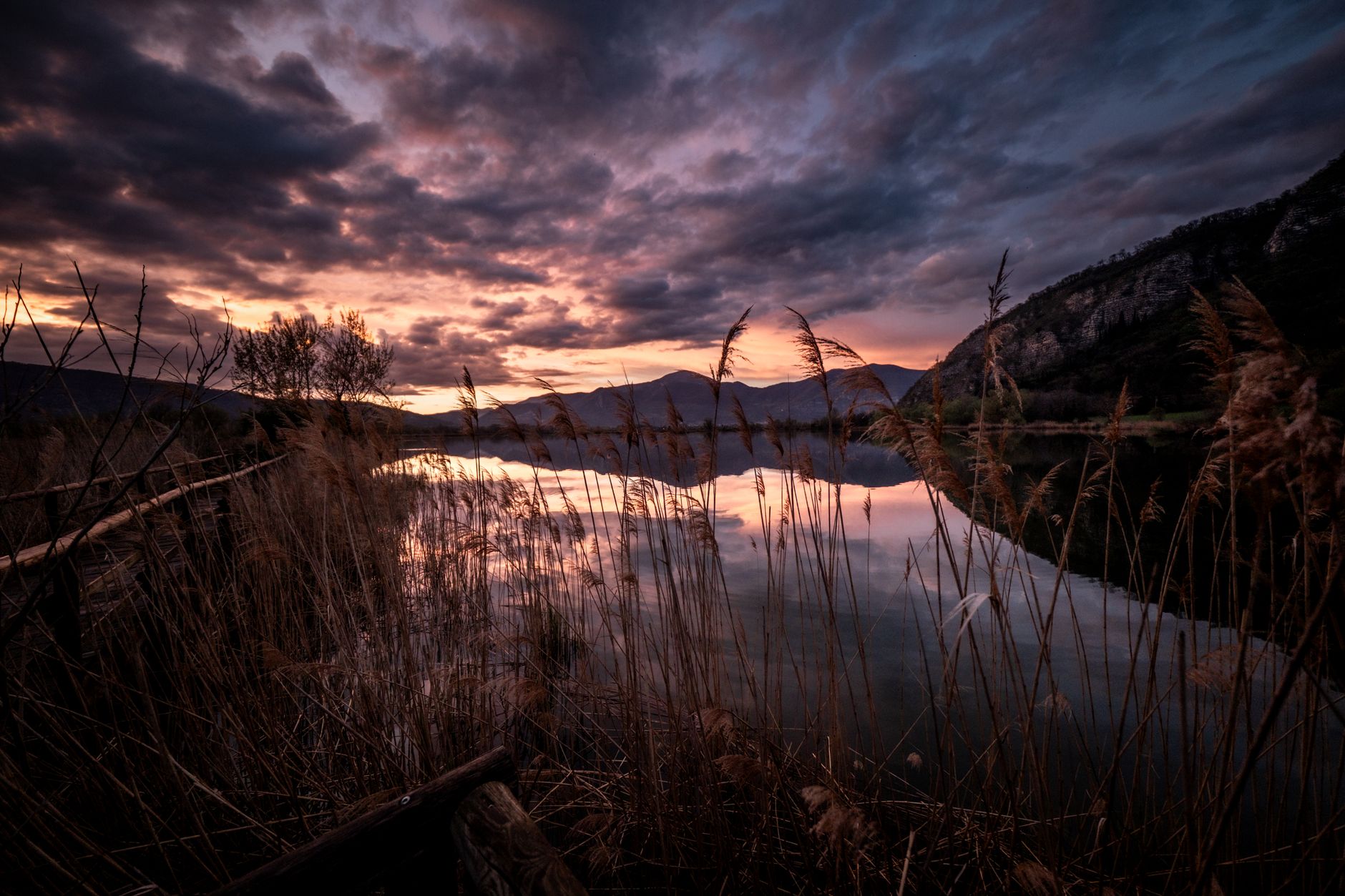
The single most repeated observation from travelers who visit Mahale after Gombe is not about the chimps at all – it’s about the silence. Standing in Mahale’s forest between sightings, with the lake occasionally visible through the trees below and no engine noise, no distant road sound, nothing human-made audible in any direction, the place imposes itself. That silence has a weight. Gombe, for all its legitimacy, can’t quite offer it anymore.