
Gombe Stream National Park carries Jane Goodall’s name in its legacy and that weight draws most visitors straight to Tanzania’s northwest shore of Lake Tanganyika. Mahale Mountains National Park sits just 150 kilometers south along the same shoreline – no road access, no tourist infrastructure to speak of, and a chimpanzee population that researchers have been studying nearly as long. The gap in attention between these two parks says more about marketing than it does about wildlife.
A Park Built on Remoteness
Reaching Mahale requires either a charter flight into a small airstrip or a boat journey across open lake water, sometimes taking the better part of a day from the nearest town of Kigoma. That inaccessibility is not incidental – it is the entire point. The park receives only a few hundred visitors per year, which means the chimpanzees that move through its forests are not navigating crowds of tourists with telephoto lenses. Trekking groups are capped at small numbers per day, and encounters are genuinely limited in duration to protect the animals’ routines.
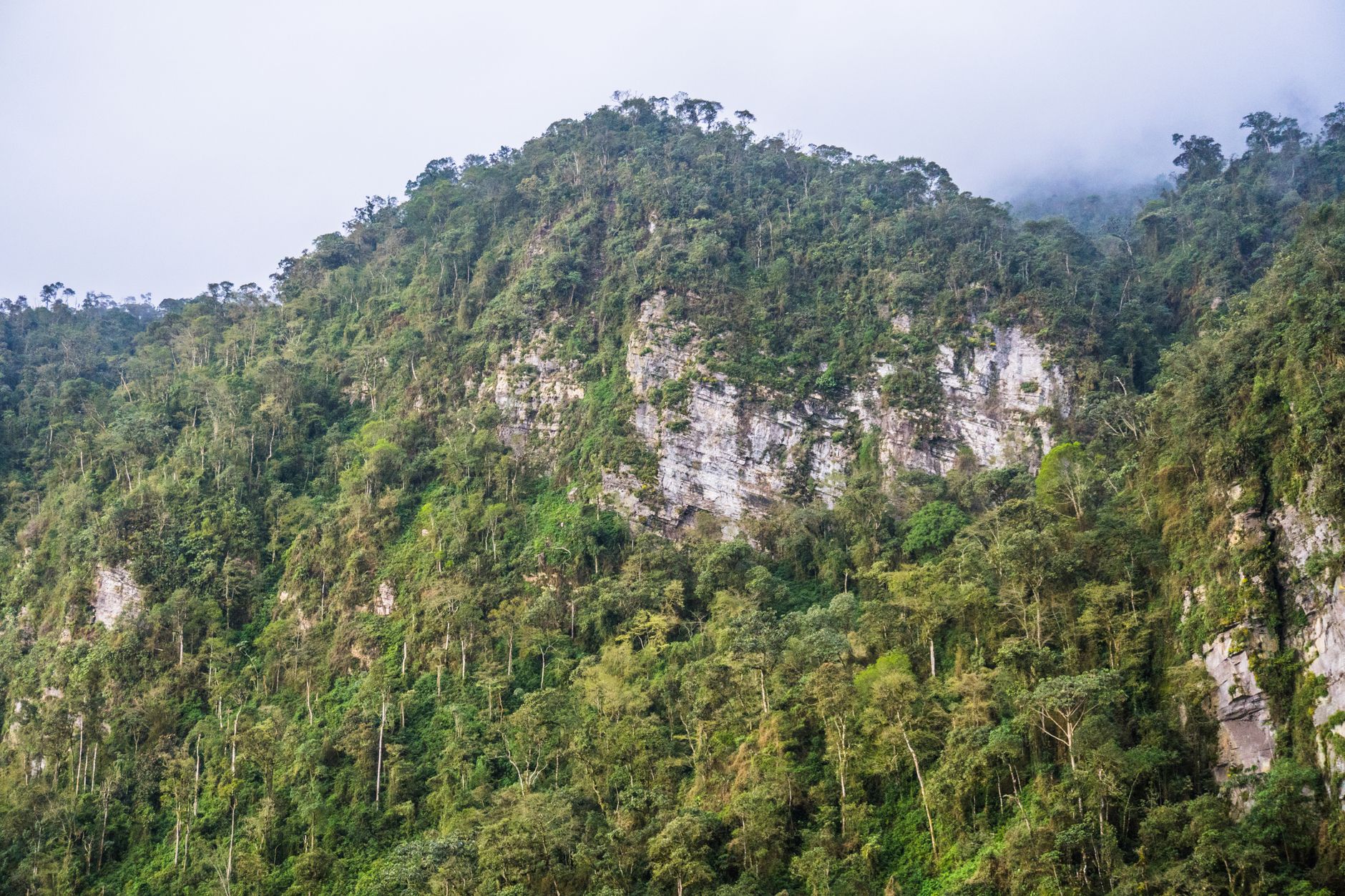
Mahale protects roughly 1,600 square kilometers of montane forest, lowland woodland, and open grassland that rises steeply from the lake into the Mahale Mountains themselves. The terrain is far more varied than Gombe’s narrow strip of lakeshore forest, and that variety supports a wider ecological range. Oil palms, fig trees, and thick undergrowth create the kind of dense canopy that chimpanzees exploit for food, shelter, and social gathering. The park also holds significant populations of red colobus monkeys, bushbuck, and a bird list that stops serious birders cold.
The Mimikere community of chimpanzees – the group most habituated to human presence – has been under continuous observation since the 1960s when Japanese primatologist Toshisada Nishida began research that would reshape the field alongside Goodall’s concurrent work at Gombe. That parallel scientific history is something many visitors never hear before arriving, which creates a strange dynamic: tourists come thinking they are visiting a secondary site and quickly realize they are standing in equally significant scientific ground.
Unlike Gombe, which sits adjacent to fishing villages and faces ongoing pressure from the surrounding landscape, Mahale’s buffer zones are largely intact. The mountains act as a natural barrier to encroachment, and the lake forms a hard boundary to the west. That physical geography means the forest is not fragmenting the way lakeshore forests elsewhere in East Africa are, and the chimpanzee range within the park remains largely connected.
What the Trekking Experience Actually Looks Like
There are no marked trails into Mahale’s interior. Rangers and trackers move through forest using knowledge accumulated across years of daily contact with the chimp groups, reading bent branches, fresh nests, discarded fruit rinds, and vocalizations to find where the community has moved overnight. On some days, the trekking group locates chimpanzees within 45 minutes. On others, the search extends to three or four hours of uphill walking through terrain that does not apologize for itself.
When contact does happen, it tends to be overwhelming in a way that photographs do not capture. Chimpanzees are large animals – adult males can weigh over 50 kilograms – and the Mimikere group does not treat human observers as threats. They move around, above, and occasionally directly past trekking groups, which produces a quality of encounter that feels nothing like a zoo and nothing like watching from a vehicle. The eight-meter minimum distance rule exists and rangers enforce it, but the chimpanzees themselves do not always observe it from their side.
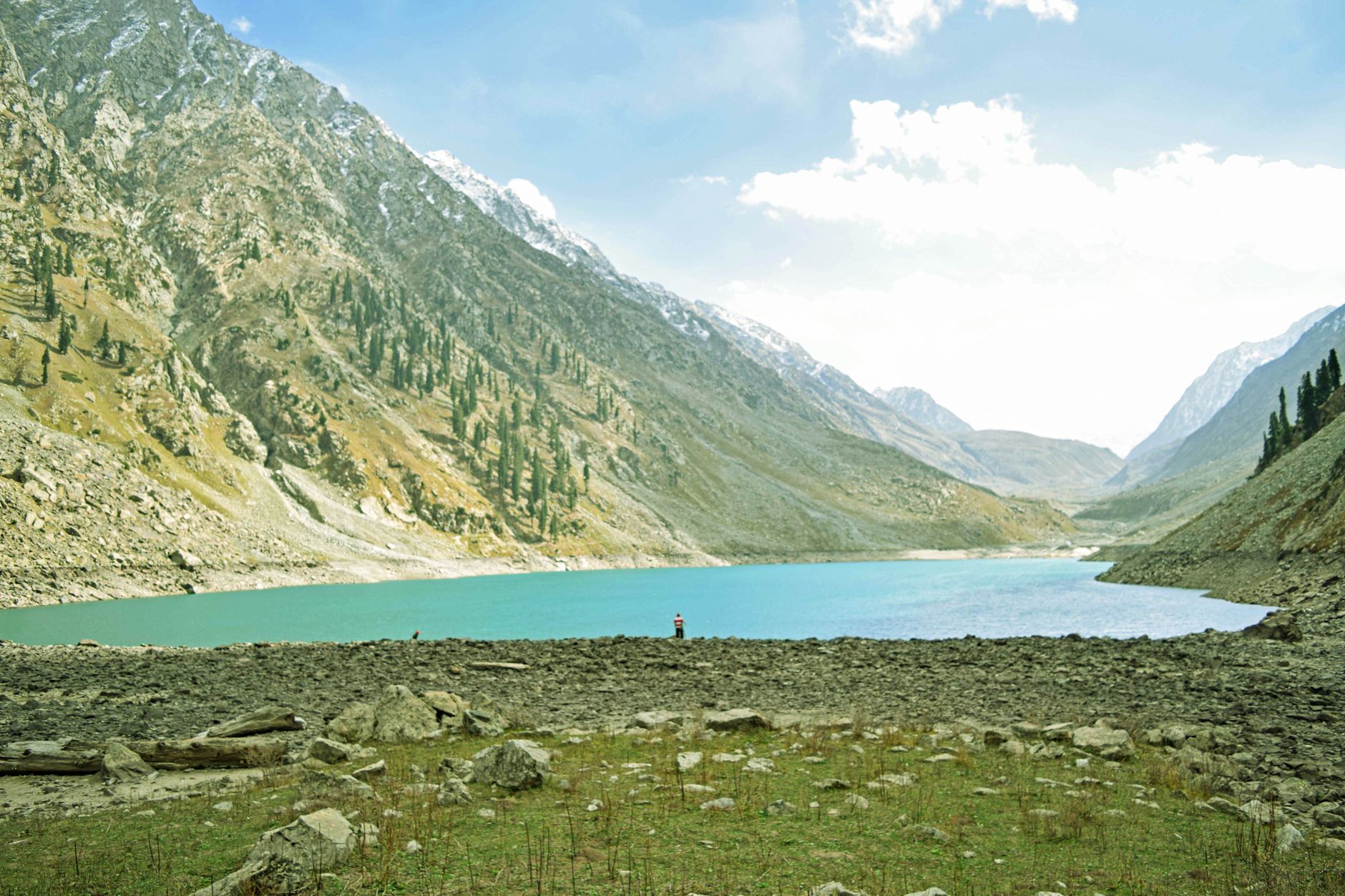
The lake itself forms an unusual backdrop to every Mahale experience. Chimpanzees sometimes descend to the beach to drink or simply to sit near the water, and the sight of a great ape against the blue of Lake Tanganyika – the world’s second-deepest lake – is genuinely disorienting in the best possible way. Swimming in the lake is possible at most camps, the water is clear, and the snorkeling in the shallows holds its own against coastal destinations. Mahale is one of the few wildlife destinations where the activity list after a morning chimp trek is not just waiting for dinner.
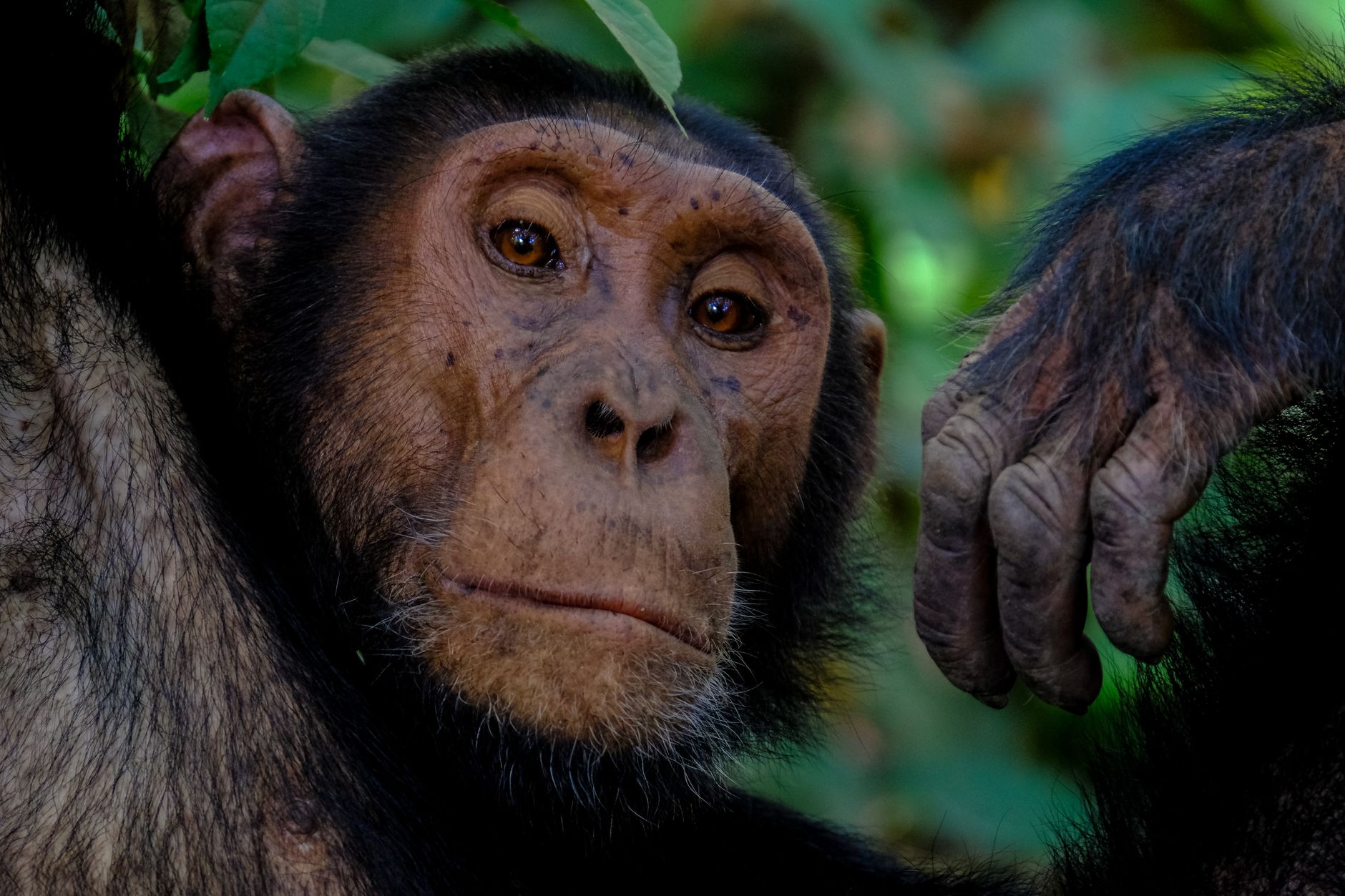
The camp options at Mahale are few and intentionally so. A small number of luxury tented camps operate seasonally, typically from June through October when the trails dry out and overland movement through the forest becomes manageable. Those months also align with cooler temperatures and lower humidity, which matters when walking uphill through dense vegetation. The camps close during the long rains, and that seasonal rhythm keeps the annual visitor count low enough that the park feels genuinely remote rather than performatively so.
For travelers already planning an East African trip through Madagascar’s lemur country or elsewhere on the continent, the logistics of adding Mahale work surprisingly well if Kigoma is already in the routing. The town connects by air to Dar es Salaam and by ferry along the lake. Anyone willing to treat the journey itself as part of the itinerary rather than an obstacle finds that the approach by boat – watching the mountains rise out of the water as the shore comes into view – sets an appropriate tone for what follows.
The Comparison With Gombe That Matters
Gombe deserves its reputation. The research conducted there produced some of the most consequential work in primatology, and the park’s association with Goodall’s decades of observation is inseparable from how the world thinks about chimpanzee behavior and conservation. But Gombe covers only 35 square kilometers. Mahale is more than 40 times larger, holds a comparable number of habituated chimpanzees available for tourist trekking, and operates under lower visitor pressure. The habitat is more intact, the landscape more dramatic, and the overall experience of wildness more complete.
The question worth asking before booking either destination is what the trip is actually for. If the goal is to connect with Goodall’s specific legacy and the history of a particular research site, Gombe is irreplaceable. If the goal is the chimpanzee encounter itself, in the most intact forest and the least-crowded conditions available in East Africa, Mahale answers that question without compromise – and it does so while the majority of Tanzania-bound travelers are still debating which Serengeti camp to book.