Tanzania’s Mahale Mountains Quietly Rival the Serengeti for Chimpanzee Wanderers

Where the Forest Goes Quiet and the Chimps Come Close
Most travelers who think about Tanzania picture the Serengeti’s open plains, the wildebeest crossing, the big cats stretched across amber grass. Mahale Mountains National Park sits at the opposite end of that imagination – remote, forested, pressed against the eastern shore of Lake Tanganyika, and almost entirely off the radar for first-time visitors to East Africa. That obscurity is both its defining quirk and its greatest draw.
The park protects one of the largest known populations of wild chimpanzees on the continent, a community of several hundred individuals that researchers have studied for decades. Getting there requires a combination of flights, boat transfers, and genuine logistical patience – there are no roads into Mahale. That barrier alone filters out a certain kind of tourist, and the ones who arrive tend to stay longer, move slower, and leave with a different kind of story.
The Trek Into Chimpanzee Territory
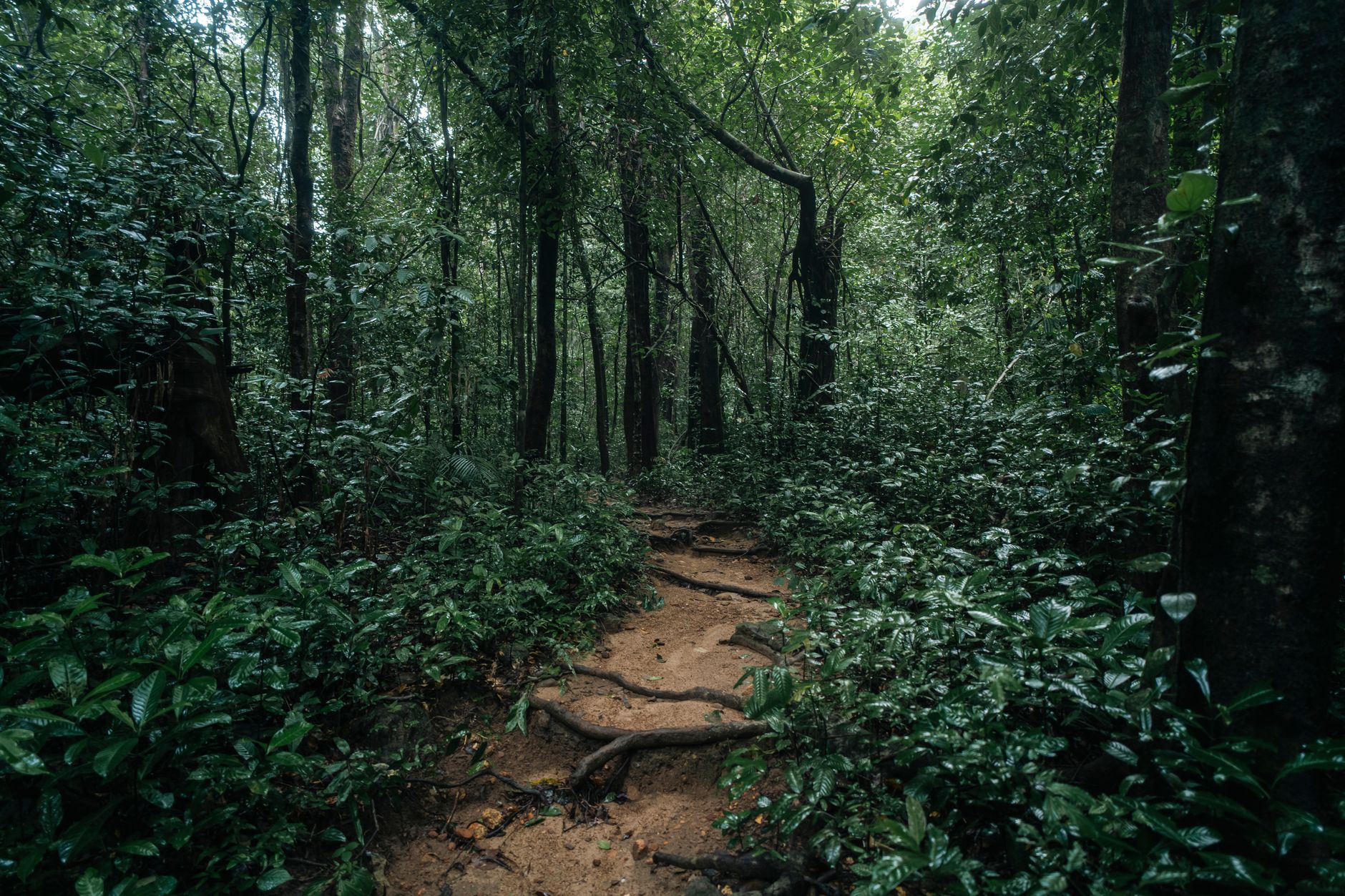
Tracking begins at dawn. Guides and park rangers lead groups on foot through dense montane forest, following the sounds – calls, branch movement, the low rumble of a chimp settling into a fig tree. The habituated Mimikere community, the group most accessible to visitors, has been observed by researchers since the 1960s, which means the animals have grown indifferent to human presence in a way that makes close observation possible without crowding or stress.
The terrain is not a gentle stroll. Visitors push through undergrowth, cross shallow streams, and climb gradients that reveal just how seriously the “mountains” in Mahale Mountains should be taken. Park rules cap group sizes during chimp encounters, which preserves a quality of experience that larger wildlife circuits struggle to maintain. There is no vehicle, no zoom lens between you and what you came to see.
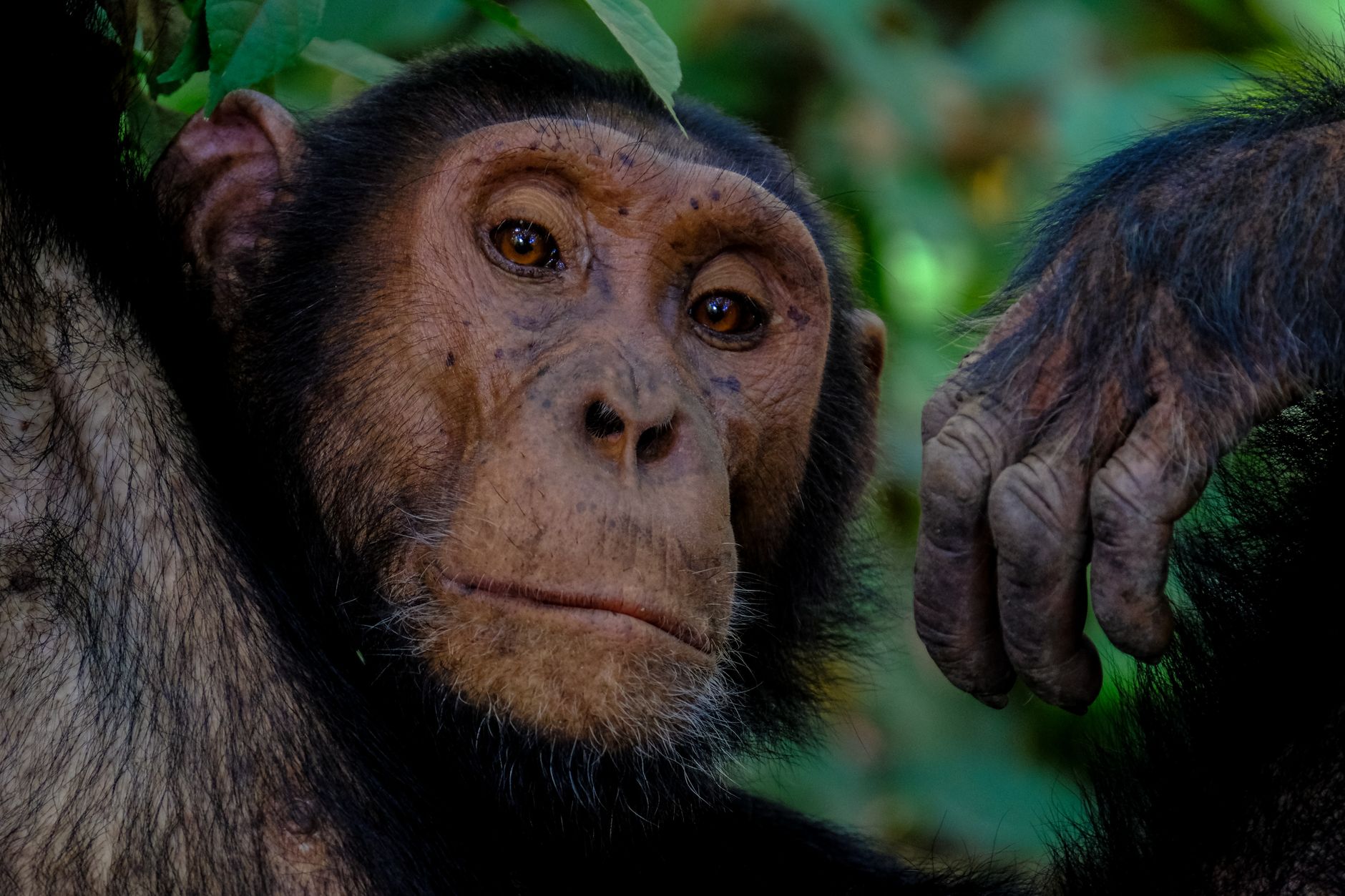
What stops most people mid-breath is the eye contact. A juvenile chimp hanging six feet overhead, watching you with the same studied curiosity you’re directing upward, registers as something close to a philosophical event. The shared DNA statistic that appears on every wildlife pamphlet suddenly stops feeling like a fact and starts feeling like a description of something you’re standing inside.
The Lake as a Second Act
Mahale’s position on Lake Tanganyika is not incidental scenery – it changes what kind of trip this becomes. The lake is one of the deepest in the world, strikingly clear, and warm enough for swimming. After a full morning on forest trails, many camps offer afternoon kayaking or snorkeling directly off their private beach sections. The water holds hundreds of endemic cichlid species, making it a quiet destination within a destination for anyone with even a passing interest in freshwater fish.
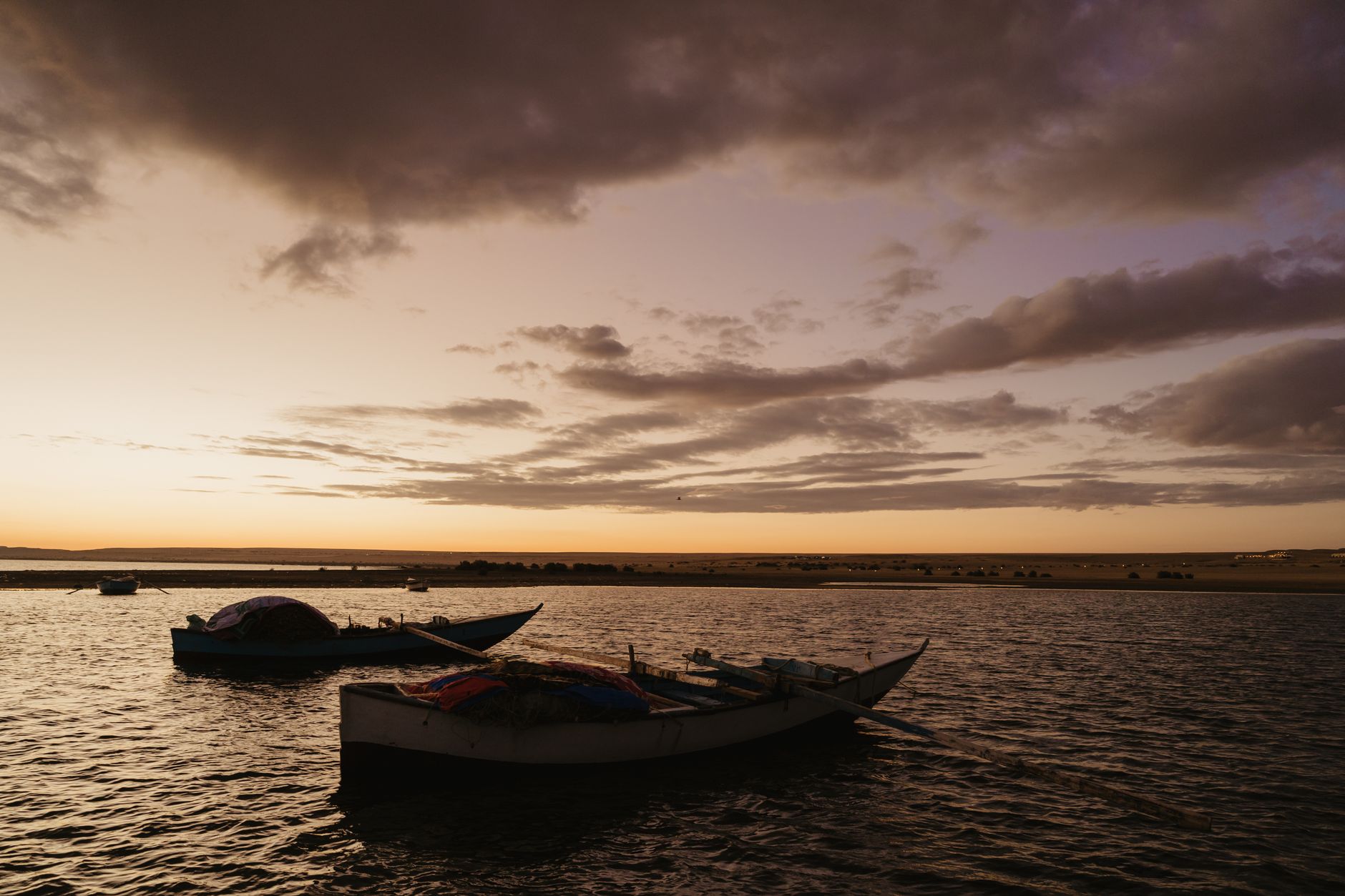
Sunsets over the lake from a camp veranda are the kind that make people stop checking their phones entirely. The Congolese mountains on the far shore catch the last light, and the surface goes flat and orange. For a park primarily marketed on chimpanzees, Mahale delivers a vacation of unusual completeness.
Why It Holds Up Against the Serengeti Comparison
The Serengeti is genuinely extraordinary. Nothing in this piece should be read as diminishing it. But the experience it delivers has become highly optimized – timed to migrations, built around vehicles, oriented toward volume. For a growing number of wildlife travelers who have done East Africa once and want something fundamentally less choreographed, Mahale is the answer that keeps surfacing in itinerary planning conversations.
The absence of roads is the structural fact that protects everything else. No roads means no large-scale tourism infrastructure, no parade of safari vehicles converging on the same sighting, no temptation to rush between points on a map. The journey in – typically a charter flight to a bush airstrip followed by a boat ride along the lakeshore – builds a sense of arrival that modern travel rarely delivers. By the time guests reach camp, they have already experienced something.
Accommodations are limited to a small number of permanent tented camps, most of them high-end, all of them operating under strict ecological guidelines. The economics of remote luxury camping mean Mahale is not a budget destination, which concentrates the visitor pool further. What that creates, functionally, is a wildlife encounter with almost none of the social friction that can deflate similar experiences elsewhere. No one is jostling for position. No guide is talking over another guide.
For those drawn to primate encounters in remote forest settings, Madagascar’s Masoala Peninsula offers a structural parallel – accessible only by boat, governed by strict visitor limits, and wildly underrepresented on mainstream itineraries. Both places operate on the logic that inconvenience, handled well, becomes the experience itself. Mahale’s remoteness is not a bug in the trip design. It is the condition that makes everything inside it work. The question serious wildlife travelers will eventually ask themselves is not whether they can handle the logistics – it’s whether they can justify going back to the Serengeti when this is sitting there, largely unbothered, on the edge of an ancient lake.