Tanzania’s Ruaha National Park Quietly Rivals Serengeti for Lion Wanderers

The Park That Safari Veterans Keep Going Back To
Ruaha National Park does not advertise itself. Sitting deep in south-central Tanzania, far from the international airport crowds and the well-worn Serengeti circuit, it occupies more than 20,000 square kilometers of dry miombo woodland, baobab-studded plains, and the shifting sand rivers of the Great Ruaha. Most visitors to Tanzania never get there. That is, increasingly, the point.
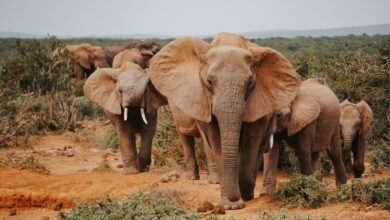
Word travels slowly through serious safari circles, but it does travel. The park holds one of the largest lion populations on the African continent, alongside dense concentrations of elephant, buffalo, and the less-photographed wild dog – an animal so elusive that a single confirmed sighting can define an entire trip. For travelers who have already done the Serengeti and want something rawer, Ruaha is the answer they did not know to look for.
Why Lions Rule Differently Here
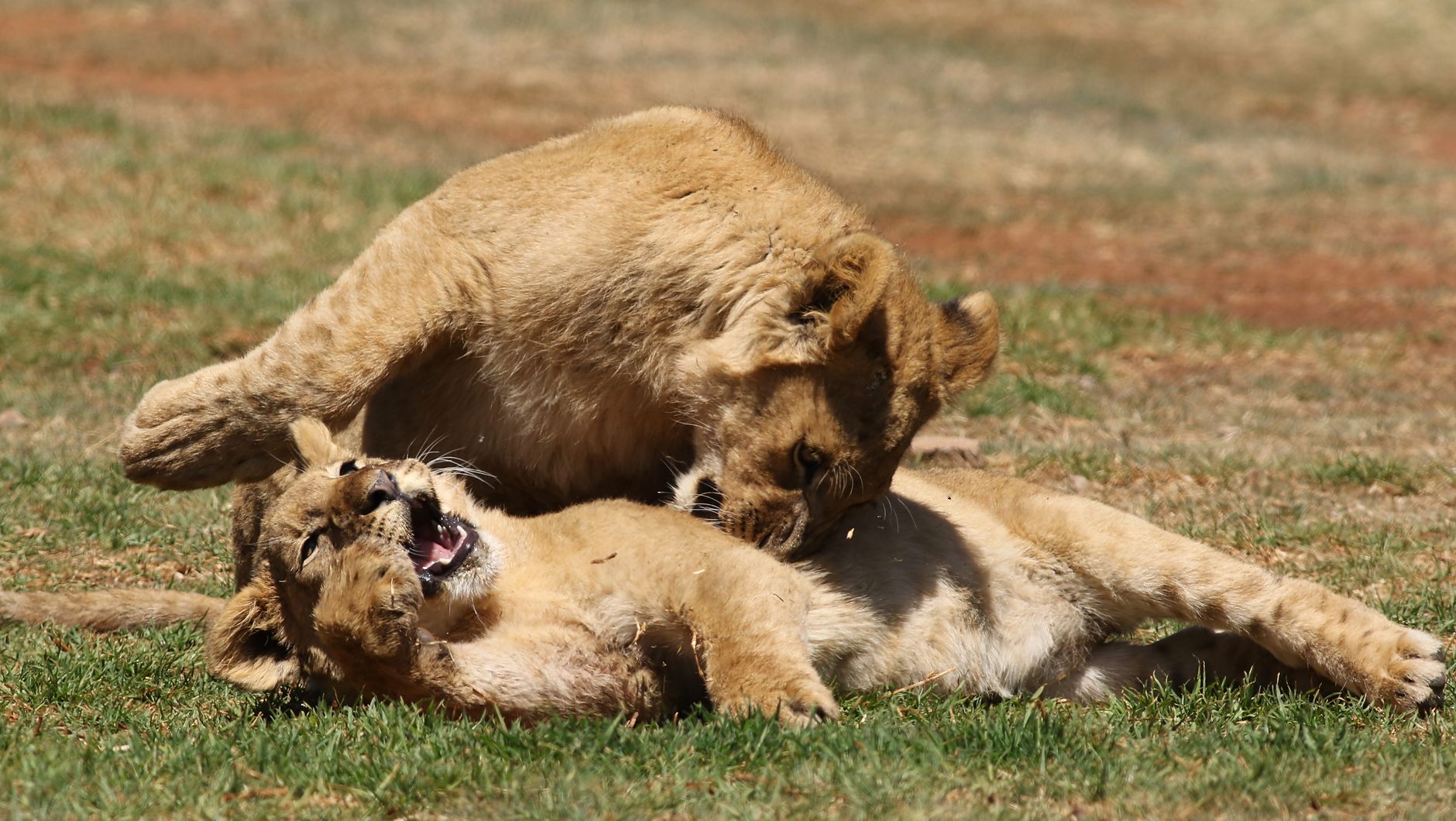
In the Serengeti, lion sightings often come with company – a convoy of vehicles surrounding a sleeping pride, cameras clicking in unison. Ruaha operates differently. The terrain is thicker, the guides fewer, and the lions themselves carry a different quality of presence. Prides here can number twenty or more animals, a size that reflects the abundance of prey moving through the park year-round. The Great Ruaha River and its seasonal tributaries act as a natural congregation point, drawing buffalo herds that in turn keep the big cats well-fed and territorial.
Because Ruaha is a wilderness area rather than a heavily managed reserve, the predator-prey dynamic plays out with very little human interference. Lions hunt on their own terms. Guides who work the park long-term describe tracking the same prides across months, watching cubs grow into hunters and coalitions of males shift their ranges with the seasons. That continuity – rare in more trafficked parks – gives Ruaha a narrative quality that a single-visit tourist rarely encounters. Repeat visitors come back specifically to follow it.
The Landscape Does Its Own Work
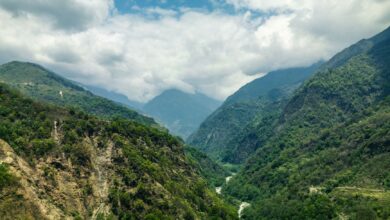
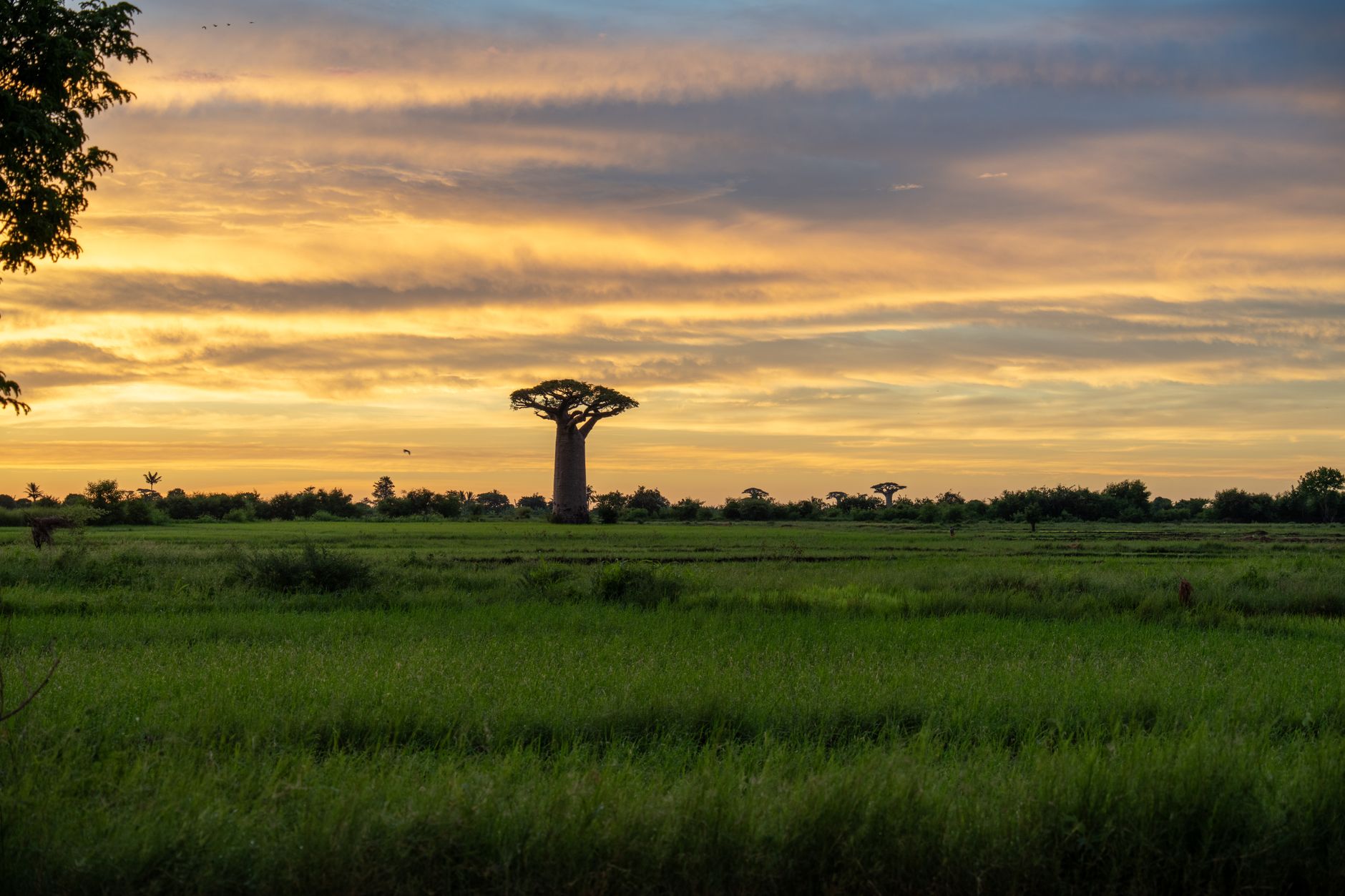
Ruaha’s terrain is not the postcard savanna of the north. The landscape here is older-feeling, stranger. Ancient baobabs rise at intervals that make them look deliberately placed. The miombo woodland shifts from dense and shadowy to open and scorched depending on season, with October through December bringing the kind of dry-heat silence that makes every bird call audible from a hundred meters away. The Great Ruaha River, which defines much of the park’s eastern boundary, can run as a broad bronze current in the wet season or shrink to disconnected pools surrounded by cracked red earth in the dry months.
That seasonal variation is not a drawback – it is the mechanism that makes the wildlife viewing so concentrated. As water sources contract between July and October, elephant herds, hippos, crocodiles, and lion prides compress around the remaining pools in what guides describe as controlled chaos. The photography during these months has a cinematic quality that wider, flatter landscapes cannot replicate.
The bird life alone would justify a trip for the right traveler. Ruaha supports well over 570 recorded species, including the rare Eleonora’s falcon during migration season and multiple species of hornbill that move in noisy flocks through the tree canopy. While other parks treat birding as a secondary activity, Ruaha’s ecological diversity makes it genuinely competitive on that front.
The park also borders the Rungwa and Kizigo game reserves to the north, creating a vast unbroken wildlife corridor rarely matched in East Africa. Animals range across this entire system without the containment that fences or intense development would impose. That freedom of movement is why the populations here remain so large, and why data on species numbers in Ruaha is difficult to pin down with precision – the animals are simply not standing still long enough to count reliably.
Getting There Without the Crowd Problem
The honest answer is that Ruaha requires effort. The nearest airport is Iringa, with smaller charter flights connecting directly to the park’s airstrips from Dar es Salaam and Arusha. Road access from Iringa takes several hours on rough tracks, and the rainy season between March and May makes some routes temporarily impassable. For independent travelers accustomed to booking a lodge online and showing up, the logistics feel demanding. That friction is also what keeps arrival numbers low.
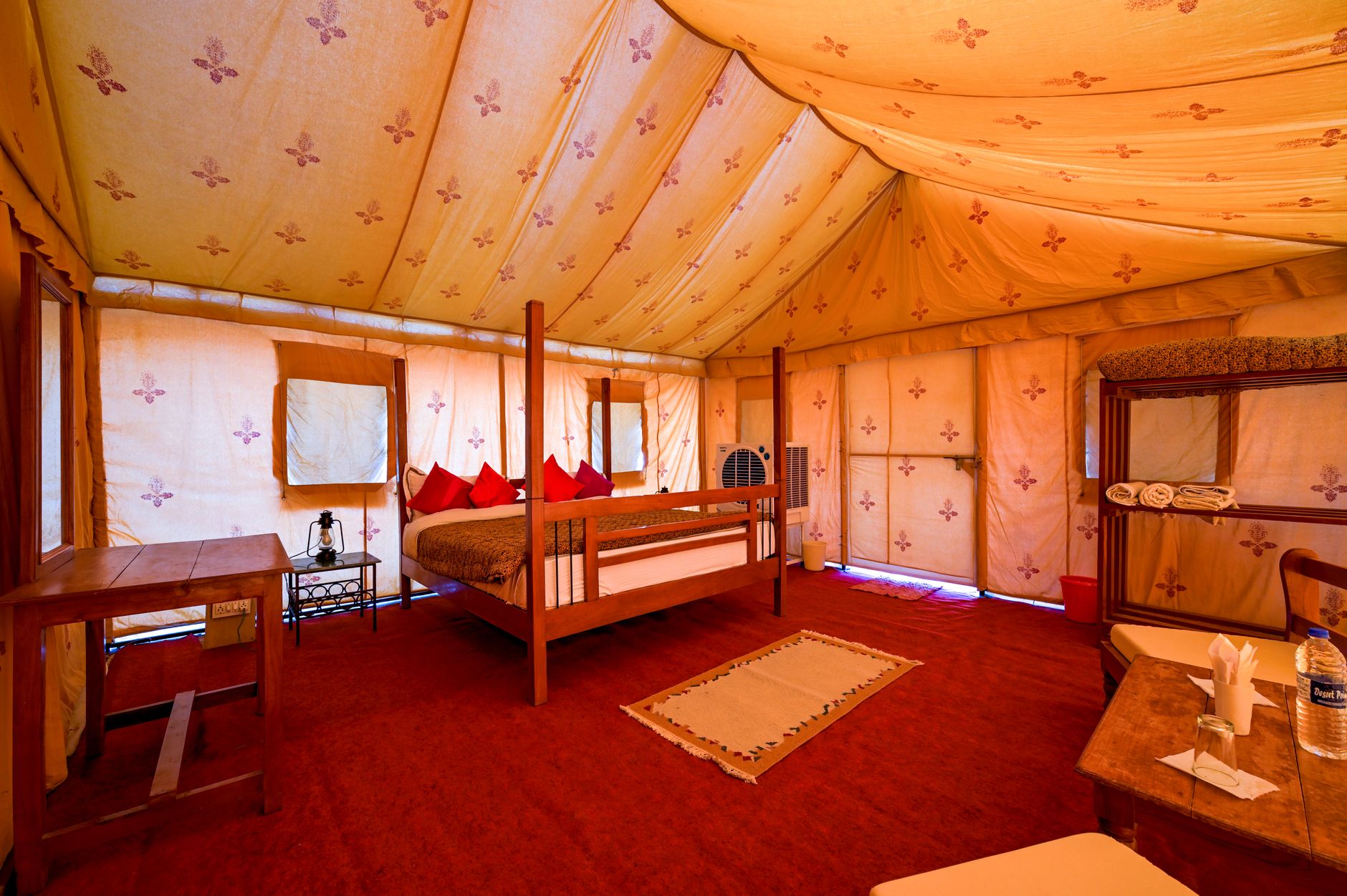
The handful of camps operating inside the park maintain a strict low-density model. Some limit their guest count per season specifically to avoid the kind of vehicle buildup that degrades the experience. Luxury options exist – tented camps with serious kitchens and full walking safari programs – but so do more stripped-back options for travelers who want the remoteness without the premium price. The absence of a mass tourism infrastructure means pricing can feel higher per night simply because there are fewer operators competing for the same guests.
Who Actually Goes, and Why They Return
Ruaha draws a recognizable type: the traveler who has already completed a standard East Africa itinerary and found it slightly too polished. Second-time safari visitors make up a disproportionate share of the camps’ bookings. Some come after reading about the wild dog population, which Ruaha supports in numbers that rival the Selous ecosystem to the southeast. Others arrive on the recommendation of a guide they trusted in Kenya or the Serengeti who suggested Ruaha as the honest answer to the question of where to go next.
Walking safaris are permitted here with armed guides, a rarity in many parts of Tanzania. Moving through the bush on foot changes the relationship to the environment entirely – scale, sound, and smell become part of the experience in ways a vehicle cannot convey. A herd of buffalo encountered on foot at eighty meters requires a different kind of attention than the same herd viewed from a Land Cruiser roof hatch.
The camp operators who have built their businesses around Ruaha tend to be possessive of it in a specific way. They recommend it carefully, to the right people, with a concern that too much attention too quickly would change the thing that makes it worth recommending. That tension – between wanting the park funded and protected by tourism revenue, and not wanting the parking-lot problem that plagues the Serengeti’s most famous crossing points – does not resolve neatly. Ruaha’s biggest asset is its obscurity, and obscurity does not survive being widely published.
Frequently Asked Questions
When is the best time to visit Ruaha National Park?
July through October is the dry season, when wildlife concentrates around water sources and game viewing is at its most intense. The wet season brings lush scenery but can limit access on some tracks.
How do you get to Ruaha National Park?
Most visitors fly into Dar es Salaam or Arusha and take a charter flight to one of Ruaha’s airstrips. Road access from Iringa is possible but takes several hours on rough terrain.
Does Ruaha National Park allow walking safaris?
Yes, walking safaris with armed guides are permitted in Ruaha, making it one of the few Tanzanian parks where foot-level game viewing is a genuine option.