
The Island Most Safari Planners Skip
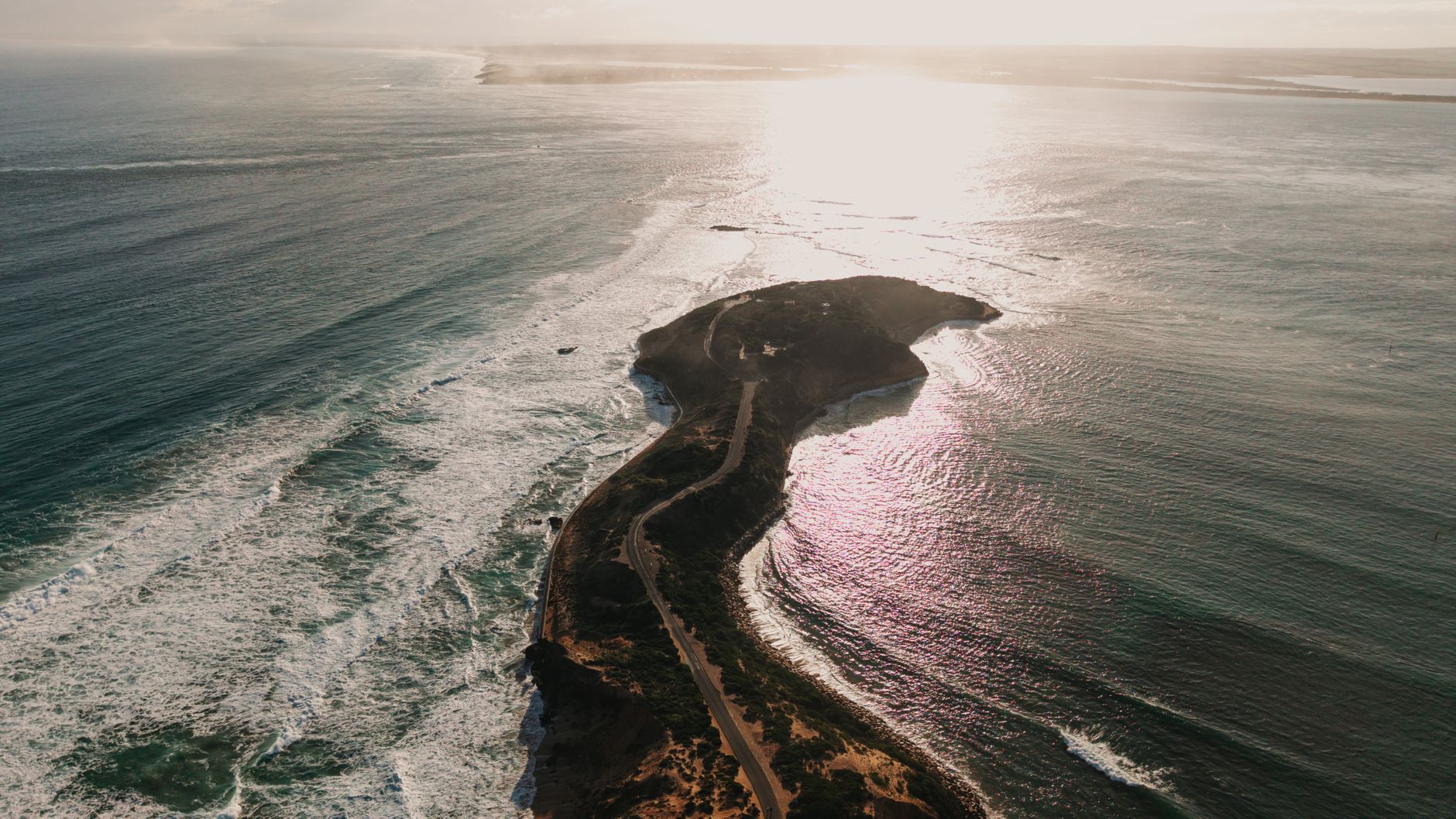
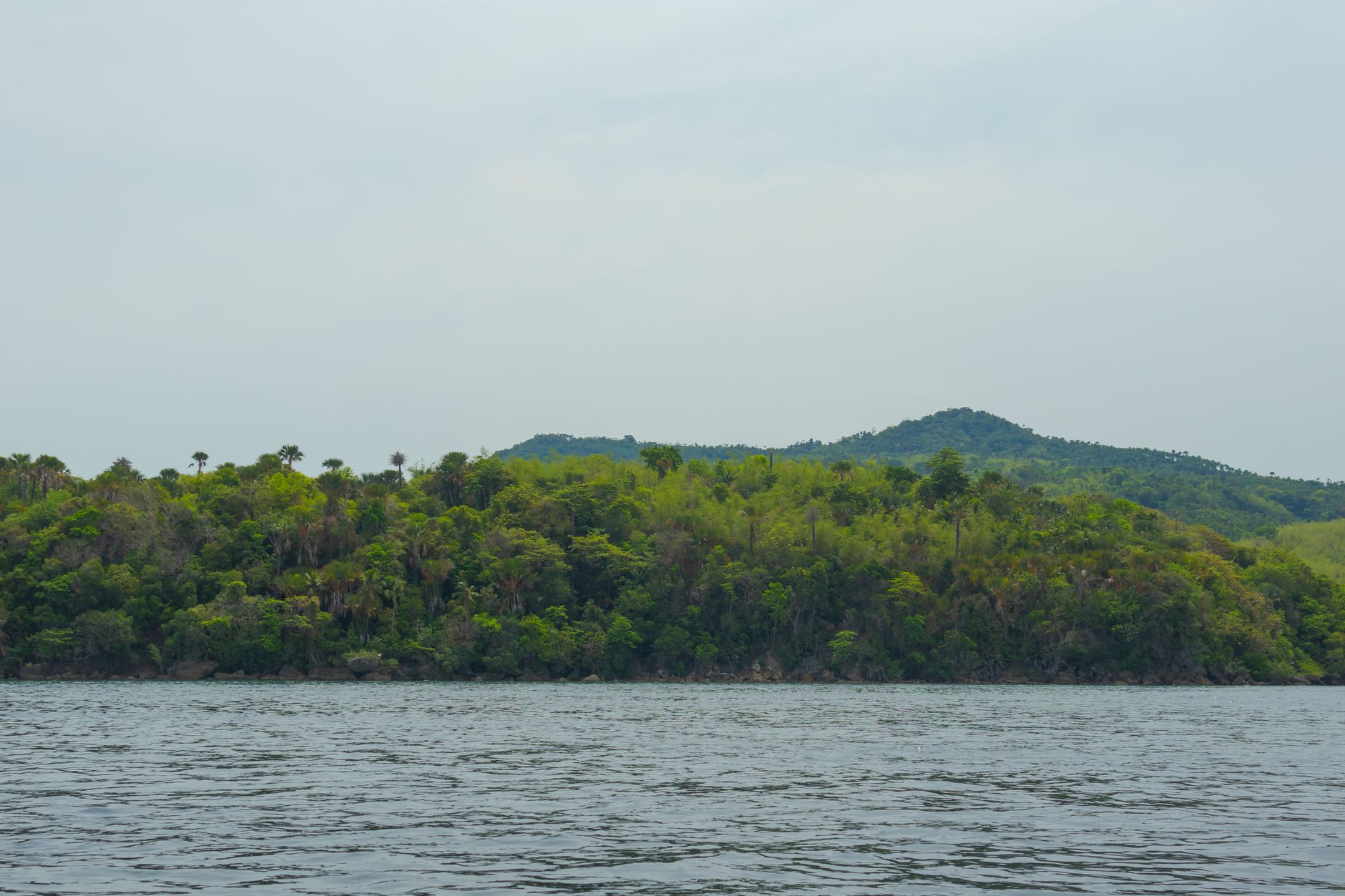
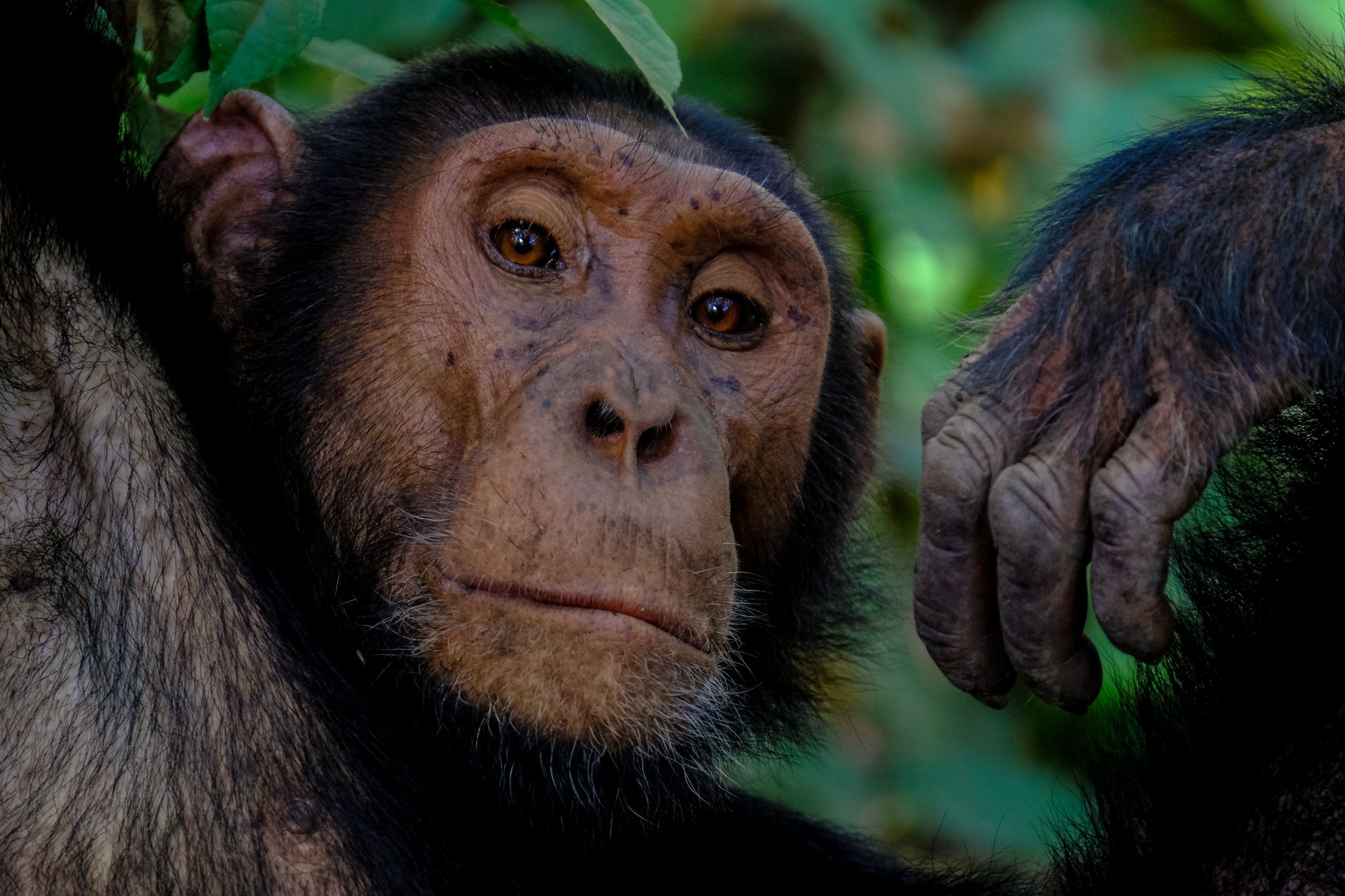
Rubondo Island sits in the southwestern corner of Lake Victoria, accessible only by small charter plane or a slow boat crossing that most travelers never bother to take. It is technically a national park – Tanzania’s only island park, in fact – and it holds a population of chimpanzees that arrived not through natural migration but through one of Africa’s stranger conservation experiments. In the 1960s, primatologist Bernhard Grzimek arranged for a group of captive and orphaned chimps to be released on the island, believing they could be rehabilitated into a wild population. Decades later, they thrived beyond what anyone predicted.
While the Serengeti pulls hundreds of thousands of visitors each year with its wildebeest spectacle, Rubondo handles a fraction of that traffic. The park sees so few visitors that encounters with wildlife feel genuinely accidental rather than staged. The chimps here are not fully habituated to humans – they tolerate presence but keep their distance in ways that remind you these are wild animals, not performers.
What the Island Actually Offers
Rubondo covers roughly 460 square kilometers, about half of which is open water and papyrus swamp. The forested interior is dense enough that walking trails require a guide, and tracking chimps on foot through closed-canopy forest is genuinely physical work. Visitors should expect mud, steep terrain, and the possibility of hearing chimps long before seeing them – or not seeing them at all. That uncertainty is part of what makes a sighting feel earned.
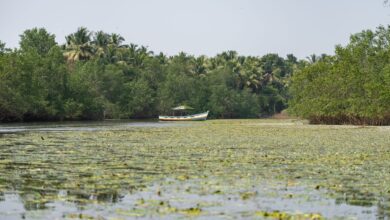
The island also holds sitatunga, a semi-aquatic antelope almost never encountered on the classic safari circuit, along with African fish eagles, giant otters, and Nile crocodiles along the shoreline. Birdwatching is exceptional by any standard – the lake environment and forest edge create a layering of habitats that draws species you will not find in the savannah parks. For a certain type of traveler, that combination alone justifies the detour.
Accommodation options are limited deliberately. The park authority has maintained low infrastructure to control visitor numbers, which means the lodges that do operate here are small, often solar-powered, and positioned to reduce footprint on the forest. Booking requires more lead time than most East Africa itineraries, and that friction keeps the crowds thin.
Why Rubondo Holds Up Against the Famous Parks
The comparison to Serengeti is not about spectacle – it is about quality of encounter. The Serengeti delivers scale: vast open plains, large predator populations, and the kind of wildlife density that produces multiple sightings per hour during peak season. Rubondo delivers something harder to manufacture, which is the feeling of being somewhere genuinely remote. Those are different products, and travelers who understand the difference tend to come back to Rubondo specifically for it.
Chimpanzee tracking here operates differently than in Uganda’s Bwindi or Kibale, where gorilla and chimp tourism is more formalized. On Rubondo, groups are small, permits are not in high demand, and the experience has not yet been optimized for throughput. That will likely change as word spreads. East Africa’s adventure travel market has a pattern of discovering overlooked parks and routing tour operators toward them until the original appeal gets diluted by familiarity.
Tanzania’s own tourism board has been slow to promote Rubondo relative to the northern circuit, which is partly why the island has retained its character this long. The northern circuit – Serengeti, Ngorongoro, Tarangire, Kilimanjaro – generates the overwhelming majority of Tanzania’s visitor revenue, and that concentration is reinforced by where airlines route flights and where tour operators build standard itineraries. Rubondo requires intentional planning that most package tours simply do not support.
Reaching the island typically means flying into Mwanza, Tanzania’s second-largest city on the southern shore of Lake Victoria, then arranging a charter flight or boat transfer into the park. That extra logistical step filters the visitor pool toward independent travelers and serious wildlife enthusiasts. For those who make it, the reward is a park that genuinely feels undiscovered – not because it lacks merit but because the infrastructure around it has never been built to push volume through. The chimps, for their part, seem unbothered by the arrangement. They were placed here against the odds of survival and adapted anyway, which is perhaps the most honest summary of what Rubondo Island is.