Tanzania’s Selous Game Reserve Quietly Rivals Ngorongoro for Hippo Wanderers

Where the Rufiji River Sets the Rules
Most travelers who dream of Tanzania go straight to the Serengeti or book a crater-rim lodge at Ngorongoro. The logic is understandable – those destinations have the name recognition, the infrastructure, and the marketing budgets. But a few hundred kilometers to the south, the Selous Game Reserve operates on an entirely different scale, one that makes Ngorongoro feel almost curated by comparison. Covering roughly 50,000 square kilometers, Selous is one of the largest protected wildlife areas on the continent, and its hippo population along the Rufiji River corridor is, by any measure, extraordinary.
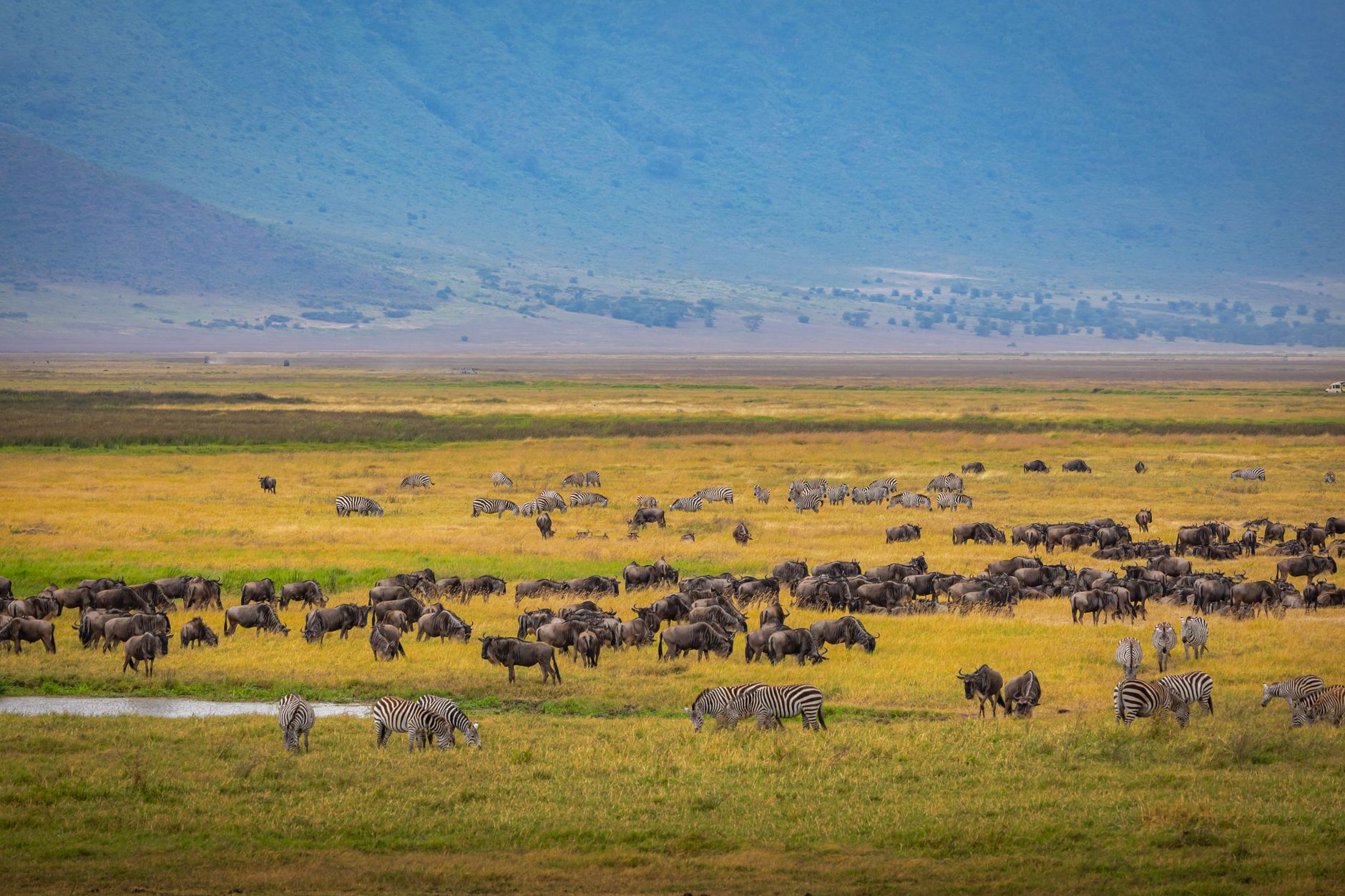
The hippo experience at Ngorongoro is well-documented: visitors photograph the animals crowded into the crater’s hippo pool, often within view of other safari vehicles. Selous offers something structurally different. The Rufiji – a wide, slow-moving river that winds through the reserve’s core – hosts populations that wander between channels, oxbow lakes, and open floodplains without the concentrated viewing pressure of a single designated pool. For wildlife travelers who want density and space simultaneously, that distinction matters enormously.
Reading the Rufiji System
The Rufiji River system is not a single river but a braided network of channels, lakes, and seasonal wetlands that expand and contract with Tanzania’s rainfall cycles. During the wet season, the floodplains open up and hippo groups – called pods – spread across areas that become inaccessible by vehicle. In the dry season, from roughly June through October, water retreats and hippos concentrate along the main channel in numbers that guide boats from lodge camps can approach at close range without disruption. This seasonal rhythm is what makes Selous a hippo destination rather than simply a place where hippos happen to exist.
Boat safaris on the Rufiji are the primary way to engage with this ecosystem, and the experience is fundamentally different from anything available at Ngorongoro. On the water, you move at the hippo’s pace. You read the river surface for the flicker of ears, the slow dome of a surfacing back. Groups of thirty or forty animals become visible in stretches of water that see almost no other traffic. The absence of the crater’s viewing gallery energy – dozens of vehicles, tour commentary overlapping across the rim – gives the Rufiji encounter a quality that is harder to schedule and harder to replicate.
Selous was granted UNESCO World Heritage status in 1982, though that designation was later suspended due to poaching pressure in the northern zones. Conservation management has since tightened, and the Rufiji corridor – where the main tourist camps operate – has remained relatively intact. The distinction between the reserve’s hunting concession zones in the north and the photographic safari zones in the south matters for travelers: the southern Rufiji area is where wildlife density and water access combine most reliably for the kind of encounter Selous is known for.
What Ngorongoro Does That Selous Cannot
Ngorongoro retains one undeniable advantage: accessibility. The crater is a short drive from Arusha, sits on the well-worn northern Tanzania safari circuit, and can be combined with the Serengeti in a single week without complicated logistics. Selous requires a flight – usually from Dar es Salaam – and a longer trip commitment. For travelers with limited time, that friction is real. The reserve also lacks the rhino density that makes Ngorongoro significant to wildlife conservationists tracking the black rhino population’s recovery.
The lodge infrastructure in Selous is high quality but deliberately sparse. There are fewer camps, which is part of the appeal, but it also means fewer choices at different price points. Ngorongoro has lodges at a wider range of budgets and can absorb large tour groups in ways that Selous, by design, cannot. If what you want is a checklist destination with guaranteed big-five sightings in a half-day window, Ngorongoro delivers that. Selous requires a different kind of patience.
The Hippo Numbers That Change the Conversation
The Rufiji system historically supported some of the largest hippo concentrations in East Africa. Poaching during the 1980s and 1990s hit the wider reserve hard, but the core photographic zones along the southern Rufiji maintained populations that wildlife researchers have described as among the most viable in the region. Current estimates suggest the reserve holds a significant fraction of Tanzania’s total hippo count, though precise surveys fluctuate with seasonal movement and the difficulty of counting animals that spend most of daylight hours submerged.
What makes the Selous hippo experience analytically interesting is not just volume but behavior. Because the water system is complex, hippos in Selous move more than their crater counterparts. They graze across a wider range of habitats after dark, travel between water bodies as channels shift, and exist within an ecosystem that includes large crocodile populations, elephant herds crossing the river, and buffalo moving along the banks. The interactions between species on the Rufiji are not staged or contained by a caldera wall. They happen because the landscape allows them to happen.
Guides who work the Rufiji camps consistently point to the same stretch of river near the reserve’s central area as the most reliable for large pod sightings. During peak dry season, multiple groups occupy overlapping territories close enough to a single boat’s line of travel that a three-hour morning excursion can yield encounters with well over a hundred individual animals. That figure, in a setting with no other boats visible, is the kind of thing that recalibrates what a wildlife traveler thinks they know about scale.
Ngorongoro’s hippo pool has the advantage of certainty – you know exactly where to go and what you will find. The Rufiji has the advantage of surprise. Some mornings the main channel is quiet and you find the action a kilometer upstream in a side lake that didn’t look promising on the map. That unpredictability is either the reserve’s greatest strength or its most frustrating quality, depending entirely on what kind of traveler you are – and whether you came to Tanzania to confirm expectations or abandon them.