
The Island That Keeps Getting Overlooked
Malta gets the Mediterranean medina crowd. It has the marketing, the budget airlines, the Instagram footprint, and the UNESCO designation that funnels history lovers through Valletta’s limestone streets every spring and summer. Djerba, sitting quietly off Tunisia’s southeastern coast, offers much of the same layered architecture, ancient religious coexistence, and sun-bleached wandering streets – at a fraction of the cost and without the queues. For travelers who measure a destination by the quality of getting lost rather than the density of tour groups, this island is a serious contender.
What Djerba has that most rivals cannot manufacture is genuine depth. The island has been continuously inhabited for thousands of years, absorbing Phoenician, Roman, Arab, Ottoman, and Berber influence without any single layer erasing the one before it. The result is a place that feels accumulated rather than curated, which is exactly the quality that medina wanderers spend months searching for.
Houmt Souk: The Medina That Works Like a Real Town
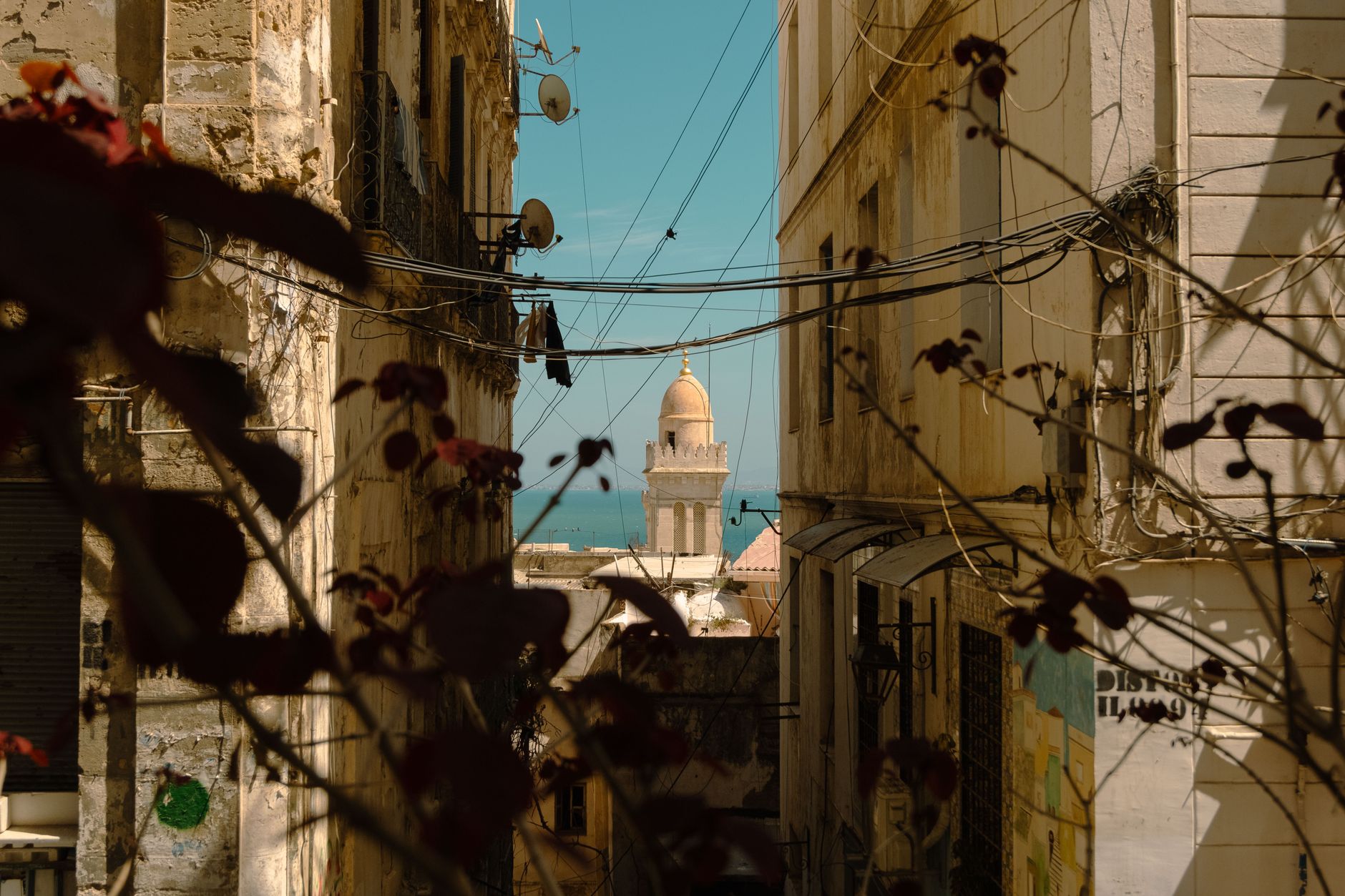
The main settlement of Houmt Souk functions as Djerba’s beating commercial center, and its medina does something that heavily touristed old towns rarely manage – it operates as a working neighborhood first and an attraction second. Fabric merchants, spice sellers, and ironworkers share alleyways with guesthouses and pottery stalls. The whitewashed walls and arched passageways echo the North African medina aesthetic found in Tunis or Essaouira, but the scale here is intimate enough that orientation comes naturally after a single afternoon on foot.
The souks are organized by trade in the traditional fashion, meaning a visitor who wanders in looking for hand-painted ceramic bowls will find an entire lane dedicated to them. Weavers working traditional Djerbian kilim patterns occupy another stretch. The craftsmanship is local and traceable in the way that craft markets in more heavily commercialized destinations rarely are. Prices reflect a local economy rather than a tourist premium, which changes the dynamic of every transaction.
The architecture rewards close attention. Many of the older courtyard homes feature a distinctive door style – oversized wooden doors studded with iron nails and hand-forged knockers, often painted in the island’s signature blue and white palette. These are not decorative flourishes added for tourism appeal. They are original features of a building tradition that predates modern tourism entirely, and they appear on homes that are still lived in rather than converted into boutique hotels.
The Religious Geography That Sets Djerba Apart
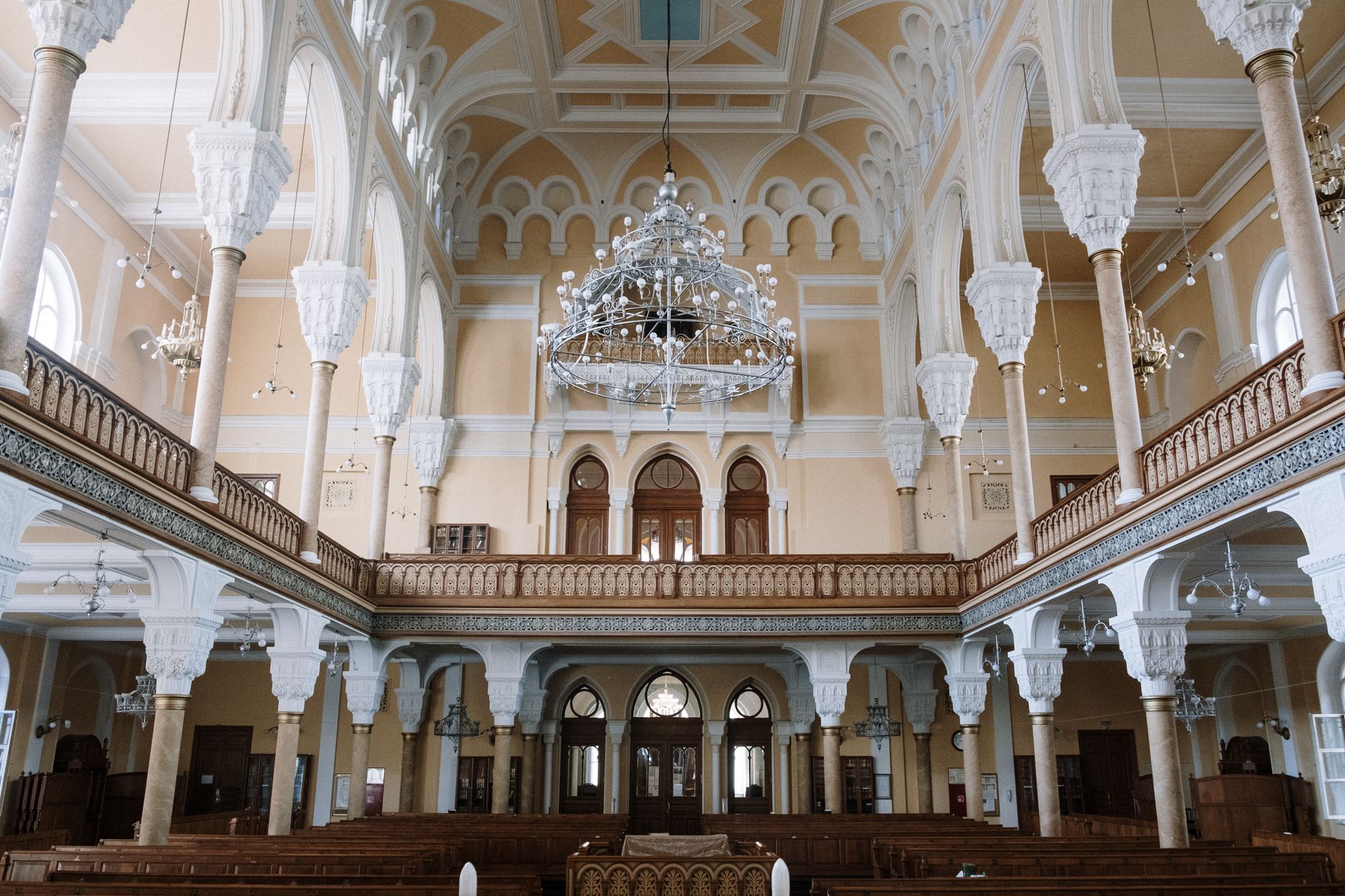
Djerba carries an unusual religious history that shapes its physical landscape in ways that require no explanation to feel. The island is home to one of the oldest Jewish communities in Africa, centered on the town of Hara Sghira and anchored by the El Ghriba synagogue, which draws pilgrims annually and remains an active place of worship. Mosques and churches occupy the same neighborhoods with a proximity that reflects centuries of negotiated coexistence rather than modern tolerance rhetoric. For travelers interested in the way religion shapes urban space – how it determines where streets run, where markets cluster, where cemeteries sit relative to residential lanes – Djerba is genuinely instructive.
This layering gives the island a texture that newer or more aggressively developed Mediterranean destinations cannot replicate. Malta’s Valletta earns its reputation through Baroque grandeur and Knights Hospitaller history, which is spectacular on its own terms. But Djerba’s complexity operates on a different register – quieter, less monumental, and more likely to reward a traveler who walks slowly than one who moves between scheduled sites.
Why Malta Gets the Crowds and Djerba Gets the Wanderers
The practical gap between these two destinations comes down to access and familiarity. Malta has been part of the European Union since 2004, operates in English, accepts euros, and appears prominently in every major travel search platform. Djerba requires slightly more logistical intention – a visa process for some nationalities, currency exchange to Tunisian dinar, and a willingness to navigate a destination where French and Arabic are the working languages. These are minor hurdles by any objective measure, but they function as a natural filter that keeps the island below the radar for casual planners.
The accommodation gap is narrowing. A growing number of riads and dar-style guesthouses have opened within and around Houmt Souk over the last several years, converting historic courtyard homes into boutique stays that preserve the architectural character while adding modern plumbing and air conditioning. These properties exist at price points that would be considered budget options in Valletta but represent genuine quality in Djerba. The value arithmetic is not subtle.
Food is where Djerba pulls clearly ahead for a specific kind of traveler. The island has a distinct culinary tradition shaped by its fishing economy and Berber-Arab heritage. Octopus grilled over open charcoal, brik pastries filled with egg and tuna, and slow-cooked lamb prepared with preserved lemon and harissa are standard offerings in restaurants that would attract no attention from a food tourism standpoint but turn out exceptional food consistently. This is not destination dining in the sense of spectacle – it is simply a cooking culture that has not been diluted by the need to accommodate mass tourist palates.
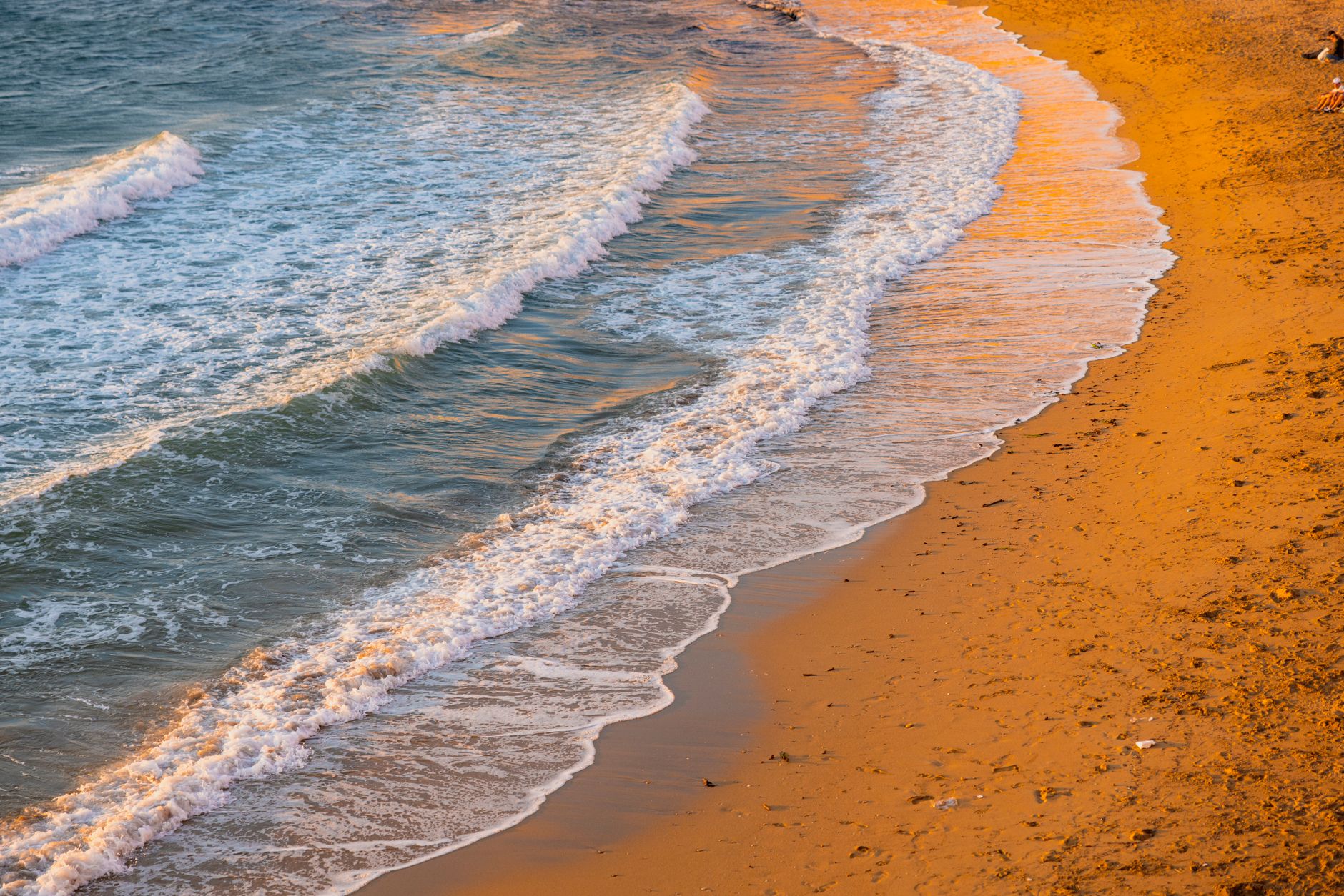
Djerba also has beaches, which Malta cannot offer at the same scale or quality. The northern and eastern coastlines extend across wide stretches of shallow turquoise water that approach the visual standard of the Greek islands without the corresponding prices or crowds. A traveler who wants to spend mornings wandering a medina and afternoons on an uncrowded beach is not choosing between two things here – Djerba offers both within a short drive. That combination, on a Mediterranean island with genuine historical depth, is rarer than it should be. The question worth asking is not whether Djerba deserves more attention, but why the travelers who would love it most are still booking flights to Valletta.