
Where the Salt Speaks Louder Than the Sand
Tunisia gets filed under “Sahara country” in most travel conversations, and that framing isn’t wrong – it just stops too early. The Djerid region, anchored by the vast salt lake of Chott el-Djerid and the string of oases that border it, offers something the open desert rarely delivers: a landscape that shifts its entire personality depending on the time of day, the season, and the angle of the light. Travelers who arrive expecting sand dunes leave talking about mirages, palm groves, and silence so complete it registers as physical pressure.
Tozeur is the gateway city, and it wears its role gracefully.
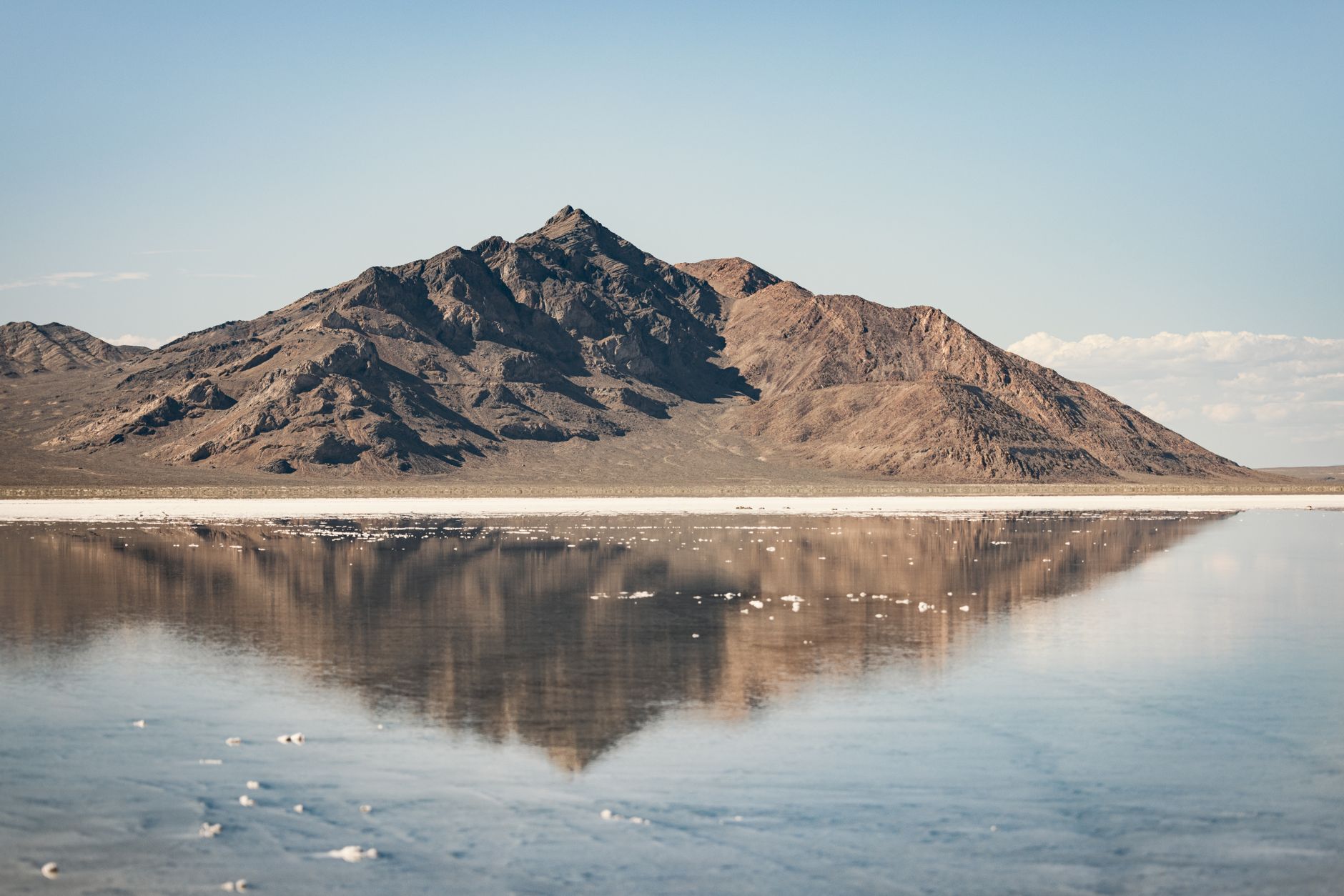
The town sits at the northwestern edge of Chott el-Djerid, a salt flat that stretches roughly 250 kilometers across the Tunisian interior – making it the largest salt lake in Africa. During the dry months, the surface hardens into a cracked white crust that fractures the horizon into something that looks edited. During winter rains, shallow water transforms the flat into a mirror that doubles the sky. Both versions are worth the trip, and most travelers only plan for one of them.
The Chott at Ground Level
Driving across Chott el-Djerid on the causeway that cuts through its center is not a dramatic experience in the conventional sense. There are no cliffs, no dramatic elevation changes, no moment of arrival. What builds instead is a slow, unsettling awareness that the landscape has no edges. The salt flat extends in every direction past the point where the eye can track it, and the mirages – optical effects caused by temperature differentials between the surface and the air above – appear without warning. Pools of water materialize ahead on the road, shimmer convincingly for several seconds, and then evaporate as you approach. It happens over and over, and it never fully normalizes.
The colors shift depending on mineral content and moisture. Sections of the chott run pale white, others blush pink or rust-orange near the edges where iron deposits concentrate. In late afternoon, the entire surface takes on a gold tone that photographers tend to plan around specifically. There are informal stopping points along the causeway where locals sell salt crystals and small handicrafts, and these stops function as useful reference points in a landscape that otherwise offers none.
For travelers who have already crossed Jordan’s Wadi Rum or spent time in other arid desert regions, the Djerid presents a fundamentally different sensory experience – not about verticality and red stone, but about flatness, reflection, and the particular unease of a place that refuses to give you a focal point.
The Oasis Towns That Most Visitors Skip
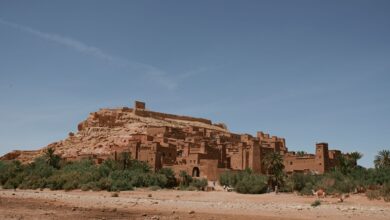
Tozeur draws most of the regional attention, and its medina – built from distinctive yellow brick laid in geometric relief patterns – justifies the interest. But the smaller oasis settlements around the chott’s edges are where the region’s character concentrates most honestly. Nefta sits about 23 kilometers west of Tozeur and carries a quieter atmosphere, historically significant as a center of Sufi traditions. Its corbeille, a palm-filled natural depression at the edge of town, functions as a kind of visual shock after hours spent staring at flat salt plains.
Douz, on the southeastern edge of the chott, positions itself as the “gateway to the Sahara” and caters more directly to travelers looking for camel treks and dune experiences. It serves that function well. But the villages tucked between Douz and Kebili, following the line where the salt flat meets the palm groves, rarely appear in standard itineraries. A few guesthouses operate in these areas – family-run properties where rooms are built from traditional materials and meals are prepared from produce grown in the adjacent oasis gardens. These are not luxury stays by any measure, but they offer a version of place-specific accommodation that larger Tozeur hotels cannot replicate.
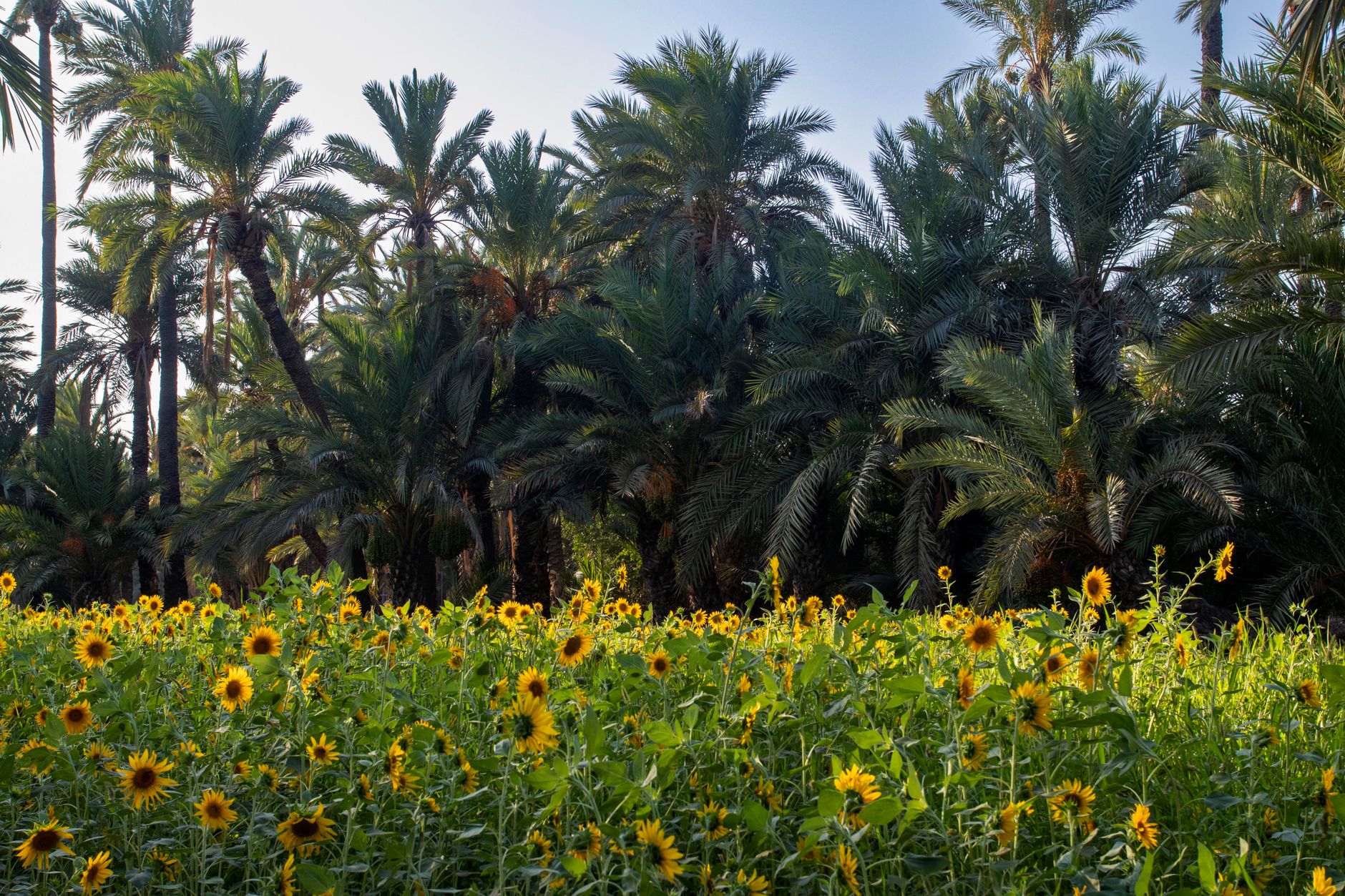
The oasis gardens themselves deserve deliberate time. A working Djerid oasis operates on a three-layer agricultural system: date palms form the canopy, fruit trees occupy the middle tier, and vegetables and herbs grow in the shade below. Walking through one in the early morning, when the air is still cool and the irrigation channels are running, is an experience that has no real parallel in the conventional North Africa travel itinerary.
Logistics, Seasons, and What to Bring
The practical window for visiting Djerid runs from October through early April. Summer temperatures on the chott routinely exceed 45 degrees Celsius, and the experience of being on an exposed salt flat under those conditions moves quickly from uncomfortable to genuinely dangerous. Spring and autumn offer the best light conditions and tolerable temperatures. Winter brings the possibility of shallow flooding on the chott, which transforms the experience entirely – worth researching before booking if that version interests you.
Getting to Tozeur requires either a flight from Tunis on Tunisair to Tozeur-Nefta International Airport, or a long overland journey from the coast. The airport is small and flights are limited, so advance booking matters. Once in Tozeur, renting a car or hiring a local driver is the most practical way to access the chott causeway and the surrounding oasis villages. Public transport covers the main routes between towns, but the timing and frequency make day trips difficult without private transport. Many guesthouses and small tour operators in Tozeur arrange half-day and full-day circuits that combine the causeway, a village stop, and an oasis walk – these work well for travelers who prefer not to navigate independently.
What to bring is the kind of advice that sounds obvious and gets ignored regularly: sun protection far beyond what you’d use at a beach, more water than you think you need, and a layer for evening temperatures that drop sharply in winter. The chott’s reflective surface intensifies UV exposure in ways that are easy to underestimate when the air temperature feels mild. The mirages are real, the silence is real, and the sunburn is very real.
Tozeur’s airport has been handling modest international charter traffic for years, and there are ongoing discussions about expanding direct connections from European hubs – which would change the region’s accessibility considerably. Right now, the relative effort required to get there is part of what keeps the crowds manageable. Once that friction disappears, the version of Djerid that exists today – where you can stand on the causeway for twenty minutes without another car passing – will not.