Turkey’s Kaçkar Mountains Quietly Rival Cappadocia for Highland Wanderers

Where the Crowds Have Not Yet Arrived
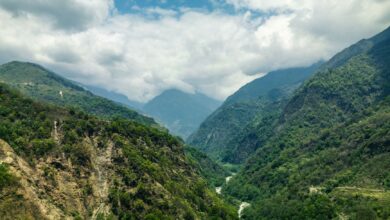
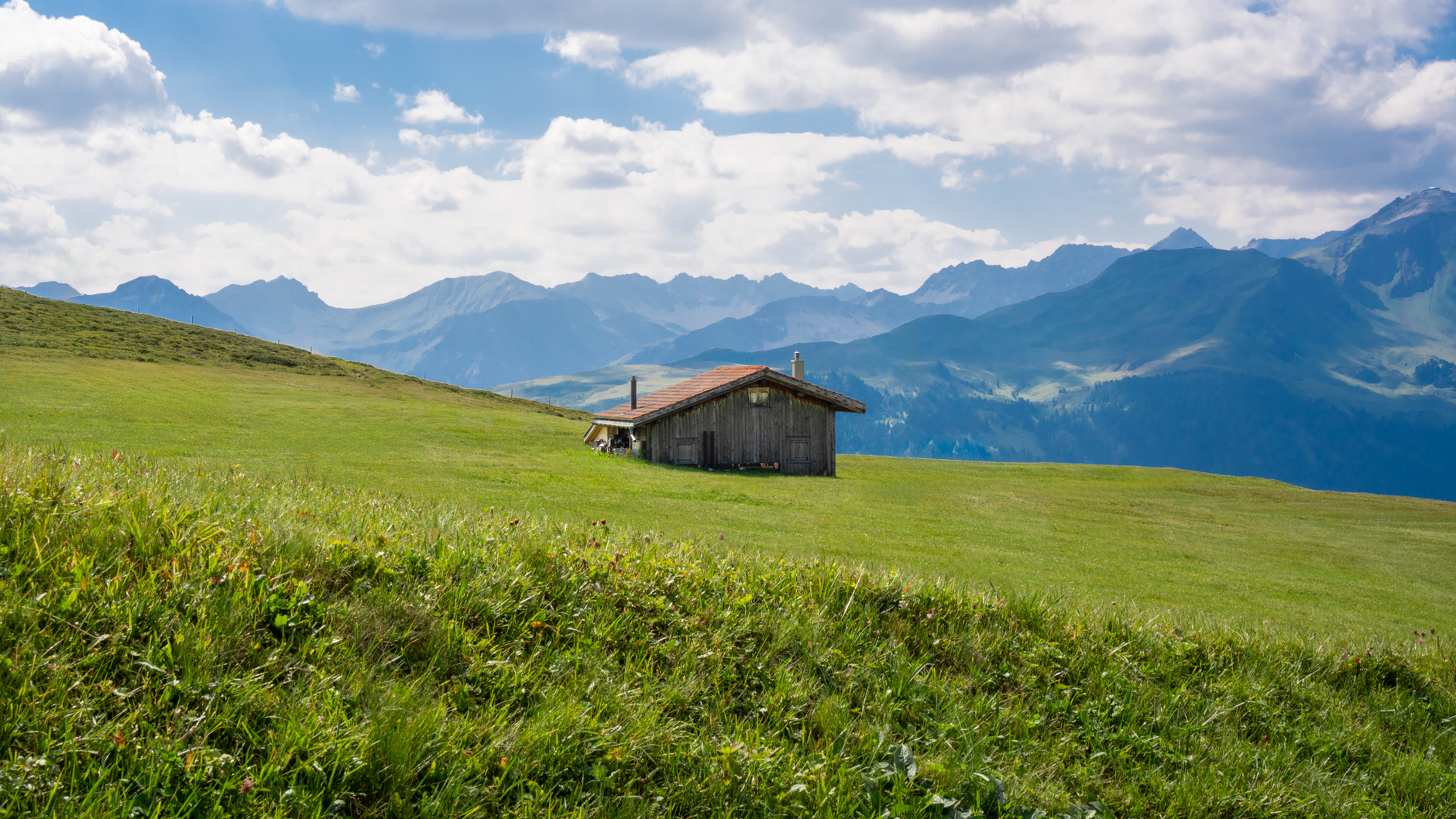
Cappadocia gets the magazine covers, the hot-air balloon shots, the honeymoon packages. Turkey’s northeastern corner, by contrast, gets almost none of that attention – and the Kaçkar Mountains sit there absorbing it all in silence. Stretching along the Black Sea coast and rising sharply toward the Georgian border, this range carries glacial lakes, alpine meadows called yayla, and tea plantations that carpet the lower slopes in a shade of green so dense it barely looks real.
For highland wanderers – the kind of traveler who prefers a ridge trail over a resort pool – the Kaçkars offer something increasingly rare: genuine remoteness inside a country with full tourist infrastructure. You can fly into Trabzon or Rize, hire a local guide for a reasonable day rate, and be walking above the treeline within hours. The word is starting to spread, but slowly enough that solitude on the trail is still the default, not the exception.
The Terrain and What It Demands
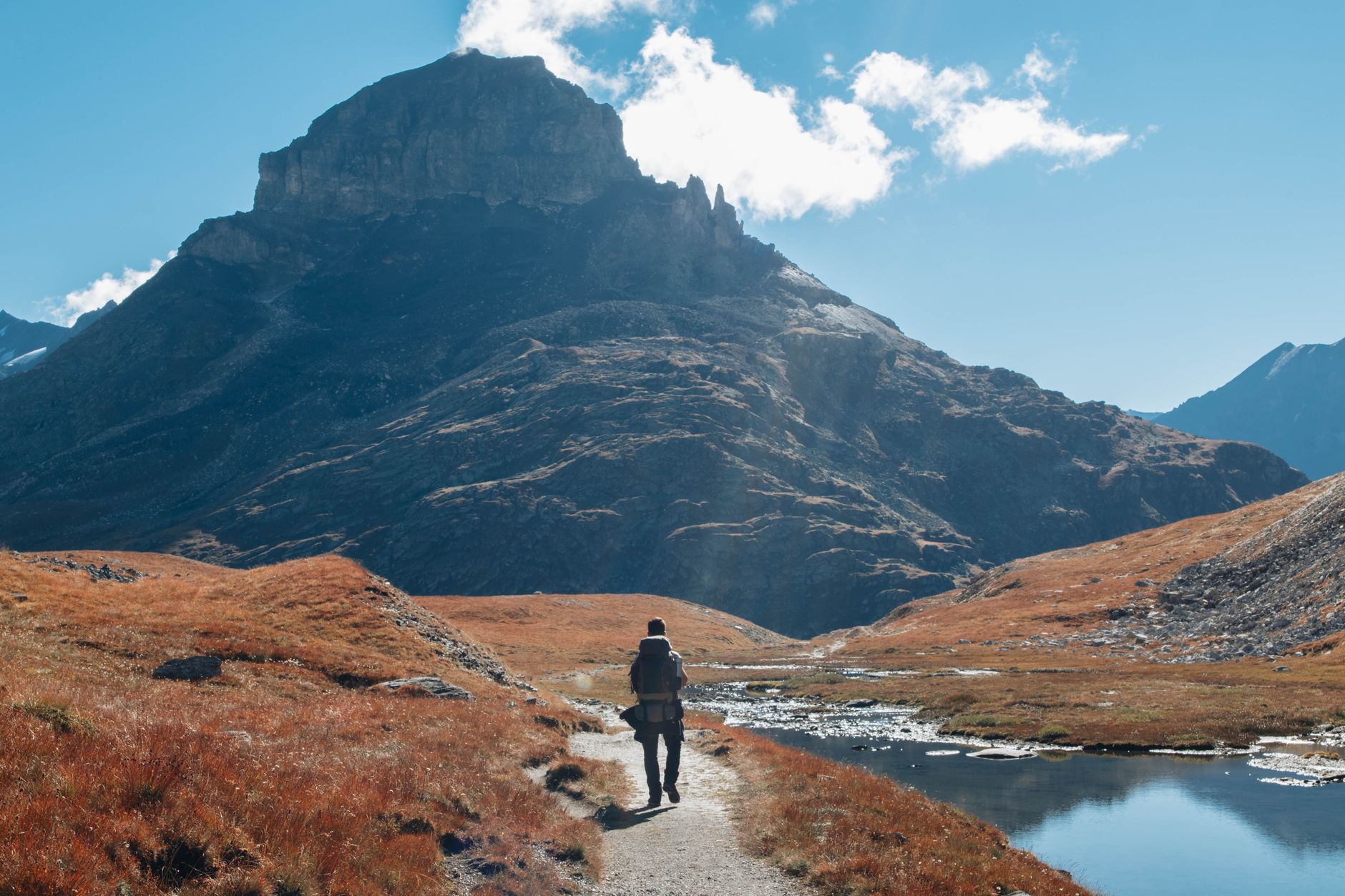
The Kaçkar range peaks at Kaçkar Dagi, which tops out just above 3,900 meters. That is not Himalayan altitude, but the terrain is deceptively demanding. The trails gain elevation fast, weather rolls in without much warning, and the paths between villages are not always well-marked for independent travelers. This is not a destination where you arrive with a carry-on and figure it out. Good waterproof gear, a degree of fitness, and – for anything beyond day hikes – a local guide familiar with the high-altitude routes all make a real difference.
The reward for that preparation is access to landscapes that feel genuinely untouched. The yayla plateau villages – some occupied only in summer by herders who bring their livestock up from the coast – sit at elevations where the air is sharp and the only ambient sound is wind and cowbells. A few of these villages have simple guesthouses, called pansiyon, that serve home-cooked meals heavy on local cheese, cornbread, and herb-laced soups. It is not luxury travel. It is something better.
Several trekking circuits thread through the range, with the Kaçkar Traverse being the most established multi-day route. It connects villages across the range’s spine, typically taking between five and eight days depending on pace and weather detours. Porters can be arranged in the gateway towns of Ayder or Yusufeli, both of which have grown into modest but functional bases for mountain travelers. Ayder also has natural hot springs – a detail that earns outsized appreciation after three days on mountain trails.
The Black Sea Culture Running Underneath
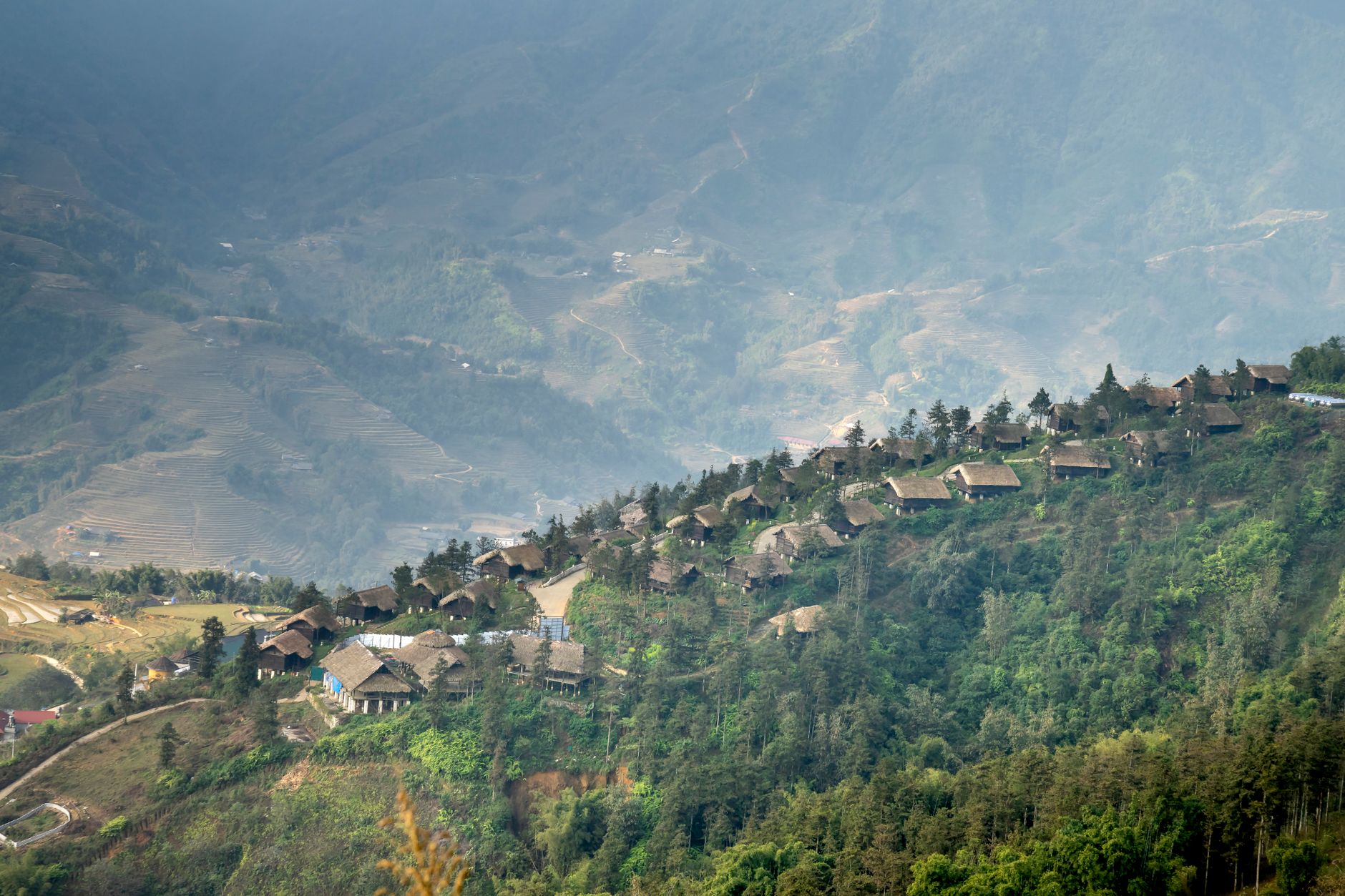
What sets the Kaçkars apart from purely alpine destinations is the cultural texture of the region below the peaks. The Black Sea coast of Turkey – the area locally called the Pontic region – has its own distinct cuisine, dialect, and identity that sits apart from what most visitors associate with Turkey. The food alone is worth the detour: kuymak, a molten cornmeal and cheese dish cooked in butter, is the regional staple, and it bears no resemblance to anything you would find in Istanbul.
The Hemsin people, an ethnic group native to the valleys around the Kaçkars, maintain traditions of music and textile-making that have survived largely because this region sat outside the main flow of Turkish tourism for so long. Their distinctive knitted wool patterns appear on everything from headscarves to saddle blankets, and small markets in the valley towns still sell handmade versions rather than factory reproductions. Traveling here has a quality that travelers chasing authenticity often describe but rarely find – the sense that the local culture exists for its own sake rather than as a visitor attraction.
Why This Competes With Cappadocia
The comparison to Cappadocia is not about geology or visual spectacle – the two landscapes have almost nothing in common. It is about the role each plays in a Turkish itinerary for a specific type of traveler. Cappadocia delivers concentrated wonder in a small geographic footprint: cave hotels, fairy chimneys, and underground cities within easy reach of each other. The Kaçkars deliver something that takes more time and physical investment to reach, but offers a deeper engagement with both landscape and culture in return.
The growing appetite for what travel circles are calling “slow hiking” – multi-day treks through inhabited landscapes with cultural stops built in – works strongly in the Kaçkars’ favor. The range checks most of the boxes that drive this trend: accessible via commercial flights, affordable compared to Alpine alternatives, warm enough to trek comfortably from June through September, and genuinely different from anything in Western Europe. The same logic that has drawn adventurous travelers to Pakistan’s Hunza Valley applies here – high-altitude landscapes adjacent to distinct local cultures tend to reward travelers who are willing to leave the well-worn routes behind.
There is also a practical argument. Kaçkar trekking costs are significantly lower than comparable alpine experiences in Switzerland, Austria, or even the Julian Alps. Guesthouse accommodation runs cheap by European standards, local guide day rates are reasonable, and the food is exceptional value. A week in the Kaçkars, including transport, guide, food, and accommodation, can cost less than two nights in a mid-range Cappadocia cave hotel. That arithmetic matters to a growing number of long-haul travelers managing fixed trip budgets.
The one honest caveat: the Kaçkars are not yet set up for travelers who want seamless logistics handed to them. Independent tour operators in the region are smaller and less polished than their Cappadocia counterparts. Booking a guide in advance through a specialist trekking agency – several operate out of Rize and Artvin – is currently the most reliable entry point. The infrastructure will improve; that seems inevitable as the range attracts more attention. Whether that attention eventually erodes the very quality that makes it worth visiting is a question the region has not yet had to answer.