
Africa’s Most Overlooked Savanna
Most travelers chasing Uganda’s wildlife head straight for Bwindi Impenetrable Forest, where the promise of mountain gorillas pulls visitor numbers year after year. The gorilla trek is extraordinary, no argument there. But Uganda holds a second wilderness that operates on an entirely different scale – one where the landscape stretches open, the animal density rivals East Africa’s most celebrated parks, and the tourist footprint remains almost invisible. Kidepo Valley National Park sits in the remote Karamoja region of northeastern Uganda, pressed against the borders of South Sudan and Kenya, far enough from Kampala that most safari itineraries never reach it.
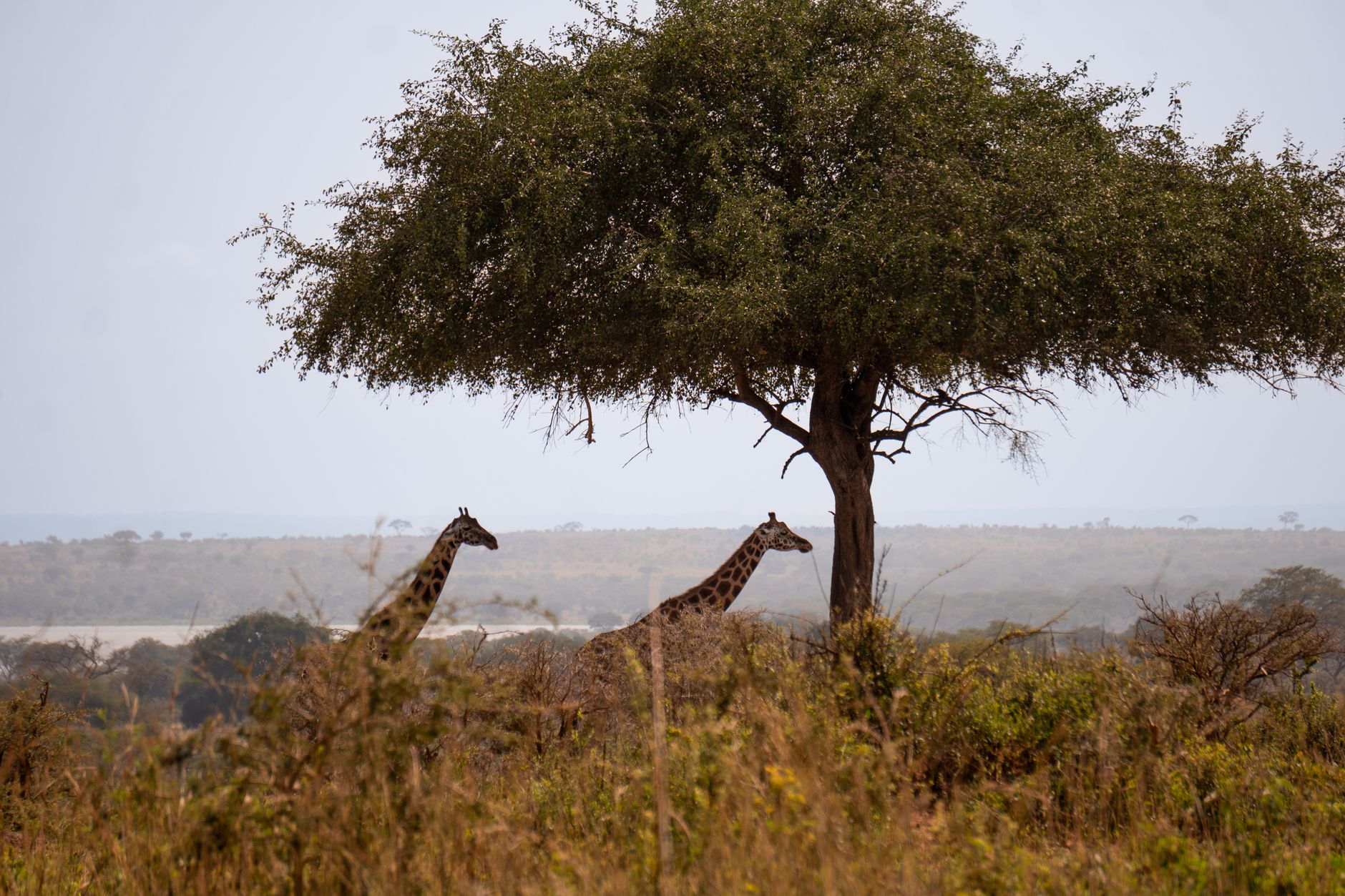
What makes Kidepo genuinely different is the combination of geographic isolation and ecological variety. The park covers roughly 1,400 square kilometers of semi-arid savanna, acacia woodland, and rocky mountain terrain that simply does not look like the rest of Uganda. It looks, in the best possible way, like a wilder version of the Serengeti before the crowds arrived. For travelers who have already done Bwindi and want to understand the full spectrum of Ugandan wilderness, Kidepo is not a consolation prize – it is the main event they did not know to book.
What the Park Actually Holds
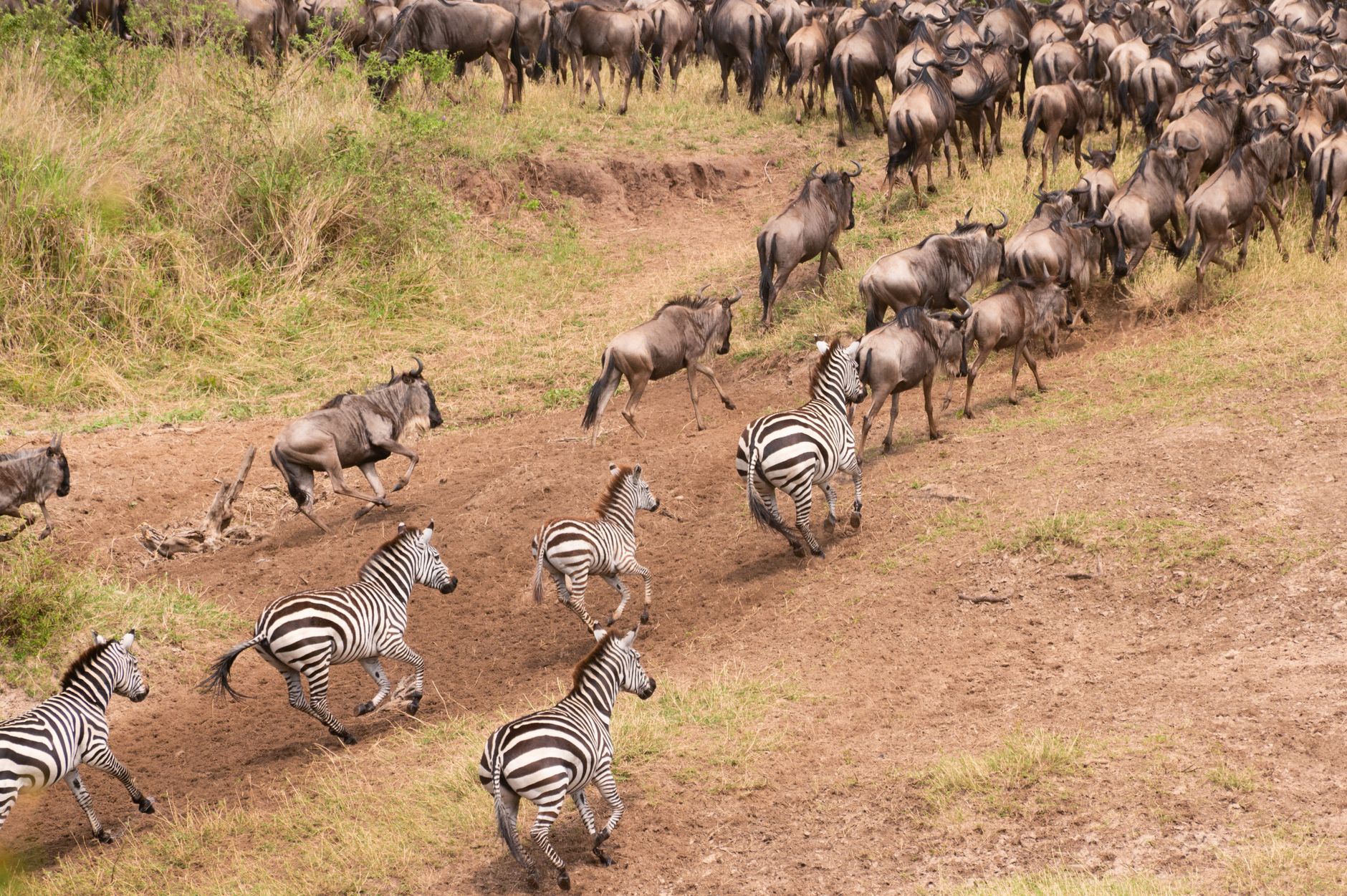
Kidepo’s wildlife catalog is quietly staggering. The park hosts more than 77 mammal species, including lions, leopards, elephants, buffaloes, and cheetahs – one of the few places in Uganda where you can reliably see the latter. The Narus and Kidepo valleys function as seasonal water sources that concentrate animals during dry periods, creating natural viewing corridors that rival anything in Kenya’s Maasai Mara for raw proximity to predators. Ostriches walk the open plains. Eland and zebra share the same waterholes. The bird list exceeds 475 species, drawing serious birders who have exhausted the usual East African circuits.
The park also sits within Karamoja, a region inhabited by the semi-nomadic Karamojong people, whose pastoral traditions have coexisted with the surrounding wilderness for generations. Cultural visits to nearby villages can be arranged through park-affiliated guides, offering context that purely wildlife-focused itineraries rarely provide. The combination of savanna ecology and living cultural landscape gives Kidepo a layered texture that single-focus safari destinations rarely achieve.
What travelers won’t find here is a parade of vehicles. On a given morning game drive, it is entirely possible to track a lion pride for an hour without another vehicle in sight. That level of solitude has become almost impossible to find in the more marketed corridors of East Africa, and Kidepo preserves it almost effortlessly – not through regulation but through sheer remoteness.
The Logistics That Keep Numbers Low
Getting to Kidepo requires commitment. The overland route from Kampala runs approximately 700 kilometers and takes nine to ten hours on roads that vary considerably in quality – manageable in a 4×4, punishing in anything else. The more practical option for most international visitors is a charter flight from Entebbe or Kampala’s Kajjansi airstrip directly to Apoka, the park’s main hub, a journey of roughly 90 minutes. Several light aircraft operators run scheduled and charter services into Kidepo, and the airstrip at Apoka is functional year-round under normal conditions.
Accommodation inside and immediately around the park ranges from the long-established Apoka Safari Lodge, which sits on a rocky ridge with panoramic views across the Narus Valley, to more basic bandas run by the Uganda Wildlife Authority. A small number of newer camps have opened in recent years, reflecting quiet but steady interest from operators who see Kidepo as a coming destination rather than a current one. Prices remain lower than comparable lodges in Kenya or Tanzania, which makes the trip financially accessible for travelers who can absorb the internal flight cost.
Why It Has Not Overtaken Bwindi
Bwindi’s gorilla permit system is the single most powerful marketing mechanism in Ugandan tourism. Permits carry a substantial price point and require advance booking, which creates a built-in urgency and prestige that drives bookings months ahead. Gorilla trekking has a specificity – a single, named experience with a guaranteed emotional peak – that broad savanna safari cannot easily replicate in a brochure headline. Kidepo offers something arguably richer but harder to compress into a single sentence.
There is also the matter of infrastructure momentum. Tour operators who have built profitable Bwindi itineraries over years have little financial incentive to redirect clients toward a park that requires different logistics, different supplier relationships, and longer travel days. Kidepo sits outside the well-worn circuit that connects Entebbe, Kampala, Queen Elizabeth National Park, and Bwindi in a loop that travel agents can package confidently. Breaking that pattern requires either a client who asks specifically for Kidepo or an operator genuinely willing to build bespoke itineraries.
The comparison to other overlooked destinations elsewhere is instructive. The same dynamic plays out across multiple continents – a famous anchor attraction dominates the narrative while an equally rewarding alternative sits unused nearby, known mainly to repeat visitors and specialists. Peru’s Colca Canyon faces an almost identical positioning problem relative to Machu Picchu, where the headliner absorbs demand that would otherwise distribute more evenly. Kidepo’s challenge is not quality – it is discoverability.
What tends to shift these patterns is a combination of overcrowding at the dominant destination and word of mouth from travelers who have seen both. Bwindi’s gorilla permits are increasingly difficult to secure during peak season, and travelers who cannot get dates sometimes look northeast for the first time. Some who make that trip return home and tell everyone. Kidepo’s long-term visitor numbers move in quiet increments, driven less by marketing campaigns than by the particular enthusiasm of people who feel they have found something the industry has not yet processed into a commodity. That window – between discovered and overcrowded – is exactly where Kidepo sits right now, and it will not stay there indefinitely.