
The Park Most Safari Travelers Skip
Kidepo Valley National Park sits at Uganda’s northeastern corner, pressed against the borders of South Sudan and Kenya, far enough from Kampala that most itineraries never reach it. The road is long, the logistics require planning, and Bwindi Impenetrable Forest tends to absorb all the attention with its gorilla permits and cloud-forest mystique. So Kidepo waits, largely undisturbed, while lions rest on kopjes and ostriches pace across golden plains that look nothing like the Uganda most visitors expect.
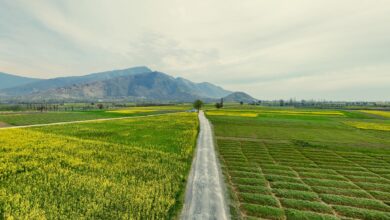
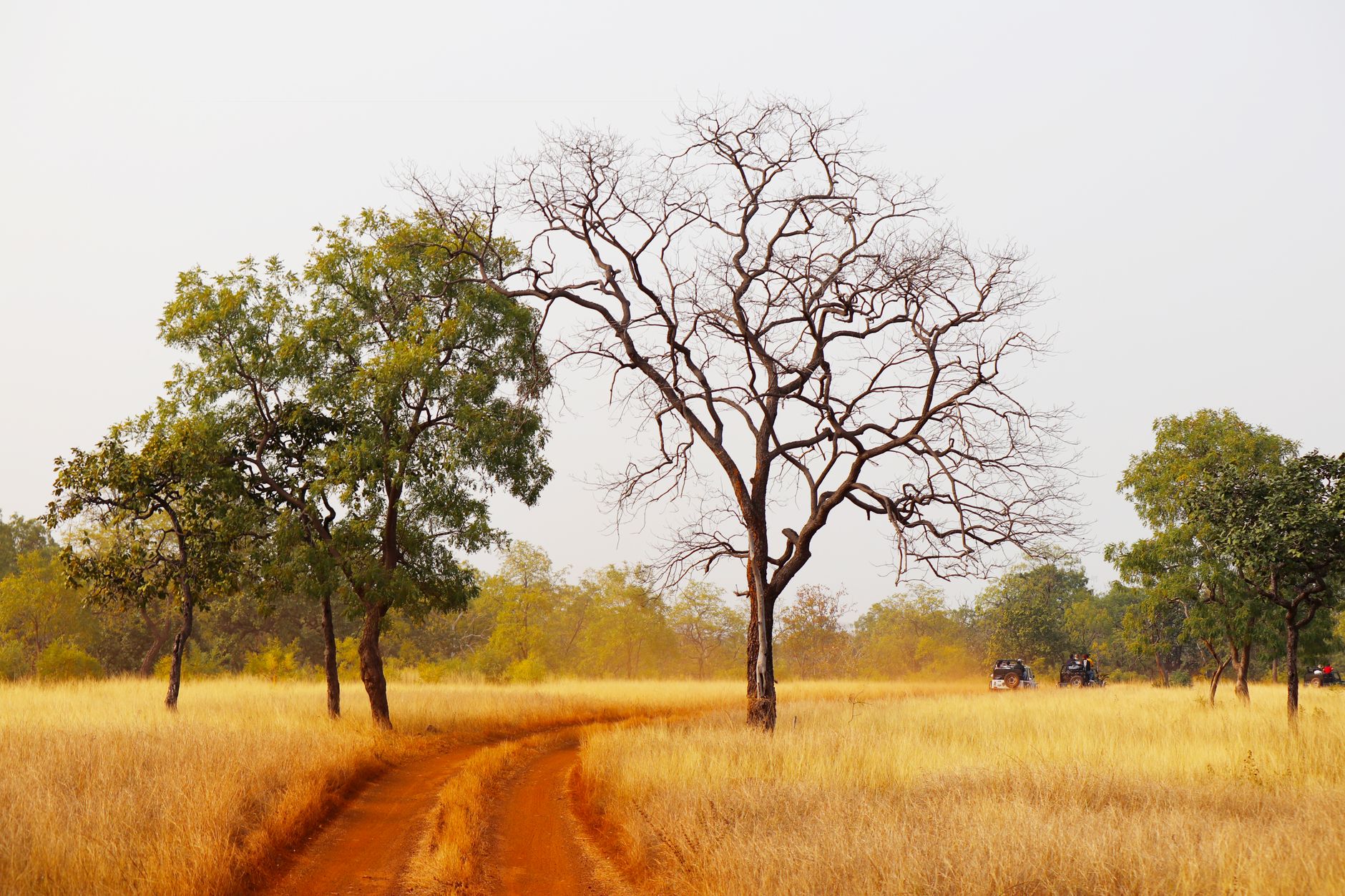
Uganda’s tourism identity has been built almost entirely around primates – gorilla trekking in Bwindi, chimpanzee tracking in Kibale – and that identity has served the country well. But it has also buried one of East Africa’s most visually dramatic savanna parks under a reputation for green forests and mountain mist. Kidepo is flat, dry, and open in ways that feel closer to Samburu in northern Kenya than to anything else in Uganda. That contrast is exactly the point.
What the Valley Actually Offers
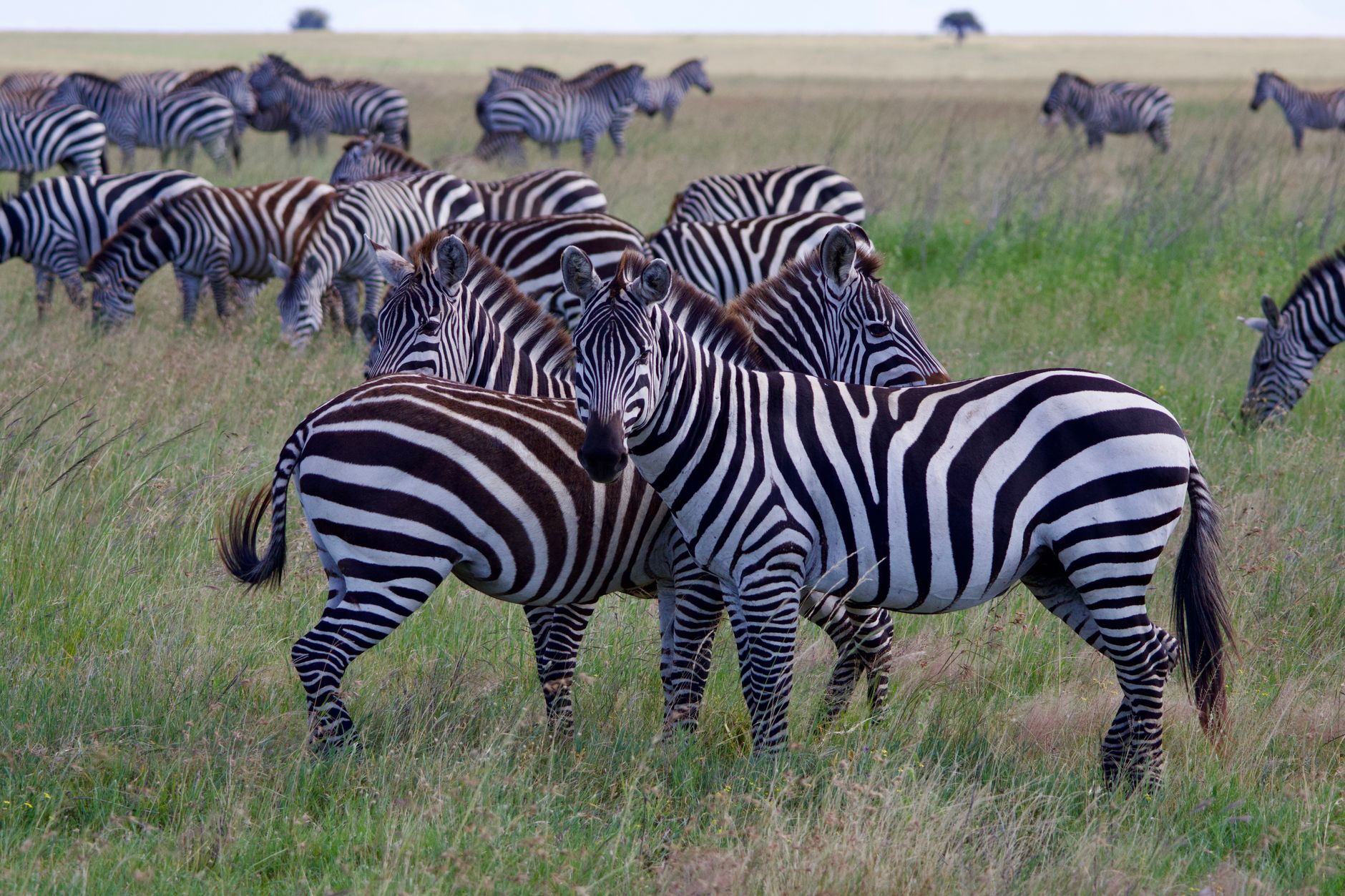
The wildlife roster at Kidepo includes species that do not appear anywhere else in Uganda. Cheetahs move through the Narus Valley, though sightings are never guaranteed and tracking them requires patience and a sharp eye across long distances. Ostriches, greater kudu, and Karamojong striped mongoose are endemic to this corner of the country. Lions are well-established here, with several resident prides that have become more reliably visible as the park’s protection has strengthened over the past decade.
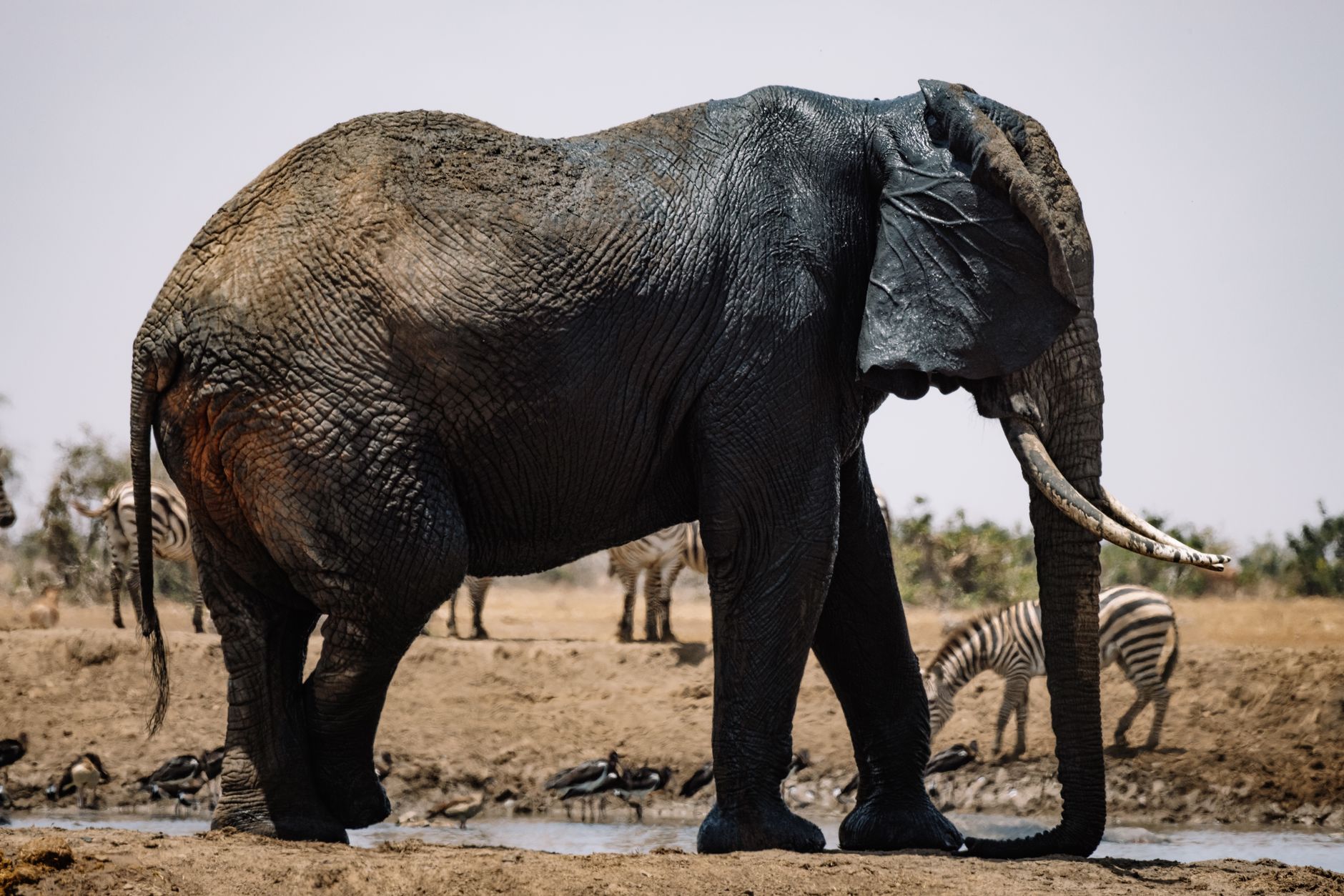
The Narus Valley floor, fed by a semi-permanent river, draws wildlife during the dry season in concentrations that rival the better-known parks in Kenya and Tanzania. Elephants gather at the water sources in the late afternoon. Buffalo herds move through in columns. The scene has the texture of a classic East African wildlife encounter without the convoy of minibuses that defines the experience at Amboseli or the Masai Mara. At Kidepo, it is entirely possible to sit at a waterhole for an hour without another vehicle in sight.
Accommodation has quietly improved. A handful of lodges now operate at different price points, from tented camps positioned to catch the Narus Valley view to more modest options near the park gate. The infrastructure is not comparable to the polished lodges of Botswana or Tanzania, and visitors who need that level of comfort should manage expectations accordingly. But for travelers who prioritize wildlife density and solitude over thread count, the trade-off is straightforward.
The Bwindi Comparison, and Why It Matters
Comparing Kidepo to Bwindi is not entirely fair, because the two parks are doing completely different things. Bwindi protects mountain gorillas and generates a significant portion of Uganda’s tourism revenue through a permit system that funds both conservation and community programs. That model works, and the gorilla experience itself remains extraordinary. The comparison matters not because Kidepo is better, but because the gap in visitor numbers between the two parks has created an imbalance in how Uganda presents itself internationally.
Travelers who come to Uganda specifically for gorillas often leave without knowing that a savanna park of this quality exists in the same country. Tour operators frequently route clients through Bwindi, Queen Elizabeth, and Murchison Falls – a circuit that is logical and rewarding – but rarely push further northeast to Kidepo. The park receives a fraction of the visitors those others do, which has preserved its atmosphere but also limited the revenue that could support deeper conservation work in the Karamoja region.
The Karamoja region surrounding Kidepo carries a complicated history. The Karamojong people, semi-nomadic pastoralists who have lived in this landscape for generations, have had a tense relationship with conservation boundaries that displaced traditional grazing routes. Community tourism initiatives are working to shift that dynamic, with some lodges sourcing guides exclusively from local Karamojong communities and cultural visits built into safari itineraries. The result is a layer of context that purely wildlife-focused parks rarely provide – a sense of the human geography that shaped the land before any conservation designation existed.
Getting to Kidepo requires either a charter flight from Entebbe or Kampala, which takes roughly two hours and dramatically simplifies the journey, or a road trip of nine to ten hours from Kampala that passes through Gulu and into increasingly remote terrain. The charter option is not cheap, but it cuts travel fatigue to nothing and lands visitors directly in the park. For those willing to drive, the route through northern Uganda tells its own story – towns recovering from decades of conflict, landscape shifting from lush green to dry acacia scrub, the country growing quieter and more stretched-out as Kampala recedes. That drive, difficult as it is, gives Kidepo its proper sense of arrival. By the time the park gates appear, you understand exactly how far you have gone.