
The Cave Capital Vietnam Hasn’t Oversold
Ha Long Bay owns Vietnam’s tourism imagination. The karst formations rising from jade water, the overnight junks, the sunrise photographs shared across every travel feed – it is a genuinely stunning place that has also become genuinely crowded. Meanwhile, roughly 500 kilometers to the south, Phong Nha-Ke Bang National Park sits inside Quang Binh province doing something rare in Southeast Asian tourism: quietly getting better without getting louder about it.
Phong Nha’s central attraction is underground.
The park contains more than 300 catalogued caves, a number that keeps growing as survey teams push deeper into the karst mountains along the Laotian border. Son Doong, the largest known cave on Earth by volume, is here. So is Hang En, large enough to camp inside. So are dozens of formations that most visitors never reach because the infrastructure, by design, has been kept deliberately limited. That limitation is, paradoxically, what makes Phong Nha worth the journey.
What the Ground Actually Holds
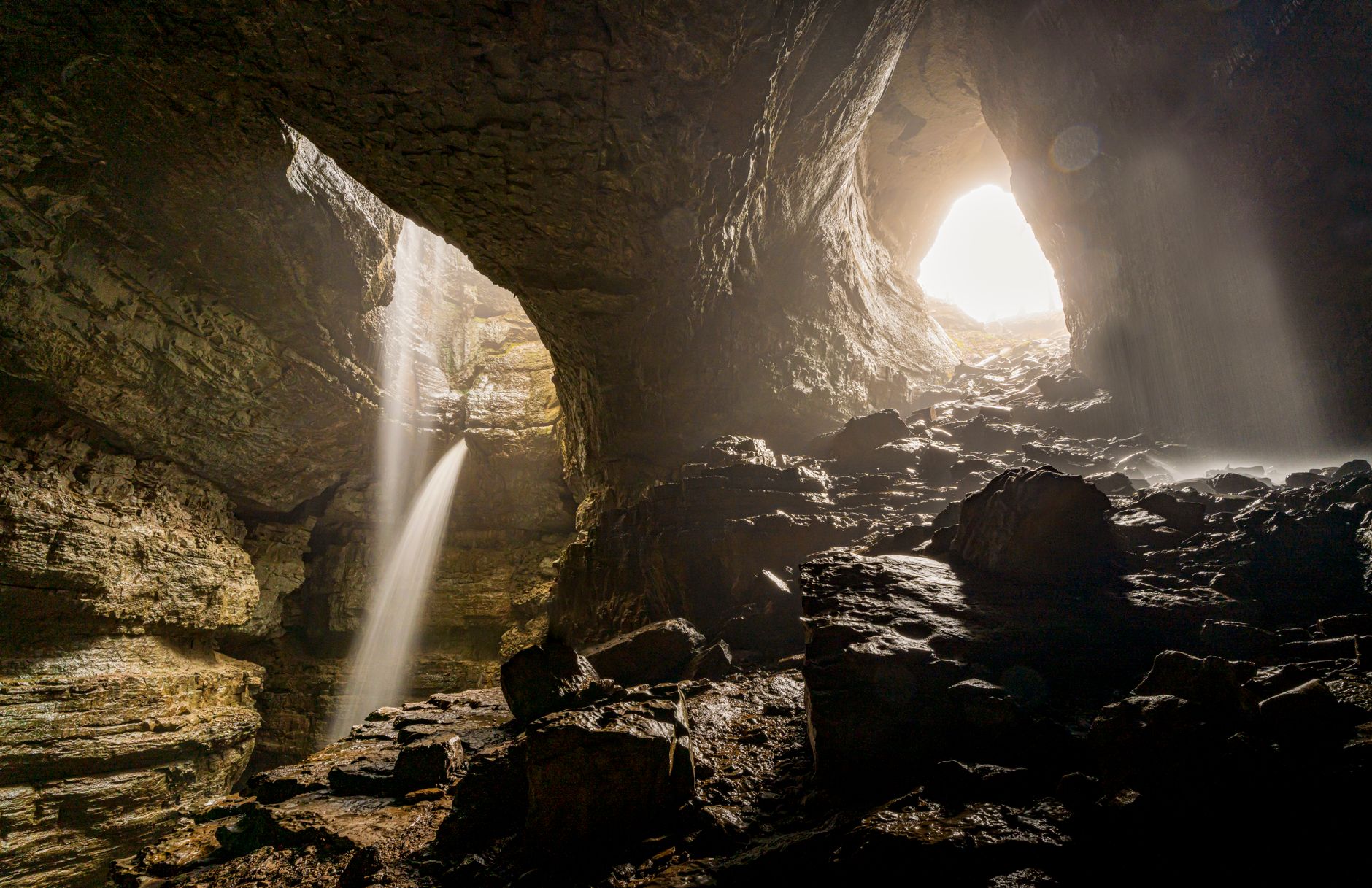
Son Doong’s statistics are difficult to absorb in the abstract. The cave’s main passage runs nearly nine kilometers, reaches heights of 200 meters, and contains its own localized weather system – clouds form inside the chamber when temperature differentials create the conditions for it. A jungle grows on the cave floor beneath two collapsed ceiling sections called dolines, where light breaks through and vegetation has taken over. Stalactites the height of 40-story buildings hang in sections that tour lights barely reach.
Access to Son Doong is controlled by Oxalis Adventure, the sole licensed operator for the full expedition route. Tours run in groups of ten or fewer, require physical preparation comparable to multi-day trekking, and book out months in advance – often a year or more for peak season slots. The cost is substantial, sitting well above what a standard Vietnam itinerary runs. None of that has reduced demand. If anything, the scarcity has made Son Doong one of the most requested cave experiences anywhere in the world, drawing visitors who might otherwise have no interest in spelunking specifically because the difficulty signals authenticity.
For travelers without the budget or the scheduling flexibility for Son Doong, Hang En offers a middle tier that few destinations can match. Reaching it requires a two-day guided trek through farmland and jungle before the cave entrance opens into a cathedral-scale chamber with a river running through it. Camping on the sandy banks inside, with bats overhead and no phone signal, produces the kind of dislocation from ordinary life that travelers increasingly travel specifically to find.
Beyond the Famous Caves
Phong Nha town – the small settlement that serves as the base for most cave tourism – has developed in ways that reward slower travel. Guesthouses and small hotels line the Son River, and the local food scene runs on central Vietnamese cooking: banh mi loaded with pate and pickled vegetables, bun bo Hue with its sharp, spiced broth, fresh-caught river fish cooked simply over charcoal. The town has not yet accumulated the density of souvenir shops and Western-menu restaurants that colonize heavily touristed Vietnamese destinations. That window will not stay open indefinitely.
The Dark Cave offers a different register from Son Doong’s grandeur. Accessed by zipline over the Chay River, it involves swimming through an underground lake, kayaking through darkened passages, and sliding through mud pools in a section of the cave where disorientation is essentially guaranteed. It reads as adventure tourism theater, and it works exactly as designed – groups of travelers emerge filthy, laughing, and thoroughly satisfied. The contrast with Son Doong’s solemnity is total, and both experiences coexist within the same park without competing for the same visitor.
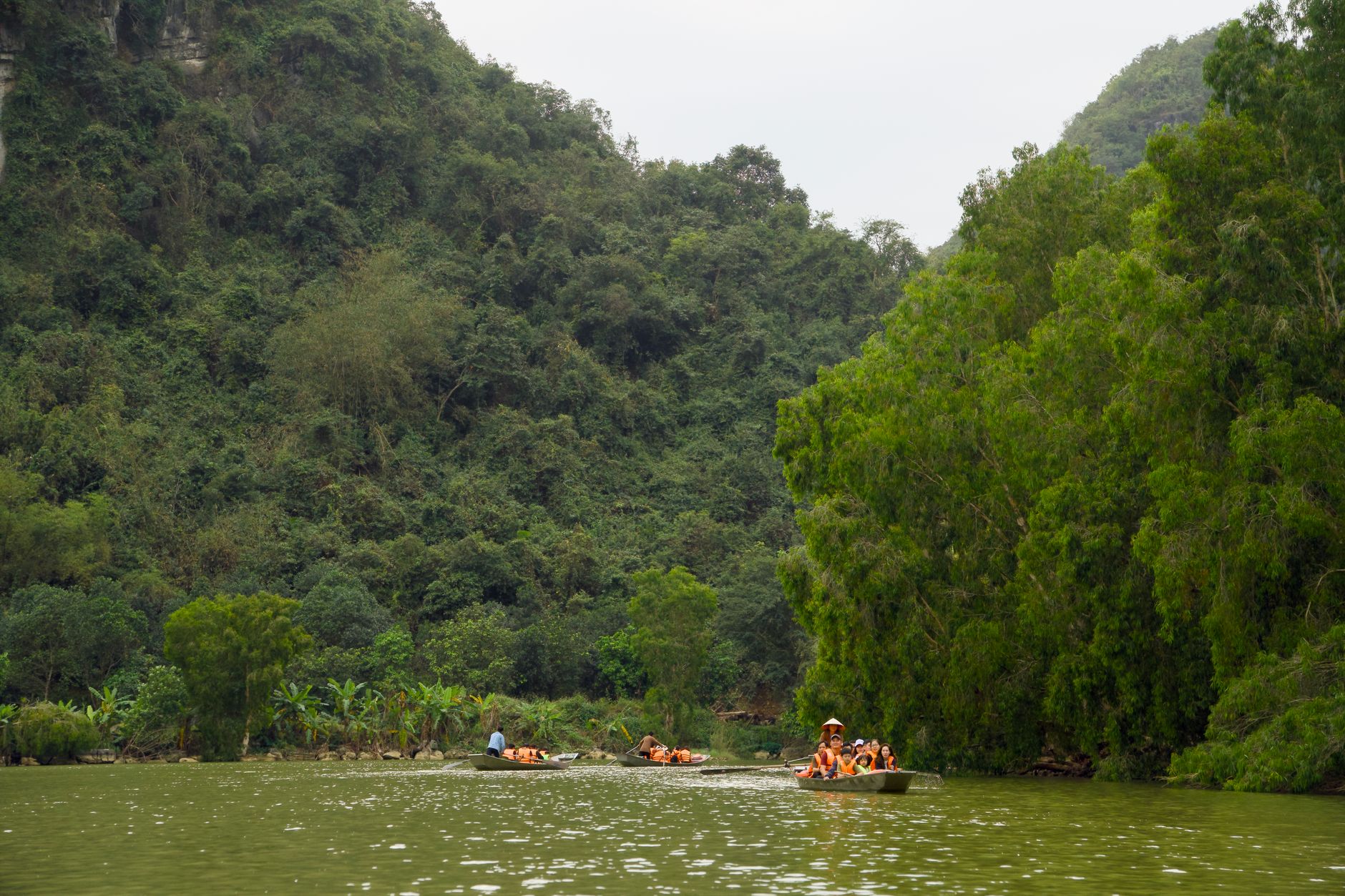
The Phong Nha Cave itself, accessible by boat along the Son River, is the park’s most historically layered site. Cham people used it as a temple centuries before French explorers documented it in the 1800s. The river entrance, flanked by karst walls that compress and then open into vaulted chambers, is the kind of approach that architecture cannot manufacture. It is also the most accessible cave in the park, reachable without guides or physical demands beyond a boat ride, which means it functions as an entry point for travelers who will never reach Son Doong but leave with a genuine sense of what the karst holds.
The Calculation Against Ha Long
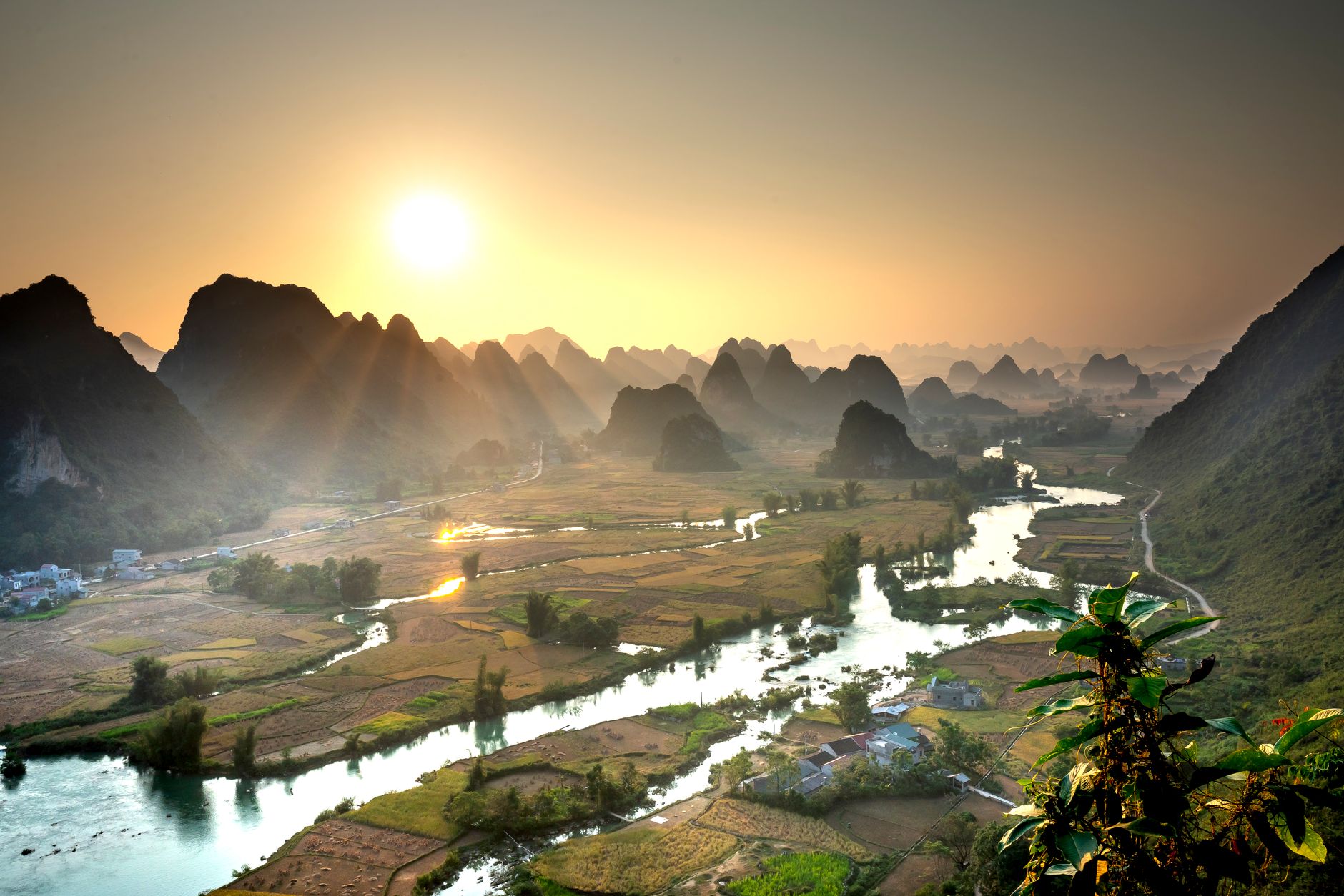
Ha Long’s version of karst is horizontal – open water, sky, boats threading between limestone islands. Phong Nha’s is vertical and subterranean, the geology folded inward rather than scattered across a bay. Choosing between them is less a comparison than a decision about what kind of encounter with ancient rock you are actually after. Ha Long has the infrastructure, the ease, the established itinerary that fits neatly into a two-week Vietnam circuit. Phong Nha requires a harder look at the map, a longer bus ride from Hanoi or Hue, and a willingness to build a trip around a place that does not yet appear on every list. The caves do not care either way – they were here for 400 million years before any of this, and Son Doong’s clouds will keep forming in the dark long after the last tour group exits.