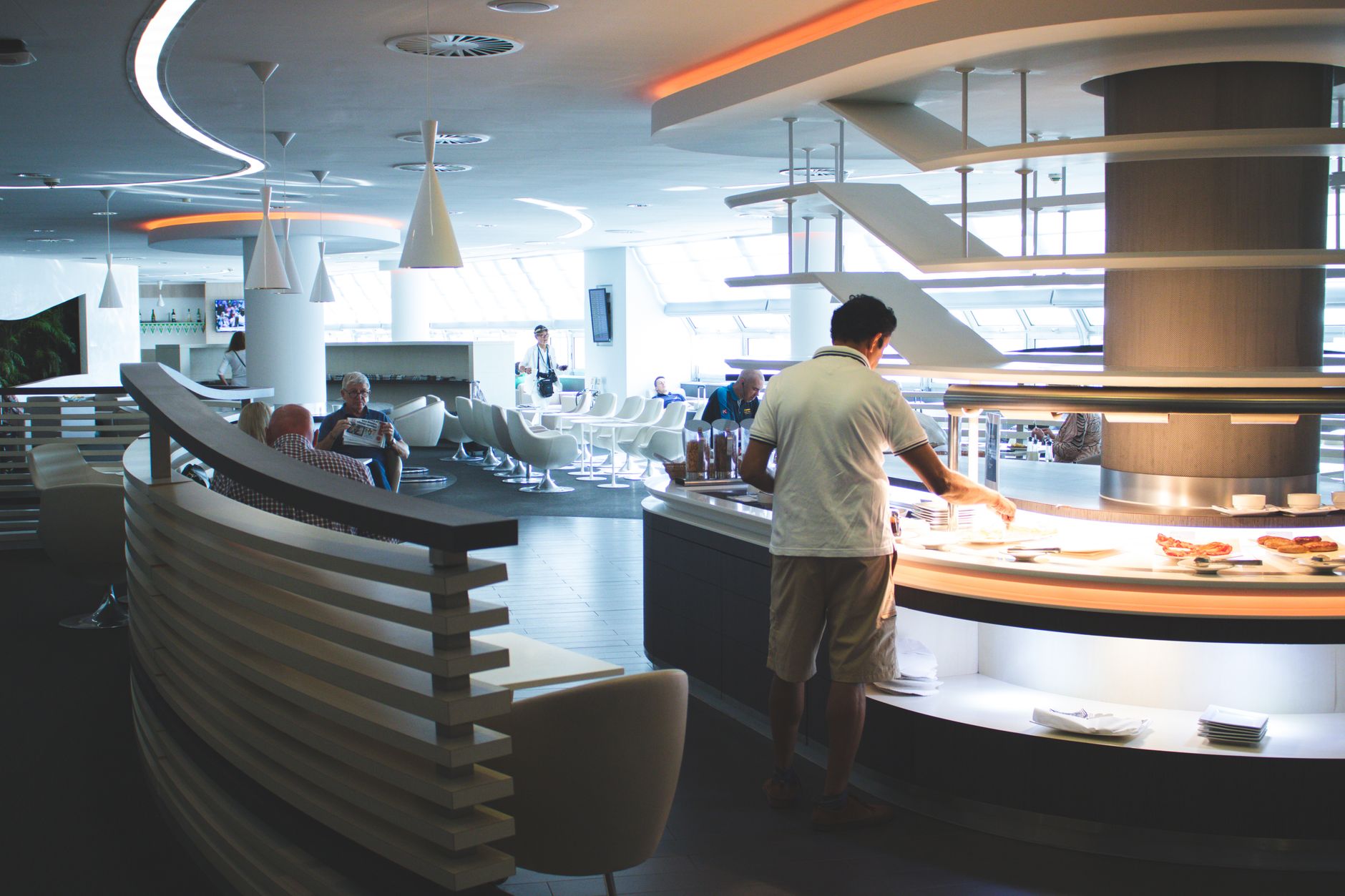

The airport lounge used to be a quiet reward for frequent flyers. Today it is just as likely to greet you with a waitlist and a full buffet line.
How a Perk Became a Crowd
Lounges were built for a small group: passengers in premium cabins, top-tier status holders and a handful of full-fare travelers. Premium credit cards changed that by opening the door to a far larger audience. Anyone willing to pay an annual fee can now treat a lounge visit as part of the product. The room did not grow when the guest list did.
Space is the hard limit. Lounges sit airside, where every square foot competes with shops, gates and restaurants that pay rent. A lounge cannot add a second floor the way a restaurant can add a patio, so a room that felt generous a few years ago now fills during every major departure bank. Early mornings and late afternoons are the worst, because those are the hours when business travelers, vacationers and card-carrying leisure flyers all arrive at once.
The problem is compounded by how many doors lead into the same room. Airlines admit their premium-cabin passengers and elite members. Card issuers admit cardholders. Third-party networks sell memberships, and some lounges sell day passes at the entrance. Each channel makes sense on its own spreadsheet, but together they overfill the space.
Operators have started managing the crowd rather than denying it. Digital check-in, capacity caps and time limits are now common, and a lounge that is full may simply ask you to wait.
The Rules Are Tightening Behind the Scenes
Card issuers have mostly responded by changing the rules rather than building bigger rooms. Guest access is the easiest lever to pull. Some issuers have ended free guest entry, charged a per-guest fee or tied guest privileges to annual spending thresholds. The logic is simple: a guest doubles the traffic from a single cardholder and doubles the food, drink and seating that visit consumes.
Timing restrictions are another tool. Some lounges limit entry to a window before your departure, which cuts out travelers using the room as a daytime office during a long layover. Others ask for a same-day boarding pass at check-in and may refuse entry if your flight is still many hours away. These rules rarely make headlines, but they change who gets a seat.
The access network matters too. A card’s own flagship lounges are usually the best rooms and the most crowded, because they are the ones the issuer advertises. Network lounges vary widely in quality, and some airports offer a restaurant credit through these programs instead of a lounge seat. A cardholder who assumes the benefit means a quiet sofa can find a spending allowance at a counter instead.
The economics explain the tightening. A lounge visit costs money: food, staff, rent and, in many network arrangements, a fee the issuer pays the operator for each person who walks in. An annual fee covers that expense only if the average cardholder visits occasionally. Issuers also advertise lounges heavily to win new customers, which pulls in the people most likely to use the benefit often, and the more successful that pitch is, the more crowded and costly the rooms become. Eventually the issuer has to choose between a smaller perk and a smaller margin, and the rules shift toward the perk.
Airline-run lounges have been drawing firmer lines of their own. Access through a card can come with conditions, such as holding a ticket on that carrier or flying a fare type that qualifies. For travelers who bought a card partly for lounge entry on a specific airline, the fine print now deserves a closer read than the welcome bonus does.
What Travelers Can Do About It
Check the current access terms before every trip, not just when you open the card. Guest policies, entry windows and lounge capacity rules change without much fanfare, and the lounge’s own website or app is usually more current than the card’s benefits page. Decide what you actually want from the room. If it is food and a seat, an airport restaurant may serve you better. If it is quiet and a power outlet, an uncrowded gate area sometimes does the job. Compare the annual fee with what you would spend on a day pass or a meal, and be honest about how often you fly.

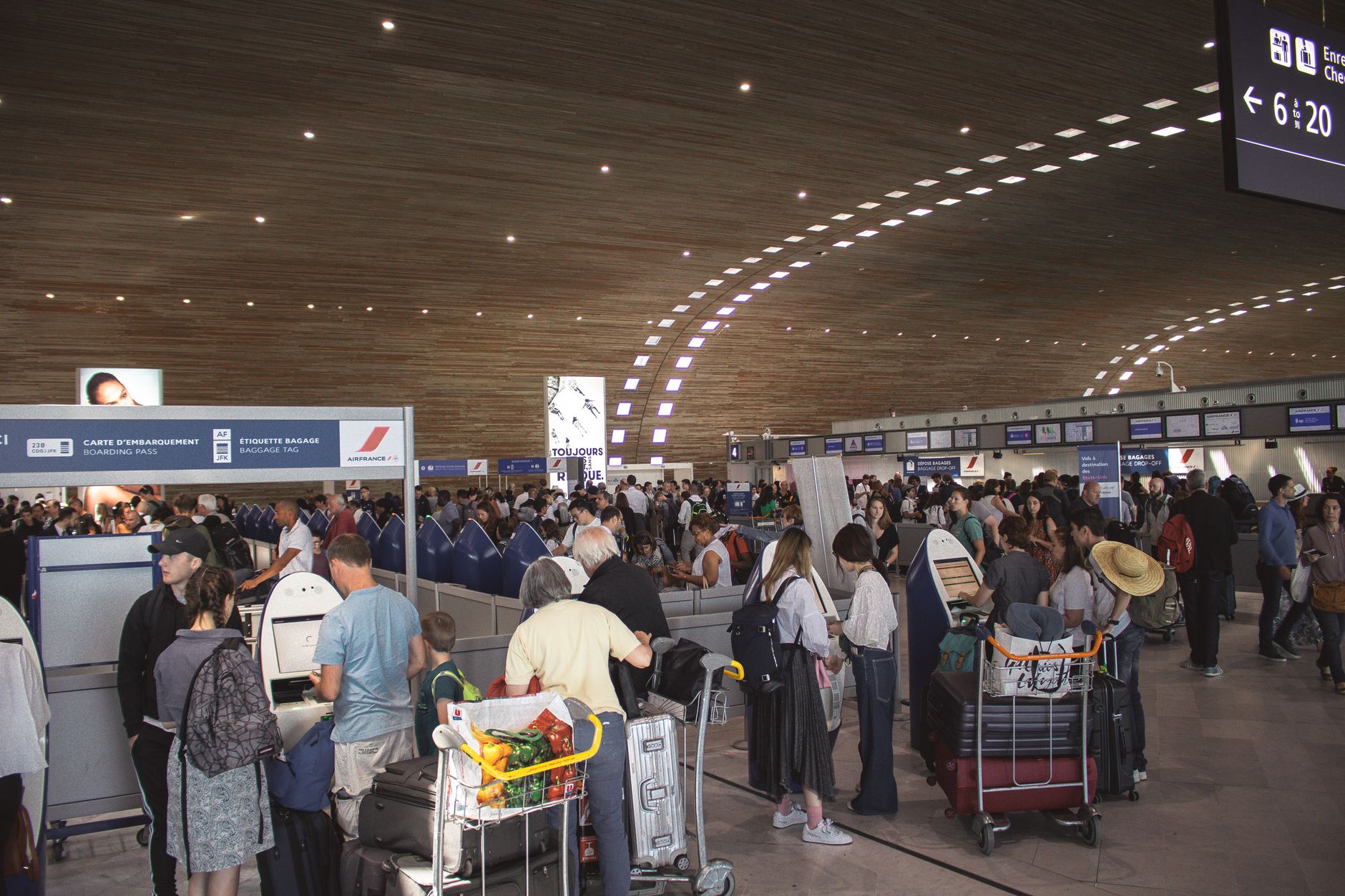
Lounges matter most on disrupted travel days, which is also when they fill fastest. The lounge desk becomes one more queue among many, and knowing how to use airline apps to rebook yourself during flight disruptions can get you a new seat before you reach the front. If the benefit that justified your annual fee now means standing in line for a free coffee, is it still the perk you signed up for?