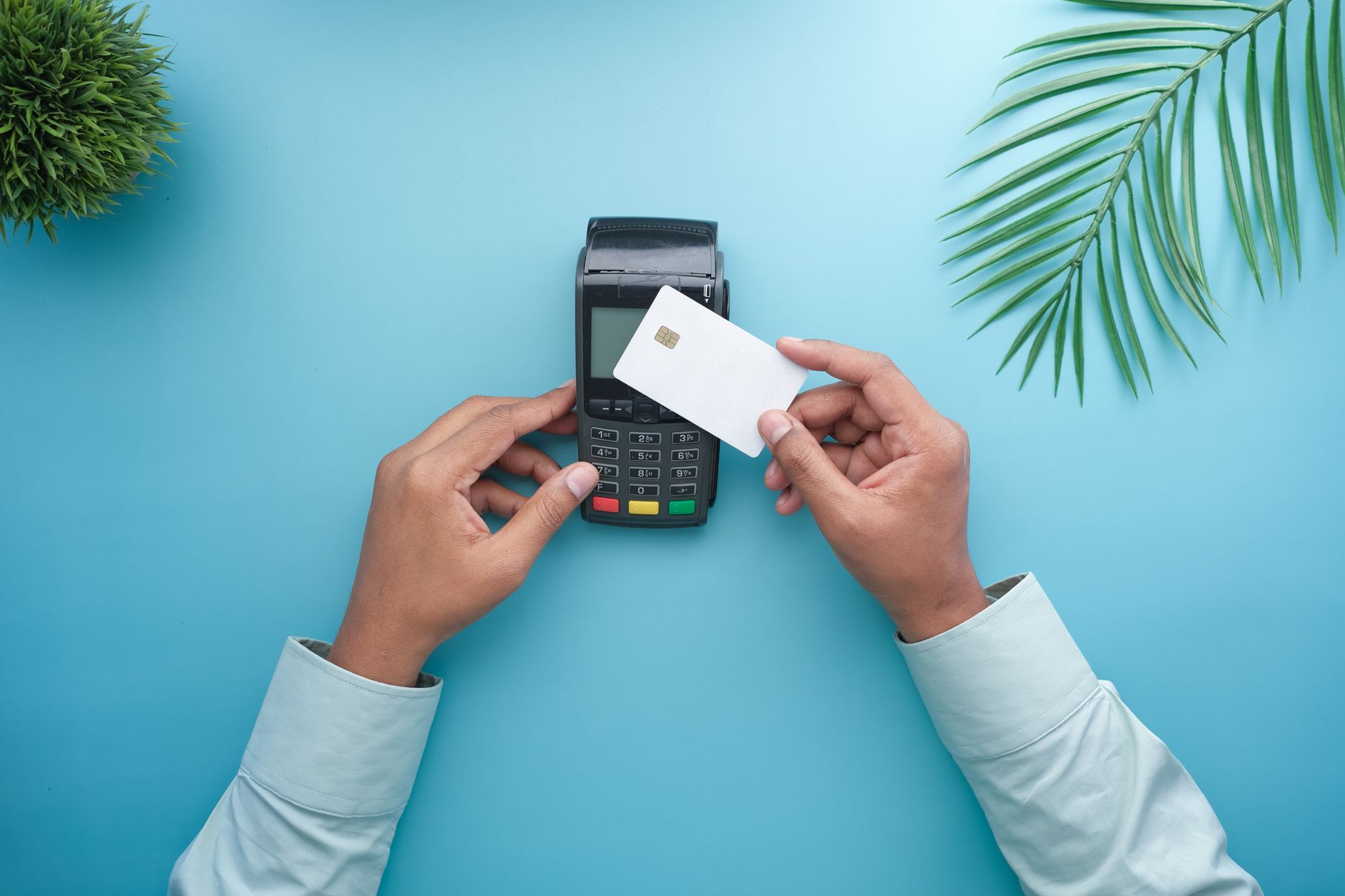

You tap your card for a plate of pasta in Rome, the terminal shows one price, and weeks later your statement quietly tells a slightly different story.
Where the Fee Hides
A foreign transaction fee is a surcharge applied to purchases made in a foreign currency or processed through a foreign bank. On cards that charge it, the rate is commonly around 3 percent of each purchase. That cost is typically split between the payment network, which handles the currency conversion, and the card issuer, which adds its own cut. The result is a small percentage that attaches itself to nearly every swipe for the length of a trip.
The fee is easy to miss because it never appears at the register. The merchant’s terminal shows the local price, you approve it, and the receipt matches what you expected. The surcharge shows up later, either as a separate line on your statement or folded into the converted amount. Most travelers check the receipt in the moment and the statement, if at all, long after the trip.
Then there is the assumption problem. A card with a travel-themed name, a metal finish, a points program and an annual fee feels like it was built for airports and hotel lobbies. Plenty of cards that lean on travel branding do waive foreign fees, but plenty of others do not. Rewards and fee structure are separate features, and a card can be generous on one while charging full price on the other.
The fee also isn’t tied to your physical location, which surprises people who never leave home. What counts is where the merchant is based or how the transaction is processed. An online order from an overseas retailer, a hotel booked through a foreign website, or a subscription billed by a company abroad can all trigger the surcharge, even if the price is listed in your home currency and you never left your couch.
The Traps That Make It Worse
The most common add-on is dynamic currency conversion. At a restaurant or shop abroad, the terminal asks whether you would like to pay in your home currency or the local one. Choosing your own currency feels like the safe, transparent option because you see a familiar number. In practice, the merchant’s payment provider sets the exchange rate, and that rate usually carries a markup that is less favorable than the one your card network would apply. The question is framed as a convenience, but it is really a decision about who gets to set the exchange rate, and the answer is rarely you. Always choose the local currency and let your card handle the conversion.
The interaction between that markup and your card’s own fee is where things get murky. Depending on how a transaction is coded, a traveler can end up paying the merchant-side markup and, in some cases, the card’s surcharge on top of it. The exact outcome varies by issuer and by terminal, which is precisely why it is so hard to predict from the receipt alone.
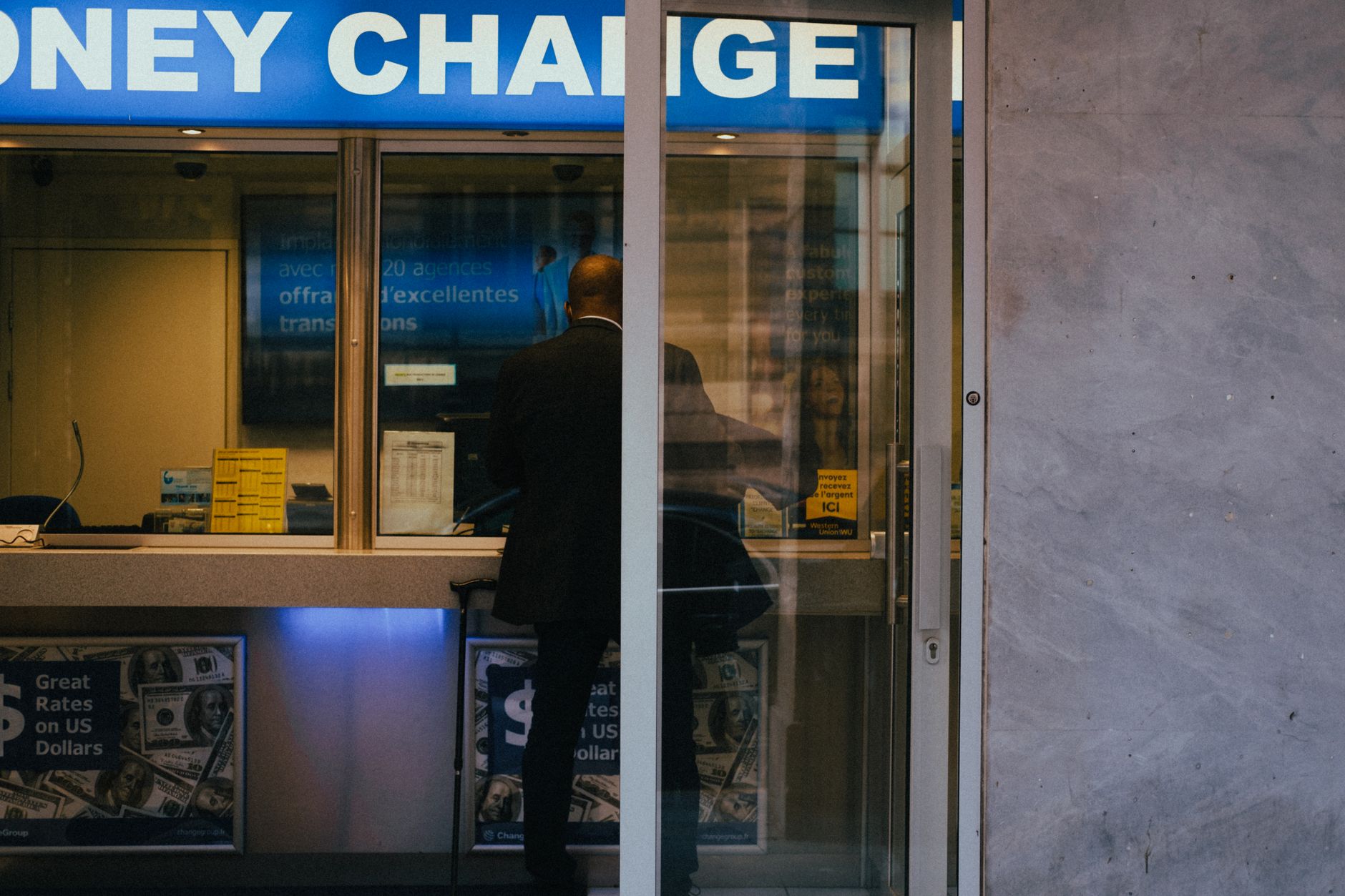
Cash adds another layer. Withdrawing money from a foreign ATM can trigger your issuer’s foreign fee, the ATM operator’s own fee, and sometimes a charge from the local bank hosting the machine. Some credit cards also treat ATM withdrawals as cash advances, which means interest can begin accruing immediately instead of after a grace period. A debit card may behave differently, but it comes with its own fee schedule. Travelers heading to places where cash still matters, such as markets, small guesthouses and rural taxis, should check how their specific card treats withdrawals before they land.
Because the fee is a percentage, it scales with every splurge. A cheap coffee barely registers, but a hotel bill or a rental car deposit does.
Finally, habit does a lot of the damage. The card saved as the default in your phone’s wallet is the one that gets used for transit taps and quick purchases, whether or not it is the best card for the trip. Travel companions often share a table and a bill, and whichever card comes out first becomes the card of record. If you carry a fee-free card as a backup but a fee-charging one is your default, the backup never gets used. The fee schedule itself is disclosed in the card’s rates and fees table, which almost nobody reads until a surprise forces the issue.
Fixing It Before You Fly
The fix is mostly administrative, which is why it gets skipped. Find the rates and fees section of your card agreement and look for the line labeled foreign transaction fee. If it shows a percentage, look at whether you hold or can get a card that charges nothing. Apply early, since approval and delivery can take longer than a travel timeline allows. Once the card arrives, set it as the default in your phone’s wallet and tell your travel companions which card to reach for.
Abroad, the rules are short: pay in the local currency every time, decline the terminal’s offer to convert for you, and use ATMs sparingly with a card whose withdrawal terms you have already read. Before your next trip, open your card’s fee table and find that one line. If it doesn’t say zero, you have your answer on what to pack and what to leave in the drawer.