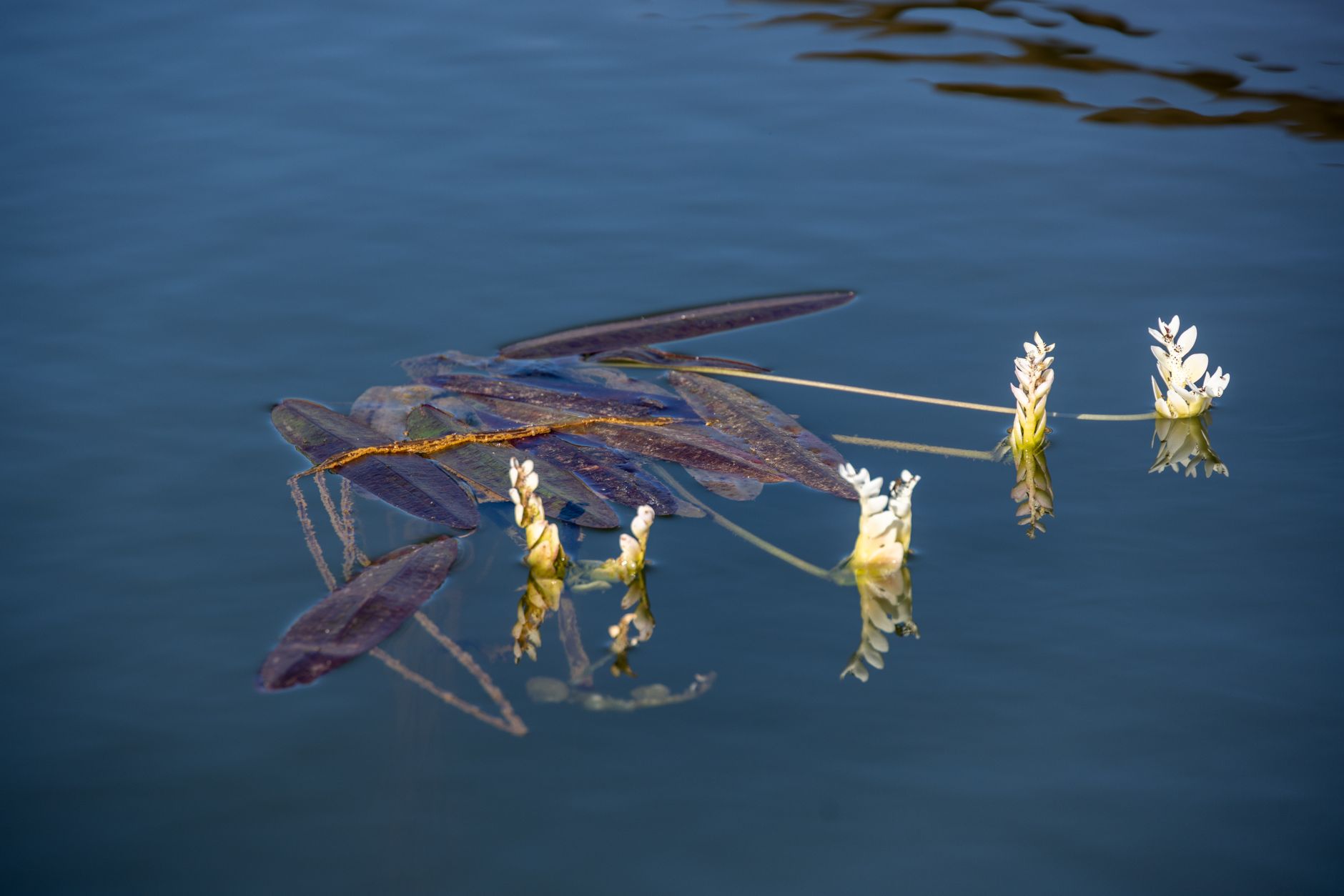
Zambia’s Bangweulu Wetlands Quietly Rival South Luangwa for Shoebill Wanderers

Where the Papyrus Parts
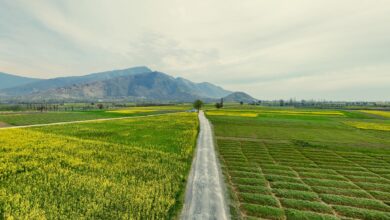
South Luangwa gets the glossy spreads, the safari lodge endorsements, the bucket-list billing. But roughly 400 kilometers to the north, Zambia holds a quieter card: the Bangweulu Wetlands, a vast floodplain system spanning more than 9,000 square kilometers of papyrus swamps, shallow lakes, and seasonally inundated grassland. This is shoebill country – not as a rumor or a lucky sighting, but as a near-certainty for travelers willing to do the work of getting there.
The shoebill stork is the kind of bird that makes otherwise composed wildlife photographers lose their composure entirely. Standing up to five feet tall, with a prehistoric bill the shape and size of a wooden clog, it holds its position for minutes at a time before striking with speed that seems physically impossible for something so large. Bangweulu hosts one of Africa’s most reliable shoebill populations, and the community-managed conservation model here makes the experience feel less like a tourist transaction and more like genuine access to a working ecosystem.
Getting There Without a Fixer
Bangweulu is not the kind of place you reach by accident. The standard approach runs through Lusaka to Kasama by air or road, then overland to the small town of Samfya on Lake Bangweulu’s western shore – a journey that can stretch across the better part of two days depending on road conditions after the rains. From Samfya, local boat operators ferry visitors into the wetlands proper, where camps are sparse and the concept of “turndown service” does not apply.
The African Parks Network manages conservation across Bangweulu in partnership with local communities, and that arrangement has produced something rare: a destination where the wildlife comes first and the tourism infrastructure is built around what the land can absorb, not the other way around. Visitor numbers stay low because access is genuinely difficult, not artificially restricted. That friction is, for the right traveler, the whole point.
Timing matters more here than at most African destinations. The dry season, running roughly from May through October, concentrates wildlife around remaining water sources and makes overland movement through the floodplain possible. The wet season transforms the entire landscape into a mirror-flat expanse of water that requires boat navigation for almost everything – beautiful in its own way, but demanding in terms of logistics and equipment. Shoebills are present year-round, but the dry season months of June through August offer the clearest sightlines through the reeds.
The Shoebill Question
Why Bangweulu over other shoebill destinations? Uganda’s papyrus swamps around Murchison Falls and the fringes of Lake Victoria hold shoebills, and they are more accessible by far. But accessibility cuts both ways – those sites also see heavier boat traffic, more noise, and shoebills conditioned to pull back from human activity rather than hold their ground. Bangweulu’s birds, habituated through low-volume, community-led tourism, tend to allow significantly closer approaches without flushing.
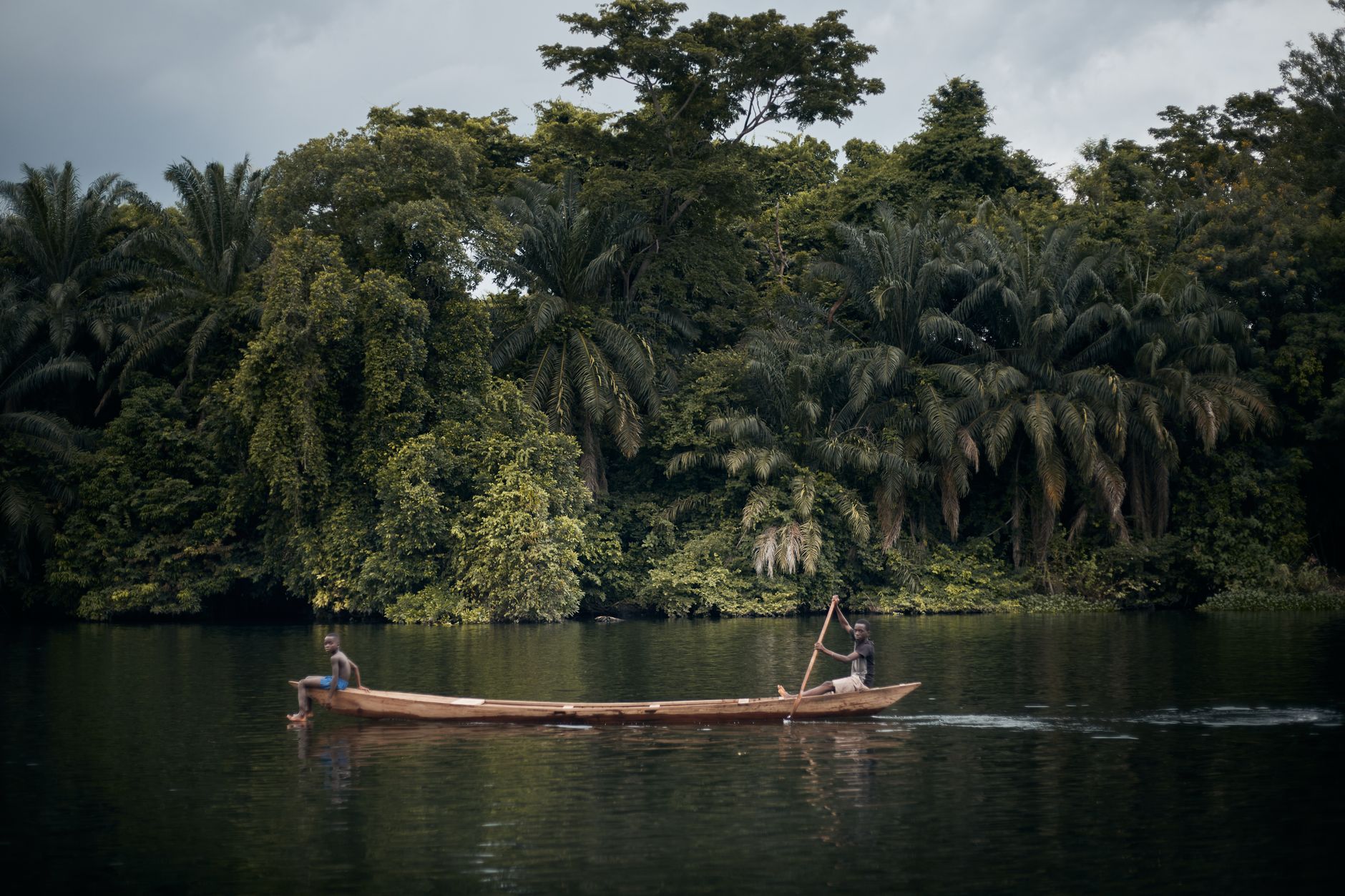
The local guides here operate on a level of detailed knowledge that specialists notice immediately. These are people who have tracked individual birds across seasons, who know which papyrus channels the birds prefer at different water levels, and who understand that a slow, silent approach by dugout canoe produces a fundamentally different encounter than arriving by motorized boat. That knowledge is not something a guidebook replicates. It is the reason experienced birders return to Bangweulu specifically rather than treating it as a checkbox on an East Africa loop.
Beyond the shoebill, Bangweulu delivers a supporting cast that would headline any other wetland destination. The black lechwe – a subspecies found nowhere else on earth – moves through the floodplain in herds that number in the tens of thousands during peak season, a spectacle with no real equivalent on the continent. Wattled cranes, open-billed storks, and African fish eagles work the shallows in numbers that justify a dedicated birding trip even if the shoebill somehow evades you. It rarely does.
The conservation story running underneath all of this is worth understanding before you visit. Bangweulu’s model distributes tourism revenue directly to surrounding communities, which has changed the economic calculus around poaching in a region that was historically under severe pressure. The lechwe population, which had declined sharply in the latter decades of the 20th century, has recovered substantially under this arrangement. Visiting here is not charity tourism – the wildlife and landscape stand entirely on their own – but knowing that your presence supports a functional conservation economy does change how the experience sits afterward. For travelers who have grown skeptical of greenwashing language, Bangweulu offers something more concrete: a landscape that demonstrably recovered because the people living inside it had a reason to let it.
For context on how similar community-led conservation models have played out elsewhere on the continent, the dynamics at Botswana’s Makgadikgadi Pans offer a useful parallel – different ecosystem, same underlying logic of aligning local economic interest with wildlife recovery.
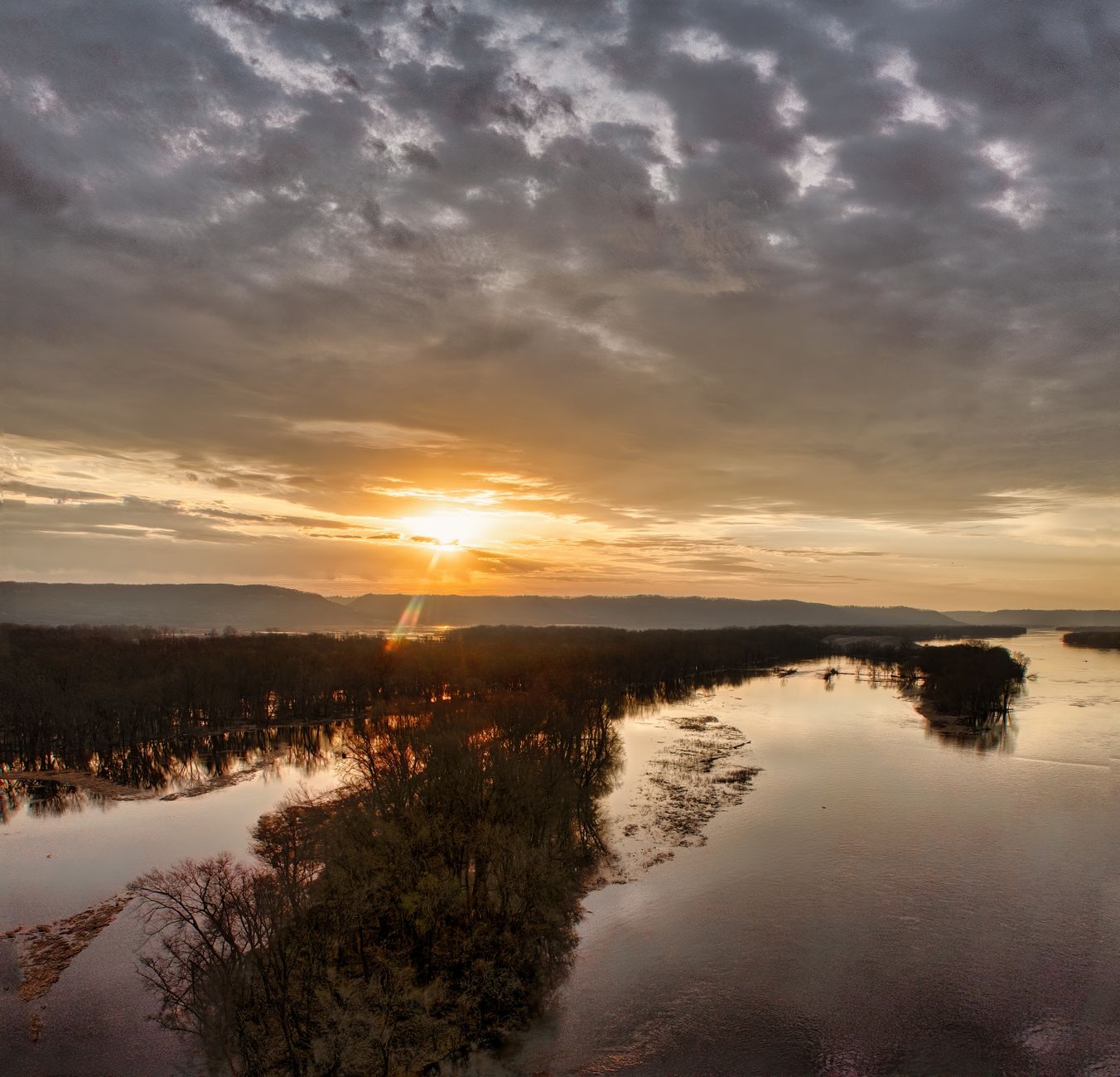
South Luangwa will always have the marketing advantage: the leopard density, the walking safari heritage, the established lodges with the outdoor bathtubs pointed at the river. Bangweulu does not compete with any of that, and it does not try to. What it offers instead is a landscape so specific, so defined by a single atmospheric quality – the flat light bouncing off floodwater at dawn, the silence broken only by lechwe hooves and the occasional prehistoric clatter of a shoebill adjusting its wings – that travelers who have been there tend to describe it in terms usually reserved for places they visited decades ago and never forgot. The question is whether the relative obscurity holds, or whether a few more glossy spreads eventually change the character of the thing that makes it worth visiting in the first place.