Zambia’s Liuwa Plain Quietly Rivals the Okavango for Wildebeest Wanderers

The Migration Nobody Talks About
Every October, roughly 30,000 wildebeest begin moving across a flat, waterlogged plain in western Zambia. There are no balloon flights overhead. No convoy of safari vehicles lined up at the crossing. No influencer content flooding your feed. The Liuwa Plain National Park migration happens at the edge of Zambia’s Barotse Floodplain, in one of the most remote corners of southern Africa, and it plays out almost entirely without an audience.
The Serengeti migration gets the documentaries. The Okavango gets the design awards. Liuwa gets something rarer: actual solitude.
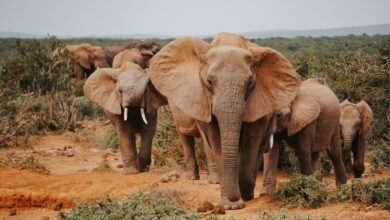
For travelers who have already done the circuit – Botswana’s camps, Kenya’s Mara crossings, Zimbabwe’s Hwange in elephant season – Liuwa Plain offers a different kind of wildlife experience, one defined not by volume of game but by the near-complete absence of other tourists. The infrastructure is minimal, the roads are brutal in the wet season, and the rewards are proportional to both of those facts.
What Makes Liuwa Different From Every Other Migration Destination
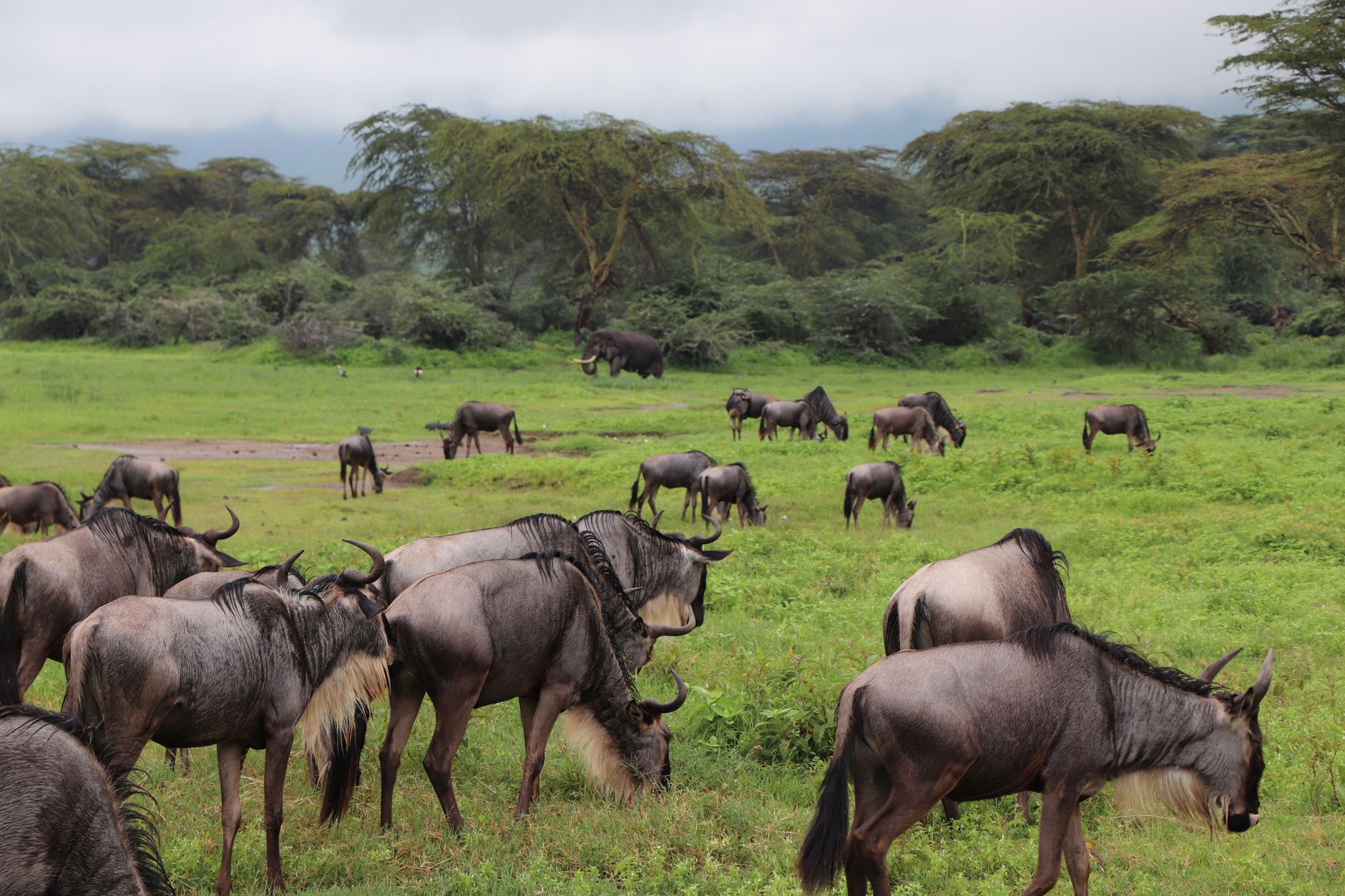
The wildebeest migration at Liuwa is Africa’s second-largest, a fact that rarely appears in mainstream travel coverage. The herds aren’t as enormous as the Serengeti’s 1.5 million animals, but the viewing conditions are incomparably more intimate. On a good morning in November, a traveler can watch thousands of animals moving across open floodplain grassland without another vehicle in sight. That is not a common sentence you can write about any famous African wildlife destination in 2024.
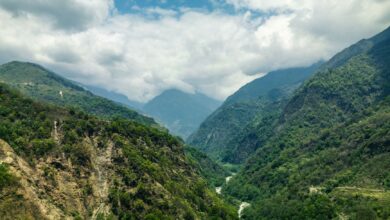
Liuwa’s landscape itself is worth the journey. The park sits within a larger floodplain system that fills dramatically during the Zambian rains, transforming the terrain into a shallow inland sea that forces wildlife and birds into spectacular concentrations. Crowned cranes, wattled cranes, and open-billed storks move through in numbers that would stop any serious birder. Lions, hyenas, and wild dogs work the edges of the herds. The predator-prey dynamic at Liuwa feels unmediated in a way that the most famous parks, with their decades of heavy visitation, no longer quite deliver.
African Parks, the conservation nonprofit that now manages Liuwa under a long-term agreement with the Zambian government and the Lozi royal establishment, has reintroduced predator species that had vanished from the park over decades of poaching pressure. Wild dogs were locally extinct here and are now breeding. The restoration is ongoing and visible – which means the ecosystem a visitor encounters today is actively in recovery, a process that adds a specific kind of meaning to wildlife sightings that a static, long-established reserve cannot replicate.
Getting There and What to Expect on the Ground
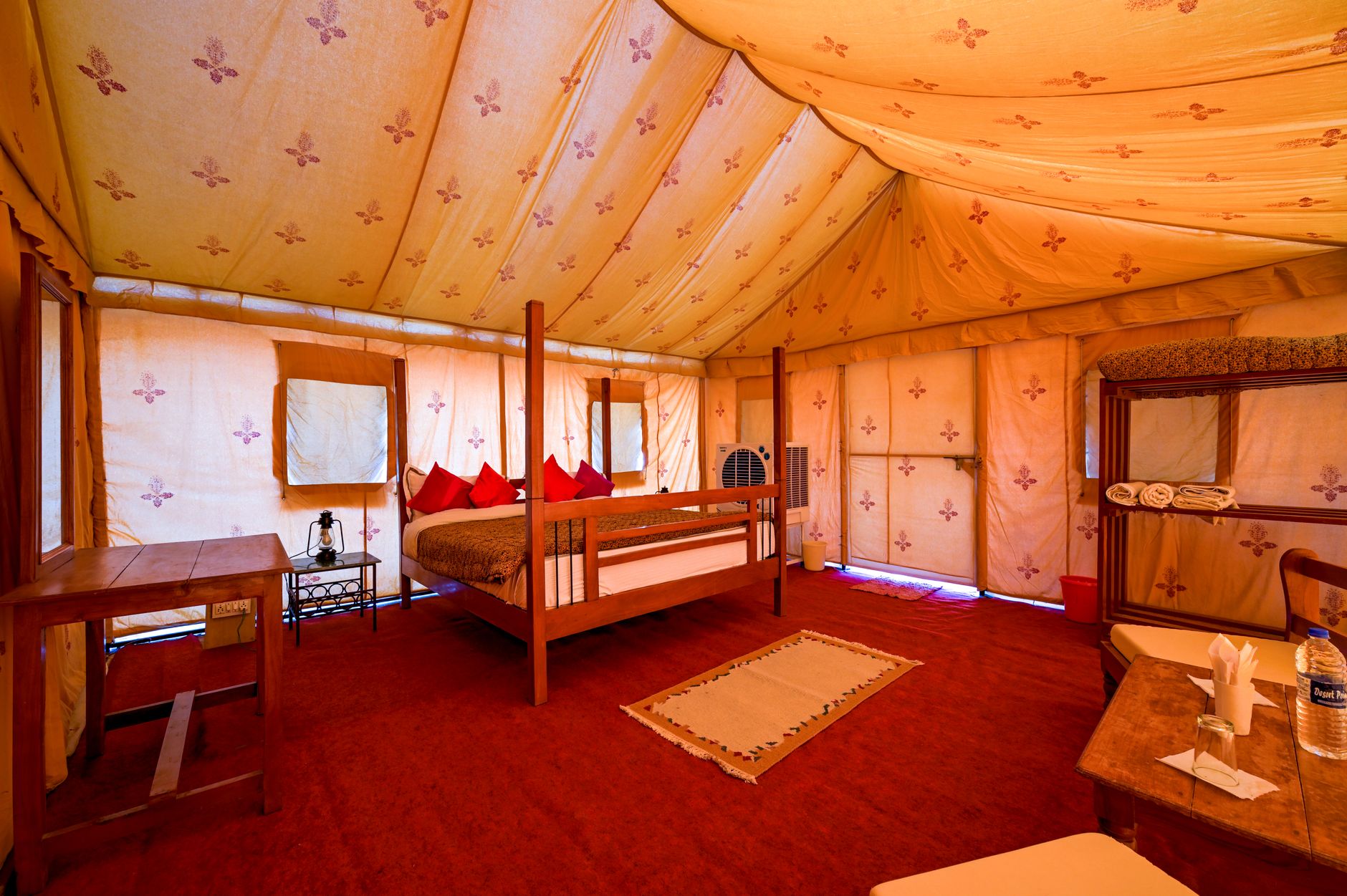
Liuwa Plain is not easy to reach. The park is accessible from Kalabo, a small town on the eastern bank of the Zambezi River, reached by charter flight or by an overland route from Mongu that involves a ferry crossing and roads that become impassable after heavy rain. Most visitors arrive on fly-in packages organized through the park’s single luxury camp, which operates a small number of tents and keeps guest numbers deliberately low. That is not a branding choice – it is a function of the park’s carrying capacity and the conservation model underpinning the whole operation.
The best time to visit for the migration is October through December, when the wildebeest gather ahead of the rains and the calving season begins. January and February bring the full flood, which makes road access nearly impossible but turns the park into a wetland spectacle unlike anything else in the region. Dry season visits, from June through September, offer easier movement and better predator sightings but miss the migration entirely. The park is also significantly cheaper to reach in the dry season, which matters when charter flights from Lusaka are factoring into the total cost.
Budget is the honest limiting factor for most travelers. Liuwa is not a budget destination. The combination of charter flights, remote location, and the conservation fees built into camp rates puts it firmly in the upper tier of African safari pricing. That cost, however, is directly funding the predator reintroduction program, anti-poaching patrols, and community revenue sharing with the local Lozi communities who have co-managed this landscape for generations. The fee structure is not inflated by brand markup – it is load-bearing infrastructure for a park that has no other revenue stream.
Why Liuwa Stays Off the Radar – and Why That Might Change
The Okavango Delta has a global media profile built over thirty years of documentary coverage, international awards, and a water-from-the-sky story that photographs well from every angle. Liuwa has none of that history. It was barely accessible to international visitors until the early 2000s, and the single-camp model limits the number of people who can experience it in any given season to the low hundreds. Word travels slowly when your guest list is that short.
A growing number of high-end safari operators are now routing clients through western Zambia as part of multi-country itineraries, pairing Liuwa with South Luangwa or Lower Zambezi to give travelers a full picture of what Zambia offers beyond its most famous parks. The Kafue National Park, just east of Liuwa, is simultaneously attracting renewed attention for its own big-cat density, which means western Zambia is quietly building a case as a serious wildlife corridor worth multiple weeks of travel rather than a single destination.
None of this has produced the kind of visibility that brings competitive pressure to Liuwa’s booking calendar – yet. The park’s remote location remains a genuine filter, and the fly-in dependency means there’s no option for self-drive visitors to show up and figure it out on the ground. That logistical barrier, frustrating as it is for independent travelers, is also the reason the experience remains what it is.
The question worth sitting with is whether Liuwa’s obscurity is structural or temporary – because the migration itself, the landscape, and the conservation story are all strong enough to support a much larger profile. Once a single streaming documentary finds it, the booking window may compress faster than the park’s infrastructure can handle.