Zambia’s Liuwa Plain Quietly Rivals the Serengeti for Wildebeest Wanderers

The Migration Few Tourists Ever Witness
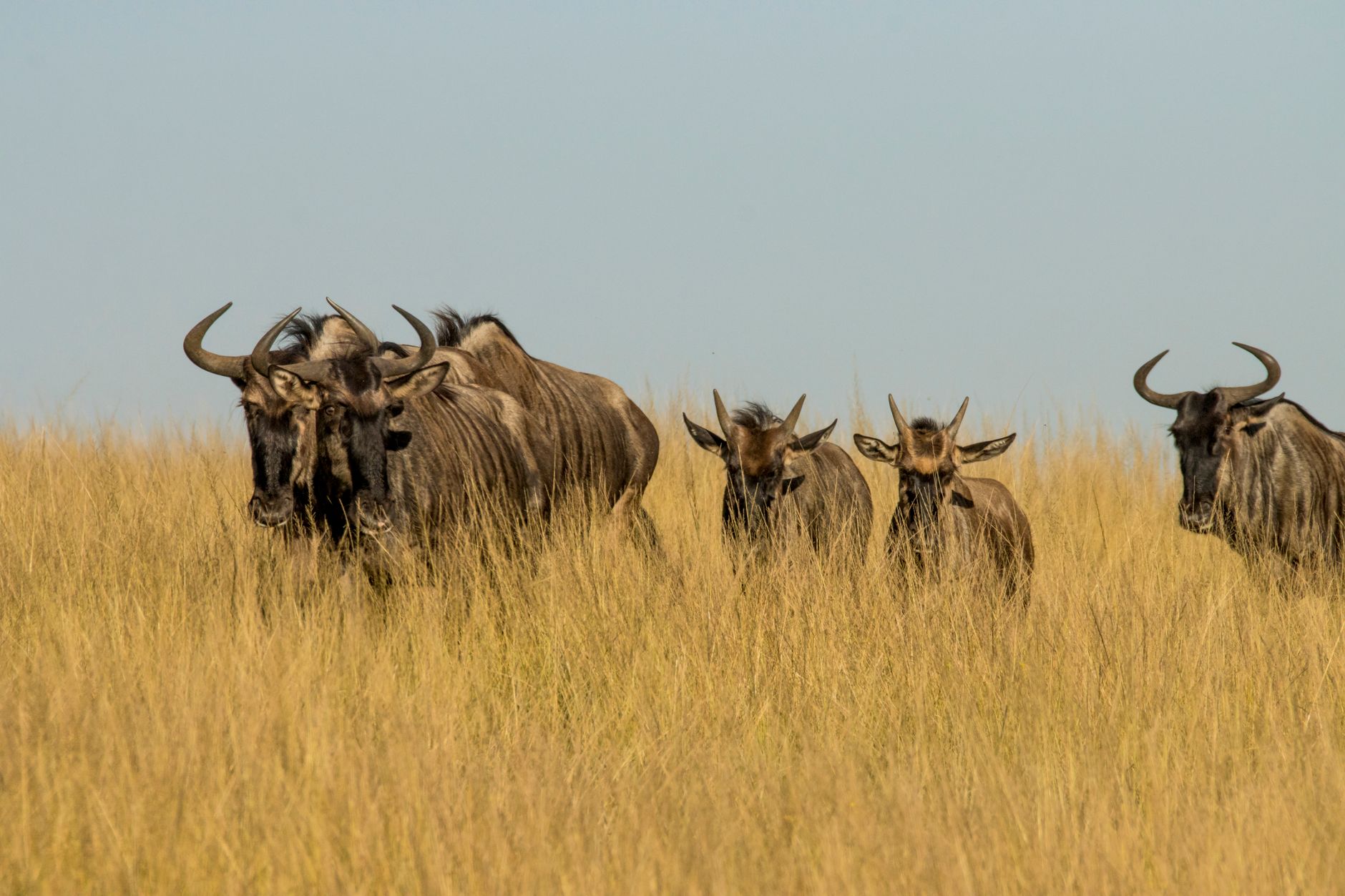
Every October and November, roughly 45,000 wildebeest pour across Zambia’s Liuwa Plain National Park in what ranks as Africa’s second-largest wildebeest migration. The Serengeti gets the documentaries, the magazine spreads, and the packed Land Cruisers. Liuwa gets the silence.
The park sits in the far western corner of Zambia, tucked against the Angolan border in Barotseland – a region so logistically remote that reaching it requires serious commitment: a flight to Kalabo, a barge crossing over the Zambezi floodplain, and a drive across open grassland that doubles as a runway for small aircraft. That barrier to entry is precisely why the wildebeest here move largely undisturbed, and why the handful of visitors who do make the journey describe it as the most raw wildlife experience they’ve ever had.
There are no traffic jams of tourist vehicles at the kill sites.
What Liuwa Actually Looks Like
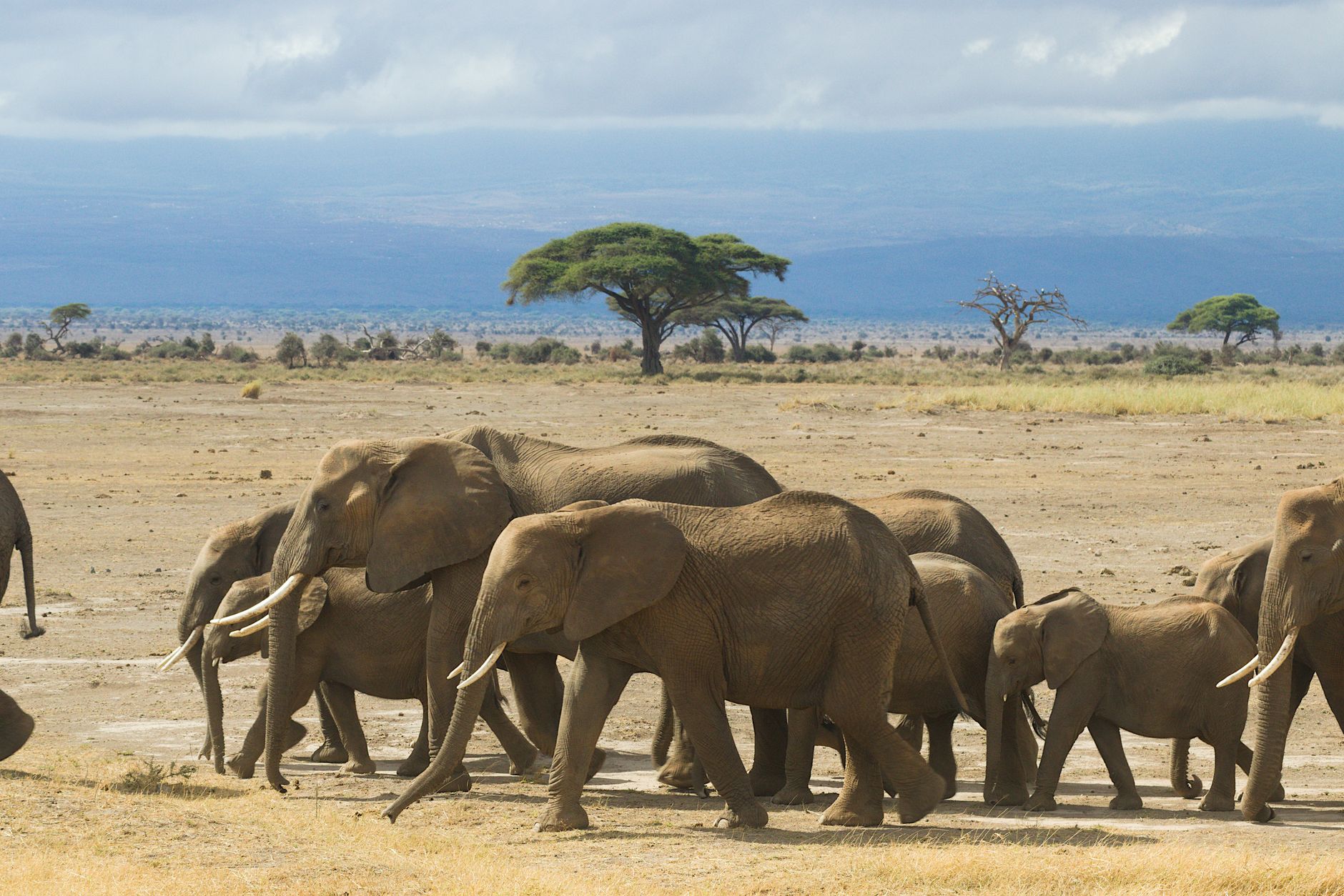
Liuwa Plain is a vast, flat grassland – roughly 3,660 square kilometers of open floodplain that transforms dramatically with the seasons. During the wet season, from November through April, the plain floods to create a shallow inland sea dotted with termite mounds that rise like islands. Wildebeest, zebra, tsessebe, and buffalo spread across this waterlogged expanse in numbers that feel genuinely disorienting when you realize how few other people are watching them with you. A lone acacia tree on the horizon becomes your only landmark.
The dry season strips the plain back to golden grassland, concentrating animals around remaining water sources and drawing predators into the open. Liuwa has one of the highest densities of hyena clans in Africa, and the park’s lion recovery story is extraordinary – the famous lioness Lady Liuwa, who spent years as the only lion in the park after decades of poaching decimated the population, became a symbol of the park’s restoration effort before her death in 2017. Her descendants now form prides that hunt openly across the plain. Watching a hyena clan challenge lions over a kill on a completely empty horizon, with no other vehicle in sight, is something the Serengeti simply cannot offer anymore.
The birdlife operates at a different scale entirely. The flooded plains attract massive flocks of crowned cranes, pelicans, and open-billed storks. Wattled cranes – among the rarest in Africa – breed here in meaningful numbers. For birders who have worked through East Africa’s highlights and want something genuinely less catalogued, Liuwa delivers a kind of exploratory thrill that feels closer to the early days of safari than anything else currently accessible on the continent.
How to Actually Get There and When to Go
African Parks, the conservation NGO that has managed Liuwa since 2003, partners with a single luxury camp inside the park – Kwale Camp – operated seasonally during the dry and migration months. Accommodation options are deliberately limited, which is both the appeal and the planning challenge. Dates fill months in advance for the October-November migration window, and the camp operates only from around July through December, closing entirely when the floodwaters make access impossible. Visitors who try to book late invariably find themselves shut out.
The most practical routing goes through Lusaka, then to Mongu by road or charter flight, followed by the Kalabo crossing. Some operators combine Liuwa with a stop at the Lower Zambezi or South Luangwa to create a fuller Zambia circuit – a sensible approach given the travel investment required to reach western Zambia at all. Budget travelers should know that independent camping is technically possible but logistically brutal without serious preparation and a well-equipped 4×4 capable of handling deep sand and waterlogged tracks.
Peak migration viewing sits firmly in October and November, when the wildebeest herds are densest and lion activity peaks around the congregating prey. July through September offers excellent dry-season game viewing with more predictable road conditions. The shoulder period of late June can be rewarding and slightly less booked, though the herds haven’t yet consolidated into their full dramatic mass. Wildlife photography is exceptional in the wet season for landscape and birdlife, but vehicle access becomes genuinely risky without local guide knowledge of which tracks are passable.
Why This Place Stays Under the Radar
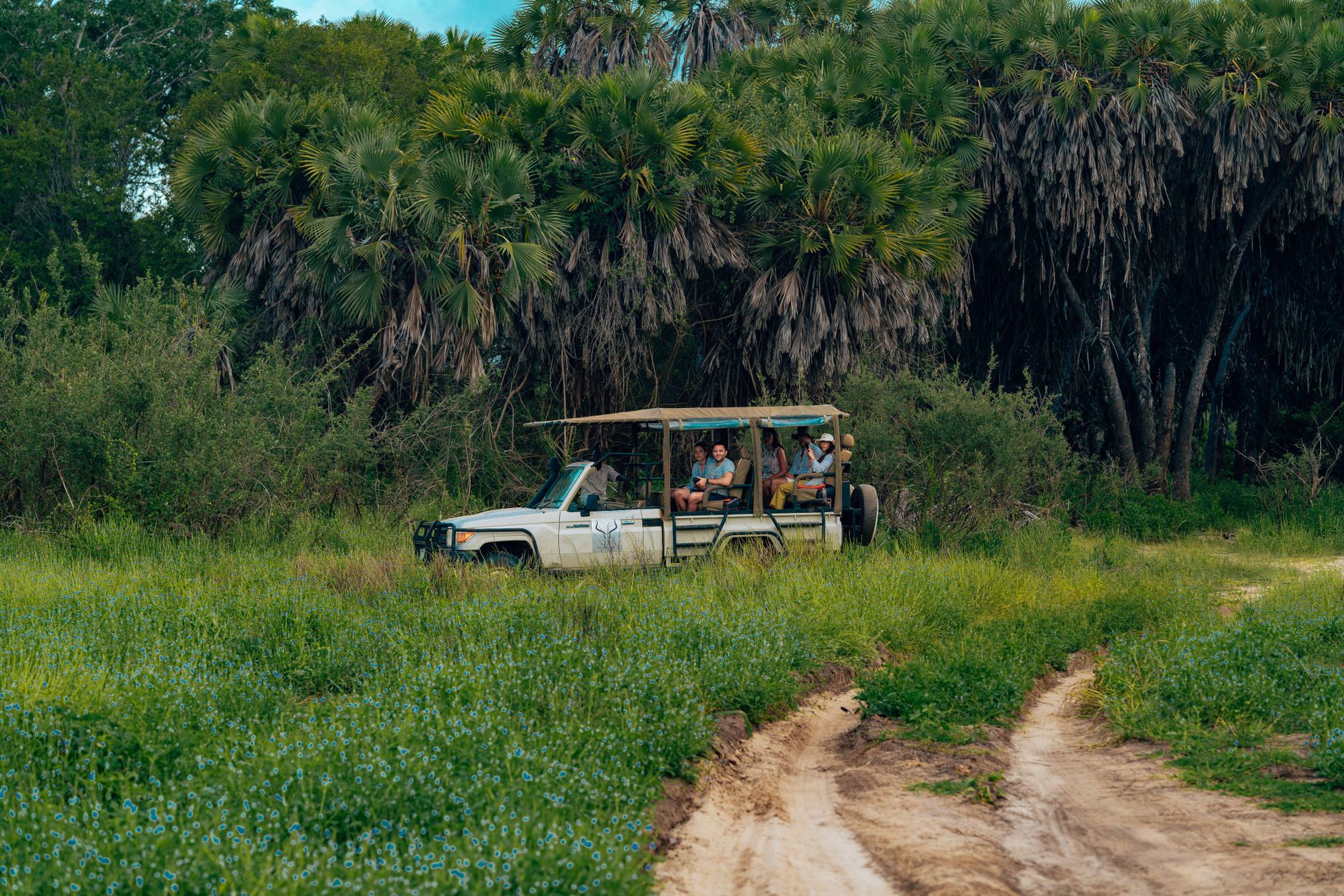
Liuwa’s anonymity is structural, not accidental. The park has no marketing budget that competes with Tanzania’s tourism industry. It doesn’t appear in the default itineraries that most safari operators sell to first-time Africa travelers. The Serengeti-Ngorongoro circuit is pre-packaged, well-photographed, and easy to explain to clients – Liuwa requires a conversation, a map, and a willingness to accept that the nearest town with a functioning ATM is several hours away. African Parks has prioritized conservation outcomes and community benefit arrangements with the local Lozi people over visitor volume, which means growth in tourist numbers has been deliberate and slow. That dynamic won’t last forever – word travels among serious wildlife travelers – but for now, a wildebeest migration watched from a single vehicle on an infinite plain still feels like something you discovered rather than something you purchased.