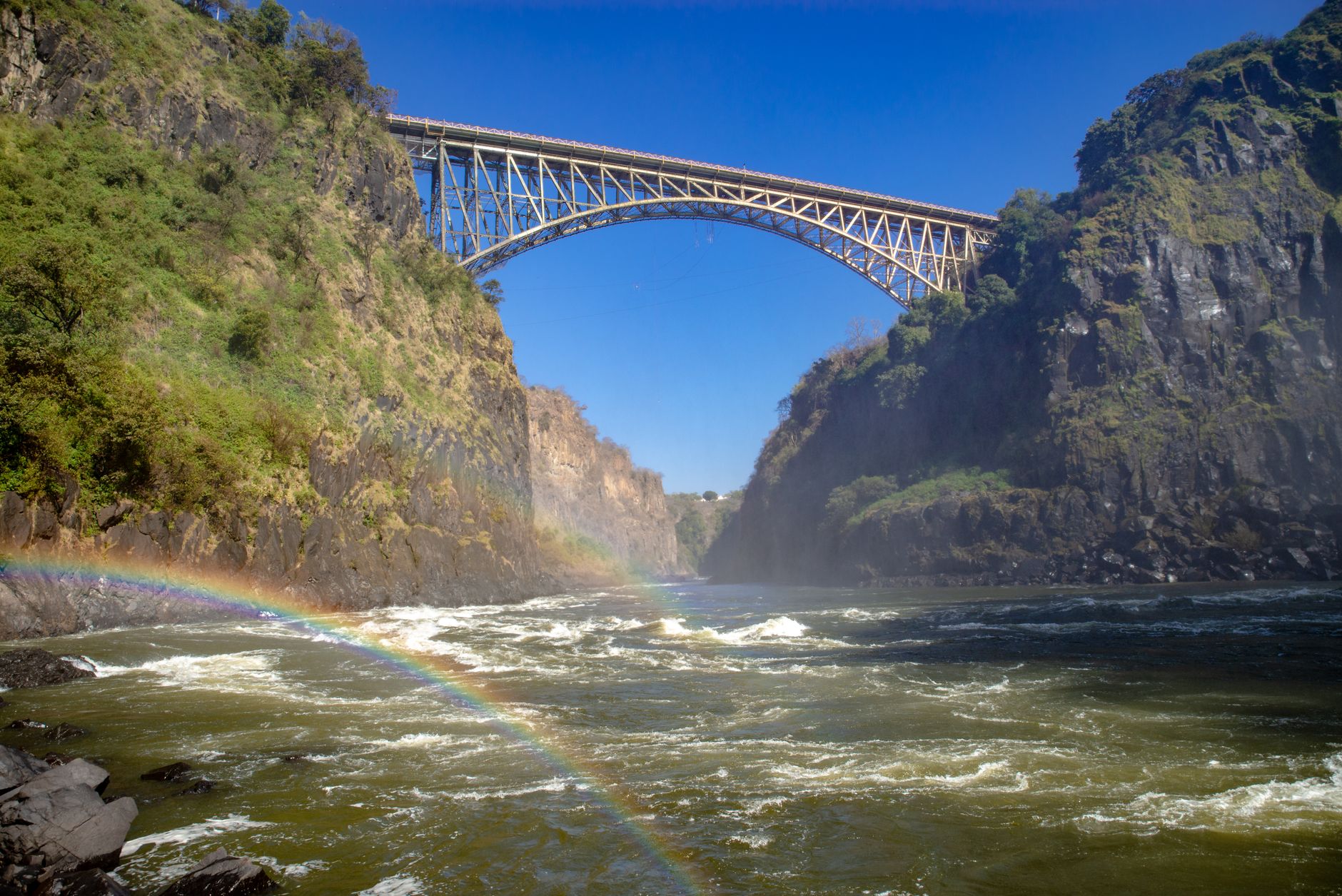

Zimbabwe’s Mana Pools has long collected the glory, the magazine covers, the conservation awards. But directly across the Zambezi River, Zambia’s Lower Zambezi National Park has been quietly doing the same thing – sometimes better – for the travelers willing to look past the obvious choice.
A Park That Works Harder Than Its Reputation
The Lower Zambezi sits on the northern bank of the Zambezi River, facing Mana Pools across a stretch of water that hippos treat as a personal highway. The park covers roughly 4,092 square kilometers of floodplain, escarpment, and riverine forest so dense in places that elephants disappear into it completely. Unlike Mana Pools, which built its identity on walking safaris and the photogenic open woodland of its famous pools, Lower Zambezi built its reputation more slowly, on the back of a different kind of intimacy: canoe safaris, fishing camps, and a quieter circuit that never fully broke into mainstream safari conversation.
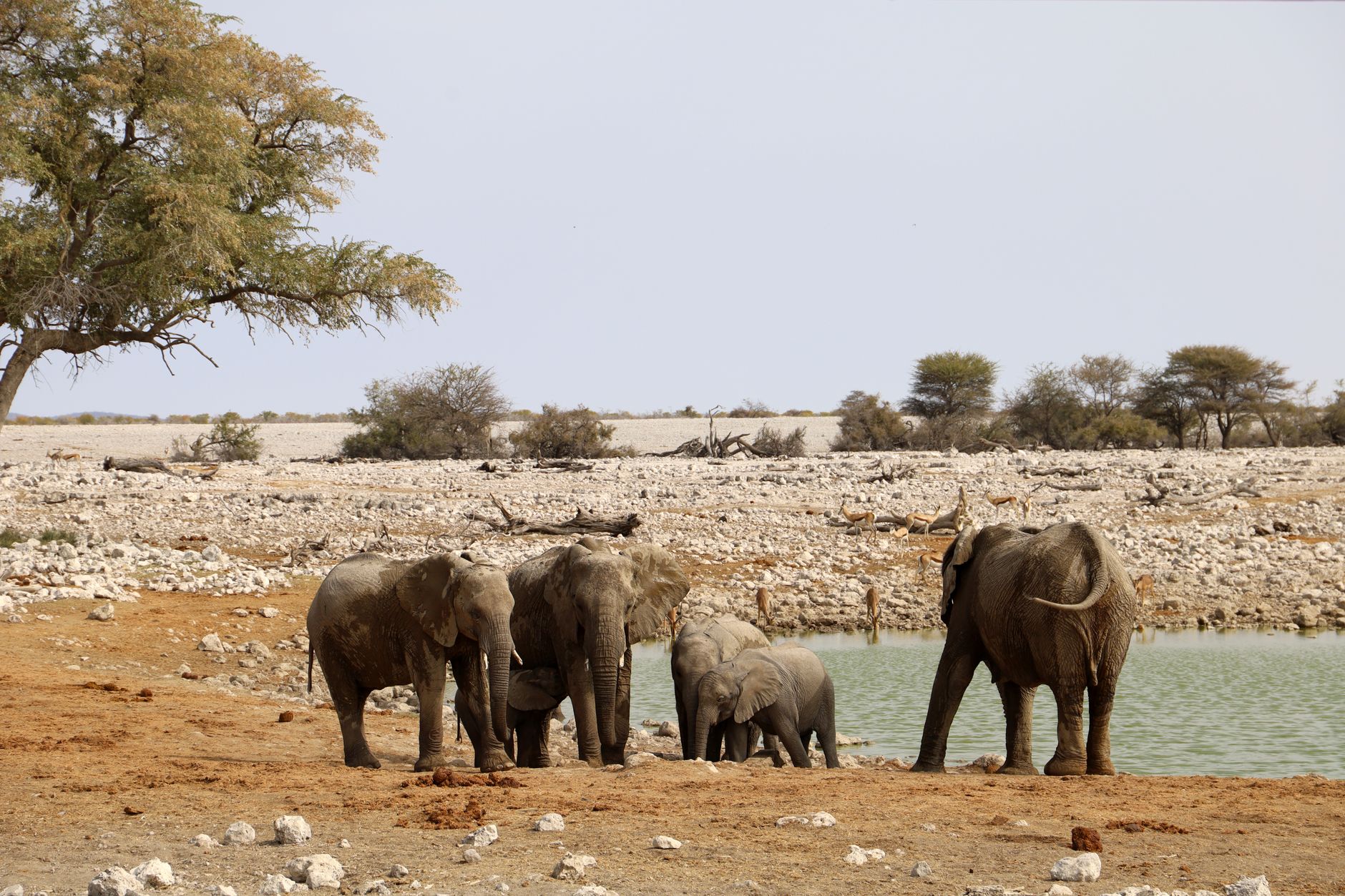
The elephant population here is substantial and, crucially, largely relaxed around vehicles and boats. These animals have spent generations moving between the river and the escarpment with minimal hunting pressure inside park boundaries, and it shows. Breeding herds wade across shallow channels in the dry season with the calm authority of animals that have never had serious reason to fear. Bulls of considerable size patrol the riverbank at dawn, arriving at the water’s edge with the kind of unhurried certainty that makes good wildlife photography almost accidental.
What Lower Zambezi offers that even Mana Pools struggles to match is multi-dimensional game viewing. On the river, from a canoe or a motorboat moving quietly along the bank, you get a perspective that a land vehicle simply cannot replicate. An elephant drinking from two meters away, seen from water level, is a genuinely different encounter – scale, proximity, and the reflective surface of the river all working together. The dry season, running from roughly May through October, concentrates game along the water with extraordinary density. Buffalo herds of several hundred animals, lion prides following them, leopards high in the sausage trees above camp – and throughout all of it, elephants constantly in frame.
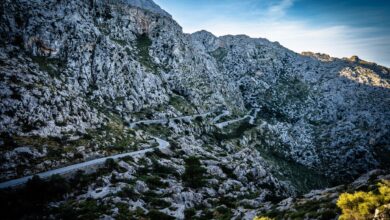
The escarpment that forms the park’s northern boundary adds a geological drama that the flat woodland of Mana Pools lacks. Steep ridges drop sharply toward the valley floor, creating dramatic backdrops for dawn game drives and giving the landscape a layered quality – heat haze rising off the floodplain against a wall of dark rock behind it. Camps positioned at the base of the escarpment catch both the valley light and the cool air that slides down from the ridge after sunset, which matters considerably in October when valley temperatures push well above 40 degrees Celsius.
What Safari Operations Here Actually Look Like
The Lower Zambezi has a relatively small number of camps compared to more trafficked safari destinations, and that scarcity is deliberate. Zambia’s national parks authority has maintained strict limits on camp concessions, which keeps vehicle numbers on any given road genuinely low. On a morning game drive in peak season, it is entirely possible to follow a pride of lions for an hour without another vehicle appearing. That kind of solitude is increasingly rare across southern Africa’s most popular circuits and is the single strongest argument for choosing Lower Zambezi over more celebrated alternatives.
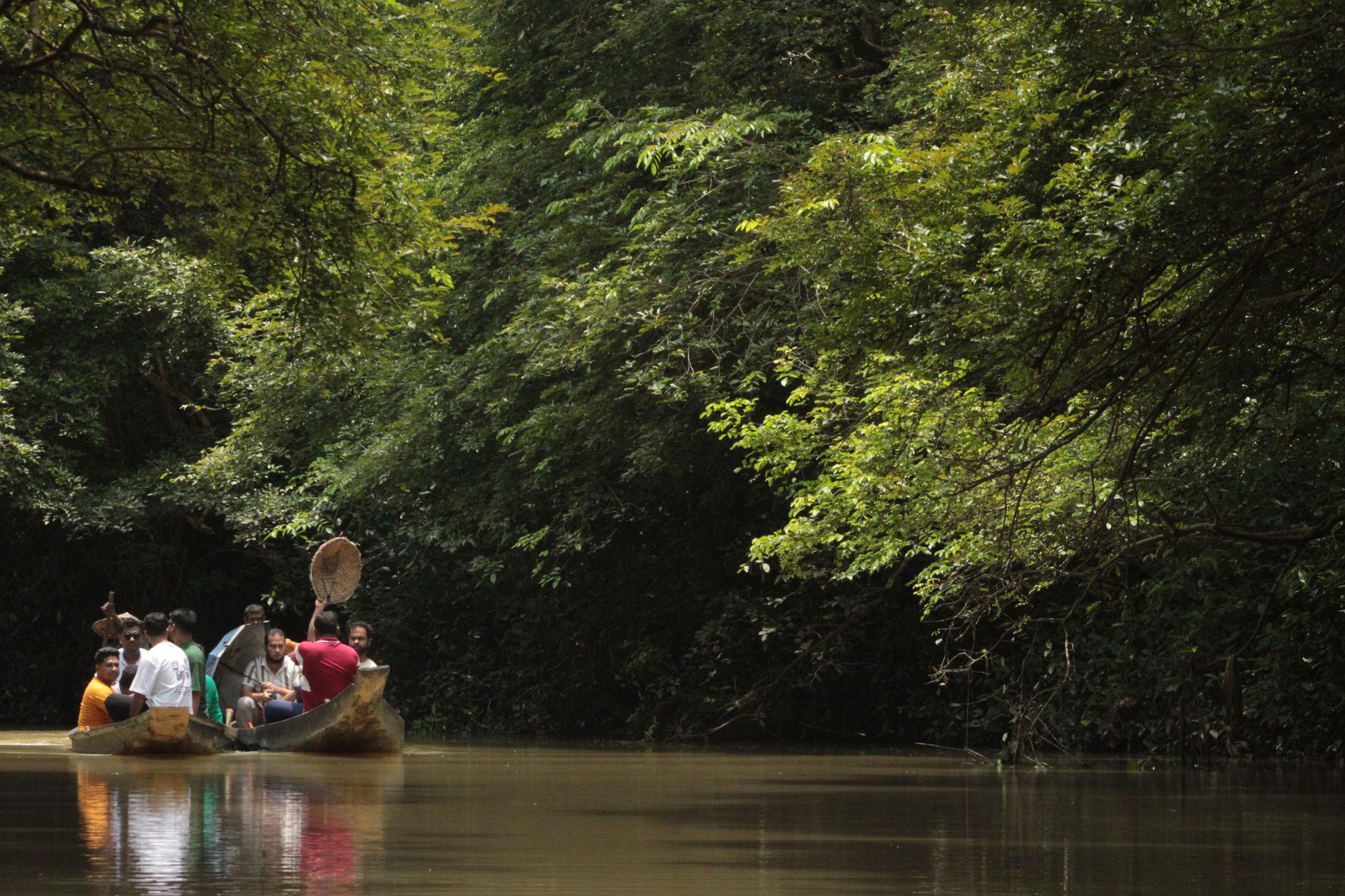
Canoe safaris are the park’s signature experience and the activity that most distinguishes it. The standard format runs two to four days, camping on sandbanks at night, paddling upstream or drifting downstream depending on itinerary and operator. The Zambezi’s current is manageable by novice paddlers in the dry season when water levels drop, and guides handle navigation, camp setup, and every animal encounter with the kind of quiet authority that only comes from working the same stretch of river for years. Hippos require respect and route planning, but they are a constant presence rather than a hazard – the guides know individual animals by behavior and read the river accordingly.
Fishing at Lower Zambezi carries its own dedicated following. The tiger fish population in this stretch of river draws anglers from across the continent and beyond, and several camps operate primarily as fishing lodges that also offer game viewing as a secondary draw. For travelers who want both experiences without choosing between them, the combination works well – mornings on the water for fish, afternoons following game, evenings watching elephant silhouettes move along the far bank as the light goes orange. It is a particular kind of pace that feels less structured than the classic land safari circuit.
Accommodation ranges from genuinely simple tented camps on private concessions to a handful of lodges that make no compromises on comfort despite their remote locations. Solar power, quality food, and well-maintained boats are standard at the upper end of the market. Importantly, the concession system means that camps have exclusive game-viewing areas, so the experience at any decent lodge includes territory that no other operation can access. This matters when you are tracking the same elephant bull across three consecutive morning drives without competition from other vehicles.
Getting to Lower Zambezi involves flying into Lusaka and then taking a light aircraft charter to one of several airstrips inside or near the park – Jeki or Royal airstrips being the most common entry points. The charter flight itself, low over the escarpment and then dropping into the valley, gives the first indication of just how remote and intact the landscape actually is. Road access exists but is genuinely challenging and adds significant hours to any journey from the capital, so most lodges include the charter in their packages and price accordingly.
The Comparison That Keeps Coming Up
Mana Pools earned its UNESCO World Heritage status and its reputation honestly. The walking safari tradition there, guided by operators who have spent decades building relationships with habituated animals, remains extraordinary. For travelers who have already done Mana Pools – explored its canoe circuits and followed its famous lions on foot – Lower Zambezi offers the logical next chapter rather than a repeat. The river is the same river, the elephants cross between the two parks freely, and the conservation logic of the two areas is deeply linked. But the camps are fewer, the concessions more exclusive, and the canoe experience more fully developed as a primary product rather than an add-on.
The real question is whether Lower Zambezi’s relative obscurity survives contact with the traveler appetite that has already pushed up prices and visitor numbers across Zimbabwe’s best-known parks. Zambia’s tourism infrastructure is growing, the lodges are getting sharper, and the international press is beginning to notice. A park that currently feels like a discovery may not feel that way for long – and the elephants wandering its floodplains have no particular opinion on the matter either way.