
Where the Zambezi Does the Work
Hwange National Park gets the name recognition. It gets the press, the tour operators, the polished brochures, and the reliable elephant sightings that fill Instagram grids every dry season. But roughly 350 kilometers to the northeast, Mana Pools National Park is running a different kind of safari altogether – one where the river is the road and a canoe is your only sensible vehicle. For a specific type of traveler, the kind who measures a trip by silence and proximity rather than comfort and convenience, Mana Pools has been quietly outperforming its more famous counterpart for years.
The park sits along a stretch of the Zambezi River where Zimbabwe meets Zambia, and UNESCO recognized it as a World Heritage Site in 1984. What sets it apart from Hwange is structural: Mana Pools is one of the few parks in Africa where visitors are permitted to walk unguided and paddle independently through genuinely wild terrain. That policy alone filters out a certain kind of tourist and draws in another. The result is a destination that stays uncrowded not because it lacks spectacle, but because reaching its best moments requires actual effort.
The Canoe as Safari Vehicle
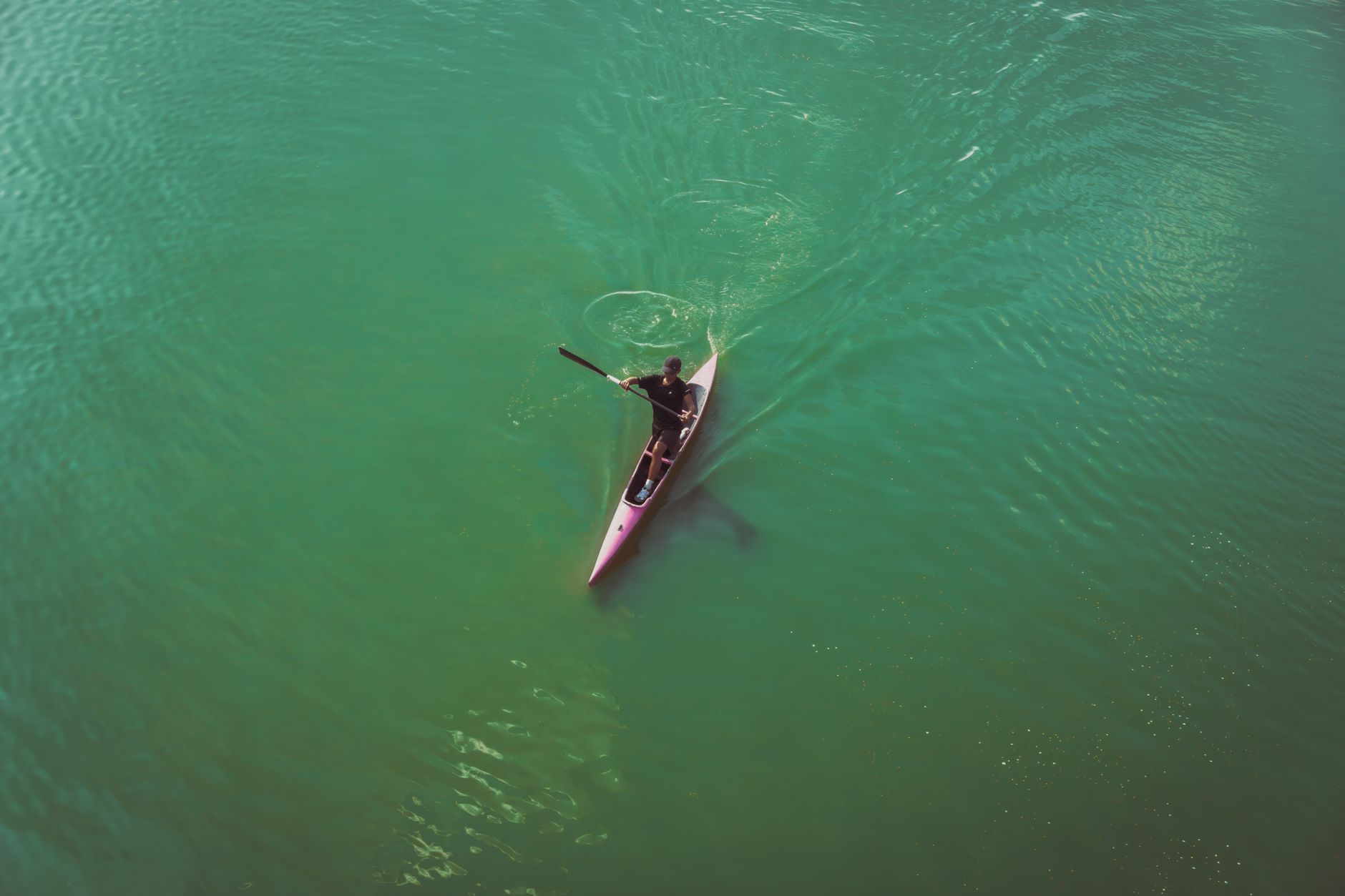
Paddling the Zambezi through Mana Pools is not a gentle float. The river runs wide and slow in certain channels, but hippo pods surface without warning, crocodiles line the sandbanks in the afternoon heat, and the current shifts unpredictably around the floodplain islands that give the park its name – “mana” means four in the local Shona language, referring to the four large pools left behind when the Zambezi changed course centuries ago. Guided canoe safaris typically run between two and seven days, camping on sandy banks each night, with mornings spent watching elephants wade across shallow crossings and evenings lit by nothing but fire and stars.
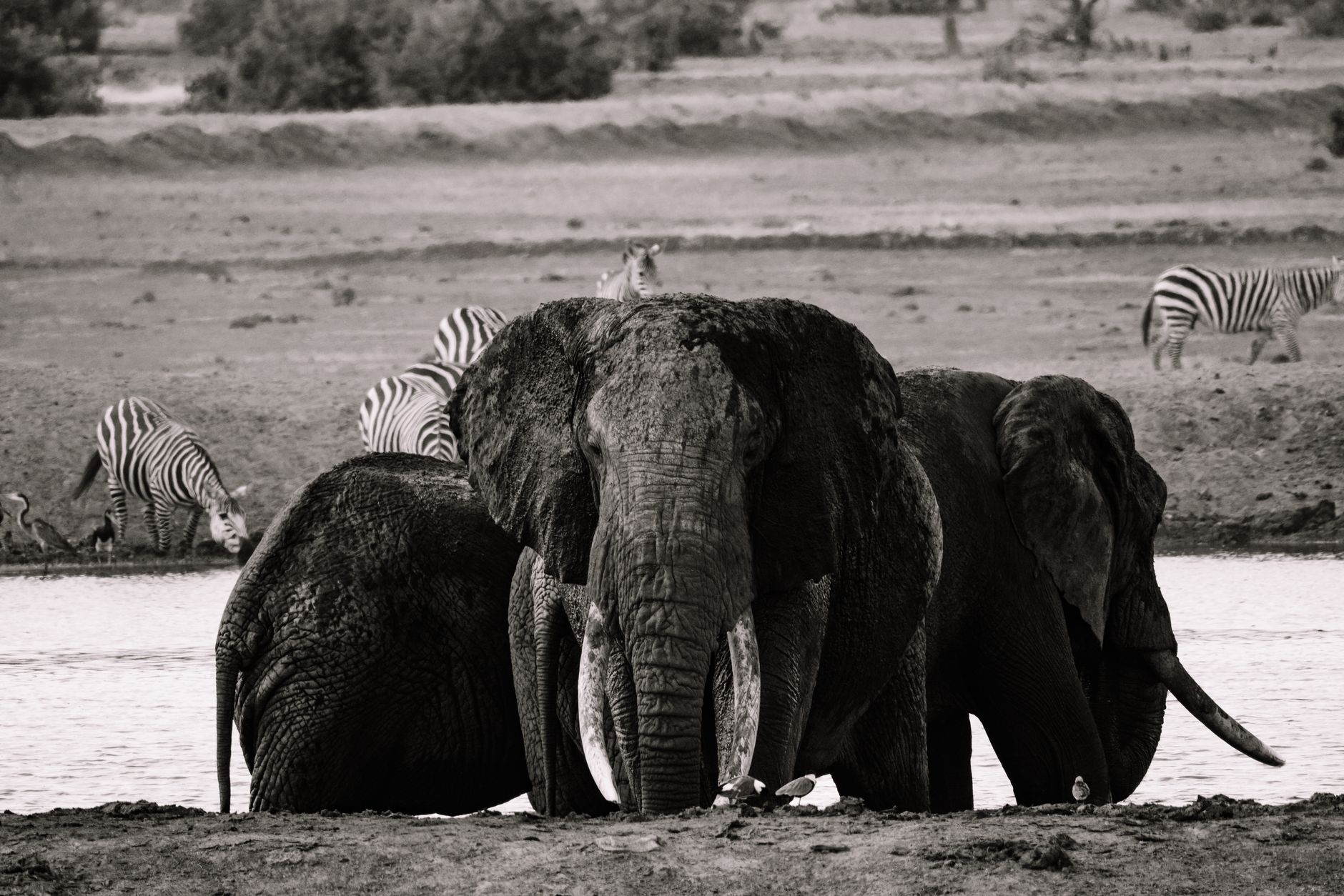
What the canoe does that a 4×4 cannot is remove the mechanical barrier between you and the ecosystem. Animals in Mana Pools largely ignore canoes because a low, quiet shape on the water reads as non-threatening. Operators report guests drifting within a few meters of drinking herds without any disturbance. That kind of access is extraordinarily rare in southern Africa and almost impossible to replicate on a standard game drive, no matter how skilled the guide or how well-positioned the vehicle.
Multi-day canoe expeditions here follow a loose format: wake before dawn, paddle during the cooler morning hours, set up camp or reach a designated site by midday, then walk or observe from camp through the afternoon. Nights on the riverbank require real attention – animals move through camp, and sleeping under a tarp with a lion calling across the floodplain is not a metaphor. The camps are unfenced. That detail matters to the kind of traveler Mana Pools self-selects for.
What Hwange Offers That Mana Pools Cannot
Hwange remains the more accessible destination by almost every practical measure. It has a wider network of lodges, more predictable wildlife concentrations around its artificial waterholes, and better infrastructure for families or first-time safari travelers who want comfort alongside wildlife. During the peak dry season from July through October, Hwange’s waterholes become some of the most productive game-viewing spots in Africa, with concentrations of elephants that genuinely have few rivals on the continent.
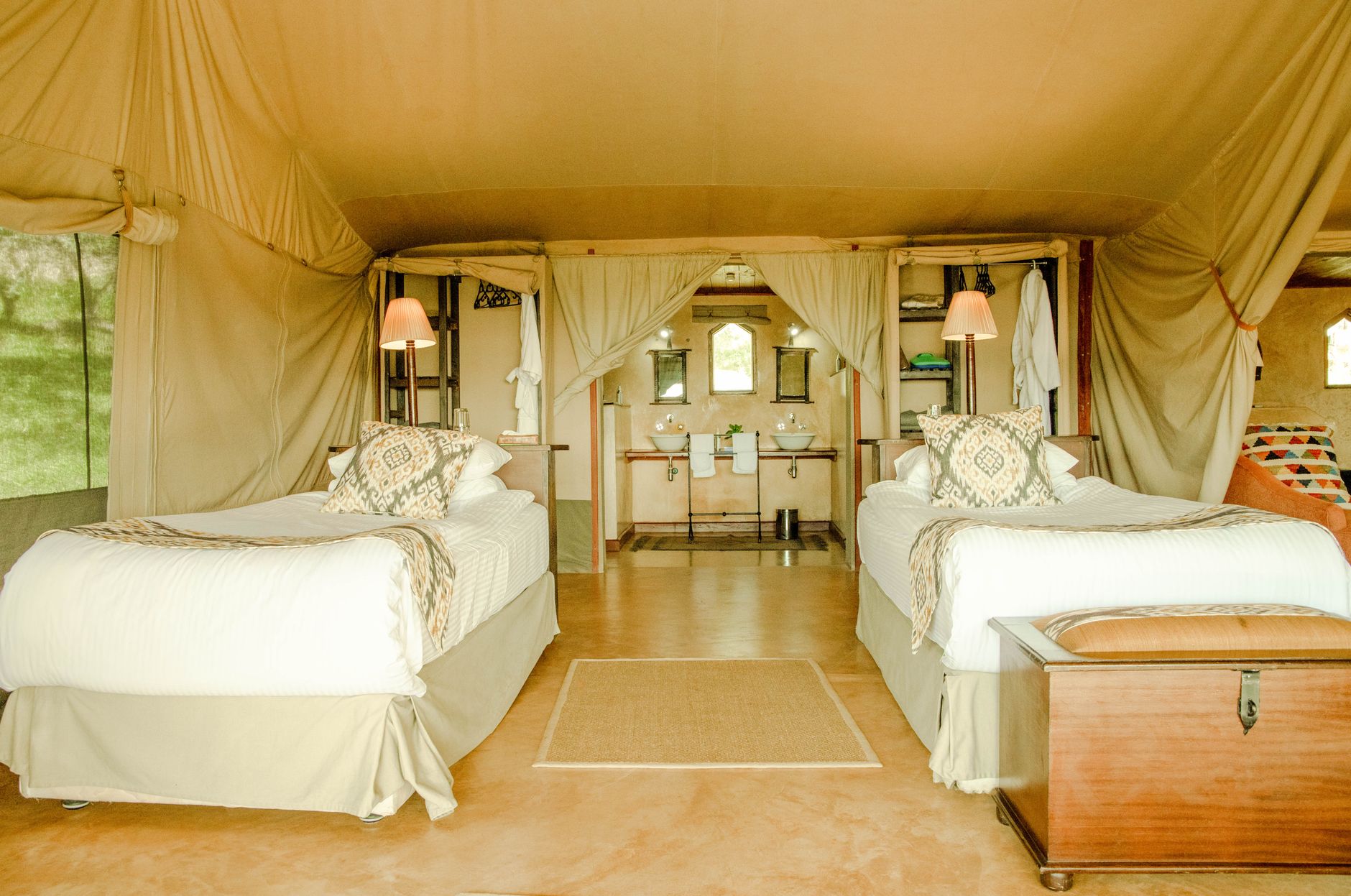
Mana Pools asks more of its visitors. The park’s road network is limited and often requires a high-clearance 4×4 to navigate after rains. Accommodation ranges from basic campsites to a small number of tented camps, and the luxury lodge scene is far thinner than what Hwange or the Zambezi National Park near Victoria Falls can offer. For travelers who need reliable electricity, consistent meal service, and air-conditioned transfer vehicles, Mana Pools will disappoint – and that is precisely what keeps it from being overrun.
The Wildlife Case for Mana Pools
The Zambezi floodplain ecosystem supports wildlife populations that behave differently from park animals elsewhere in Zimbabwe. Because Mana Pools sees relatively low visitor numbers and the terrain discourages casual tourism, the animals here have had less reason to adapt around human presence in the way heavily visited parks tend to produce. Predator sightings – particularly wild dogs, which use the open woodland and floodplain for denning – are genuinely frequent by southern African standards. The park holds one of the healthier wild dog populations on the continent, and spotting a pack on a morning walk is a realistic expectation rather than a stroke of luck.
Elephant behavior in Mana Pools has also developed a particular local character. Some bulls in the area have learned to stand on their hind legs to reach the pods of albida trees – a behavior so distinctive it has been documented by wildlife photographers for decades. These are not performing animals and not habituated in any controlled sense; they are simply animals that have found a food source and adapted their method. Watching that happen from a canoe twenty meters away, with no engine running and no other vehicles competing for position, produces the kind of memory that a standard game drive simply cannot manufacture.
The birding in Mana Pools runs parallel to but distinct from what Hwange delivers. The riverine habitat along the Zambezi supports species that dry inland parks cannot hold: African skimmers nesting on sandbars, fish eagles calling across the water at first light, and the almost absurdly photogenic carmine bee-eater colonies that nest in eroded riverbanks during the October-November period. Serious birders treat a Mana Pools trip as a fundamentally different list from a Hwange trip, not an overlapping one.
The best canoe window runs from April through November, with the peak game-viewing period falling between June and October when receding waters concentrate animals near the river. April and May offer a different reward – lush vegetation, fewer visitors, and the park at its most visually dramatic, even if wildlife is more dispersed. The trade-off is real, but for travelers with flexible timing, the shoulder season makes an already uncrowded park feel almost entirely private. At that point, the question of whether Mana Pools rivals Hwange stops being interesting – they are not really competing for the same traveler at all.