
Where the Zambezi Does the Talking
Victoria Falls gets the postcards, the package tours, and the Instagram reels. But roughly 200 kilometers upstream, Mana Pools National Park is running a very different kind of Zimbabwe experience – one measured in paddle strokes, riverbank silences, and the particular sound an elephant makes when it wades into the Zambezi at dusk. The crowds that funnel through Livingstone and Vic Falls rarely make it this far north, which is precisely why the people who do make it tend to come back.
Mana Pools is a UNESCO World Heritage Site sitting on the southern bank of the Zambezi in Zimbabwe’s Hurungwe District. The name comes from the four permanent pools left behind when the river shifted course centuries ago – shallow, life-sustaining basins that draw wildlife in extraordinary concentrations during the dry season, roughly May through October. Canoeing the Zambezi through this stretch is considered by many serious safari travelers to be among the best multi-day paddling experiences on the African continent. The fact that it remains relatively obscure outside dedicated safari circles is, depending on your perspective, either an oversight or a gift.
The Canoe Route Itself
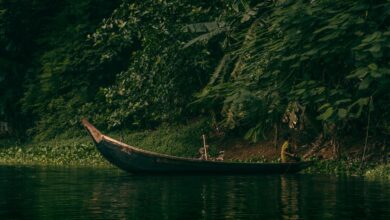
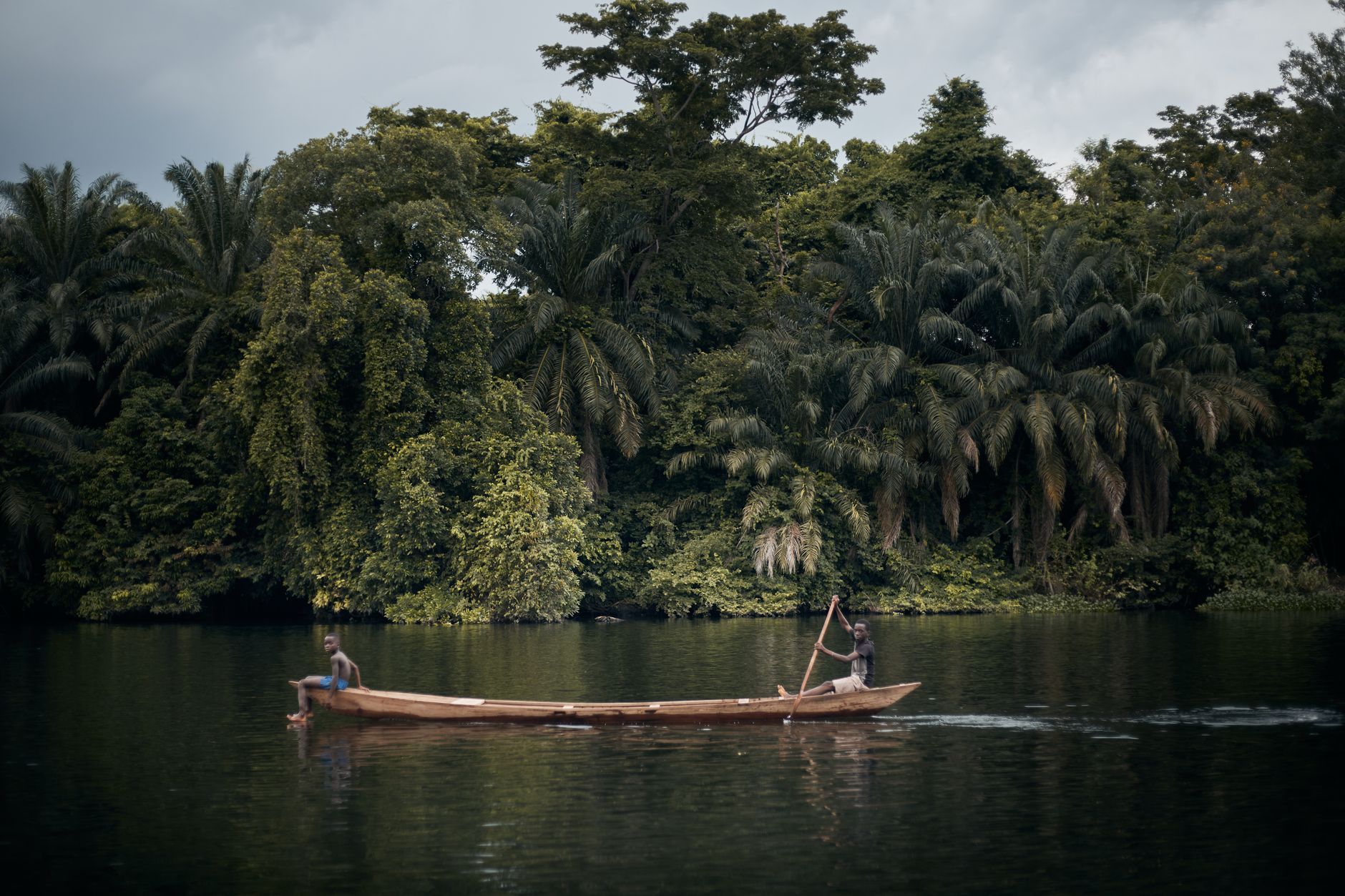
Most guided canoe trips on the Mana Pools stretch run between three and seven days, launching near Kariba and working downstream toward Mana Pools proper, or starting within the park and paddling sections of the middle Zambezi. The river here is wide, often braided into channels around sandbars and small wooded islands. Water levels drop during the dry season, exposing those sandbars entirely – they become campsites. You sleep on the sand, with a fire between you and the river, listening to hippos grumble in the dark.
The wildlife encounter here is fundamentally different from a jeep safari. On the water, you move quietly and at animal-eye level. Crocodiles become a permanent part of the mental landscape – not in a panic-inducing way, but in the way that sharpens your attention to the surface of the water and the shape of every submerged log. Guides operate small two-person Canadian canoes with clients in front and guide behind, reading the currents and the banks simultaneously. The paddling itself is not technically demanding; what demands your focus is staying present.
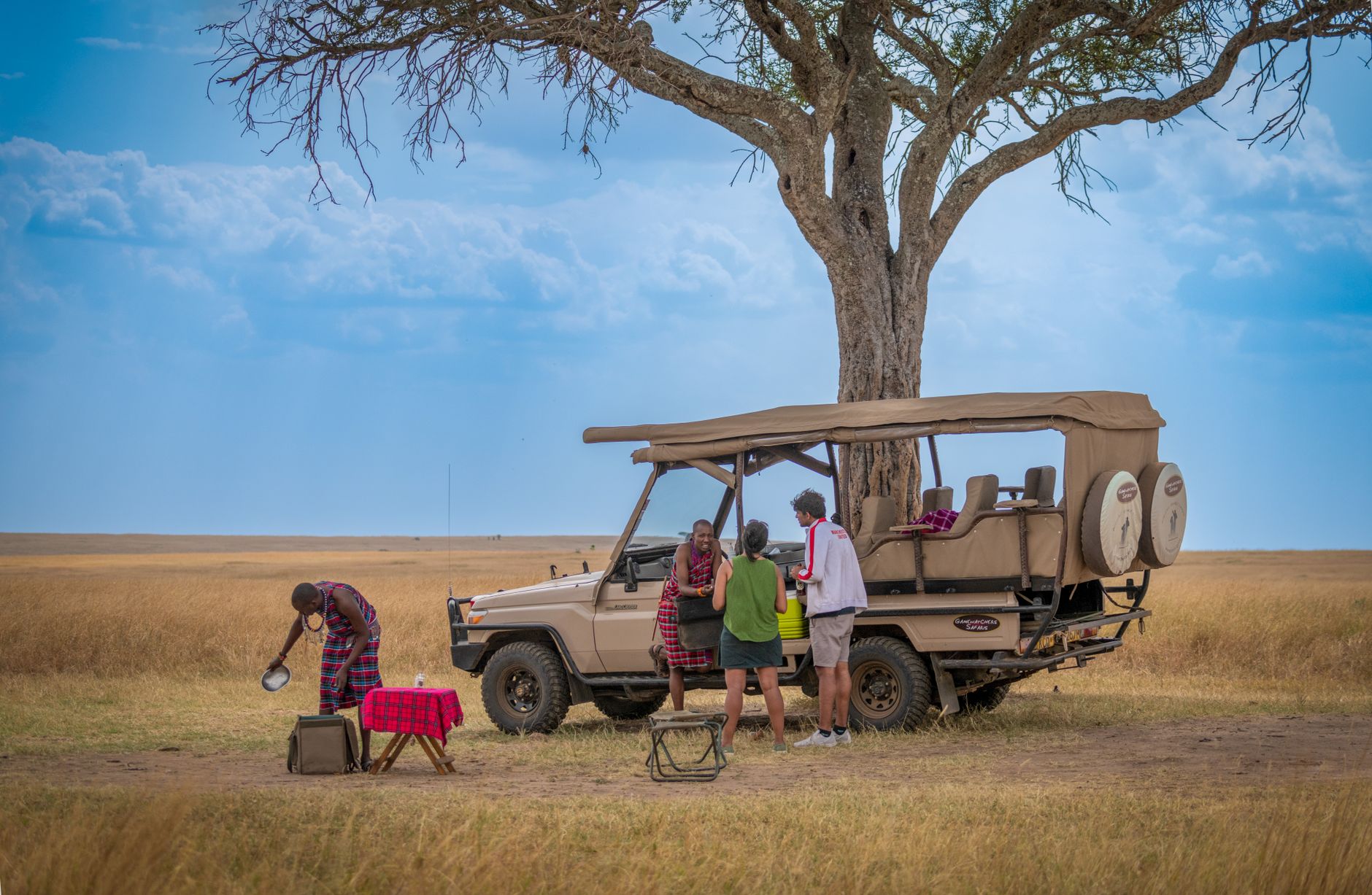
Camp setups range from fully supported expeditions, where a support vehicle or motorized tender brings tents and food ahead, to more stripped-down versions where everything travels in the canoes. Either way, the meals tend to involve a fire, a camp table, and a view of the Zambezi catching the last light. The operational season is tight – most operators run canoe expeditions only during dry season, when the river is calmer and wildlife has concentrated around permanent water sources, making sightings more frequent and more dramatic.
Why Mana Pools Is Not Victoria Falls
Victoria Falls is a spectacle, and spectacles attract infrastructure. The town of Victoria Falls on the Zimbabwe side has grown into a full tourist corridor, with airport connections from Johannesburg and Nairobi, a range of lodges from budget to ultra-luxury, and a menu of adrenaline activities – bungee jumping, white-water rafting on the Batoka Gorge, helicopter flips over the falls – that bring a particular kind of traveler. That traveler is not wrong. The falls are genuinely staggering, one of the largest curtains of falling water on earth, and the gorge below creates world-class white water.
But the energy at Victoria Falls is outward and loud. Mana Pools asks for something quieter. Access requires either a long drive from Harare or a small charter flight to a bush airstrip near Mana Pools camp. There are no casinos, no high-street restaurants, no vendors outside every gate. The lodges operating within and around the park are few and intentionally low-impact – tented camps that leave the landscape largely untouched. That deliberate scarcity is what keeps the wildlife experience intact. A place that is harder to reach tends to be better when you get there.
The Wildlife Calculus
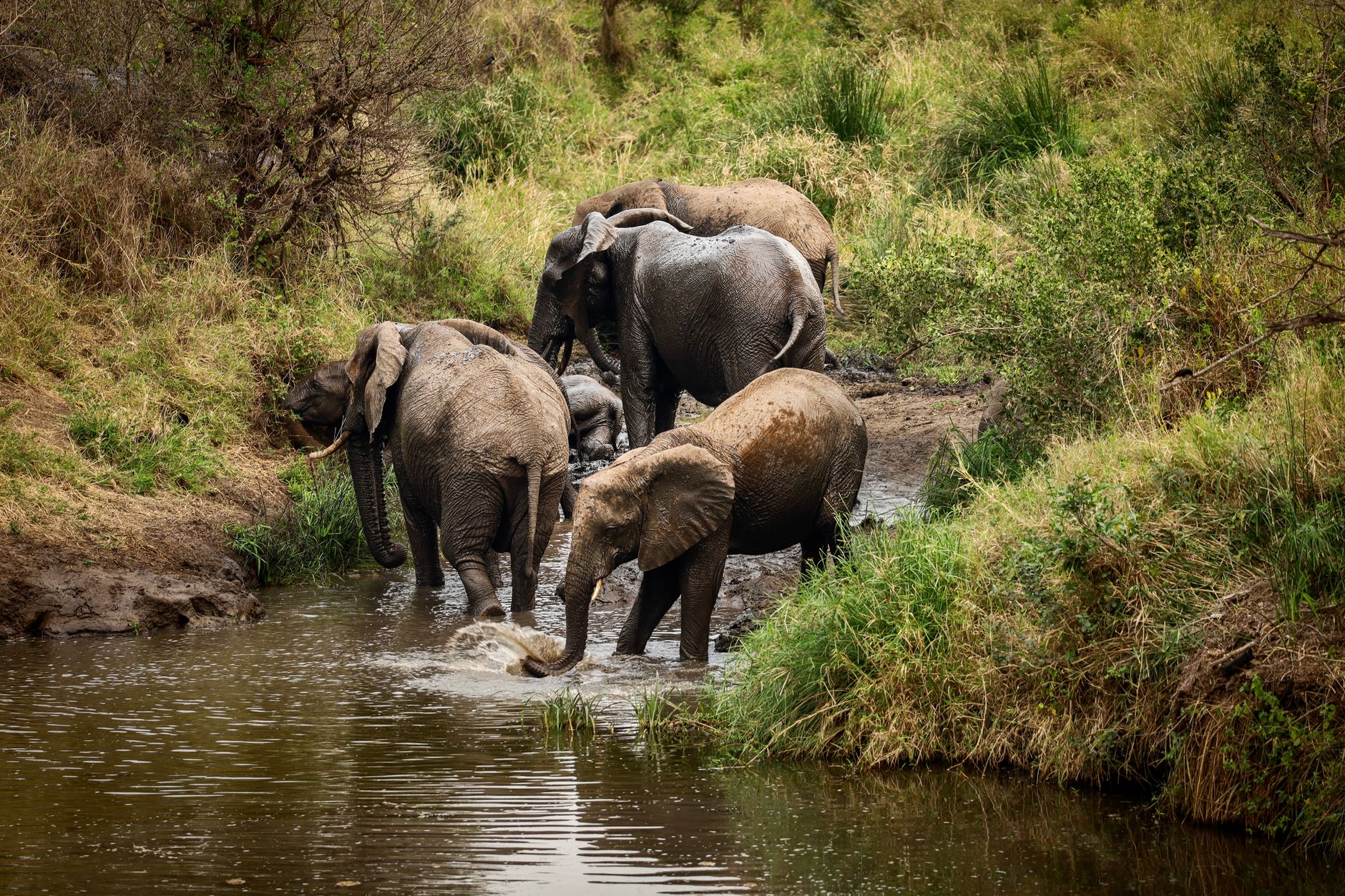
Mana Pools is famous for its elephants. The population here has developed an unusual behavior – bulls standing on their hind legs to reach the pods of albida trees, also called apple-ring acacias, that line the floodplain. It is the kind of animal behavior that takes years of observation to normalize, and it never really does. Elephants at Mana are also accustomed to people on foot, which means walking safaris are genuinely possible here in ways they are not in many other parks. On a canoe trip, you may find yourself beaching on a sandbar and watching a breeding herd cross the river fifty meters away.
The predator presence is serious. Lion and leopard are resident, wild dog packs move through the area seasonally, and spotted hyena work the floodplain at night. On the canoe route, you are inside this ecosystem, not observing it from behind glass or from a vehicle that implies human authority over the landscape. That requires a different posture – one that most travelers who seek out Mana Pools have already decided they want. The guides who operate here are among the most experienced in southern Africa, typically holding the highest level of professional guide qualification that Zimbabwe’s field guide licensing system issues.
The birding alone would justify the trip for a certain kind of traveler. The Zambezi floodplain during the dry season hosts carmine bee-eaters in breeding colonies along eroded riverbanks – thousands of them, arriving in August and September, turning sections of cliff face into vivid orange-red spectacle. African skimmers work the sandbars. Fish eagles call constantly. The density of species along this river corridor is high enough that dedicated birding groups run canoe expeditions specifically timed around the bee-eater season.
What makes the canoe experience distinct from a lodge-based Mana Pools visit is the unstructured time on the water between sightings. Hours pass. The Zambian escarpment rises on the far bank. The river bends. You paddle into a section where the channel narrows around a wooded island and have no idea what is on the other side – which is, in some fundamental way, the entire point. Victoria Falls will always have the infrastructure and the spectacle. Mana Pools has the hours that do not feel like tourism at all, and for the traveler who has already seen the falls and found the experience slightly too managed, that distinction matters considerably more than any brochure makes it sound.