
The Adriatic’s Open Secret
Croatia’s Dalmatian coast has spent two decades collecting praise, charter bookings, and glossy magazine covers. The anchorages around Hvar and the Kornati islands are genuinely beautiful – and genuinely crowded, with peak-season berths that book out months in advance and marina fees that rival southern France. Meanwhile, roughly 400 kilometers to the south, Albania’s Ionian coastline has been quietly accumulating exactly the kind of conditions that made Croatia attractive before the world discovered it.
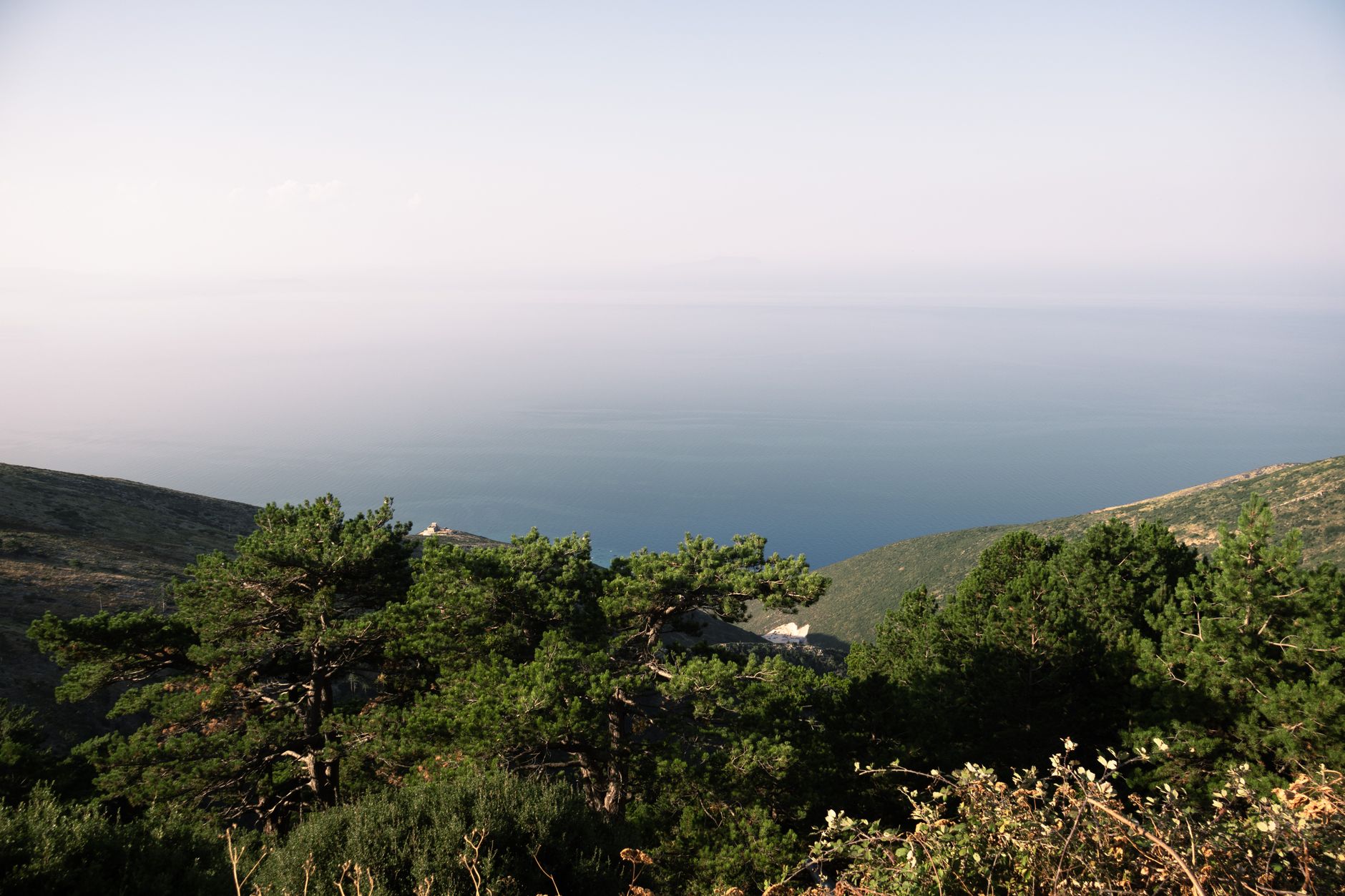
The Albanian Riviera runs from Vlore in the north to Saranda near the Greek border, a stretch of coast backed by the Ceraunian Mountains that drops sharply into water so clear the bottom is visible at ten meters. For sailors doing the math on cost, crowd density, and sheer visual drama, the comparison with Croatia is becoming harder to ignore. Charter companies that previously treated Albania as a transit corridor are now building dedicated itineraries around it.
What the Coast Actually Looks Like
The physical geography here does a lot of the work. The mountains behind the coast – some peaks exceed 2,000 meters – create a backdrop that most Mediterranean sailing routes simply don’t offer. Villages like Dhermi, Himara, and Borsh sit on hillsides above small pebble coves, and the road infrastructure is still sparse enough that many of these beaches remain accessible mainly by water. That’s a meaningful detail for sailors: arriving by boat is not a romantic alternative but often the most practical approach.
The water quality along this stretch benefits from relatively low industrial activity and a coastline that has not yet absorbed the hotel construction pressure that reshaped parts of the Croatian coast in the 1990s and 2000s. Visibility in the bay off Gjipe or the cove at Porto Palermo runs deep, and the color shifts from turquoise in the shallows to an almost violent cobalt at depth. Snorkeling gear earns its place in the charter bag here more than almost anywhere else on the Adriatic-Ionian circuit.
Porto Palermo deserves its own mention. The Ottoman-era castle on the small peninsula there – Ali Pasha’s fortress – sits right at the waterline, and anchoring within view of it while the light drops is the kind of scene that photographs badly because it looks implausible. Albania’s communist-era bunkers, visible as small concrete domes on hillsides throughout the coast, add an unusual historical layer to the scenery. They’re a reminder that this coastline was effectively sealed from outside visitors until the early 1990s, which partly explains why it looks the way it does now.
The wind patterns favor sailors willing to work with local conditions. The afternoon breeze that builds down the channel between the Albanian coast and Corfu – the Greek island sits just offshore – provides reliable sailing conditions for the kind of day passage that defines a satisfying charter week. Morning crossings to Saranda, which sits directly opposite Corfu Town, take around an hour under sail in reasonable conditions.
The Cost Differential Is Significant
Comparing charter costs directly is complicated because the Albanian market is still developing its pricing infrastructure. What’s clear is that marina fees, provisioning costs, and onshore expenses run substantially below equivalent stops in Croatia or Greece. Fuel is cheaper. A meal at a seafront restaurant in Saranda or Himara costs a fraction of what the same meal – grilled fish, local wine, mezze – would run in Dubrovnik or Split’s old town. For a group sharing a week-long charter, the cumulative difference across seven days can meaningfully offset the cost of the boat itself.
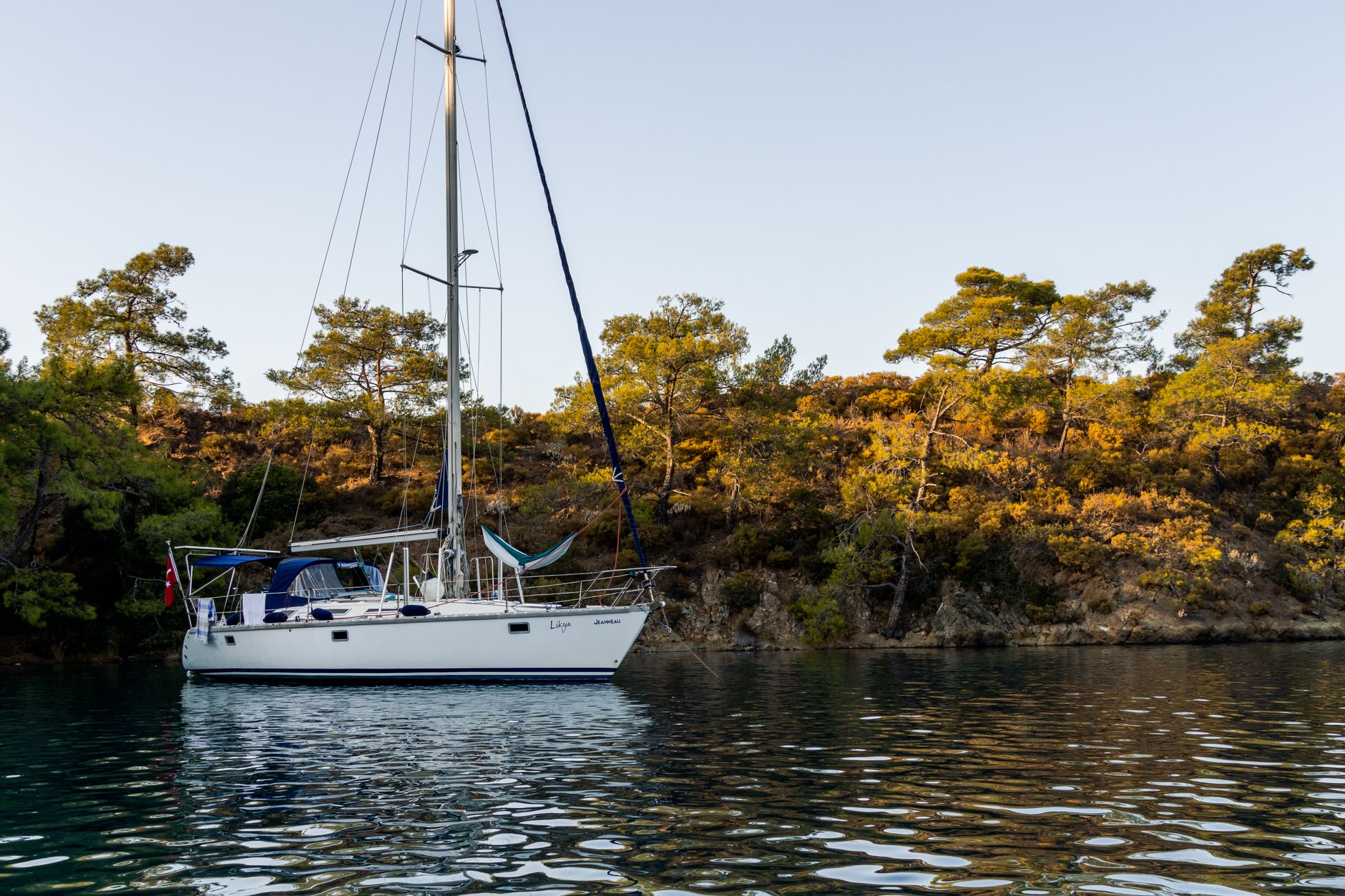
The marina situation is the one honest complication. Saranda has the most developed facilities on the Albanian Ionian coast, with berths for keelboats and reasonable provisioning options. Further north, the infrastructure thins quickly. Sailors used to the full-service marina networks of the Dalmatian islands need to adjust expectations and carry more supplies. Anchoring off small coves is entirely viable – the holding ground is generally good – but the assumption that a chandlery or diesel pump will appear when needed doesn’t hold on this coast the way it does in Croatia.
Saranda as a Base and the Corfu Connection
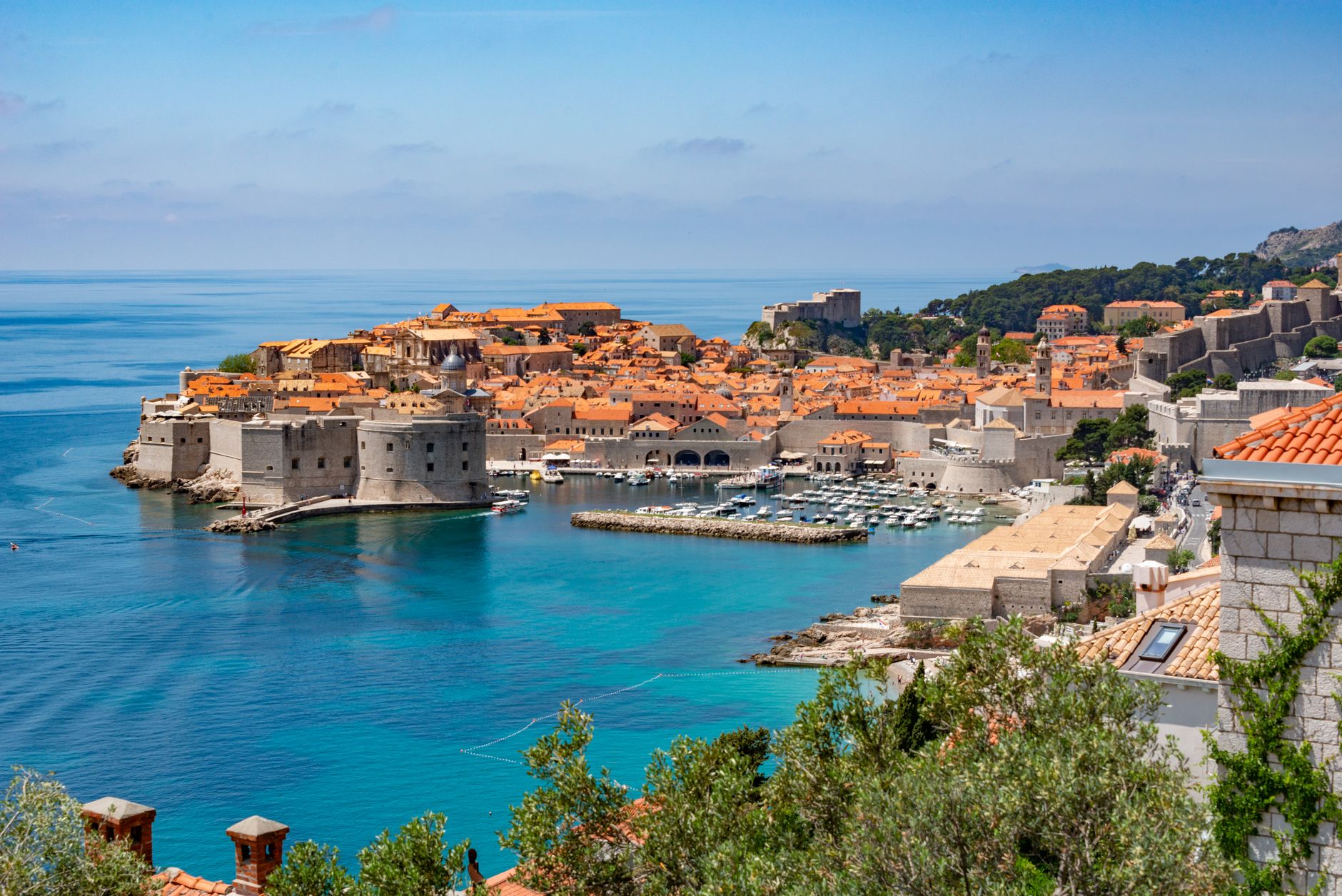
Saranda’s position makes it the logical hub for an Albanian Riviera itinerary. The ferry connection to Corfu runs multiple times daily, which means sailors can combine a Greek island experience with the Albanian coast on a single trip – checking into Croatia, effectively, without the Croatia prices. Corfu Town’s old town is a UNESCO World Heritage Site; Saranda’s waterfront is functional and lively without the souvenir infrastructure that can make Old Town Dubrovnik feel like a theme park version of itself.
The practical combination that a growing number of charter operators are building out: fly into Corfu, spend a night or two on the Greek side, cross to Saranda, work north along the Albanian coast to Vlore, then return south. The full circuit covers roughly 200 nautical miles at a relaxed pace – achievable in seven days without the frantic schedule that tight Croatia itineraries sometimes require. What it lacks in marina glamour it makes up in the ratio of anchorages-to-boats, which on a busy August week in Croatia has long since inverted.
The border crossing between Greece and Albania, both by sea and overland, has become genuinely straightforward for EU and most Western passport holders. Clearing into Albania by boat at Saranda typically takes under an hour with papers in order. That friction point, which deterred sailors throughout the 2000s and early 2010s, has largely dissolved – and word of that change has traveled slower than the change itself.
The Timing Question
Albania’s Riviera currently sits at the stage Croatia occupied roughly fifteen to twenty years ago: discovered by sailors and slow travelers, not yet fully mapped by mass tourism’s infrastructure. The hotel construction visible on hillsides above Dhermi and Jala suggests that window has a defined expiration. Concrete moves faster than reputation, and the coastline’s relative emptiness is a function of timing as much as geography.
The sailors arriving now are not roughing it – the coast is accessible, the anchorages are safe, and the food is genuinely good, built on the same Adriatic and Ionian traditions that make coastal eating in Croatia and Greece worthwhile. They are, however, arriving before the berth reservation systems, the cocktail bars at anchor points, and the charter flotilla traffic that eventually turns a discovery into a destination. Whether that counts as an advantage depends entirely on what you’re sailing toward – and how long you’re willing to wait before you go.