
The Adriatic’s New Darling
Croatia was the dream for years – Dubrovnik’s limestone walls, the island-hopping routes through the Dalmatian archipelago, the clear water of the Adriatic. Then the crowds arrived in numbers that turned those dreams into logistical headaches. Peak-season Dubrovnik now operates under daily visitor caps, ferry queues stretch for hours, and accommodation prices in Split rival those in Barcelona. Travelers who spent years loving Croatia have quietly started asking the same question: where do we go now?
Albania is the answer many of them are finding.
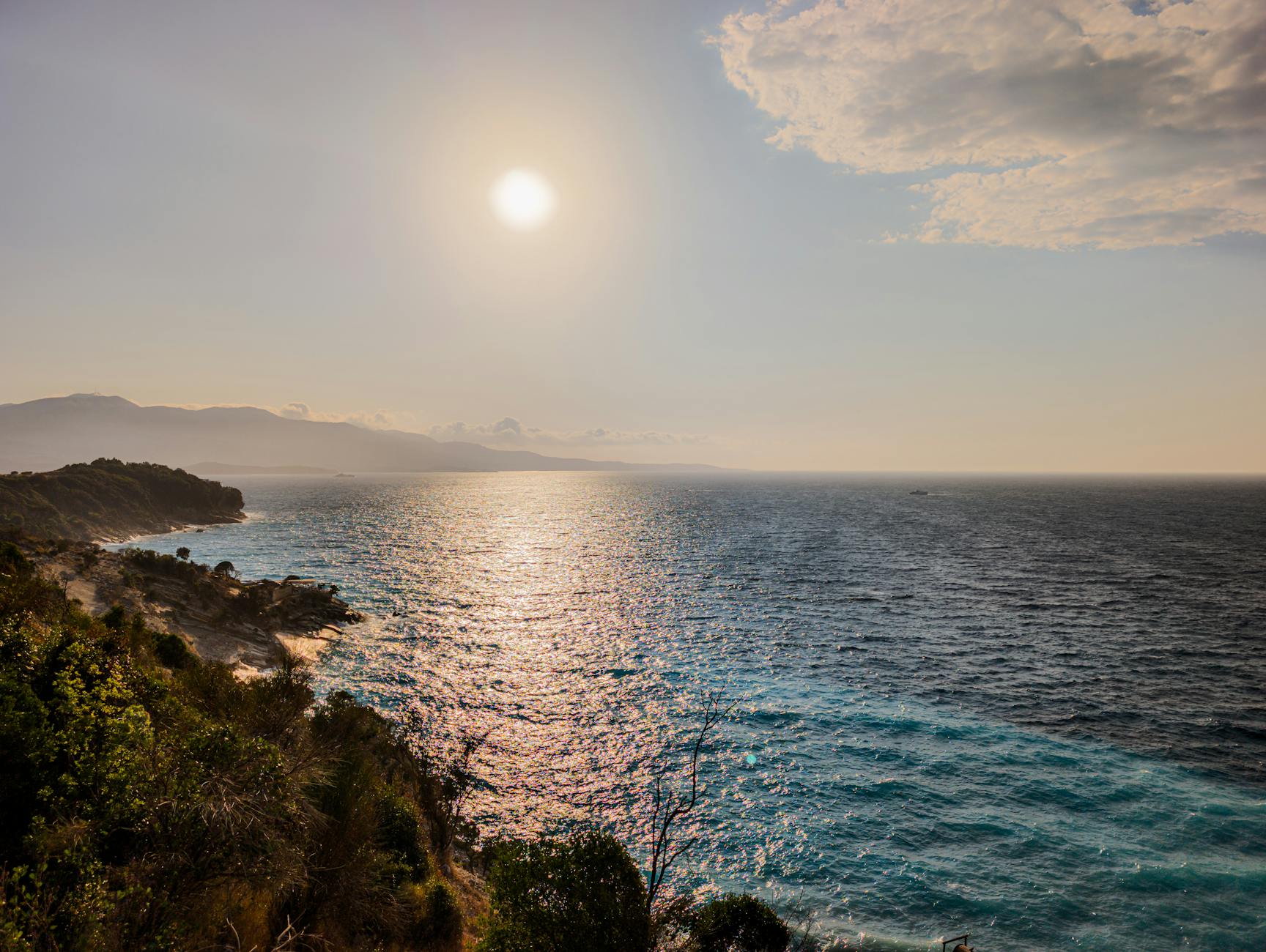
The Albanian Riviera – a stretch of coastline running from Vlore in the north down to Saranda near the Greek border – offers something that Croatia no longer reliably delivers: access. Access to uncrowded beaches, to affordable food and lodging, to a landscape that still feels like a discovery rather than a managed tourist product. The water is the same impossibly clear Ionian blue. The mountains drop into the sea in roughly the same dramatic fashion. But the infrastructure, the prices, and the crowds exist on an entirely different scale.
What the Riviera Actually Looks Like
The coastal road south of Vlore is a reasonable place to begin understanding Albania’s appeal. It winds through villages where local guesthouses advertise rooms for single-digit euro figures, past olive groves that predate modern tourism by centuries, and along cliffs where the sea below is accessible only by footpath. Towns like Dhermi, Himara, and Palasa sit at various points along this route, each with its own character – Dhermi leaning into a slow beach-bar scene, Himara holding onto its Greek-minority cultural roots, Palasa barely developed at all.
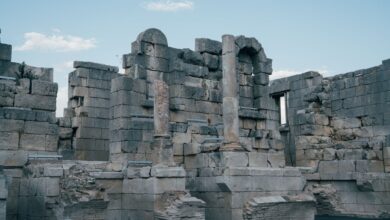
Saranda, at the southern end, functions as the region’s most developed hub and serves as the main crossing point for travelers arriving from Corfu, just 45 minutes away by ferry. It has the closest thing to a resort strip on the Albanian Riviera, with a beachfront promenade, seafood restaurants, and a growing number of hotels. Even so, comparing Saranda to Dubrovnik in high season is like comparing a Tuesday morning to a sold-out Saturday. The Butrint National Park sits just a short drive south of Saranda – a UNESCO World Heritage site built across layers of Greek, Roman, Byzantine, and Ottoman history, where you can walk through ruins with barely another visitor in sight.
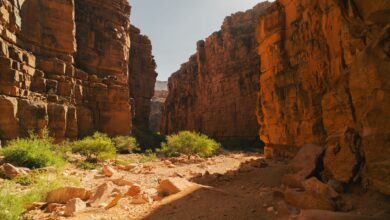
The beaches themselves are the central argument. Gjipe Beach requires a 30-minute hike down a canyon to reach, which keeps the numbers manageable and rewards those who make the effort with near-empty sand and a canyon wall backdrop. Mirror Beach near Himara reflects the sky so cleanly at certain times of day that photographs look manipulated. Livadhi sits below a hillside village and fills up in August but empties almost completely by mid-September. None of these names appear on the major travel aggregator sites with the same frequency as Croatia’s equivalents, which is precisely the point.
The Practical Reality of Traveling Here
Albania runs on the lek, not the euro, though euros are widely accepted in tourist areas. The exchange rate and general cost of living mean that a traveler’s daily budget stretches further here than almost anywhere else on the Mediterranean coast. A full seafood dinner with wine at a Himara restaurant will cost a fraction of what the same meal runs in Hvar or Korcula. Guesthouses operated by local families – still the dominant accommodation model outside Saranda – offer clean rooms, home-cooked breakfasts, and the kind of host familiarity that larger hotels by definition cannot replicate.
Getting around requires some flexibility. The coastal road is mostly paved but narrow in sections, and driving it in a rental car is the most practical way to access the smaller beaches and villages. Buses connect the major towns but run on schedules that reward patience over punctuality. Furgons – shared minivans that operate as informal transit between towns – fill the gaps but require local knowledge to navigate. None of this is a serious obstacle, but it does mean the Albanian Riviera self-selects for travelers comfortable with a degree of improvisation. That self-selection is part of what keeps the experience intact.
Visa requirements are straightforward for most Western passport holders – Albania allows entry without a visa for stays of up to 90 days. The country is not in the EU, which accounts for some of the price differential and also means it operates outside the Schengen zone’s tourist traffic patterns. Flights into Tirana’s Rinas Airport have increased in recent years as low-cost carriers added routes, but the airport remains manageable in a way that Dubrovnik’s during July simply is not. From Tirana, the Riviera is roughly a three-to-four hour drive south.
A Window That May Not Stay Open
Albania’s tourism infrastructure is actively expanding – new hotel projects are visible along the coast, international investment is arriving, and the government has made tourism growth an explicit economic priority. The same qualities that make the Albanian Riviera work right now – the empty beaches, the cheap guesthouses, the unhurried pace – are the qualities that development pressure tends to erode first, which means the window for experiencing it in its current form is real, and it is not permanent.