
Kosovo’s Rugova Valley has spent years collecting praise from trail runners and alpine trekkers chasing the Balkans’ wilder corners. But a few hours west, across the Albanian border, Valbona Valley is drawing the same crowd – and offering something Rugova currently cannot: near-total solitude.
The Valley That Rewards the Detour
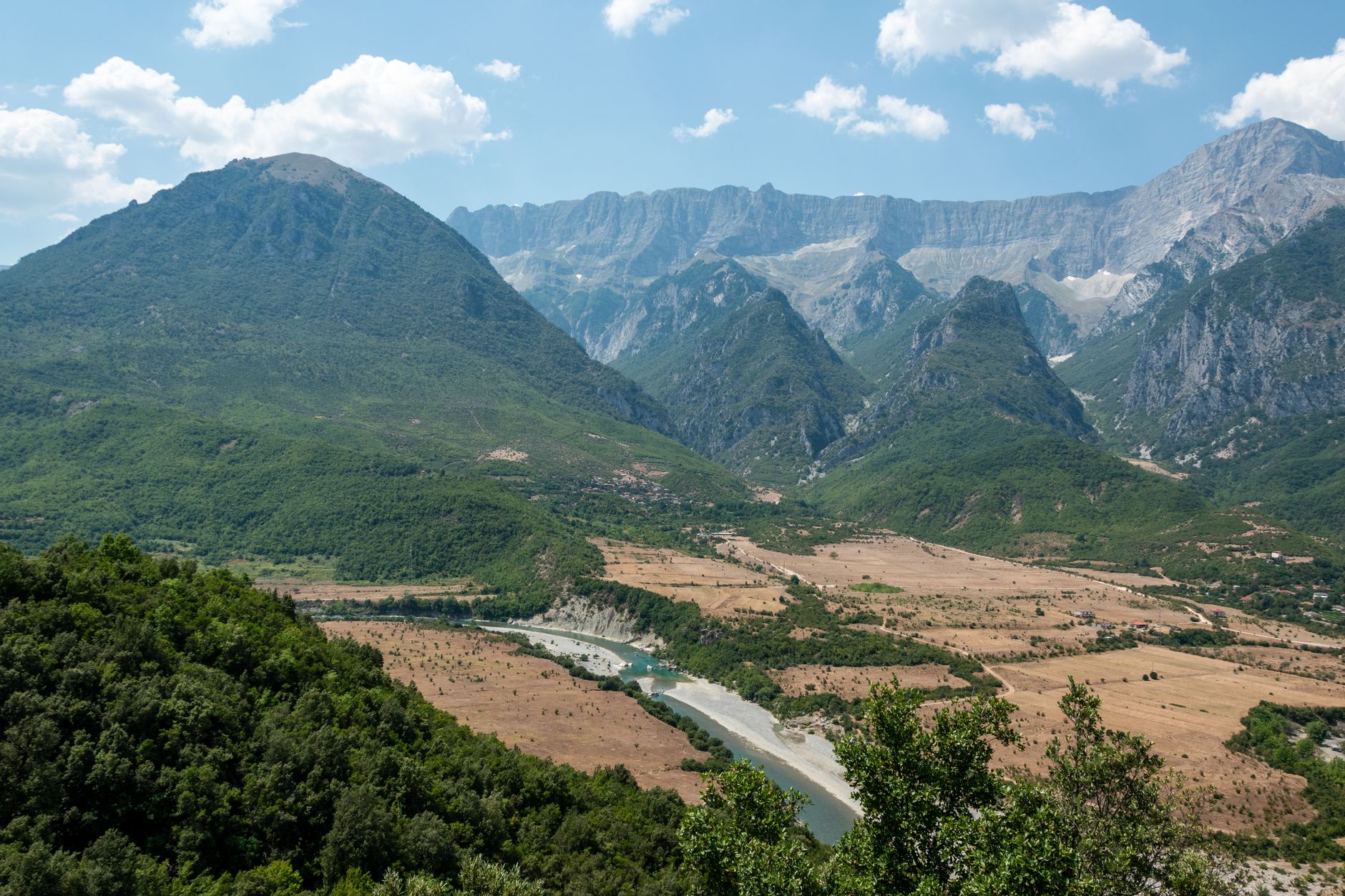
Valbona sits in the Albanian Alps, a mountain range also called the Accursed Mountains – Bjeshket e Namuna in Albanian – straddling Albania, Kosovo, and Montenegro. The name sounds forbidding, but the landscape reads differently in person: glacially carved peaks rising above 2,500 meters, river gorges running cold and turquoise even in August, and beech forests dense enough to block the midday sun on descent trails. The Valbona River runs the length of the valley floor, and the trail network fans out from there in ways that reward hikers who plan more than a day.
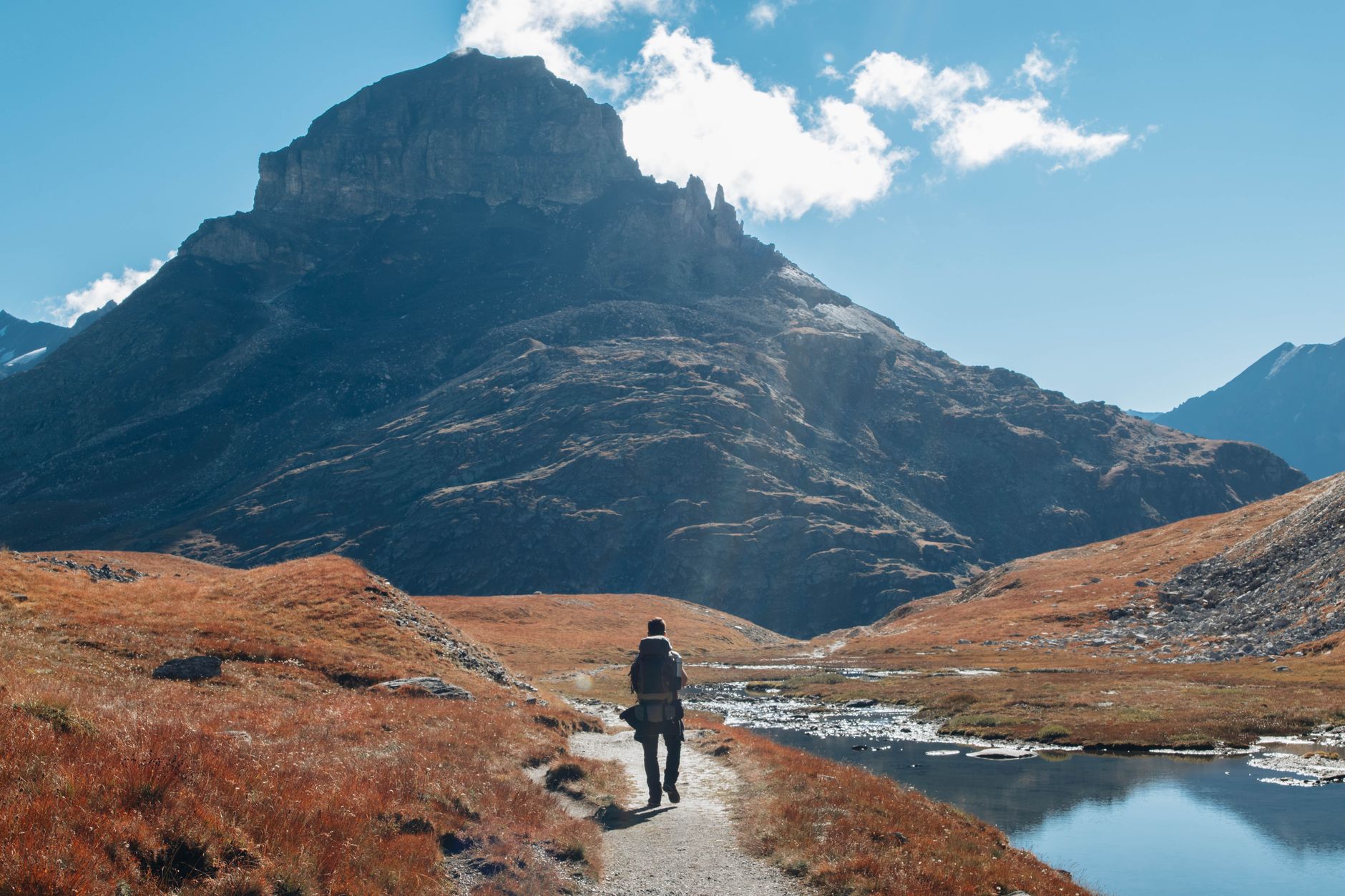
The most-walked route connects Valbona to Theth, a neighboring valley to the south, via a mountain pass at roughly 1,800 meters. The crossing takes between five and seven hours depending on pace and how often you stop to photograph ridgelines. What makes this trail different from comparable hikes in western Europe is the absence of crowd management infrastructure – no timed entry windows, no reservation portals, no shuttle buses queuing at trailheads. You simply show up, hire a local guide if you want one, and walk.
That informality is both the draw and the limitation. Trail markings on the Valbona-Theth route are inconsistent in places, and the mountain weather in the Albanian Alps can shift without much warning. A sunny morning at the valley floor does not guarantee clear conditions at the pass. Hikers who have done alpine routes in the Dolomites or Tatras will find the terrain familiar but the logistics more self-directed than they might be used to. That gap is exactly what makes Valbona feel less like a managed product and more like a place.
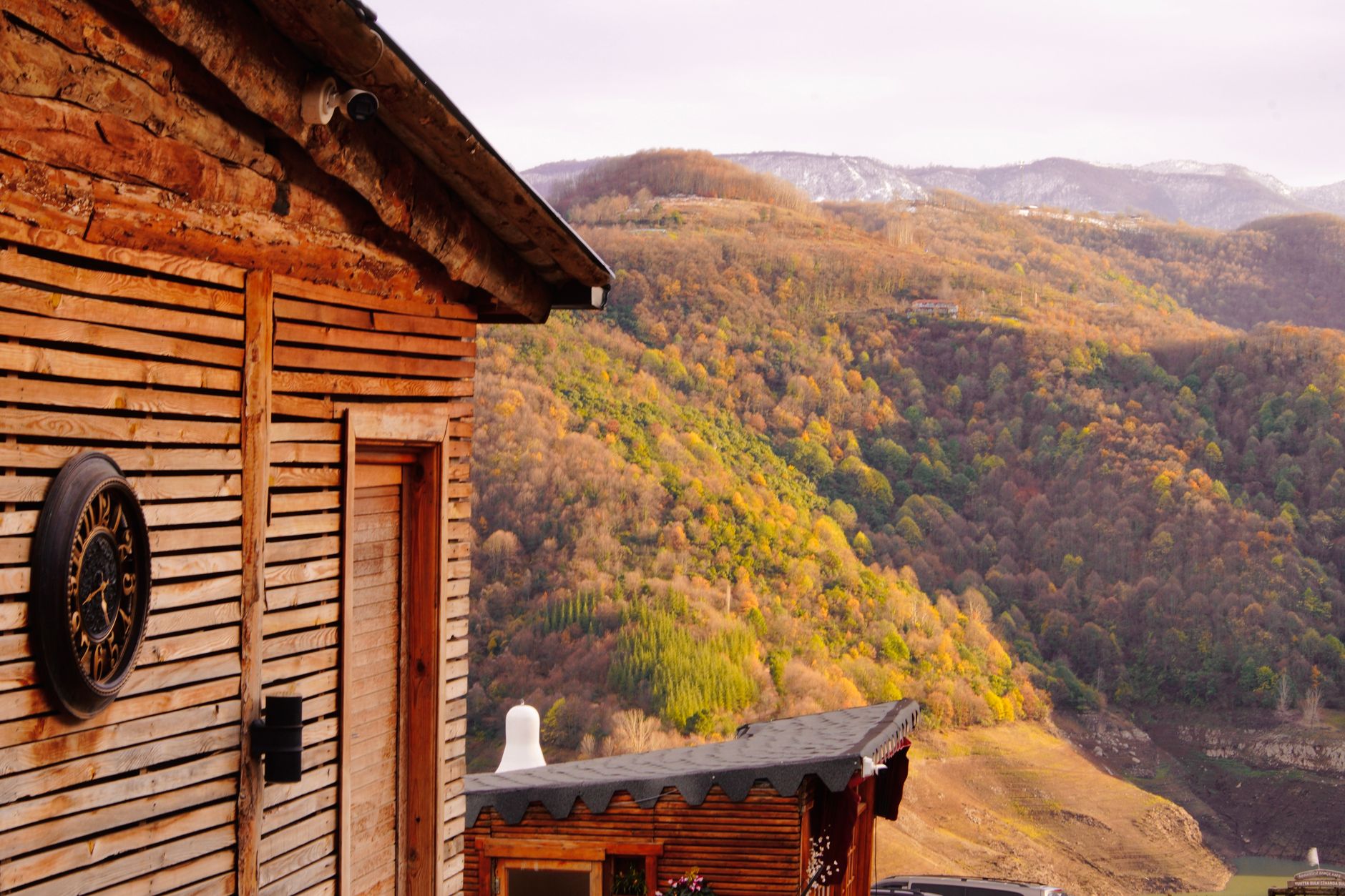
Accommodation options have grown steadily over the past decade, concentrated around guesthouses – known locally as bujtina – run by families who have worked the valley for generations. The hospitality is genuine and the food, heavy on lamb, cornbread, and foraged greens, reflects what grows and grazes nearby. Rates remain low by European alpine standards, and a full day of meals plus a bed still costs less than a cable car ticket in the Swiss Alps.
How Valbona Stacks Up Against Rugova
Kosovo’s Rugova Canyon near Peja draws hikers with its dramatic limestone walls and relatively well-marked trail infrastructure developed partly through international conservation funding. The trails are better signed, the trailhead access is easier from Pristina, and English is more widely spoken in service towns nearby. For first-time Balkans hikers, Rugova functions as a gentler entry point. Valbona asks more of you logistically, and the trade-off is access to something rawer.
The Peaks of the Balkans trail is the clearest point of comparison between the two regions. This long-distance route loops across Albania, Kosovo, and Montenegro, passing through both Valbona and areas near Rugova. Hikers who complete the full circuit typically report that the Albanian sections feel wilder and less developed – not because the scenery is definitively better, but because the infrastructure thins out more aggressively. You cross into a village and it is genuinely unclear whether a guesthouse will have a vacancy. That uncertainty is the point, for a certain kind of traveler.
Rugova benefits from Kosovo’s easier visa situation for many nationalities and its more developed road network, which reduces the logistical friction of getting to the trailhead. Albania has made visa access straightforward for most Western passport holders, but Valbona is a longer and more complicated drive from Tirana than Rugova is from Pristina. The ferry across Lake Koman – a narrow reservoir cutting through gorge country – is the most scenic way to reach Valbona from the Albanian side, and the journey itself, two hours on a small boat threading between cliff walls, is frequently described by hikers as the day’s best memory.
What Valbona lacks in convenience it makes up in concentration. The valley contains fewer distractions from the landscape itself. There is no town center with souvenir shops, no restaurant district, no nightlife infrastructure. Social life happens on guesthouse terraces where hikers swap route information and guesthouse owners recommend trails their guests rarely find in guidebooks. The knowledge economy of the valley is almost entirely oral, which means repeat visitors consistently describe finding new routes they missed on earlier trips.
The wildlife situation also tilts toward Valbona. Brown bears remain present in the Albanian Alps in numbers that make encounters possible, not theoretical. Chamois appear regularly on higher terrain. The bird list for the Valbona area includes golden eagles and several raptor species that use the thermal currents above the valley. None of this is guaranteed on any given day, but it gives the landscape a sense of ecological completeness that more visited ranges have long since lost.
When to Go and What to Know Before You Do
The hiking season runs from late May through early October, with July and August bringing the most stable conditions but also the most other hikers – though “most” in Valbona is still a relative term. Late June and September offer a balance of accessible trails and manageable visitor numbers. Snow can persist on the Valbona-Theth pass into early June, and October storms can close higher routes without warning. Border crossings between Albania and Kosovo in the mountain areas are limited and sometimes seasonal; checking current crossing status before building a multi-day route is worth the ten minutes it takes.
Valbona’s real competition with Rugova may not be about which valley is better. It may be about which kind of traveler you are. If you want reliability – consistent signage, predictable guesthouse availability, cell service on the trail – Rugova has the edge. If you want to feel genuinely uncertain about what the next ridge is going to look like before you climb it, Valbona is the answer. The valley has been quietly attracting that second type of hiker for years, and the guesthouses are starting to fill up on summer weekends. The window for catching it before the infrastructure catches up may be narrower than it looks.