
American Airlines has introduced dedicated boarding lanes for families traveling with children under two years old, marking the latest airline initiative designed to reduce boarding congestion and improve the travel experience for passengers with young children. The new lanes operate at all American Airlines gates and allow families to board during the priority boarding process.
Airport chaos involving families with strollers, car seats, and crying infants has become a familiar scene at departure gates across the country.
The dedicated lanes function as separate queues positioned alongside existing priority boarding areas, giving families additional space to organize their belongings and board at their own pace without blocking other passengers.
How the Family Boarding Process Works
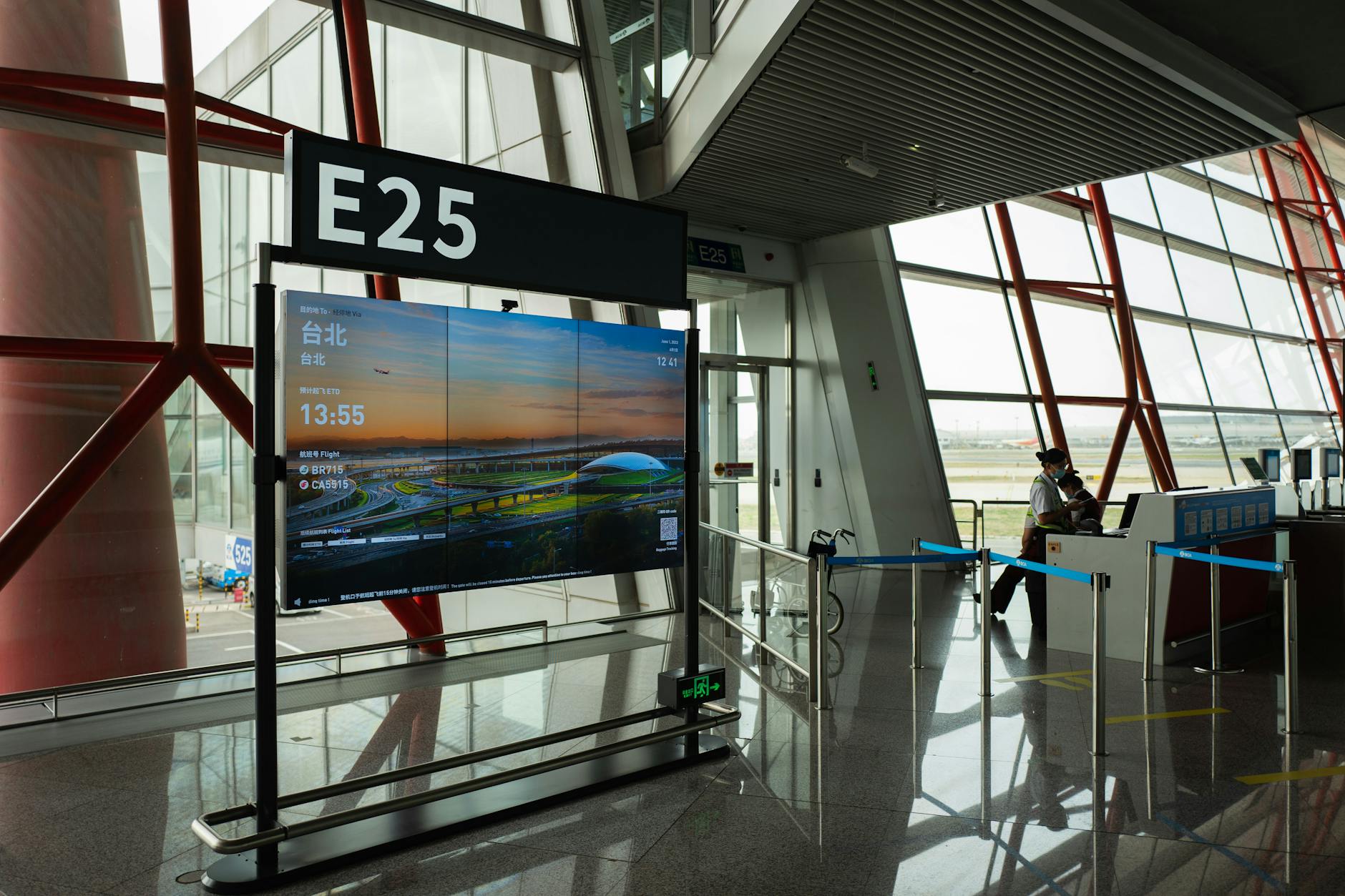
Families with children under two can access the dedicated lanes during Group 2 boarding, which occurs after first-class and elite status passengers but before general boarding begins. Gate agents direct qualifying families to the designated area, which features additional floor space and clear signage indicating the lane’s purpose. The setup allows families to take extra time loading strollers into overhead bins or gate-checking equipment without creating bottlenecks in the main boarding area.
The airline’s gate agents receive specific training on managing the family lanes, including protocols for verifying age requirements and directing families to appropriate queues. Parents traveling alone with multiple young children receive priority assistance from ground crew members when needed. American Airlines staff can also provide temporary stroller tags for last-minute gate-check decisions.
Unlike some airline family boarding policies that group all passengers with children together, American’s system specifically targets families with infants and toddlers who require the most boarding time and assistance. Children over two years old follow standard boarding procedures with their assigned groups, though families can still request early boarding assistance when circumstances warrant additional help.
Industry Response to Family Travel Challenges
Airlines have increasingly recognized that family travel presents unique operational challenges that extend beyond simple passenger preferences. Boarding delays caused by families struggling with equipment, crying children, and complex seating arrangements create ripple effects throughout flight schedules. The dedicated lane approach addresses these issues by creating predictable processes that benefit both families and other passengers.
American’s implementation follows similar family-friendly initiatives from other major carriers, though each airline has developed different approaches to the same fundamental problem. Some airlines offer early boarding for all families with children, while others provide special assistance only upon request. The dedicated physical space represents a more systematic solution than ad-hoc assistance programs.
The airline industry’s focus on family travel improvements reflects broader demographic trends in leisure travel, where multigenerational trips and family vacations represent significant revenue streams. Business travelers and frequent fliers, who often receive priority boarding benefits, have generally supported initiatives that reduce overall boarding time and gate area confusion.
Operational Impact and Future Considerations
Early implementation data suggests the dedicated lanes reduce average boarding time by approximately two to three minutes per flight, though the impact varies significantly based on the number of families traveling on each departure. Gate agents report fewer passenger complaints about boarding delays and reduced stress levels when managing complex boarding scenarios. The physical separation also minimizes conflicts between passengers over queue positioning and overhead bin access.
The success of dedicated family lanes depends heavily on consistent gate agent training and clear passenger communication about the new procedures. Some airports have required gate area reconfigurations to accommodate the additional lane space, particularly at busy hubs where gate areas already face capacity constraints. American continues to evaluate the program’s effectiveness and may expand the concept to include additional family travel services.
The airline faces ongoing questions about whether the age limit of two years adequately captures all families who might benefit from dedicated boarding assistance, particularly those traveling with children who have special needs or multiple young passengers.