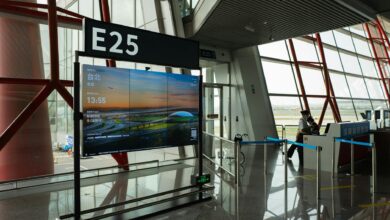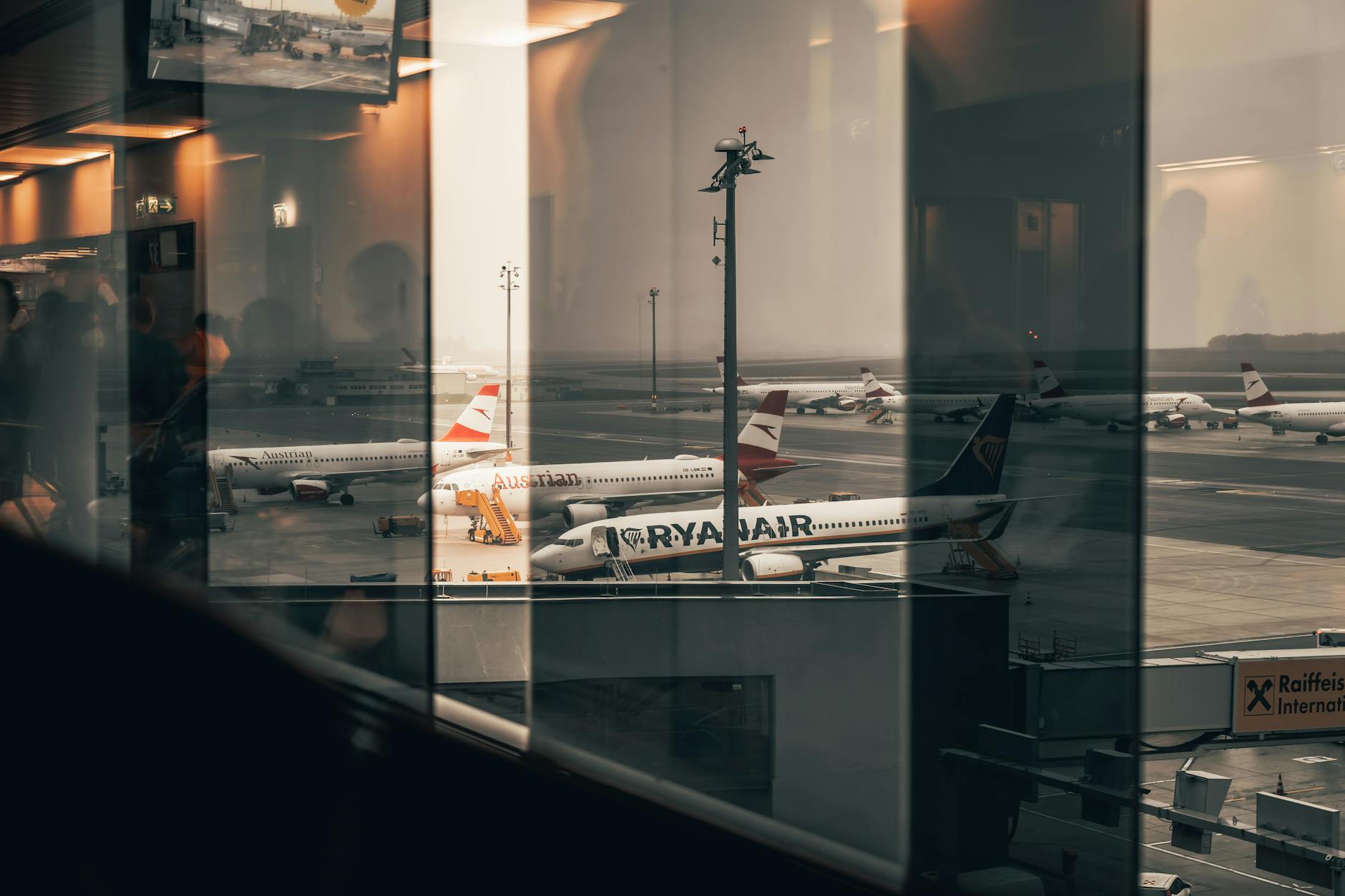

United Airlines has launched a pilot program testing biometric boarding gates at select airports, allowing passengers to board flights using facial recognition technology instead of traditional boarding passes. The initiative aims to reduce boarding times and eliminate bottlenecks that frequently delay departures.
How the Biometric System Works
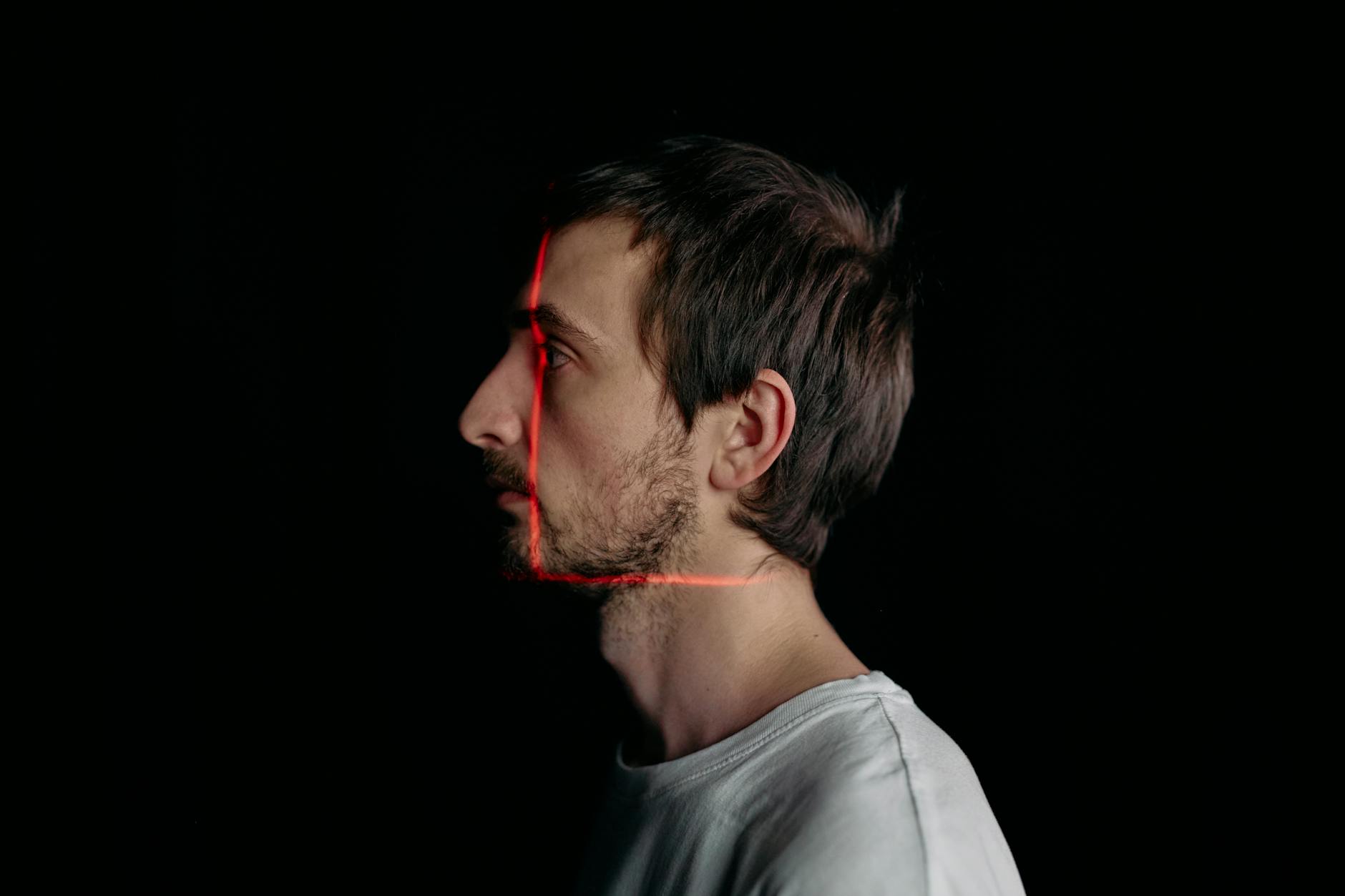
The new boarding gates use cameras positioned at passenger eye level to capture facial images, which are then matched against photos stored in the airline’s database or government records. Passengers enrolled in the program simply approach the gate and look into the camera for approximately two seconds. The system verifies their identity and boarding eligibility before opening the gate automatically.
United has installed these biometric gates at three major hubs: Chicago O’Hare, Denver International, and Newark Liberty. The airline selected these locations based on their high passenger volumes and frequent delays caused by boarding congestion. Each gate processes passengers roughly 30 percent faster than traditional scanning methods, according to preliminary data from the test program.
The technology eliminates the need for passengers to fumble with mobile boarding passes or printed tickets while juggling carry-on luggage. Flight attendants report fewer boarding-related delays since implementing the system, particularly during peak travel periods when gates become crowded with anxious passengers.
Enrollment requires passengers to register through United’s mobile app, providing consent for facial recognition processing and linking their biometric data to their MileagePlus account. The airline automatically enrolls frequent flyers who have already provided biometric information through TSA PreCheck or Global Entry programs.
Industry Response and Passenger Reception
Airlines have experimented with biometric technology for several years, primarily focusing on international arrivals and customs processing. United’s domestic boarding application represents a significant expansion of facial recognition use in routine air travel operations. The technology builds on existing infrastructure that many airports already use for security checkpoints and immigration control.
Delta Air Lines tested similar technology at select gates in 2019 but scaled back the program due to privacy concerns and technical glitches. American Airlines has expressed interest in biometric boarding but has not announced specific implementation plans. Southwest Airlines continues to rely on its traditional boarding system, which groups passengers by number rather than assigned seats.
Passenger feedback has been mixed during the initial testing phase. Business travelers and frequent flyers generally embrace the speed and convenience, especially those already comfortable with biometric processing through trusted traveler programs. Many appreciate eliminating the step of scanning boarding passes while managing luggage and personal items.
However, some passengers express discomfort with facial recognition technology, citing privacy concerns about how their biometric data is stored and used. Others worry about potential system failures that could leave them stranded at the gate without alternative verification methods. A subset of travelers simply prefers the familiar process of scanning boarding passes.
Technical challenges have emerged during peak boarding periods when multiple passengers approach the gates simultaneously. The system occasionally struggles to process faces clearly when passengers wear masks, sunglasses, or hats, requiring manual intervention from gate agents. [Airlines have been refining their boarding processes](https://skywaypost.net/how-southwest-airlines-new-boarding-system-eliminates-gate-crowding/), with some carriers focusing on reducing gate crowding through improved organization rather than new technology.
Privacy and Security Considerations
United stores biometric data on secure servers with encryption protocols similar to those used for financial transactions. The airline states that facial recognition information is deleted within 24 hours of flight completion and is never shared with third-party companies or used for marketing purposes.
Privacy advocates remain skeptical about biometric boarding expansion, questioning whether airlines will maintain current data protection standards as the technology becomes more widespread. The absence of federal regulations specifically governing airline use of facial recognition creates uncertainty about long-term privacy protections for passengers who participate in these programs.
Frequently Asked Questions
How do United’s biometric boarding gates work?
Passengers look into a camera that matches their face to stored biometric data, automatically verifying identity and opening the gate.
Which airports have United’s biometric boarding gates?
The pilot program operates at Chicago O’Hare, Denver International, and Newark Liberty airports.