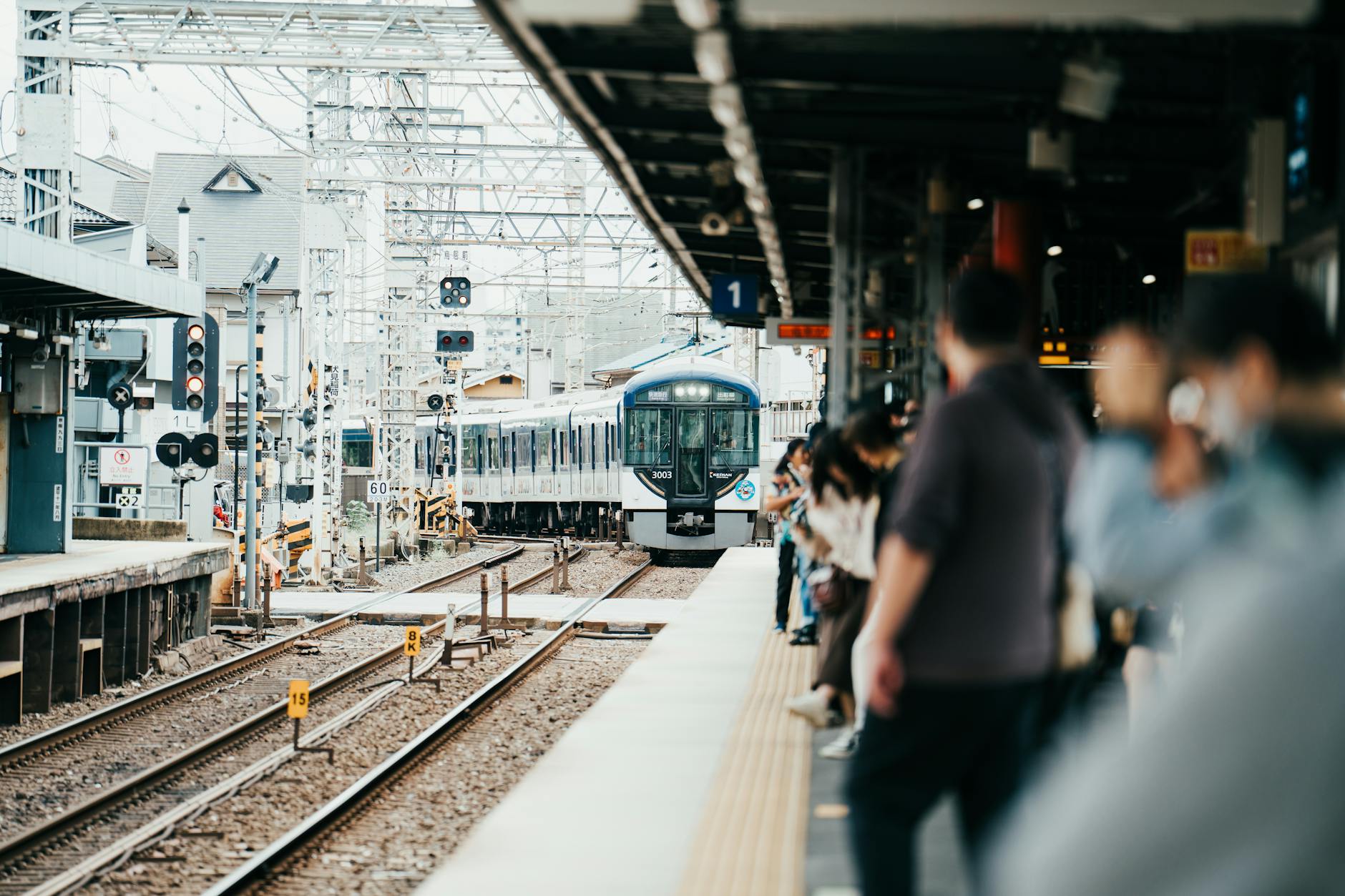

Amtrak’s expansion into overnight service connecting Western national parks marks a shift away from air travel for multi-day adventure trips. The new routes launch with sleeping car accommodations and direct connections to park entrances, targeting travelers who want to avoid rental cars and crowded airports while accessing remote wilderness areas.
The service begins with three pilot routes running through spring and summer seasons, linking major gateway cities to park clusters in Utah, Colorado, and the Pacific Northwest. Unlike traditional Amtrak corridors focused on business travel, these routes prioritize scenic routing and extended layovers at destination stations.
Direct Park Access Without Rental Cars
The Utah route connects Salt Lake City to a new station built 12 miles from Zion National Park’s main entrance. Shuttle buses run every 30 minutes between the station and park visitor centers, eliminating the need for rental cars in an area where parking fills up by 8 AM during peak season.
Colorado’s route extends existing Denver service to reach a purpose-built station near Rocky Mountain National Park’s east entrance. The overnight journey includes a 6 AM arrival designed to give passengers first access to popular hiking trails before day visitors arrive by car.
Sleeping Car Economics and Pricing
Roomette accommodations start at $340 per person for overnight segments, positioning the service between budget hotels and luxury resorts in gateway towns. The pricing assumes two passengers per room, with solo travelers paying a 75% supplement – a significant cost factor for individual adventurers.
Coach seating remains available at $89 for overnight routes, though passengers report difficulty sleeping upright during the 12-14 hour journeys. The trains run with a mix of traditional coach cars and newer sleeper equipment transferred from discontinued Eastern routes.
Dining car service focuses on regional specialties rather than standard Amtrak cafe offerings. The Colorado route features locally-sourced beef and produce from Front Range suppliers, while Utah trains highlight Southwestern cuisine adapted for railway preparation constraints.
Food costs add $45-65 per day to trip expenses, bringing total transportation costs closer to flying plus rental car combinations. However, the service includes luggage allowances up to 150 pounds per passenger – significant for travelers carrying camping and hiking equipment.
Infrastructure Challenges in Remote Areas
New stations required substantial investment in areas with limited existing rail infrastructure. The Utah station cost $12 million to build, including platform extensions to handle longer consist trains and electrical systems for overnight servicing.
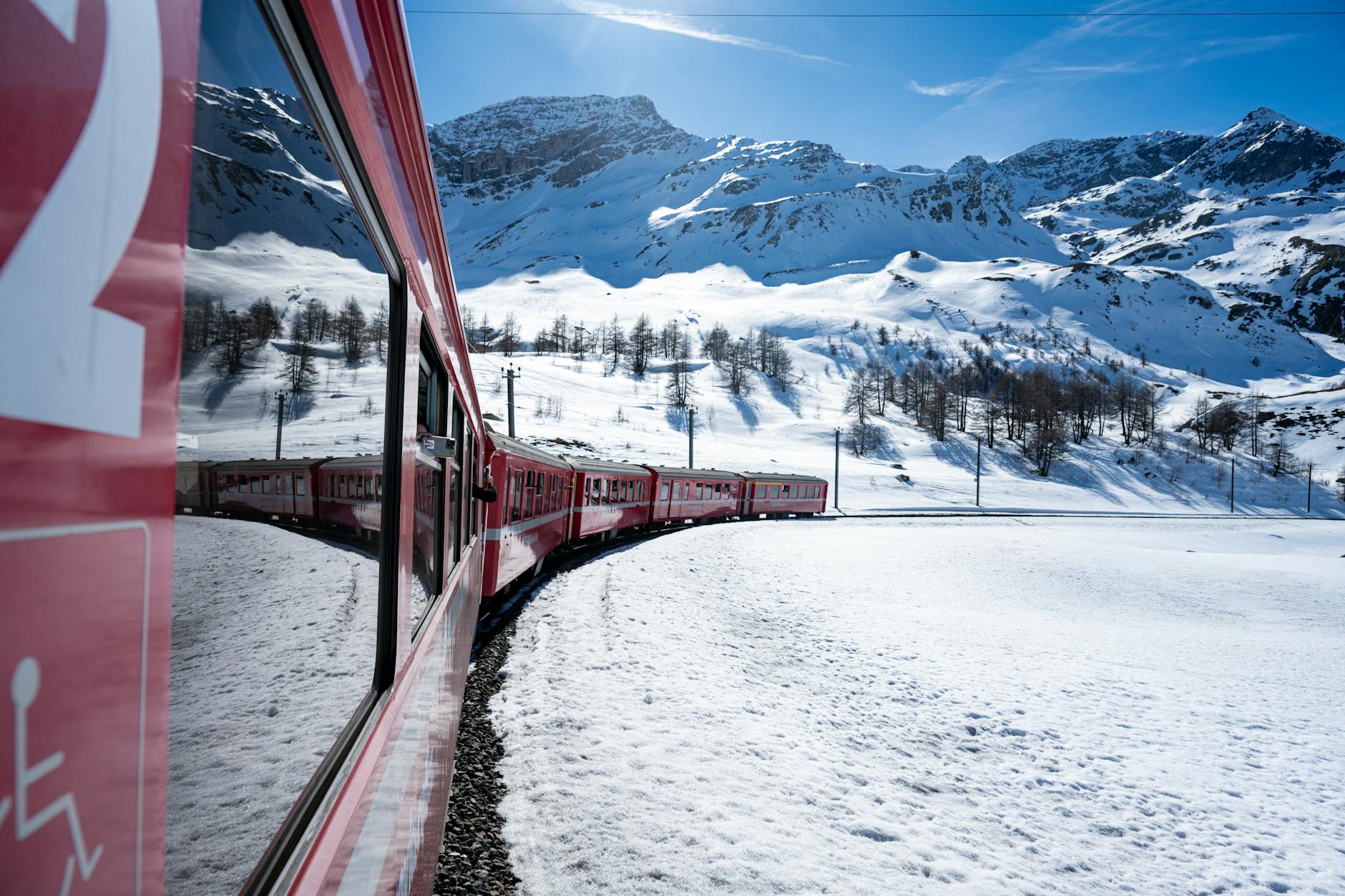
Weather delays present ongoing operational challenges, particularly on the Colorado route where mountain passes can close due to snow conditions. The trains carry emergency supplies for extended delays, but passengers report frustration with communication during weather-related stops that can last 8-12 hours.
Competition with Air Travel and Tour Companies
Regional airlines serving smaller airports near national parks have reduced service frequency in response to Amtrak’s entry, creating fewer backup options for travelers when train delays occur. Southwest Airlines discontinued its seasonal service to some regional airports, citing decreased demand for short-haul park access flights.
Tour companies operating multi-day bus trips to park clusters now compete directly with Amtrak’s point-to-point service. Bus tours offer guided experiences and guaranteed park entry times, while train passengers must arrange their own activities upon arrival.
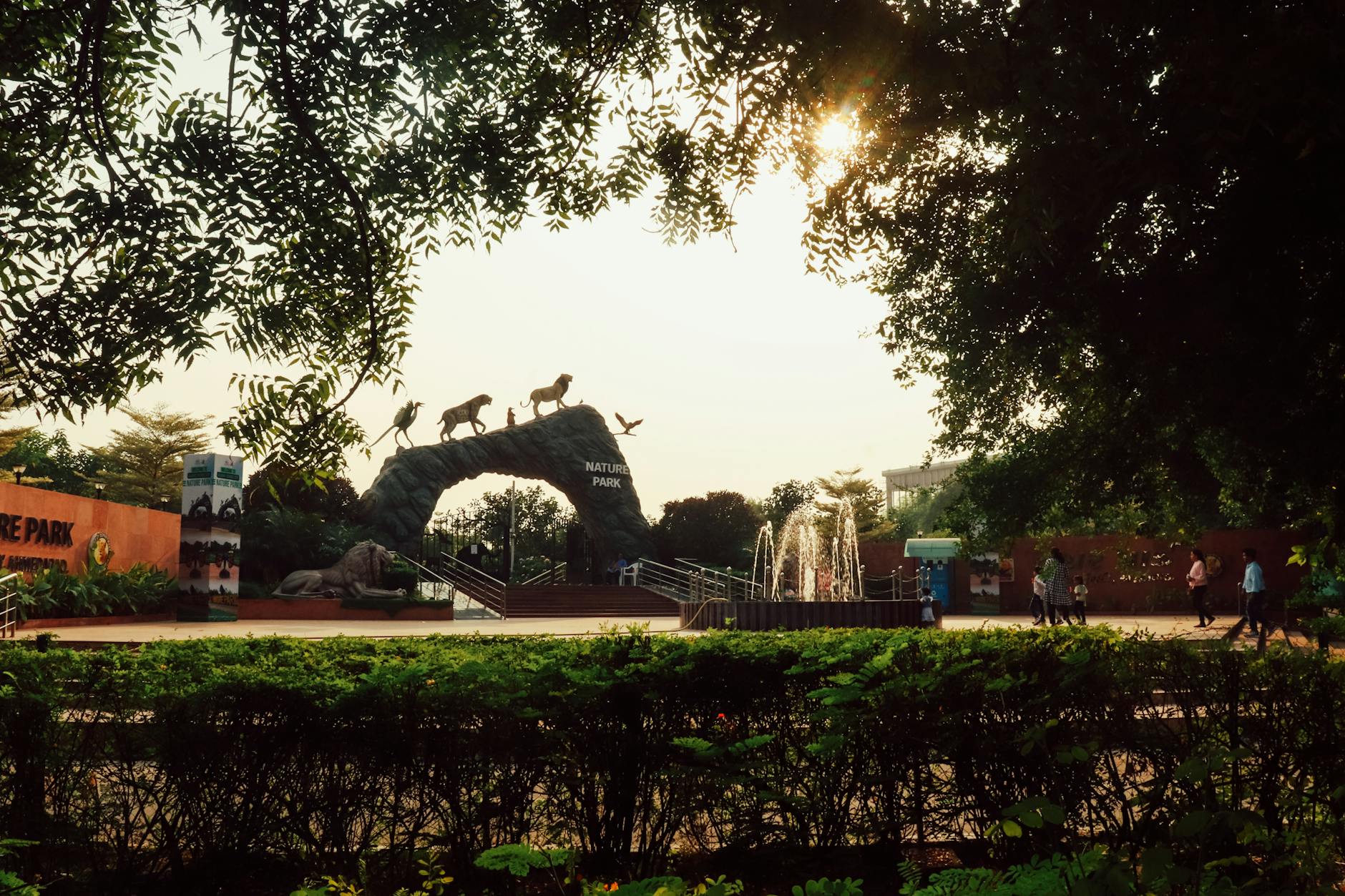
Park concessionaires report mixed results from the increased train traffic. Hotel occupancy in gateway towns has decreased as more visitors stay overnight on trains rather than booking local accommodations. However, equipment rental shops see increased business from train passengers who need camping gear and hiking supplies delivered to the station.