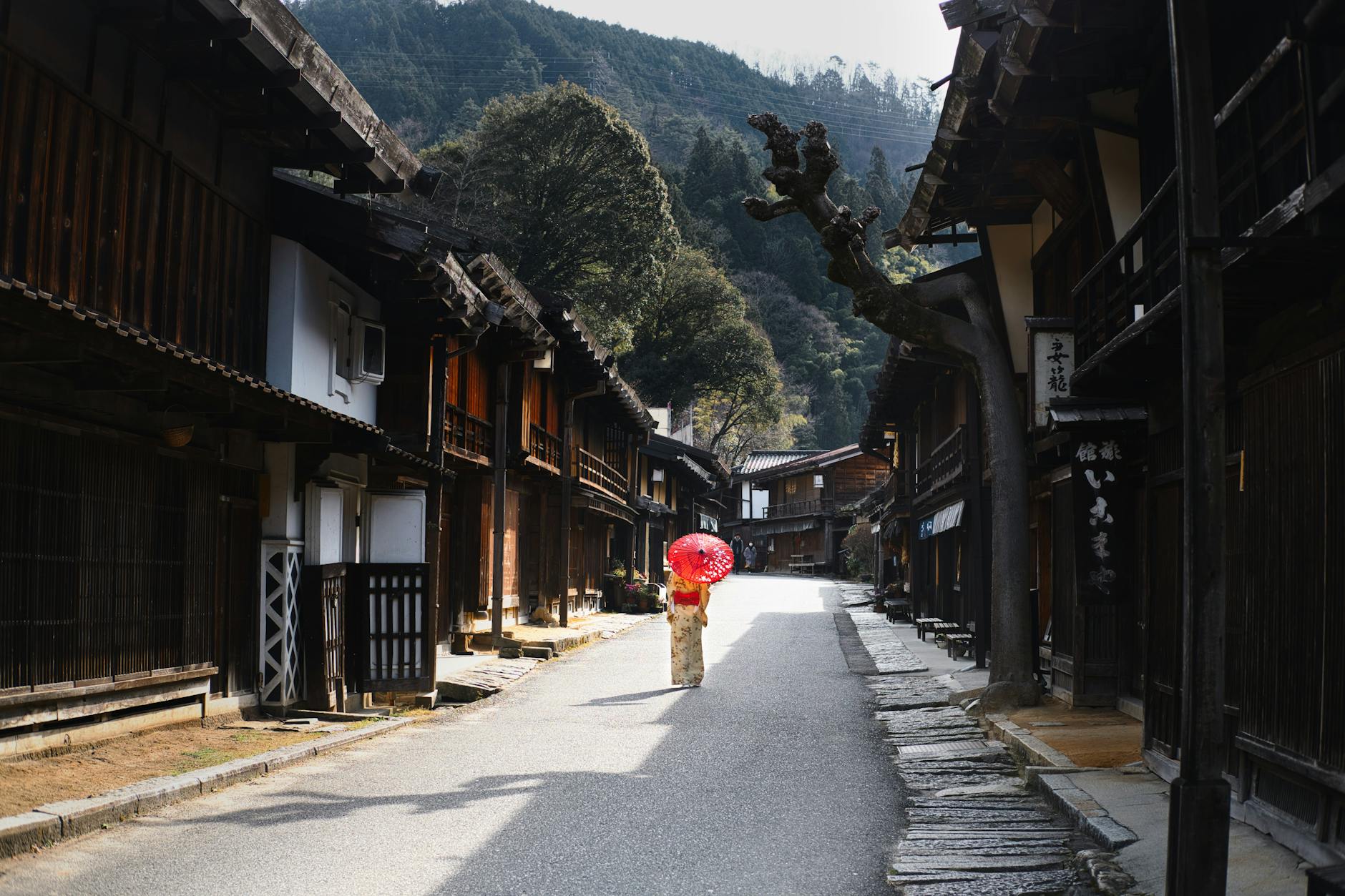

Remote work has transformed from pandemic necessity into permanent lifestyle choice, but finding the right balance between productivity and adventure remains elusive for digital nomads. While Bali cafes and Lisbon co-working spaces attract crowds, Japan is taking a different approach entirely.
Rural Japanese municipalities are launching dedicated digital nomad villages designed specifically for tech workers seeking authentic cultural immersion alongside high-speed internet. These purpose-built communities offer month-long residencies that combine traditional Japanese living with modern remote work infrastructure.
Beyond Tourist Hotspots
The village programs target regions facing population decline, transforming empty houses into tech-enabled workspaces. Local governments provide fiber optic internet, renovated traditional homes, and cultural integration programs that go far beyond typical nomad destinations.
Participants live in centuries-old farmhouses equipped with ergonomic desk setups and video conferencing capabilities. The contrast between sliding paper doors and dual-monitor displays creates working environments that most remote workers have never experienced.
Cultural Integration Through Work
These programs emphasize community participation over tourist consumption. Remote workers join local festivals, attend language exchange sessions, and contribute to village projects during non-working hours. The structure prevents the cultural isolation that often affects nomads in major cities.
Morning routines might include meditation at nearby temples before logging into team meetings across multiple time zones. Lunch breaks become opportunities to learn traditional cooking techniques from village elders. Evening walks through rice paddies replace the usual hunt for reliable wifi spots.

The time zone advantage works particularly well for North American tech companies. Japan’s 13-hour difference from the U.S. West Coast allows nomads to maintain productive morning work sessions while having afternoons free for cultural activities. European companies benefit from early evening collaboration windows that don’t disrupt local community rhythms.
Village coordinators facilitate introductions between nomads and local artisans, farmers, and business owners. These connections often evolve into consulting relationships or product inspiration that extends far beyond the residency period.
Infrastructure Meets Tradition
The technical setup rivals major co-working hubs while maintaining authentic architectural features. Tatami mat floors accommodate standing desks, while traditional irori hearths provide atmospheric lighting for evening video calls. Renovations preserve historical elements while adding soundproofing and climate control essential for professional work.
Shared workspace areas occupy restored community buildings where multiple nomads can collaborate or attend virtual meetings simultaneously. The setup prevents the social isolation common in solo remote work arrangements while respecting traditional community gathering spaces.
Economic Impact and Scalability
Village programs generate revenue through housing fees, local spending, and skills exchange initiatives. Remote workers often teach English or digital marketing skills to local businesses, creating ongoing economic relationships beyond tourism dollars.
The success of pilot programs has sparked expansion plans across rural Japan. Municipalities compete to offer unique cultural experiences alongside standard tech infrastructure, from sake brewing workshops to traditional crafts training. Some villages now maintain waiting lists for their limited monthly slots.

The model addresses Japan’s rural depopulation crisis while creating sustainable income streams that don’t depend on seasonal tourism patterns. Tech workers provide consistent revenue and cultural exchange opportunities that benefit both temporary residents and permanent village populations. Whether other countries can replicate Japan’s unique blend of technological advancement and cultural preservation remains an open question for the expanding nomad economy.