
Southwest Airlines will begin testing assigned seating on select flights, marking a potential end to the open boarding system that has defined the carrier for over five decades.
The Experiment Behind Closed Doors
The airline plans to roll out assigned seating trials on specific routes starting in early 2024, though company officials remain tight-lipped about which markets will participate. The test represents the most significant operational shift Southwest has considered since its founding in 1971.
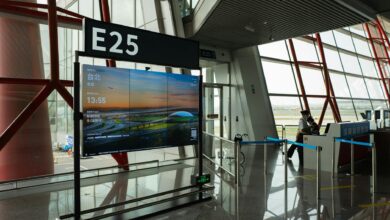
Southwest’s current system allows passengers to choose their seats upon boarding based on their check-in position, creating a first-come, first-served dynamic that has become part of the airline’s cultural identity. The process generates roughly 30 boarding positions in each of three groups – A, B, and C – with passengers lining up accordingly at the gate.
Internal discussions about assigned seating have intensified as the airline faces mounting pressure from corporate travelers who prefer guaranteed seat selection. Business passengers often book with competitors specifically to avoid the uncertainty of Southwest’s boarding lottery, particularly on high-traffic routes where middle seats become the only available option.
The testing phase will evaluate passenger satisfaction scores, boarding times, and operational efficiency metrics. Southwest executives want concrete data on whether assigned seating improves the overall travel experience or creates new bottlenecks during aircraft turnaround.
Revenue and Competitive Pressures Mount
Southwest’s unique boarding model has increasingly become a liability in premium markets where passengers expect predictable seating arrangements. The airline’s EarlyBird check-in service, which costs $15-$25 per passenger for priority boarding positions, generates significant ancillary revenue but doesn’t guarantee specific seat assignments.
Major competitors have successfully monetized seat selection through tiered pricing structures that charge premiums for aisle, window, and extra-legroom options. Delta, American, and United collect hundreds of millions annually from advance seat assignments, creating multiple revenue streams that Southwest currently cannot access.
The financial implications extend beyond direct seat fees. Corporate travel managers frequently negotiate contracted rates that include guaranteed seating policies, making Southwest less competitive in lucrative business travel segments. These contracts often specify that employees must receive confirmed seat assignments at booking, automatically eliminating Southwest from consideration.
Load factors on Southwest flights consistently run above 80 percent, meaning the current boarding system regularly forces passengers into less desirable middle seats. Customer service complaints related to seating arrangements have increased 40 percent over the past two years, according to Department of Transportation data.
The airline’s loyalty program, Rapid Rewards, lacks the seat upgrade benefits that frequent flyers expect from premium status tiers. Elite members receive priority boarding positions but still face uncertainty about actual seat location, particularly on popular routes where A-List members compete for the same preferred spots.
Operational Challenges and Cultural Identity
Implementing assigned seating requires significant technological infrastructure changes across Southwest’s reservation system, mobile applications, and airport gate displays. The airline’s current IT architecture was built specifically to support open seating, necessitating extensive programming modifications and staff retraining.
Flight attendants and gate agents will need new procedures for handling seat-related customer service issues, upgrade requests, and family seating accommodations. The cultural shift may prove more challenging than the technical implementation, as Southwest’s informal, egalitarian boarding process has become synonymous with the brand’s personality and cost-conscious positioning.