Argentina’s Los Esteros del Iberá Quietly Rivals the Pantanal for Wildlife Seekers

The Wetland That Rarely Makes the List
Every serious wildlife traveler knows the Pantanal. Brazil’s vast floodplain pulls in visitors from around the world chasing jaguars, giant otters, and skies thick with birds. But Argentina’s Los Esteros del Ibera – a sprawling wetland system in the northeastern province of Corrientes – has been running a quiet conservation operation that is starting to attract the same caliber of traveler, without the same volume of foot traffic.
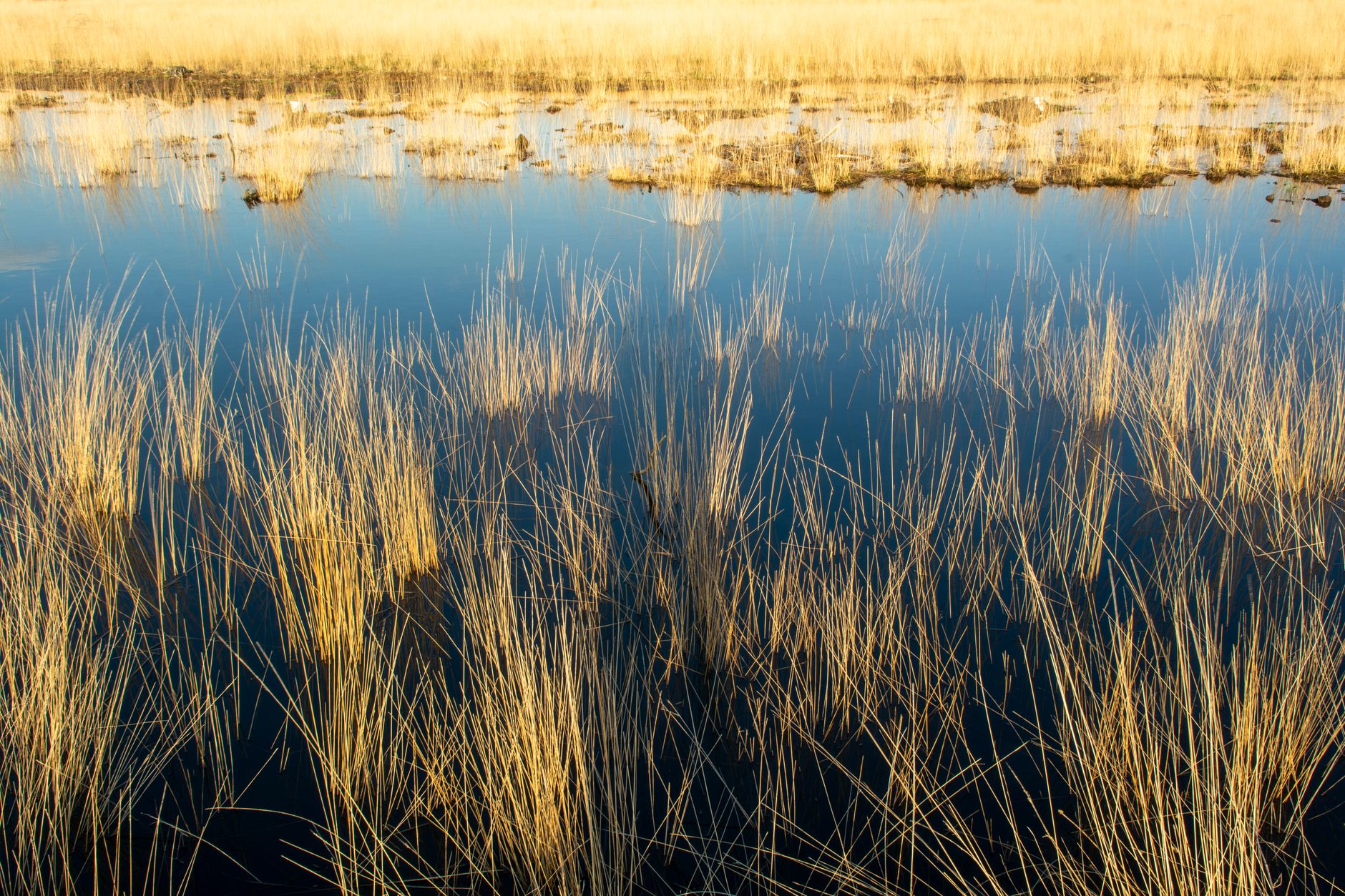
Ibera covers roughly 1.3 million hectares of marshes, lagoons, and floating grass islands called embalsados. It is one of the largest freshwater wetland systems in South America, fed by rainfall rather than a major river, which gives the landscape a particular stillness. There are no dramatic currents here, no rushing tributaries – just an enormous, shallow system of water and life that has existed largely undisturbed for centuries.
What changed recently is the rewilding program.
The Return of the Apex Predators
Tompkins Conservation, working in partnership with Argentina’s national parks authority, has spent years reintroducing species that were hunted to local extinction across the region. Jaguars are back in Ibera after an absence of roughly 70 years. Giant anteaters have been returned in numbers significant enough to be considered a self-sustaining population. Pampas deer, marsh deer, collared peccaries, and tapirs move through the grasslands and marsh edges in concentrations that would have been unthinkable here two decades ago.
The jaguar reintroduction is the centerpiece story, and it has drawn wildlife photographers and conservationists in increasing numbers since the first cubs were born in the wild. Spotting a jaguar in Ibera still requires patience and a good guide – these are not habituated animals posing for safari trucks – but the possibility exists in a way it simply did not before. That combination of genuine wildness and genuine effort makes the experience feel different from a managed game reserve. You are watching a recovery in real time.
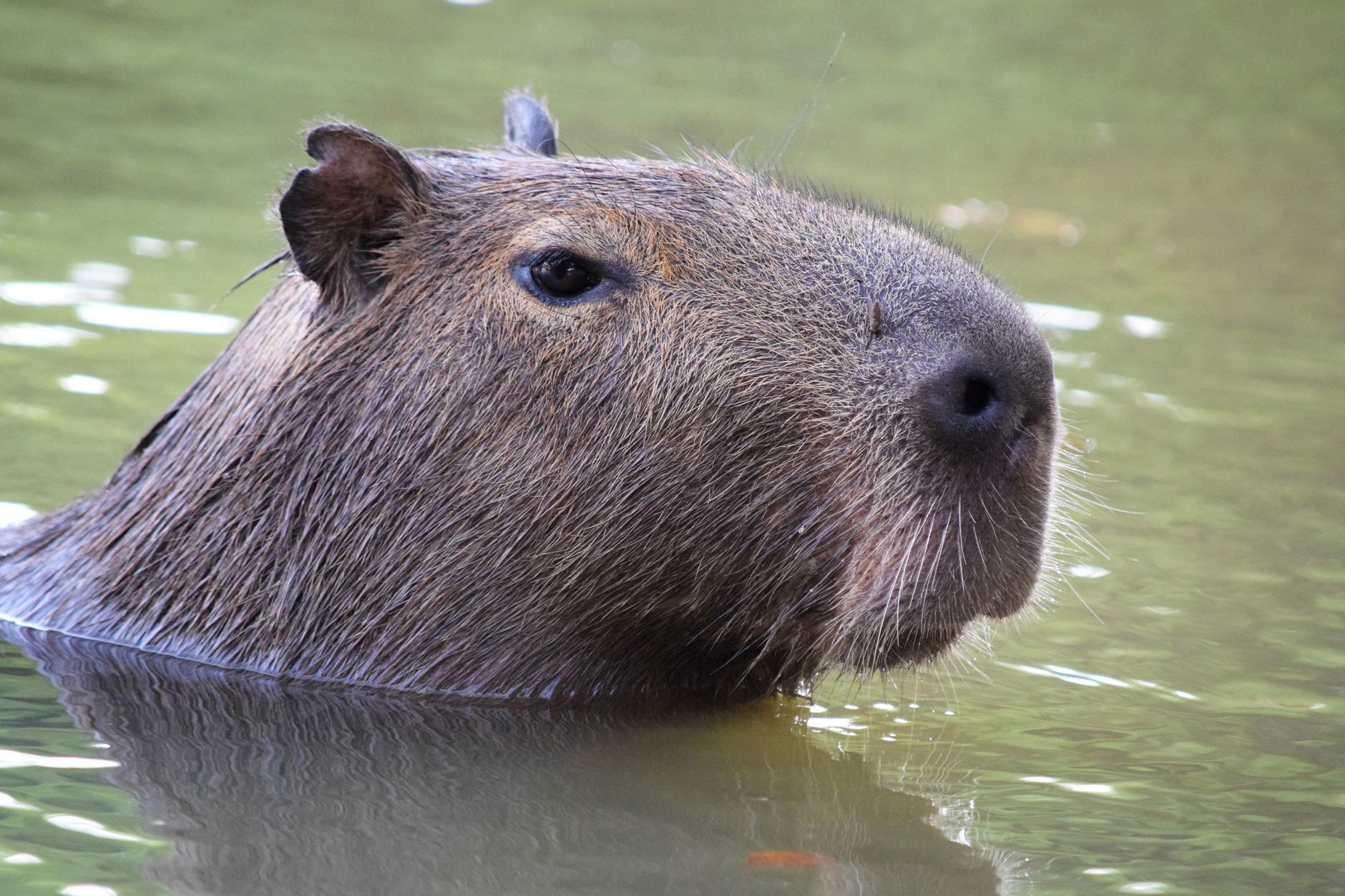
The birdlife was never diminished to begin with. Ibera holds over 350 bird species, including the marsh seedeater, the strange-tailed tyrant with its cartoonishly long tail feathers, and large flocks of roseate spoonbills. Capybaras line every bank in numbers that make them almost unremarkable within the first hour. Caimans, the South American relative of the alligator, are so common in certain lagoons that guides navigate around them without comment.
Getting There and Where to Base Yourself
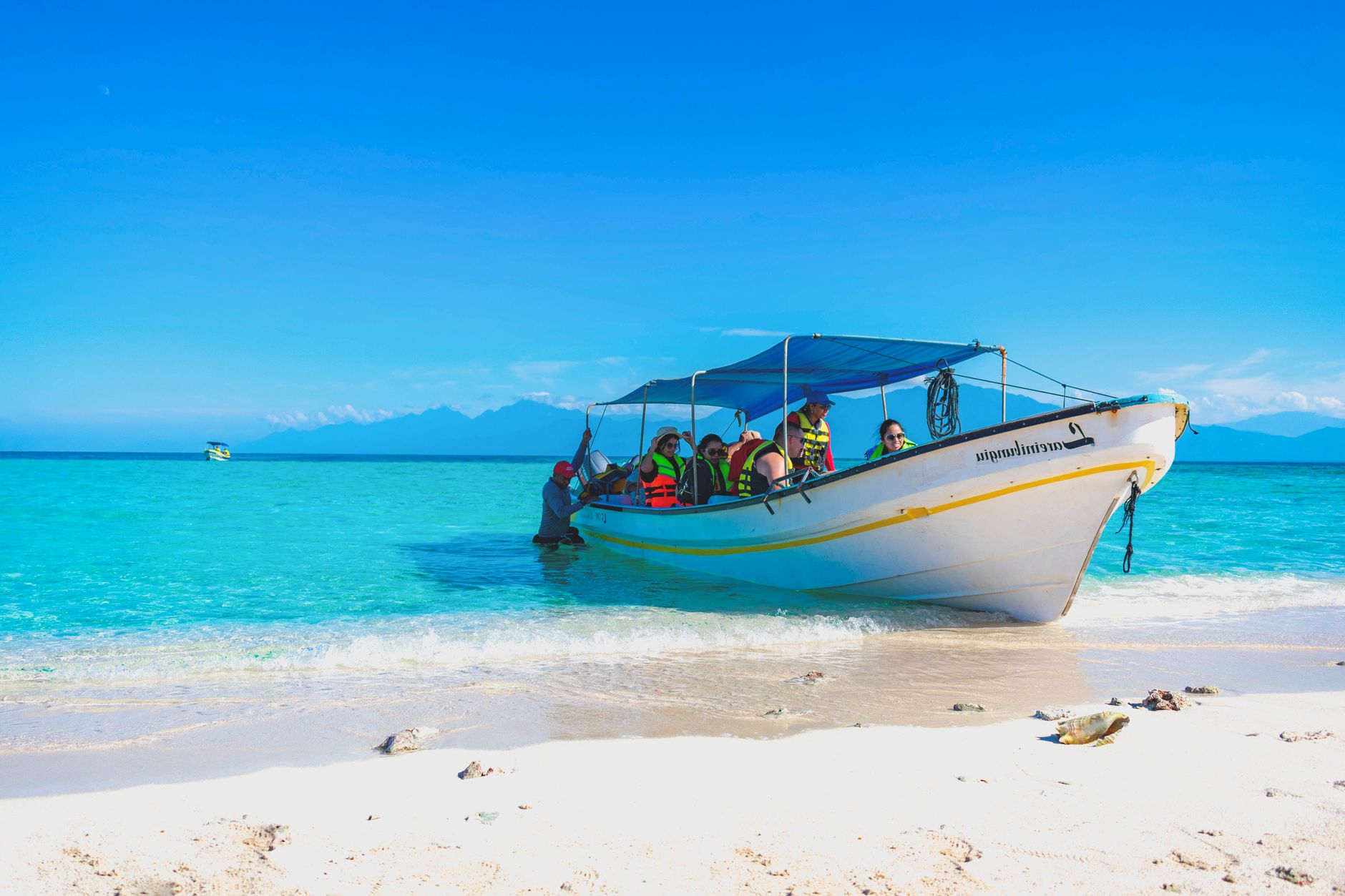
The main entry point for most visitors is the town of Carlos Pellegrini, a small community on the edge of Laguna Ibera that has adapted well to ecotourism without losing its character. There are no chain hotels, no airport gift shops, no queues for boat tickets. Accommodation runs from basic family-run guesthouses to a small number of higher-end lodges that organize guided boat tours, night safaris, and horseback rides through the esteros.
Getting to Carlos Pellegrini requires either a domestic flight to Corrientes or Mercedes, followed by a long road transfer on mostly unpaved routes. The drive from Mercedes takes around two hours on roads that pass through cattle estancias and scrubland before the wetland landscape opens up. This logistical barrier is part of why Ibera has stayed under the radar. It rewards travelers willing to plan carefully, and it discourages the kind of quick-turnaround tourism that degrades sensitive ecosystems.
The best seasons to visit are April through November, when rainfall is lower and wildlife concentrates around water sources. July and August are dry and cool, making them popular with serious birders and wildlife photographers who want clear skies and predictable animal behavior. December through March brings heat and afternoon storms that can make boat travel difficult, though the landscape in full wet season has its own appeal for photographers chasing dramatic light.
Why Ibera Is the Better-Kept Secret
The Pantanal delivers extraordinary wildlife, and nothing here is meant to diminish that. But Ibera offers something increasingly rare in established wildlife destinations: the sense that you are not part of a well-worn circuit. Guides here are often local Corrientes residents who have worked with conservation teams and carry detailed knowledge of individual jaguar territories and nesting sites. The relationship between the community and the wetland is functional and recent, built on economic incentive as much as ecological awareness, which makes it more durable.
Travelers who prioritize volume – maximum species counts over a short trip – may prefer the Pantanal’s density and infrastructure. But for wildlife seekers who want to understand what a recovery looks like up close, who want to sit in a boat at dawn in a lagoon with no other tourists visible, who want the particular satisfaction of a destination that has not yet been fully discovered, Ibera is the better argument. The jaguars are there. The infrastructure is functional but not polished. The lodges fill up fast in peak season, and the roads to get there are still unpaved.
Book early, carry insect repellent, and recalibrate your expectations away from anything resembling a luxury safari – because what Ibera actually delivers is harder to package and far more interesting to witness.