
Where the Crowds Haven’t Caught Up Yet
Georgia gets the monastery headlines. Kazbegi draws the Instagram posts, Vardzia fills the tour buses, and Tbilisi handles the overflow. Meanwhile, roughly 300 kilometers to the south, a forested corner of northern Armenia has been doing something similar with far less fanfare. Dilijan, a small spa town nestled inside a national park of the same name, sits at the intersection of medieval stone churches, dense beech forest, and a hiking infrastructure that most of the Caucasus region hasn’t bothered building yet.
The comparison to Georgia isn’t a knock on either country. Georgia’s monastic trail deserves every pilgrim it gets. But Dilijan operates on a different register entirely – quieter, cheaper, and with the particular pleasure of arriving somewhere before the signage catches up. The town’s old quarter still has working craftspeople alongside the guesthouses, and the forests surrounding the monastery complexes are thick enough that you can hike for two hours without crossing another traveler.
The Monasteries That Anchor the Route
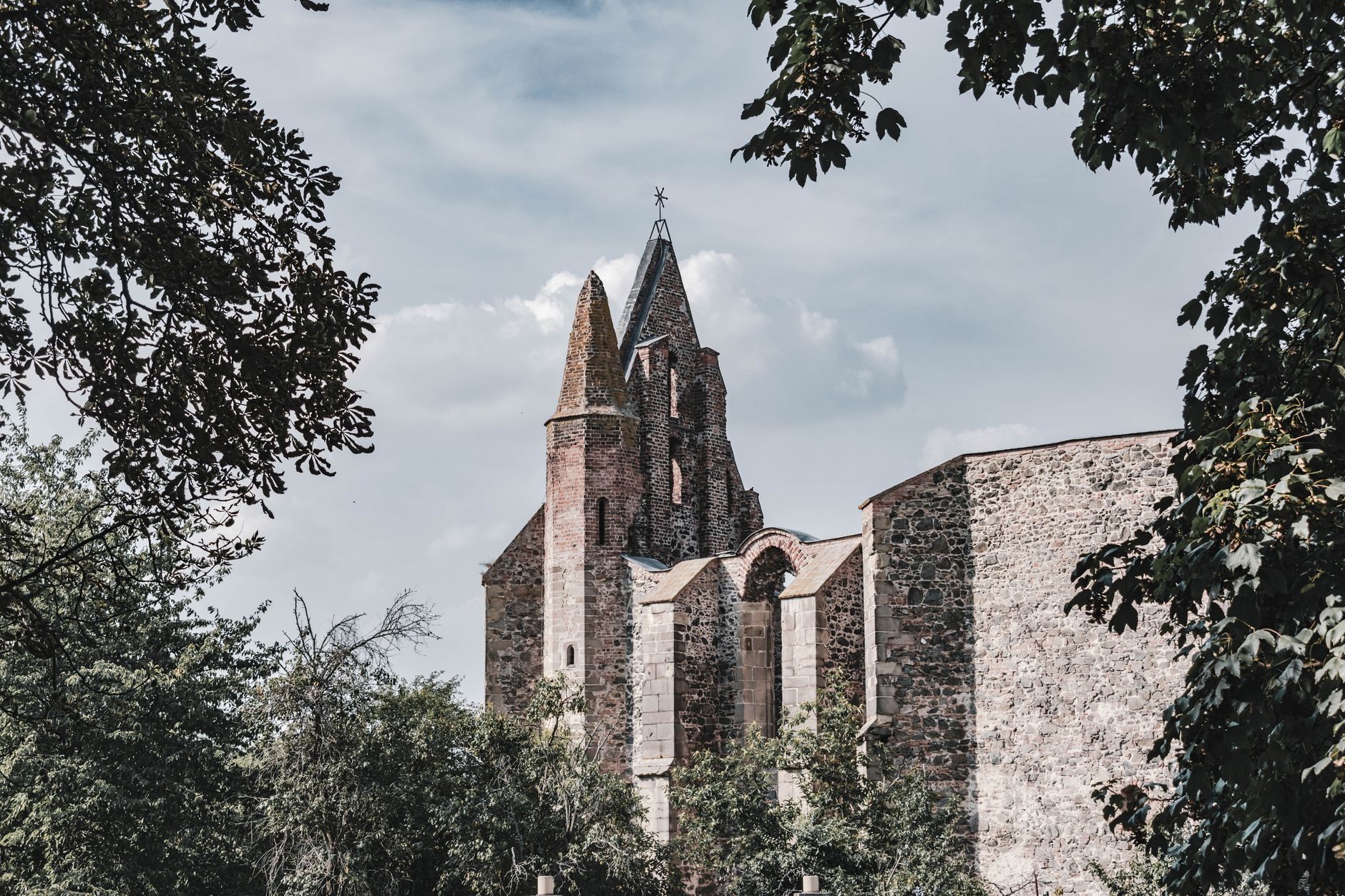
Haghartsin Monastery is the most visited, and for obvious reasons. Founded in the 10th century and expanded through the 13th, it sits hidden in a wooded valley about nine kilometers from Dilijan town. The drive in is fine, but the approach on foot through the trees is what people remember. The complex includes three churches, a refectory, and a gavit – the Armenian version of a narthex – with carved stonework that holds up to serious scrutiny. The scale is human rather than monumental, which gives Haghartsin a different feel from the grand Soviet-era accessible sites elsewhere in the country.
Goshavank, roughly 20 kilometers from Dilijan, is the less-visited second stop on any serious monastery route and arguably the more interesting one architecturally. Built in the 12th and 13th centuries, it contains some of the finest khachkar – cross-stone – carvings in Armenia. The surrounding village of Gosh is small and unhurried, and the monastery sits at its edge without fencing or admission booths. You simply walk in. That kind of unmediated access to a working historical site is increasingly rare in the broader region, and it remains one of Dilijan’s strongest arguments for the detour.
Forest, Trails, and the National Park Logic
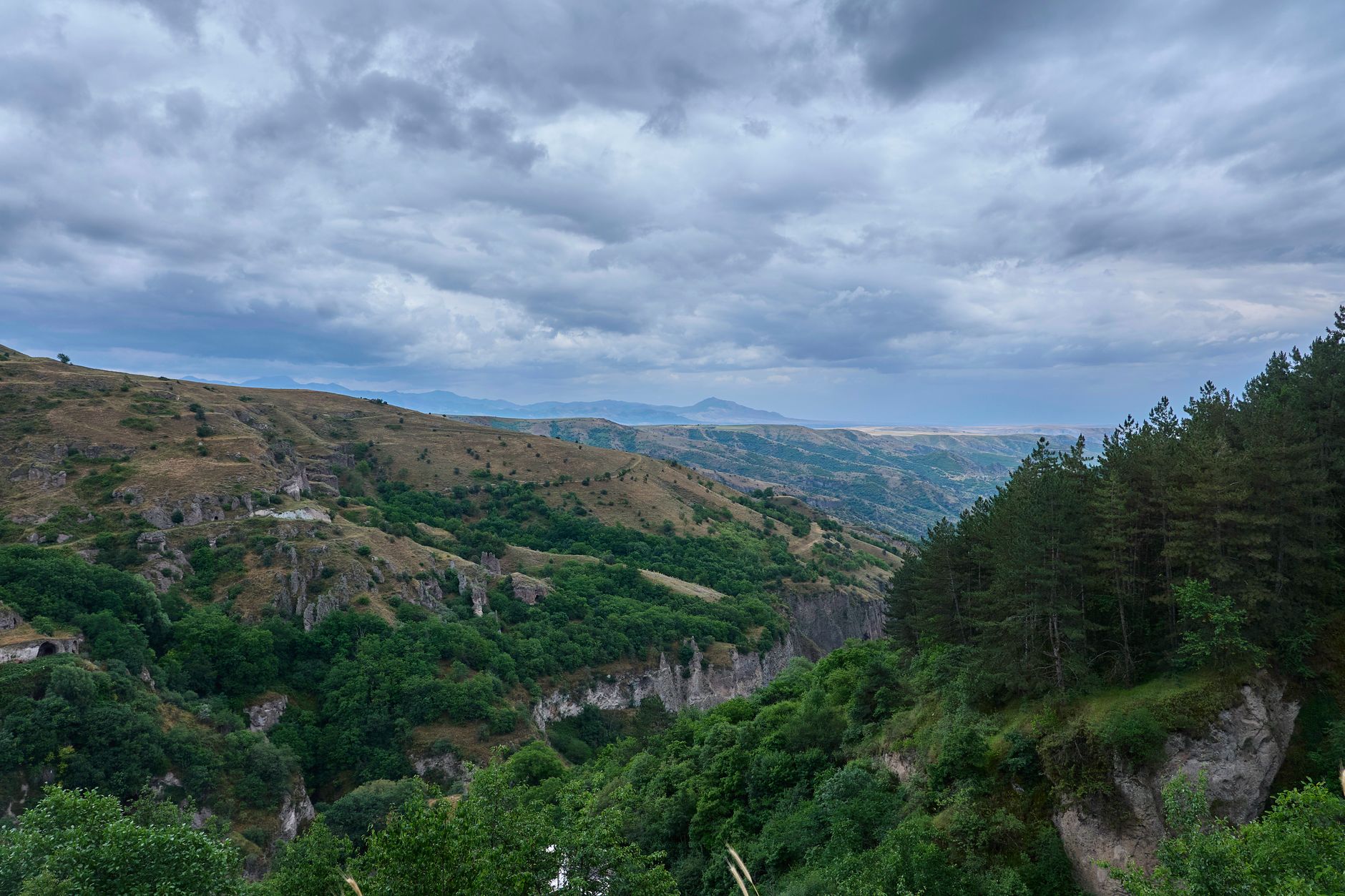
Dilijan National Park covers roughly 28,000 hectares and is dominated by mixed deciduous forest – oak, hornbeam, beech – at elevations between 1,000 and 2,600 meters. This isn’t the bare, dramatic highland landscape that most visitors picture when they think of the Caucasus. It’s green, shaded, and humid enough in summer to feel almost Central European. That contrast is part of the draw for travelers who’ve already done the dry mountain passes further north.
The trail network is real, which matters. A growing number of Caucasus destinations advertise hiking without maintaining the routes to support it. Dilijan has benefited from sustained investment in marked paths, including a long-distance trail that connects multiple monasteries and passes through intact forest for most of its length. Waymarking is consistent enough that independent navigation is manageable without a guide, which is still not the case in many comparable regions.
Wildlife encounters are understated but genuine. The park supports brown bear, lynx, and a solid population of birds of prey. You’re unlikely to see large mammals on a standard day hike, but the birding alone – particularly during spring migration – attracts a small, dedicated circuit of visitors who wouldn’t otherwise make the trip. That niche audience is part of what keeps Dilijan from feeling overrun: it pulls serious travelers rather than volume.
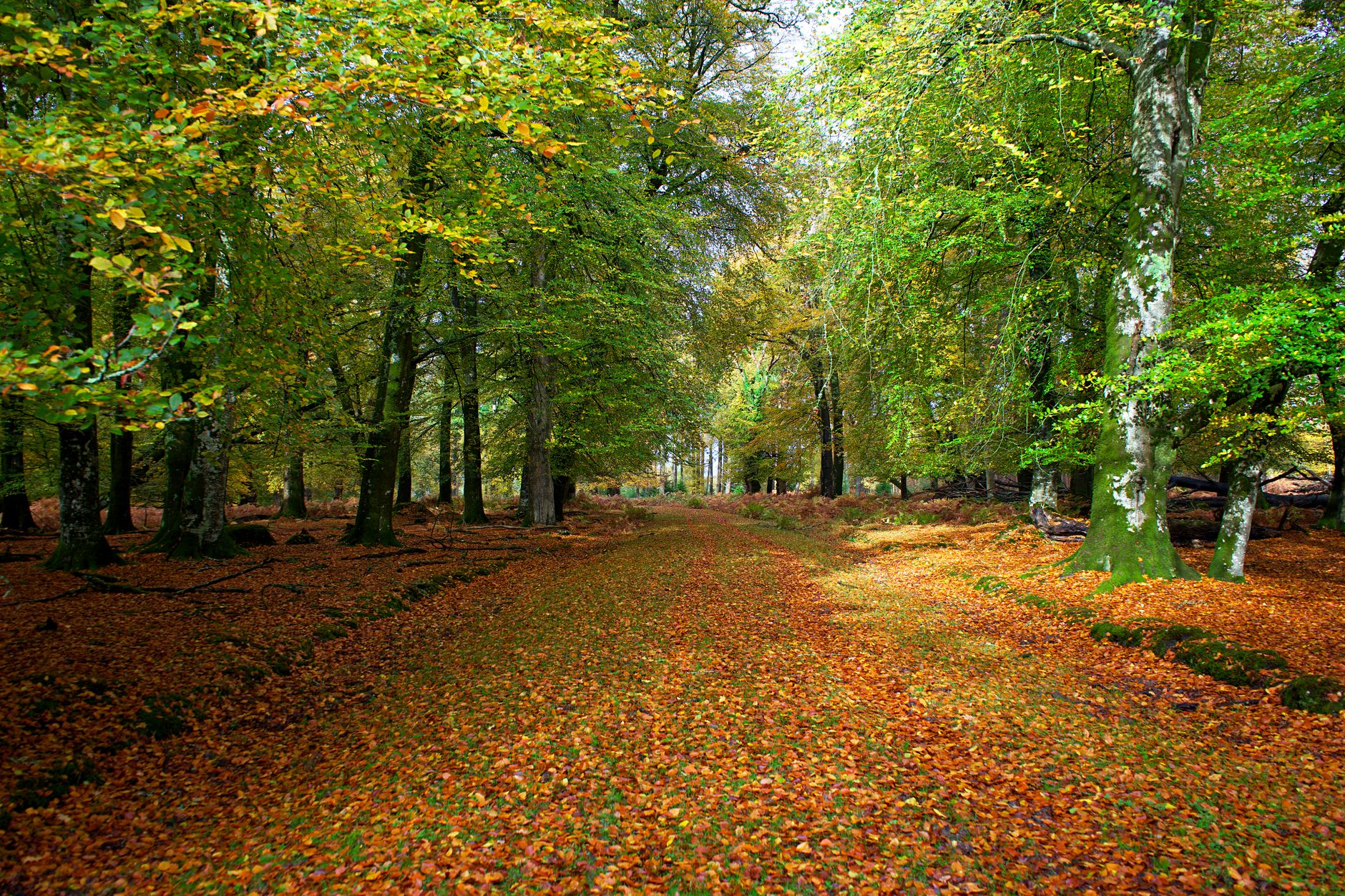
Autumn deserves its own mention. The beech forest turns in late October, and the color against the grey monastery stone produces the kind of scenery that tends to circulate online with no location attached. The hiking conditions remain good through early November, temperatures drop but stay manageable, and the guesthouses thin out enough that prices drop alongside them. If there’s an optimal window, that’s it.
Logistics Without the Guesswork
Dilijan is reachable from Yerevan in under two hours by marshrutka – the shared minibuses that connect most Armenian towns – with departures from the Kilikia bus station. The town itself is compact and walkable, with the old quarter, called Sharambeyan Street, concentrated enough that orientation takes about twenty minutes on foot. Accommodation runs from simple guesthouses to a handful of boutique hotels that have opened in converted stone buildings over the past decade.
Getting to the monasteries without a car requires either a taxi from town – reliable and not expensive by regional standards – or the hiking routes that connect them to the trail network. For Haghartsin, the forest path is well-marked and takes around two hours from town. For Goshavank, a taxi is the more practical option unless you’re building a multi-day loop, which is entirely feasible with a decent trail map and an overnight in the village.
Why Dilijan Holds Its Own
The honest case for Dilijan over Georgia’s monastery circuit isn’t that it’s better – it’s that it’s different enough to justify a separate trip, and similar enough in spirit to appeal to the same traveler. Someone who came for Vardzia and Svaneti will find Dilijan familiar in its rhythms and surprising in its details. The stone carving traditions are distinct, the forest context is unlike anything in Georgia’s drier highland regions, and the lack of organized tour infrastructure means the experience stays quieter by default.
Armenia as a whole remains undervisited relative to its cultural density. The country packs a concentration of medieval architecture, early Christian sites, and dramatic landscape into a very small geography. Dilijan is one access point into that, and for travelers focused on the intersection of forest hiking and monastery wandering, it may be the best one. The trails are in better shape than the marketing suggests, the monasteries are less interpreted than comparable sites elsewhere, and the guesthouses are still cheap enough to justify an extra night.
What Dilijan doesn’t have yet is the kind of travel infrastructure that smooths every edge – the monastery gift shops, the timed entry systems, the guided audio tours. Whether that gap closes in the next few years or holds open a little longer is the real question for anyone timing a visit.
Frequently Asked Questions
How do I get to Dilijan from Yerevan?
Shared minibuses (marshrutkas) run from Yerevan’s Kilikia bus station to Dilijan in under two hours. Taxis are also available for the full journey or for reaching monasteries from town.
What is the best time of year to visit Dilijan?
Late October to early November offers peak autumn color in the beech forests and good hiking conditions, with fewer visitors and lower accommodation prices than summer.
Can I hike to the monasteries without a guide?
Yes. Haghartsin is reachable on a marked forest trail from Dilijan town in about two hours. Goshavank is better accessed by taxi unless you’re doing a multi-day loop.