Armenia’s Dilijan Forest Quietly Rivals Georgia’s Svaneti for Village Hikers

Georgia’s Svaneti gets the magazine spreads, the bucket-list placement, and the hiking influencers. Armenia’s Dilijan gets the forests, the monasteries, and the quiet. For village hikers who actually want to walk between settlements rather than pose in front of them, that trade-off is starting to look very attractive.
A Forest That Hides Its Best Features
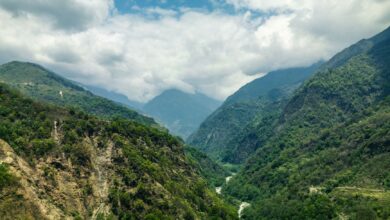
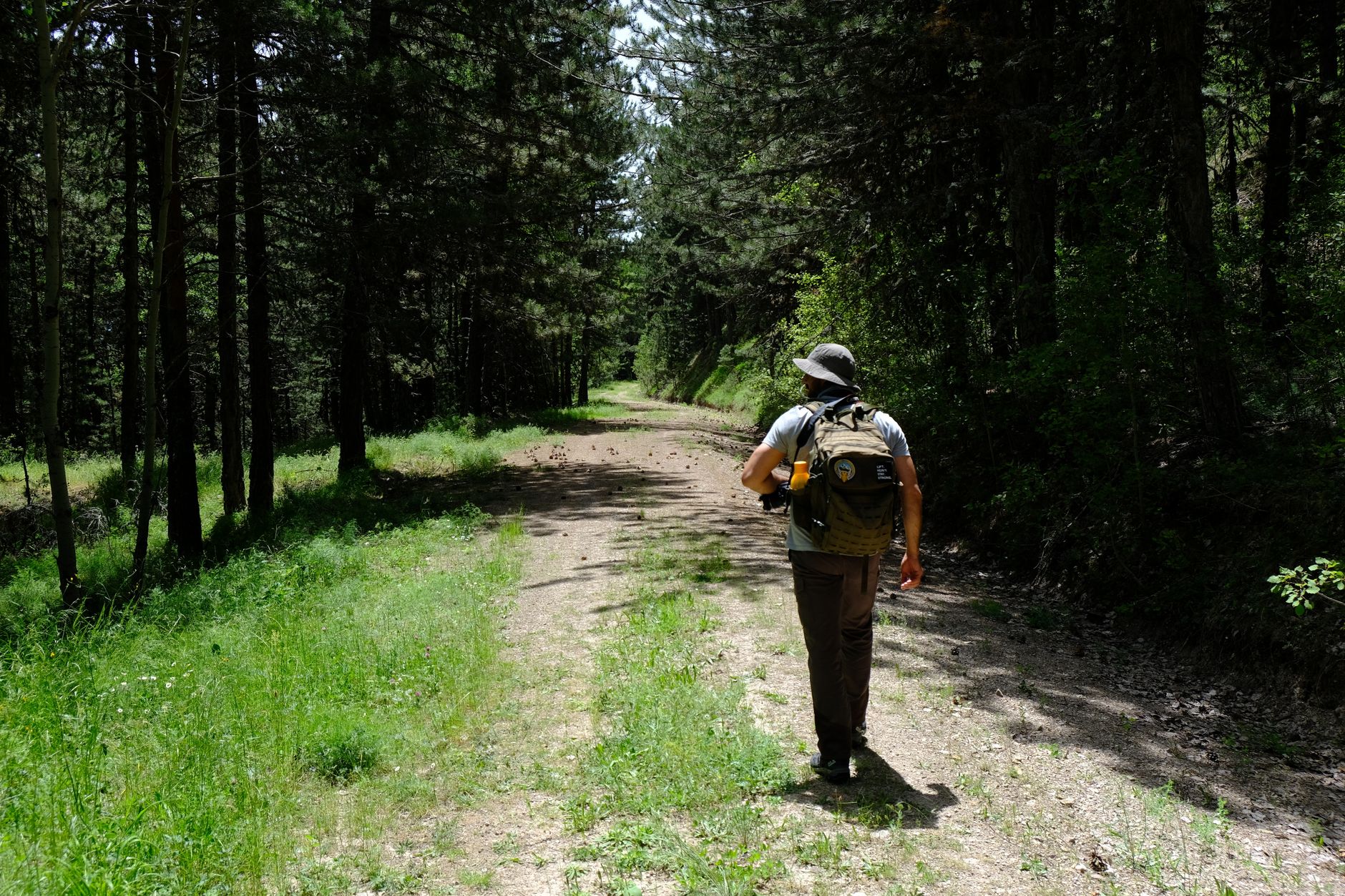
Dilijan sits in the Tavush region of northeastern Armenia, tucked inside a national park that covers roughly 240 square kilometers of oak, beech, and hornbeam forest. The trees are old and the canopy is dense, which means summer hiking stays cool even when the rest of the South Caucasus is baking. The park sits at elevations ranging from around 1,000 to nearly 2,500 meters, giving hikers the kind of altitude variety that keeps a multi-day route genuinely interesting without demanding technical mountaineering skills.
The town of Dilijan itself is small, with a restored Old Town quarter that functions as a base without overwhelming visitors with tourist infrastructure. Stone-paved lanes, craft workshops, and guesthouses operated by local families make it functional rather than themed. Most hikers arrive from Yerevan in under two hours by marshrutka or taxi, which removes the logistical friction that typically discourages independent travelers from venturing into less-famous regions.
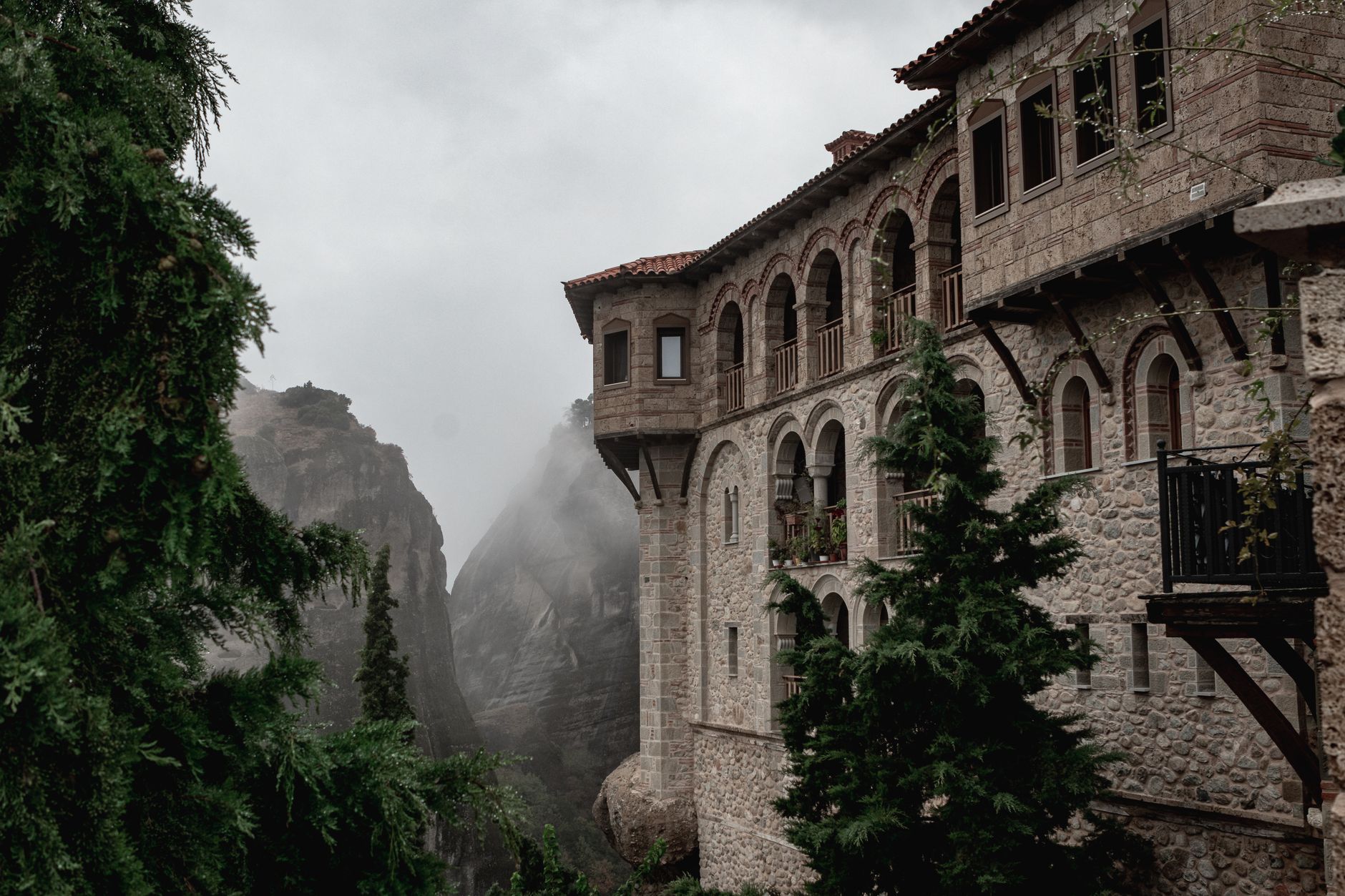
What Dilijan lacks is a single dramatic selling point – no towers of rock rising above a glacier, no postcard skyline that instantly communicates adventure. What it has instead is accumulated texture: rivers that cut through forested gorges, village paths that predate the Soviet road network, and monasteries that appear mid-hike without any prior announcement. Haghartsin Monastery, set inside dense forest and dating to the 10th century, is the kind of place you might spend an hour at simply because nobody is rushing you through it.
The trail network is less formalized than Svaneti’s, which is both a limitation and an advantage. Marked routes exist, but local knowledge still matters. Hiring a guide from one of the villages – or at minimum spending an evening talking to a guesthouse host about the paths between settlements – adds a layer of orientation that no app currently replaces reliably in this region. That friction filters out a certain kind of traveler, and the ones who remain tend to move more slowly, which suits the landscape.
Village to Village, Without the Crowds
The comparison to Svaneti is worth unpacking carefully, because the two destinations are not identical in what they offer. Svaneti delivers scale and drama: the Caucasus peaks above Mestia are genuinely imposing, and the Ushba silhouette is one of the more arresting sights in mountain Europe. Dilijan does not compete on those terms. What it offers instead is density of cultural detail at ground level – the kind of hiking where the interest is sustained not by a distant summit but by what appears around the next bend in the path.
Village routes in the Dilijan area connect settlements like Gosh, Jukhtak, and Aghavnavank through forest paths that follow stream valleys and ridge lines. The distances between villages are manageable for hikers of moderate fitness, which matters for anyone who wants to carry minimal gear and sleep in local homes rather than tents. Accommodation in these villages tends to be informal – a spare room, a shared meal, a conversation conducted mostly through hand gestures and translated phone screens. That informality is the actual experience, not an obstacle to it.
Food along these routes deserves specific attention. Armenian village cooking in the Tavush region runs to herb-heavy stews, freshly baked lavash, and preserved vegetables from the previous autumn. Meals are not curated for tourists; they reflect what the household is actually eating. A long hiking day that ends with a table set by someone who has farmed and foraged in the same valley for decades is a different proposition from a trail hut menu, and for many travelers it is the more memorable one.
The monastery circuit deserves its own half-day or full day. Beyond Haghartsin, the Goshavank Monastery complex near the village of Gosh represents a different architectural period and a quieter site. Walking between them rather than driving reframes both places – the forest path between them provides context that a parking lot arrival does not. Early morning visits mean near-solitude even in peak season, which runs roughly June through September.
One honest caveat: English-language trail information for Dilijan lags significantly behind what’s available for Svaneti. Maps vary in quality, trail markings are inconsistent in places, and the national park authority’s online presence is thin. Travelers who build itineraries from a single source and expect them to hold together precisely will find the region frustrating. Travelers who treat the uncertainty as part of the process tend to report the opposite experience. The infrastructure gap is real, but it is also the reason the crowds haven’t arrived.
Timing, Logistics, and What to Expect
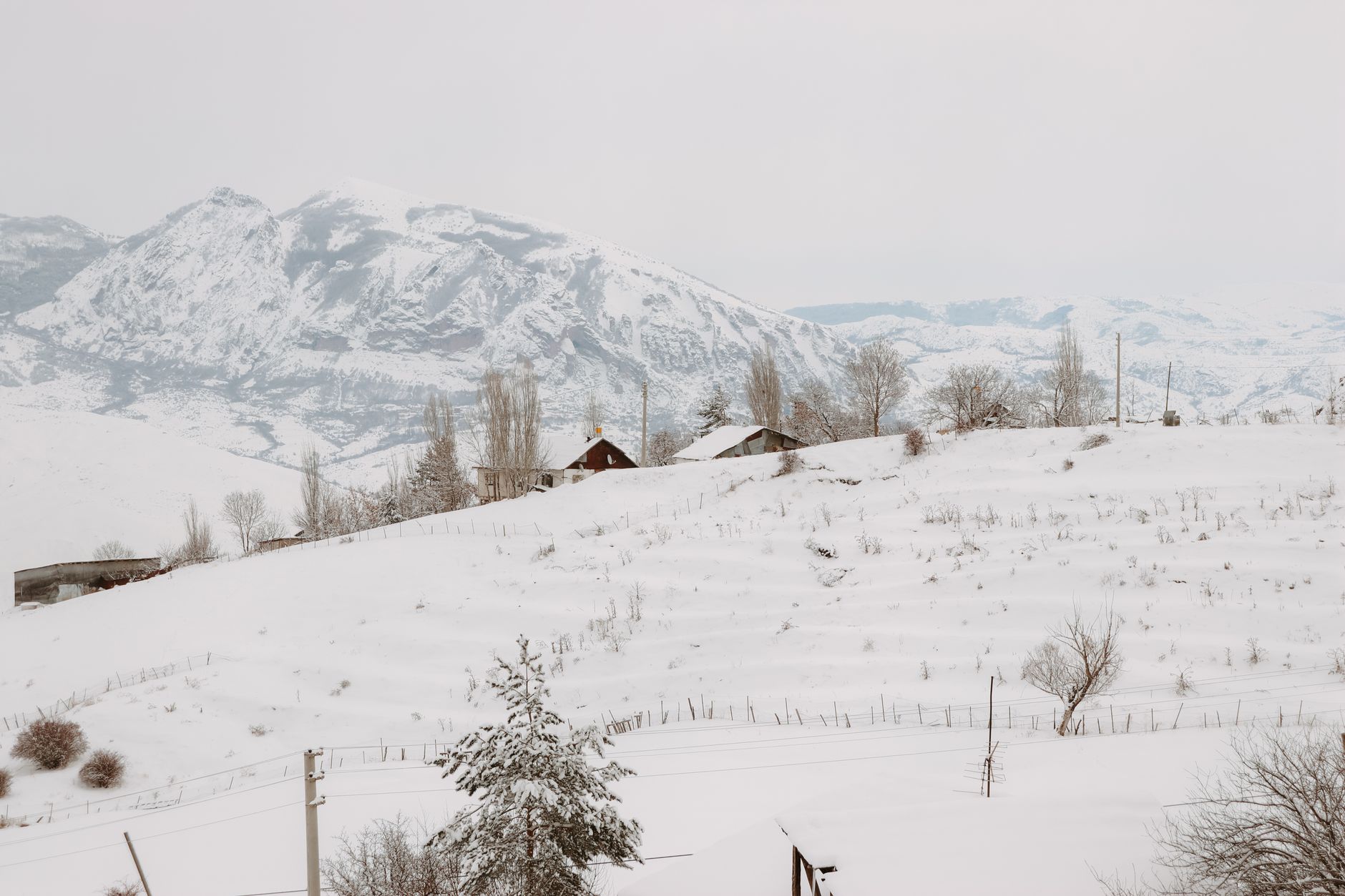
Late May through early October covers the practical hiking window, with July and August bringing the warmest temperatures and the fullest guesthouses. September is worth serious consideration: the deciduous forest turns before the crowds thin, and the combination of color and quiet makes it arguably the strongest single month for a first visit. Spring arrivals in May encounter mud on lower paths and occasional snow on higher routes, but also wildflowers and a forest floor that feels actively alive after winter.
Budget travelers find Dilijan accommodating in ways that Svaneti’s growing tourism economy no longer reliably is. Guesthouse rates in the villages remain low by regional standards, local transport is inexpensive, and the absence of organized tour groups means prices haven’t been pulled upward by packaged demand. That calculation will not hold indefinitely – the region has appeared on enough slow-travel recommendation lists that the trajectory is clear. The question for anyone weighing a visit is simply whether to go before the infrastructure catches up or after it does.