
Where the Caucasus Goes Quiet
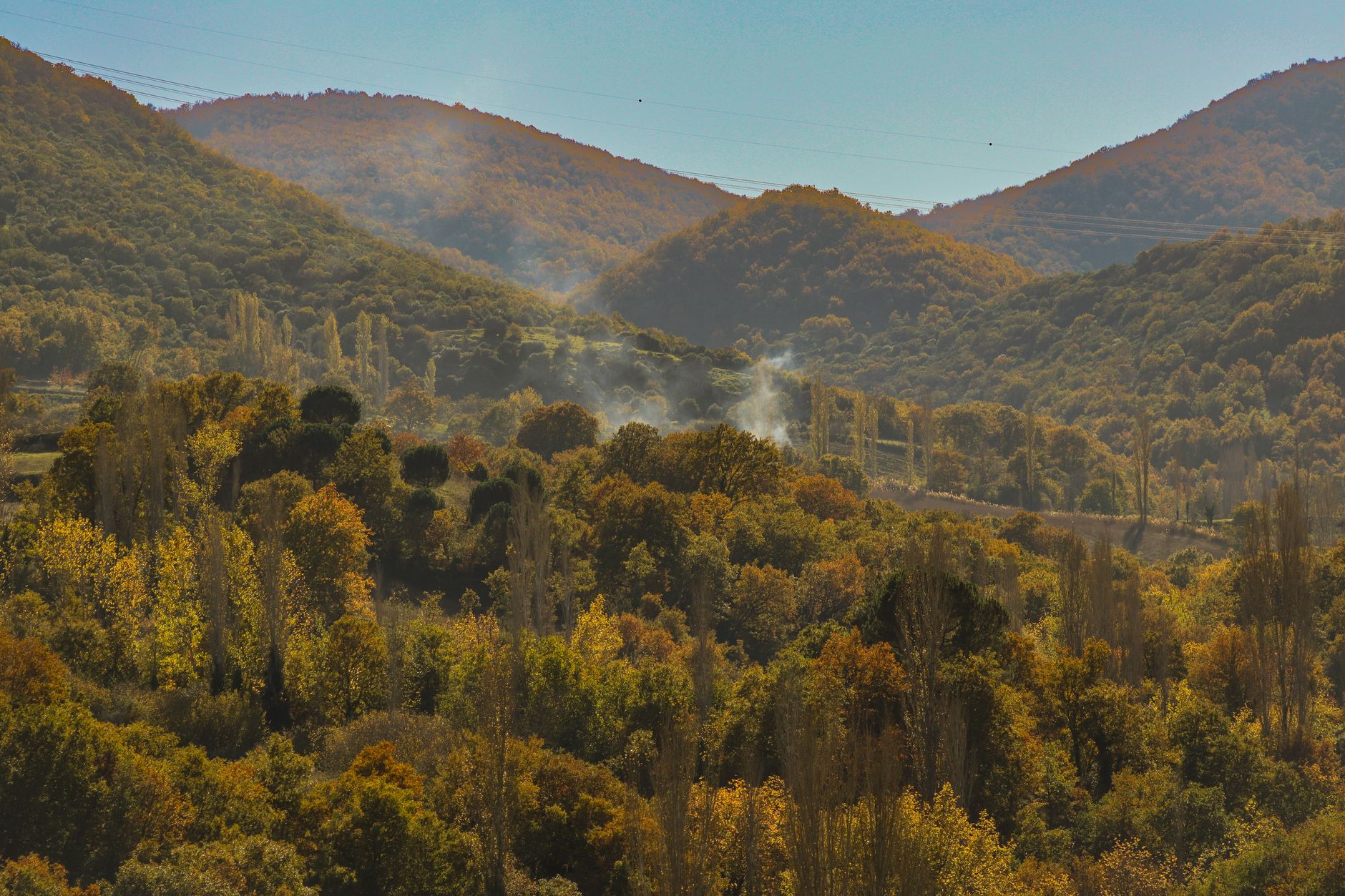
Dilijan National Park sits in northern Armenia like a secret the country has been keeping from the rest of the world. Stretching across roughly 28,000 hectares of dense oak and beech forest in the Tavush region, the park offers something increasingly rare in adventure travel: trails that don’t require booking six months in advance, mountain villages that haven’t been optimized for tourism, and a landscape so green and mist-covered that visitors routinely express surprise that this is the same country as Yerevan’s sun-baked capital. The contrast is not subtle.
Armenia’s broader tourism profile has grown steadily in recent years, driven by interest in its ancient monasteries, its complex history, and a culinary scene that punches well above its weight. But Dilijan itself remains off the radar for most Western travelers, a fact that trails advocates and slow-travel communities have quietly begun to notice. The park is drawing a small but growing number of hikers who have done the Dolomites, ticked off Slovenia, and are now specifically hunting for the version of Europe’s alpine romance that hasn’t been discovered yet.
The Trails Themselves
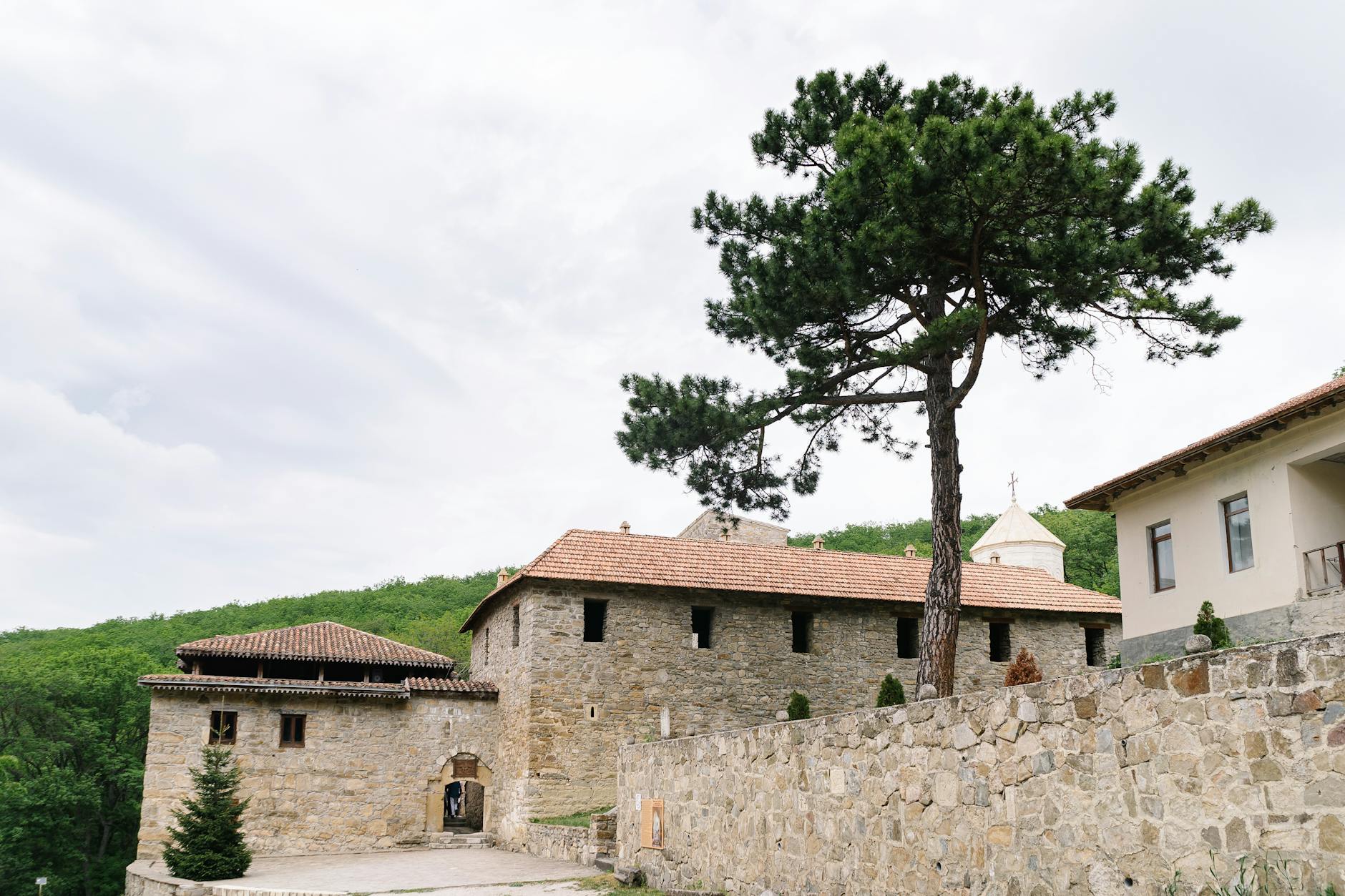
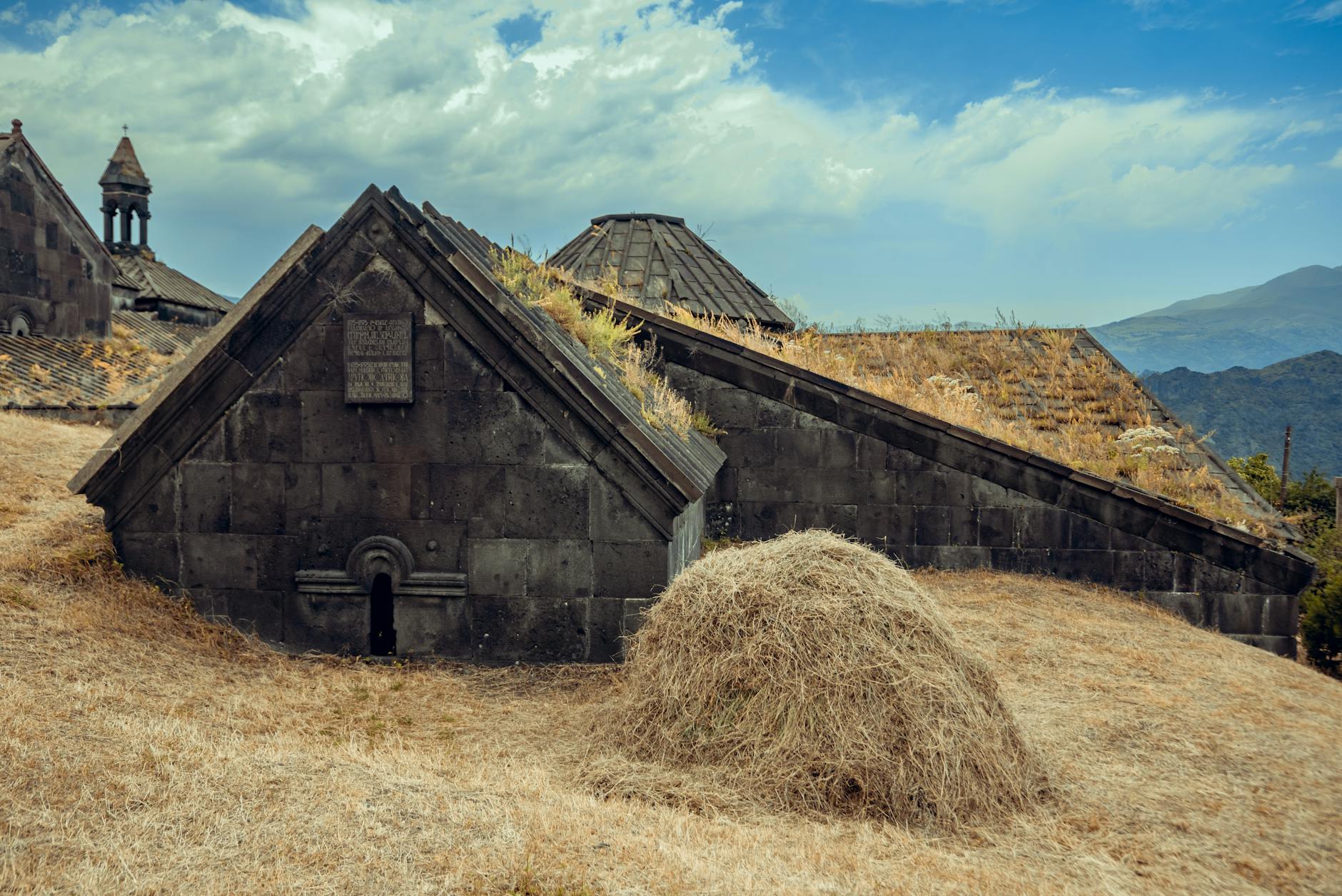
The main trekking routes in Dilijan connect a series of medieval monasteries hidden deep in the forest, most notably Haghartsin and Goshavank, both dating to the 12th and 13th centuries. These aren’t roadside attractions. Reaching them on foot means walking through old-growth forest on paths that can be muddy, unmarked in places, and entirely unpopulated for hours at a stretch. The trail from Dilijan town to Haghartsin takes roughly two hours at a moderate pace and gains enough elevation to reward hikers with views over the Aghstev River valley that feel genuinely earned.
What makes the park distinct from better-known Caucasus trekking destinations – Georgia’s Kazbegi region draws the bulk of regional attention – is the quality of the forest itself. Dilijan is sometimes called “Armenia’s Switzerland,” which is a bit of a local marketing stretch, but the biodiversity is real. The woodland holds more than 1,000 plant species, and the canopy in late spring and early autumn turns the light inside the forest into something almost cinematic. For wildlife, the park hosts brown bear, lynx, and a significant bird population, though most hikers will hear more than they see.
Getting In and Getting Around
Dilijan town itself is a straightforward 70-kilometer drive from Yerevan, accessible by marshrutka – the shared minivan taxis that serve as the backbone of regional transport across Armenia. The ride takes about 90 minutes and costs very little, which contributes to the park’s accessibility for independent travelers. There is no need to organize a guided tour to reach the main trails, though local guides are available for those who want to navigate deeper routes or cross into less-documented sections of the forest.
Accommodation options inside and around the park have expanded noticeably, though “expanded” is relative. A handful of guesthouses and small eco-lodges have opened in recent years, many of them run by local families who offer home-cooked meals alongside a bed. The food tends to be what you’d find at any Armenian table – lavash, grilled meats, herb-forward salads, and local honey – and the informal hospitality operates on a logic that has nothing to do with the hospitality industry’s usual protocols.
One genuine logistical challenge: trail signage is inconsistent. Some sections of the park’s route network are well-marked with painted blazes; others trail off into ambiguity. Carrying offline maps via apps like Maps.me or downloading the relevant OSM tiles before leaving Yerevan is not optional – it is the difference between a confident walk and a frustrating one. This is not a complaint so much as a condition of the park’s current state of development, which is early enough that the infrastructure hasn’t caught up with the terrain’s potential.
The best windows for hiking are May through June and September through October. Summer heat isn’t brutal in the park itself, but the forest is at its most atmospheric in late spring and early fall. Winters bring snow and close some upper trails entirely, though a small community of visitors comes specifically for the stillness of the park under snowfall, when even the village streets go quiet.
The Village Circuit
Beyond the monastery trails, the park’s surrounding villages – Gosh, Haghartsin, and Aghavnavank among them – form a loose circuit that rewards travelers willing to walk between settlements rather than drive. The landscape shifts between open meadow and dense woodland, and the villages themselves retain a lived-in quality that tourist-facing destinations typically lose. Residents keep kitchen gardens, old men play backgammon outside small shops, and the only real commerce is a few roadside stands selling dried fruit and local cheese to passing cars.
This is slow travel in its most literal form. There is nothing to optimize, no list of must-see sites that demands scheduling. The value is almost entirely in the quality of attention the environment invites – the way the light hits the monastery stones in the afternoon, the sound of the forest after rain, the specific satisfaction of sitting down to eat something made by hand in a kitchen you could see from the table.
Why Now
The practical case for visiting Dilijan before it becomes widely known is simply that the window for this kind of experience doesn’t stay open indefinitely. Destinations that offer genuine solitude and affordable, informal travel infrastructure tend to develop quickly once they appear in the right publications or get tagged by the right accounts. Dilijan hasn’t crossed that threshold yet, but the conditions are in place. The infrastructure is improving. The flight connections into Yerevan are growing. The word is starting to move.
Armenia as a travel destination is also navigating a complicated geopolitical moment in the South Caucasus, and travelers do their own risk assessments accordingly. The Tavush region where Dilijan sits is far from the country’s southern borders and has been stable for domestic tourism throughout recent years. The situation is worth monitoring, but it hasn’t deterred the travelers who are already showing up with their boots and their offline maps.
What nobody talks about enough is the cost. A full week in Dilijan – accommodation, food, local transport, everything – can be done on a budget that most European city-break travelers would consider implausibly low. Guesthouse rooms run to the equivalent of a few dozen dollars per night. Meals cost almost nothing by comparison with Western Europe. The park itself charges no entry fee. For travelers who have started to feel priced out of the more fashionable corners of slow travel, that arithmetic is worth sitting with.
Frequently Asked Questions
How do I get to Dilijan National Park from Yerevan?
Shared marshrutka minivans run from Yerevan to Dilijan town in about 90 minutes. The ride is inexpensive and runs regularly throughout the day.
Do I need a guide to hike in Dilijan National Park?
A guide is not required for the main trails, but trail signage is inconsistent in some sections. Downloading offline maps before you go is strongly recommended.